Sauna vs Cold Plunge: What the Research Shows
Sauna vs cold plunge compared: what trials and cohorts show on heart health, soreness, stress and muscle growth, plus who should avoid each.
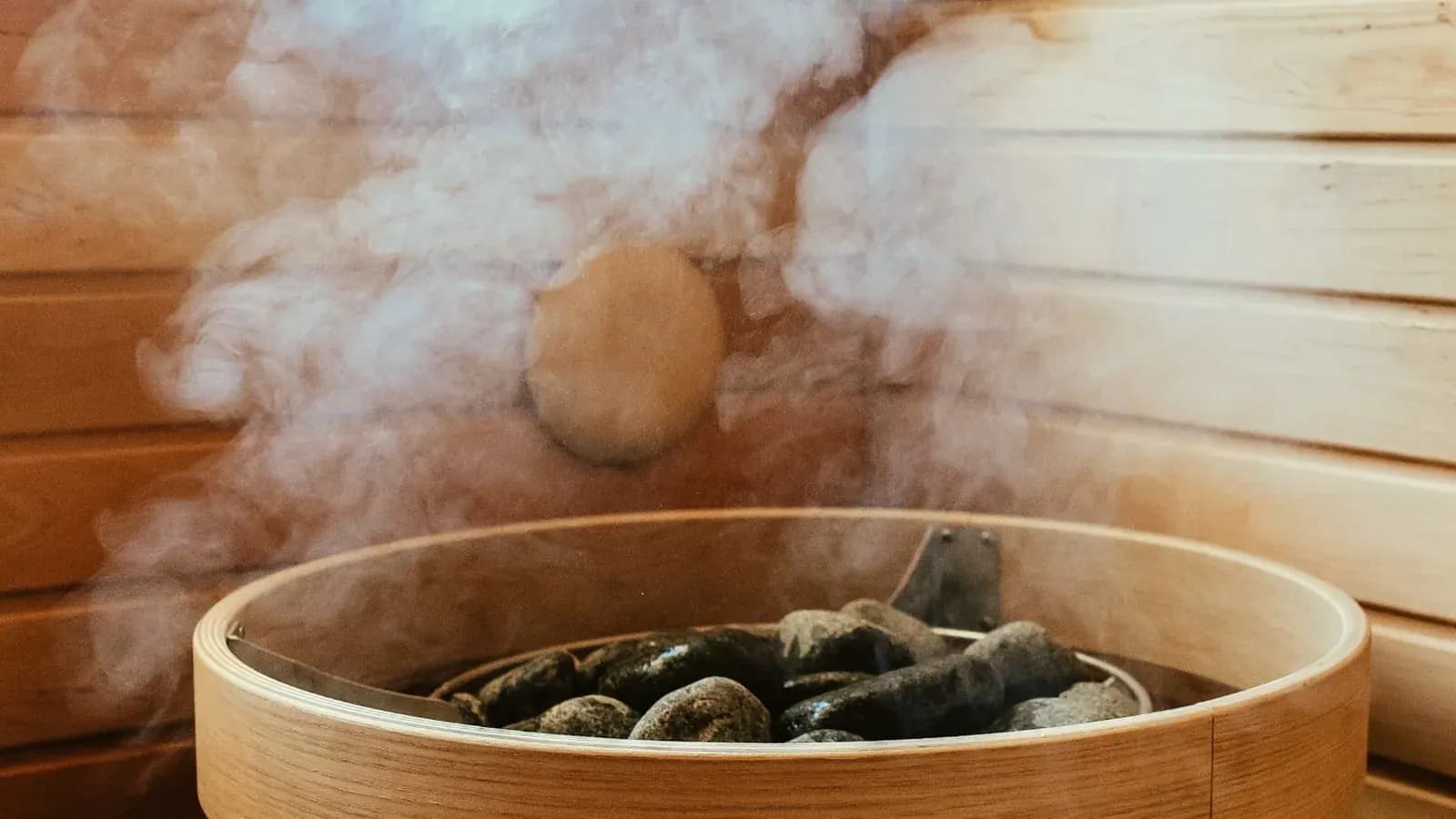
Sauna vs cold plunge: which is better? Both are marketed as recovery and longevity habits, and people often ask which one is better. The honest answer from the research is that they do different things, and no trial has compared them head to head. The best sauna evidence is observational and concerns heart health. The best cold-water evidence concerns soreness and short-term stress, with a trade-off for muscle growth. This guide goes through what the studies measured, where the evidence is weak, and how to choose between sauna vs cold plunge for your own goals.
⚕️ Medical Disclaimer
This article is general information, not medical advice. Sauna and cold-water immersion place real strain on the heart and circulation. If you have heart disease, high or unstable blood pressure, are pregnant, take blood pressure or heart medication, or have any medical condition, speak to your doctor before starting either one.
The short version of sauna vs cold plunge
- No randomised trial we found compares sauna with cold plunging directly. Any claim that one is "better" overall goes beyond the evidence.
- Sauna vs cold plunge on heart health: in a Finnish cohort of 2,315 men followed for a median of 20.7 years, men who used a sauna 4 to 7 times a week had a lower risk of sudden cardiac death (hazard ratio 0.37) than men who used one once a week. This is observational, so it shows an association, not proof of cause.
- When randomised trials of passive heating were pooled in 2025 (20 trials), most heart and metabolic markers did not change. Systolic blood pressure fell by 4.1 mmHg only in whole-body heating, such as sauna.
- Sauna vs cold plunge on stress: a 2025 meta-analysis of 11 cold-water studies and 3,177 people found lower stress 12 hours after immersion and some benefit for sleep quality, but inflammation markers rose in the first hour and the evidence base is small.
- For sore muscles, a 2023 meta-analysis of 28 studies found cold-water immersion beat other recovery methods for soreness.
- The trade-off: after strength training, regular cold-water immersion blunted muscle fibre growth in two trials. Strength gains were reduced in one and unchanged in the other.
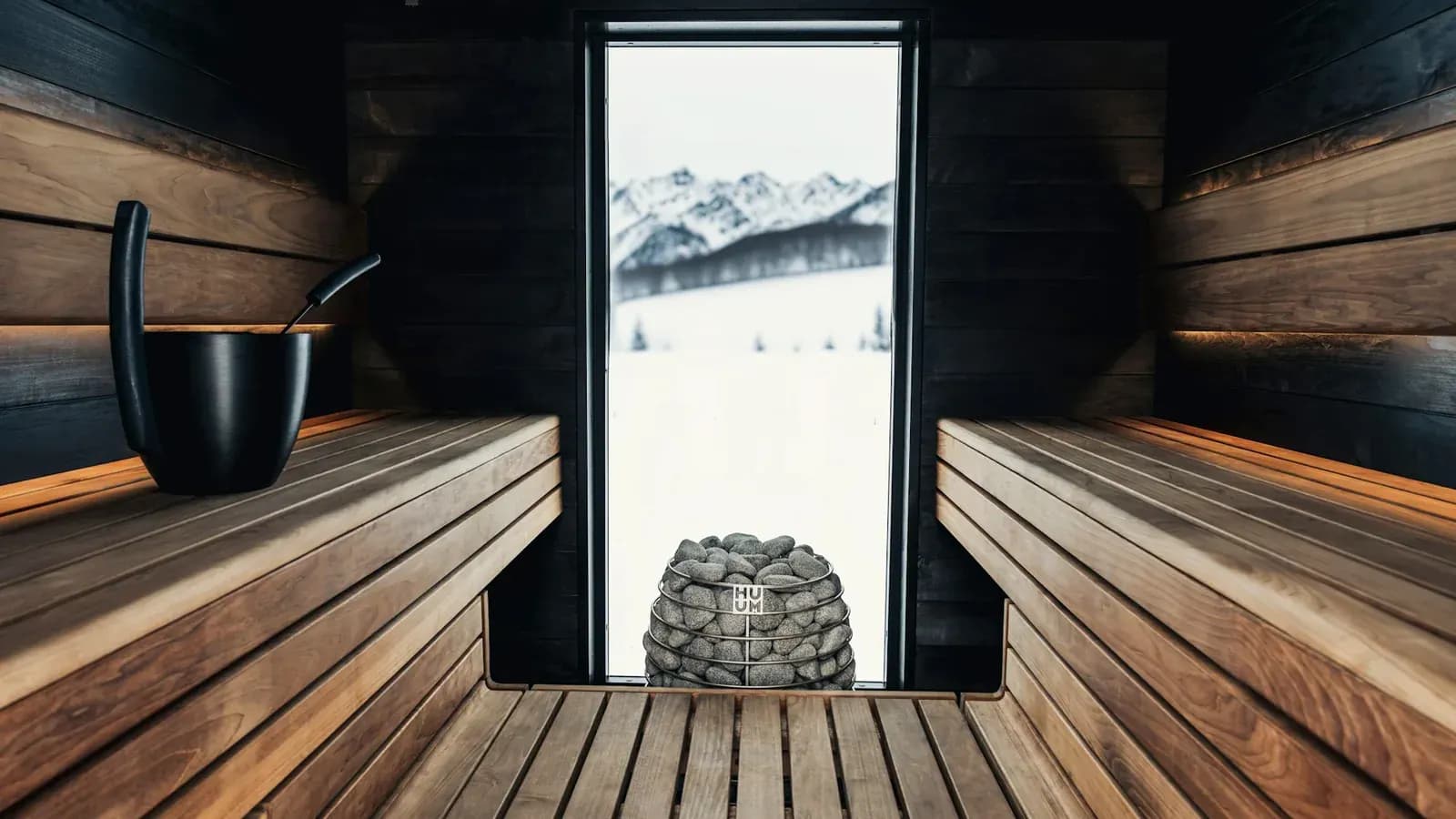
Sauna vs cold plunge: what is the difference?
A traditional Finnish sauna heats the body passively, usually in a room at roughly 80 to 100 degrees Celsius. Heart rate rises, blood vessels widen and blood pressure often falls during the session. A cold plunge does the opposite: cold water constricts blood vessels, triggers a rapid cold-shock breathing response and raises heart rate and blood pressure for a short time. Both are short, deliberate stresses on the body, which is why they are often grouped together.
Because they act in opposite directions, they are not interchangeable. In the sauna vs cold plunge question, the issue is not which is better overall, but which fits the outcome you care about: heart health, recovery, mood and sleep, or muscle gain.
What the research shows about sauna in the sauna vs cold plunge debate
Heart health and mortality: strong association, not proof
The most cited sauna study is a 2015 paper in JAMA Internal Medicine from the Kuopio Ischaemic Heart Disease Risk Factor Study. It followed 2,315 middle-aged men from Eastern Finland for a median of 20.7 years. After adjusting for cardiovascular risk factors, men who used a sauna 4 to 7 times a week had a lower risk of sudden cardiac death (hazard ratio 0.37, 95% CI 0.18 to 0.75) than men who used it once a week. Sessions longer than 19 minutes were also linked with lower risk of sudden cardiac death than sessions under 11 minutes. Similar patterns were seen for fatal coronary heart disease and fatal cardiovascular disease.
Two limits matter. The participants were Finnish men who already used saunas for years, so the result may not apply to women or to people new to heat. And sauna use was self-reported at one point in time. Healthier, more active people may simply be the ones who use saunas often.
[Laukkanen et al., "Association between sauna bathing and fatal cardiovascular and all-cause mortality events," JAMA Internal Medicine, 2015. PMID: 25705824]A later analysis of 2,575 men in the same cohort, followed for a median of 27.8 years, suggested that frequent sauna use may offset some of the extra cardiovascular risk in men with high-normal blood pressure, but not in men with clearly raised systolic pressure. Frequent sauna use did not cancel out high blood pressure.
[Laukkanen et al., "The Interplay between Systolic Blood Pressure, Sauna Bathing, and Cardiovascular Mortality," Journal of Nutrition, Health and Aging, 2023. PMID: 37248758]A 2018 review in Mayo Clinic Proceedings pulled the observational, randomised and non-randomised evidence together. It proposed that regular sauna bathing may improve blood vessel function, reduce arterial stiffness and lower blood pressure, while stating that areas of uncertainty remain.
[Laukkanen, Laukkanen and Kunutsor, "Cardiovascular and Other Health Benefits of Sauna Bathing: A Review of the Evidence," Mayo Clinic Proceedings, 2018. PMID: 30077204]What randomised trials of heat found
Randomised trials give a more cautious picture. A 2025 systematic review and meta-analysis in the American Journal of Preventive Cardiology pooled 20 randomised trials of passive heating lasting 2 to 15 weeks, including hot water bathing, saunas, hot yoga and local heating. There were no significant pooled effects on most outcomes, including flow-mediated dilation, pulse wave velocity, resting heart rate, fasting glucose, HbA1c, cholesterol and C-reactive protein. The overall change in systolic blood pressure was -2.46 mmHg and was not statistically significant. However, whole-body heating lowered systolic blood pressure by 4.11 mmHg, and the reduction was also seen in people with underlying coronary risk or cardiovascular disease.
In plain terms: heat may help blood pressure modestly, but the randomised evidence does not support big claims for cholesterol, blood sugar or inflammation.
[Hamaya et al., "Non-acute effects of passive heating interventions on cardiometabolic risk and vascular health," American Journal of Preventive Cardiology, 2025. PMID: 41049507]What the research shows about cold plunges in the sauna vs cold plunge debate
Stress, sleep and inflammation
A 2025 systematic review and meta-analysis in PLOS One looked at cold-water immersion in healthy adults, using water at 15 degrees Celsius or colder for at least 30 seconds. It included 11 studies and 3,177 participants, mostly baths with one cold-shower study. Inflammation markers rose immediately and an hour after immersion, which reflects an acute stress response. Perceived stress was not different right after, but it was significantly lower 12 hours later. Narrative findings suggested better sleep quality and quality of life, plus a 29% reduction in sickness absence among people who took cold showers, but not better mood. The authors point out that there are few randomised trials, sample sizes are small and the study populations lack diversity.
[Cain et al., "Effects of cold-water immersion on health and wellbeing: A systematic review and meta-analysis," PLOS One, 2025. PMID: 39879231]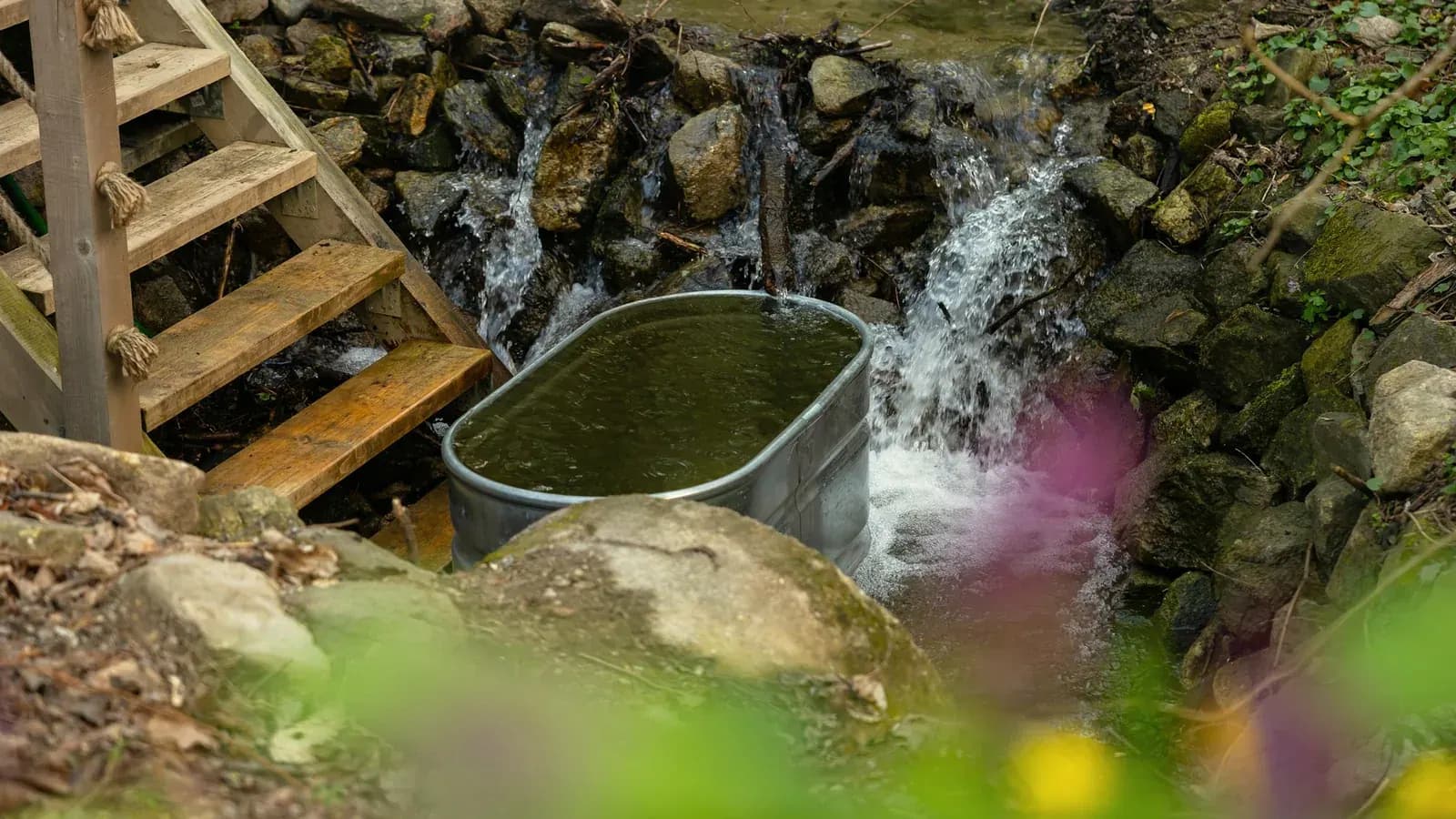
Muscle soreness and recovery after hard exercise
The recovery evidence is stronger. A 2023 meta-analysis in Sports Medicine of 28 studies found cold-water immersion beat other recovery methods for easing muscle soreness and was similar for recovering power and flexibility. A second meta-analysis of 20 studies reported lower soreness and perceived exertion straight after immersion, lower creatine kinase at 24 hours and lower lactate at 24 and 48 hours, but no clear effect on C-reactive protein or interleukin-6. A 2025 systematic review of 12 randomised trials found parasympathetic reactivation, a sign the body is calming down after exertion, in all studies that measured heart rate variability.
[Moore et al., Sports Medicine, 2023. PMID: 36527593] [Xiao et al., Frontiers in Physiology, 2023. PMID: 36744038] [Galvez-Rodriguez et al., Physiotherapy Research International, 2025. PMID: 39918163]The catch: cold plunging after lifting
If your goal is muscle, timing matters. In a 2015 study in the Journal of Physiology, 21 active men trained their strength twice a week for 12 weeks and followed each session with either 10 minutes of cold-water immersion or active recovery. Strength and muscle mass rose more in the active-recovery group. Type II muscle fibre size increased by 17% in that group and not in the cold group.
A 2019 trial of 16 men trained three times a week for 7 weeks, with 15 minutes at 10 degrees Celsius or passive recovery after each session. Leg-press strength improved similarly in both groups, but the growth of type II muscle fibres was blunted by cold-water immersion. Both trials were small and used men only, but they point the same way. If building muscle is your priority, avoid cold plunging right after strength sessions and save it for rest days or after endurance work.
[Roberts et al., "Post-exercise cold water immersion attenuates acute anabolic signalling and long-term adaptations in muscle to strength training," Journal of Physiology, 2015. PMID: 26174323] [Fyfe et al., "Cold water immersion attenuates anabolic signaling and skeletal muscle fiber hypertrophy, but not strength gain, following whole-body resistance training," Journal of Applied Physiology, 2019. PMID: 31513450]Sauna vs cold plunge: which one for which goal?
| Goal | Better-supported option | Why |
|---|---|---|
| Heart and blood pressure | Sauna (modest evidence) | Observational cohorts show lower cardiovascular death risk, and trials show a small drop in systolic pressure with whole-body heating |
| Sore muscles after hard training | Cold plunge | Meta-analyses show less soreness than other recovery methods |
| Building muscle | Neither right after lifting | Cold blunted muscle fibre growth in two trials, and there is little trial evidence for sauna |
| Stress and sleep | Cold plunge (limited evidence) | Stress was lower 12 hours later in a 2025 meta-analysis, but studies are few and small |
| Relaxation | Personal preference | No head-to-head trial, so choose what you enjoy and tolerate |
Should you combine sauna and cold plunge?
Alternating hot and cold, often called contrast therapy, is popular, but we did not find randomised evidence that the combination beats either one alone. If you enjoy it, there is no evidence it is harmful for healthy adults, but there is also no evidence it adds benefit. Treat it as a preference, not a proven protocol.
How to try either one more safely
- Start short. Begin sauna sessions at around 10 to 15 minutes and build gradually. In the Finnish data, longer sessions were associated with lower risk, but that does not mean pushing past comfort is safe.
- Enter cold water slowly. The cold-shock response, with gasping and a fast heart rate, is strongest in the first 30 to 60 seconds. Keep your head above water and get out if you feel dizzy.
- Use water around 10 to 15 degrees Celsius. Studies used a wide range from 7 to 15 degrees. Colder is not clearly better.
- Never go alone in open water. Cold shock can cause drowning even in strong swimmers.
- Drink water and skip alcohol. Sauna causes sweating and fluid loss, and alcohol raises the risk of dehydration and fainting.
- Time it around training. If you lift for muscle, keep cold immersion for rest days or well away from strength sessions.
- Know who should check first. People with heart disease, uncontrolled blood pressure, recent heart attack, aortic stenosis, pregnancy or fainting episodes should ask a doctor.
If you are weighing sauna vs cold plunge for recovery, see our guides on cold exposure and ice baths, how to improve sleep quality naturally and beginner strength training. Gentler options include a morning walk and zone 2 cardio.
What the research does not show
- It does not show that sauna prevents heart disease or extends life. The strongest data are observational.
- It does not show that a cold plunge boosts immunity, burns meaningful fat or treats depression.
- It does not show a winner in the sauna vs cold plunge comparison, because they have not been compared directly in trials.
- It does not show that contrast therapy is better than sauna or cold alone.
- Most trials are small, short, and mainly in men or young active adults.
Frequently Asked Questions
Is a sauna or a cold plunge better for you?
In the sauna vs cold plunge comparison, neither is clearly better, and no trial has compared them directly. Sauna has more evidence for heart health and blood pressure, mostly from observational Finnish data. Cold plunging has more evidence for muscle soreness and short-term stress. Choose based on your goal and on what you can tolerate safely.
Does a cold plunge stop muscle growth?
After strength training, it can blunt it. Two small trials found that regular cold-water immersion after lifting reduced growth of type II muscle fibres, and one also found smaller gains in strength and muscle mass. If building muscle is your goal, keep cold plunges away from lifting sessions.
Should I sauna or cold plunge after a workout?
For sore muscles after endurance or hard mixed training, cold-water immersion has the better trial evidence. After strength training, avoid it if muscle growth matters most. The sauna evidence concerns long-term heart health, not recovery after a single workout.
How often should I use a sauna?
The Finnish cohort linked 4 to 7 sessions per week with lower cardiovascular risk than once a week, but that is an association in men who already did it. Start with one or two short sessions a week and build up only if you feel well. Stop if you feel dizzy or unwell.
How cold should a cold plunge be and for how long?
Studies in the 2025 meta-analysis used water from 7 to 15 degrees Celsius for durations from 30 seconds to 2 hours. There is no proven best dose. Many people use water around 10 to 15 degrees for a few minutes. Colder or longer is not clearly better and raises risk.
Who should avoid saunas and cold plunges?
Anyone with heart disease, uncontrolled or very low blood pressure, a recent heart attack, aortic stenosis, fainting episodes or pregnancy should speak to a doctor first. Avoid both after drinking alcohol, and never use cold water alone outdoors.
Rate this article
Click on a star to rate this article
Keep Reading
The Evidence-Based Recovery Protocol: What Actually Ranks First
Recovery ranked by evidence size: sleep first by a wide margin, then the interchangeable soreness tier, and why icing after lifting costs you adaptation.
Read article →
fitnessWalking After Meals: What the Research Shows
Walking after meals explained: what trials found for blood sugar, how soon and how long to walk, who benefits, and what the studies cannot yet show.
Read article →
fitnessWalking Pad Benefits: What the Research Shows
Walking pad benefits explained: calories burned, steps, sitting time and blood sugar after meals, with what trials found and how to use one safely.
Read article →

Vitality & Strength Editorial Team
Independent research synthesists — not licensed clinicians
Independent health writers and research synthesists. We are not doctors or registered dietitians; every claim we publish is sourced and linked to primary research, and we take no affiliate or industry money.