Cold Water Immersion Protocol: Time and Temperature
The cold water immersion protocol the research actually supports: around 11 minutes per week at 50-59 F. Time, temperature, timing, and contraindications,
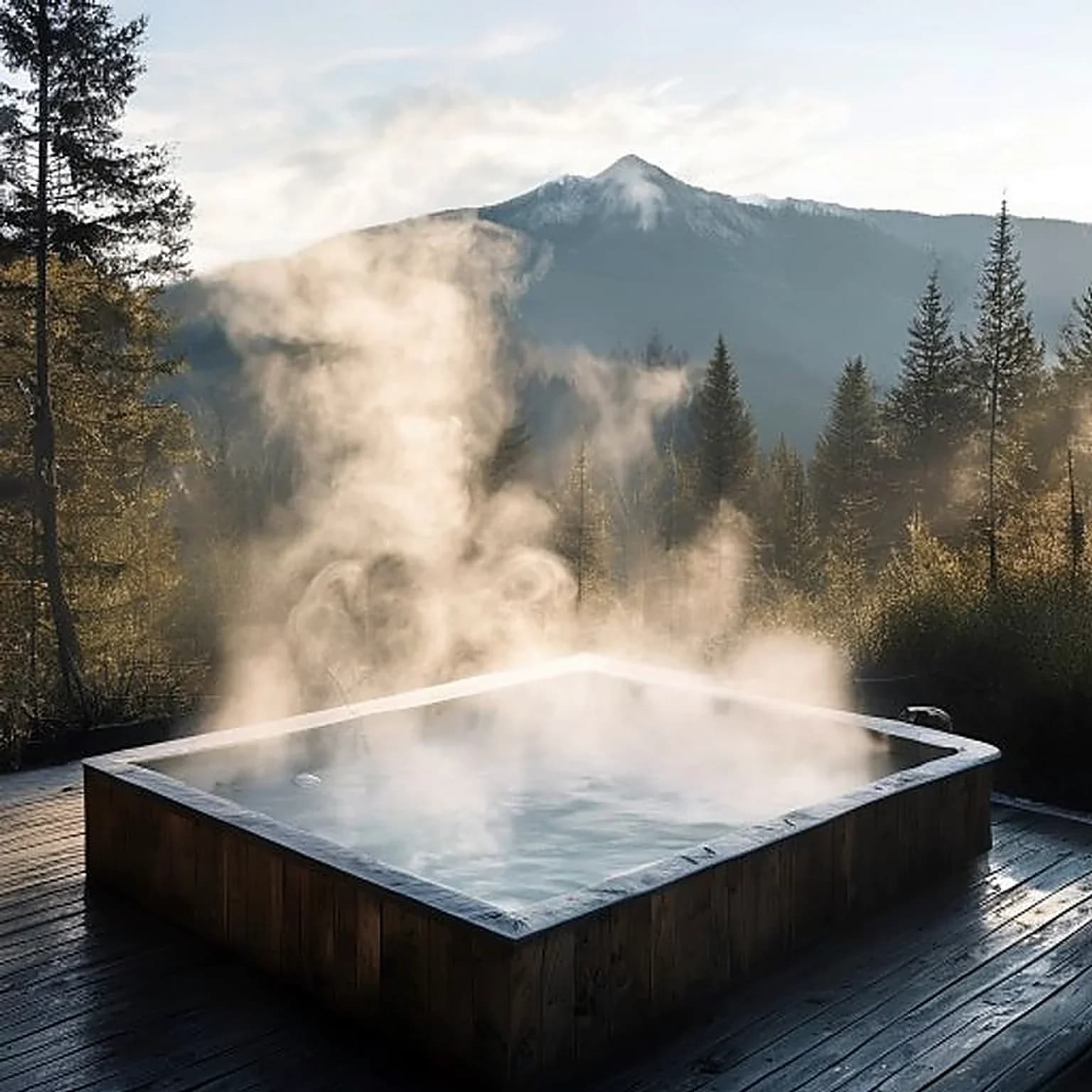
Cold water immersion has gone from fringe practice to a six-figure tub category in three years, and most of what shows up on social media is noise. The research that actually exists points to a narrow target: roughly 11 minutes per week of cold water immersion at 50 to 59 degrees Fahrenheit, broken into 2 to 4 sessions, with timing chosen carefully around your training week. Thirty-second plunges for the camera do not hit the dose. Plunging immediately after heavy resistance training actively works against the muscle you just built. This guide walks through the temperature window the literature supports, the duration math behind 11 minutes per week, when in your week to put each session, what cold-shock physiology you should expect, and the specific scenarios in which you should not plunge at all.
⚕️ Medical Disclaimer
This article is for informational purposes only. Consult a qualified healthcare provider before changing any supplement, training, or dietary routine.What cold water immersion research actually shows
Cold water immersion sits at the intersection of two distinct research traditions: classical hydrotherapy, which has decades of clinical literature on water at varying temperatures, and the more recent sports-science work on post-exercise recovery and metabolic adaptation. A 2014 review of hydrotherapy effects across body systems noted measurable changes in cardiovascular tone, immune cell trafficking, and metabolic rate from short cold-water exposures [Mooventhan & Nivethitha, NAJMS 2014].
What the literature does not support is most of what you see on Instagram. Sub-minute plunges at uncontrolled temperatures are not the dose used in the studies that show benefits. Daily multi-hour immersion is not in the literature either; above a certain weekly volume the curve flattens and adverse events begin to appear in the data. Most of the durable benefits — improved mood resilience, modest brown-fat activation, reduced perceived stress — sit in a relatively small dose-response window. The rest of this guide unpacks exactly where that window is and how to fit it around your training week without sabotaging the adaptations you are actually after.
The temperature window where the benefits live
The single most important variable is water temperature. Below 50 F the cold-shock response intensifies, the risk of involuntary gasp and aspiration climbs, and the dose required for benefits drops sharply but so does your safety margin. Above 60 F you are in cool water, not cold; the autonomic and hormonal responses that drive most of the adaptations are blunted.
The 50-59 F sweet spot
Most of the reproducible work clusters at 50 to 59 F, which is roughly 10 to 15 C. Inside that band you get a brisk sympathetic activation (norepinephrine roughly doubles within the first minute), cutaneous vasoconstriction that shunts blood centrally, and a noticeable but tolerable metabolic load. The lower end of the band requires shorter exposures; the upper end allows longer ones for the same weekly dose.
Below 50 F: diminishing safety returns
Plunges below 50 F deliver more intense responses per unit time, which is why elite athletes sometimes use them under supervision. For a self-managed home protocol, the marginal benefit is rarely worth the drop in margin. The Cleveland Clinic's review of cold water therapy explicitly recommends starting in the warmer end of the band and only descending with experience and tolerance [Cleveland Clinic: Cold Water Therapy].
If you do not have a thermometer in your tub, you do not have a protocol. Buy one. Estimating temperature by feel is the single most common reason home plungers either get no results (water too warm) or scare themselves off (water much colder than they realized).
The 11-minutes-per-week target and the math behind it
The most useful single number in cold water immersion research is roughly 11 minutes of total cold exposure per week, distributed across 2 to 4 sessions. That figure comes from triangulating multiple controlled trials in the 50-59 F band; weekly exposures meaningfully shorter than 11 minutes rarely produce the documented mood, inflammation, or metabolic shifts, while exposures meaningfully longer produce more side-effect reports without proportional benefit gains.
How to break it up
Eleven minutes is not a single session. A reasonable cadence for an intermediate plunger is 3 sessions of 3 to 4 minutes each, scheduled on non-consecutive days. Beginners should start with 4 sessions of 1 to 2 minutes and only add time once a session feels controlled rather than survival-mode. Going above 12 to 15 minutes per week buys you very little and starts to produce the chronic stress signature (poor sleep onset, persistent cold extremities, elevated resting heart rate) that is the opposite of what you want.
Why 30-second TikTok plunges fall short
Adding up four 30-second plunges across a week gets you to 2 minutes of weekly exposure, which is roughly 18 percent of the documented dose. The mood lift you get from a 30-second plunge is real but mostly the acute norepinephrine spike, which fades within the hour. The longer-arc adaptations — improved stress resilience, brown adipose tissue activation, reduced systemic inflammation markers — require accumulated minutes that the short-clip culture does not deliver.
When in your week to plunge: timing matters more than people think

Cold exposure is a recovery and adaptation tool, but the wrong timing turns it into an anti-adaptation tool. The biggest single mistake recreational lifters make is plunging immediately after a heavy resistance session.
The post-resistance trap
Cold water immersion within the first 4 to 6 hours after heavy resistance training measurably blunts hypertrophy signaling. The acute inflammation that drives muscle growth is the same signal cold exposure dampens. If your goal is muscle gain, your post-lift cold plunges are quietly stealing from your training. The clean fix is to put cold exposure on non-lifting days, or at least 6 to 8 hours after a resistance session.
When cold plunges DO help training
After endurance sessions (long runs, long rides, soccer matches) cold immersion appears to help perceived recovery without meaningfully blunting endurance adaptations, because the dominant signal there is metabolic and neuromuscular fatigue rather than the inflammation cascade muscle growth depends on. Cold immersion also pairs cleanly with mornings that are not preceded by heavy training the night before — the alertness and mood lift carry into the day, and the timing is far enough from any lift that hypertrophy signaling is uncompromised. If you must plunge on a lifting day, do it before the lift, not after.
What you actually feel: the cold-shock response
The first 60 seconds of any cold plunge are physiologically the most demanding part of the session, regardless of duration. Understanding what is happening keeps you calm enough to ride it out instead of bailing.
On entry, your skin's cold thermoreceptors fire a high-rate burst into the autonomic nervous system, which produces an involuntary inhalation (the cold-shock gasp), a sharp spike in heart rate of 30 to 50 beats per minute, and a wave of peripheral vasoconstriction that drives blood centrally. Most of the apparent panic in the first 30 seconds is this autonomic surge, not actual physiological danger. By the 60-second mark, most healthy adults settle into a steadier breathing pattern as receptor firing habituates.
Practical countermeasures are simple. Enter slowly enough to keep your face above water for the first 20 seconds. Exhale through pursed lips on entry, then count out long exhales (4-second inhale, 6 to 8-second exhale) for the first minute. If you cannot control your breathing within the first 60 seconds, the water is too cold for your current tolerance and you should exit and warm the tub a few degrees before continuing.
The benefits the literature supports (vs. social media claims)

The strongest evidence for cold immersion sits around mood and perceived stress. Repeated short exposures produce a robust acute lift in subjective vigor and reductions in self-rated stress that persist for several hours after the session, and the effect appears to compound across weeks.
What the evidence actually supports
Plausible benefits with reasonable evidence: reduced subjective stress and improved mood, modest brown adipose tissue activation in untrained individuals (effect diminishes in already lean and trained populations), a small reduction in delayed-onset muscle soreness after endurance sessions, and faster perceived recovery from intense exertion. Hydrotherapy reviews catalog cardiovascular tone, immune trafficking, and metabolic responses across short cold exposures [Mooventhan & Nivethitha, NAJMS 2014].
What the evidence does NOT clearly support
Common claims that the literature does not back: dramatic long-term fat loss from plunging alone, improved testosterone in healthy men (the data is thin and inconsistent), reliable immune system 'boosting' beyond the acute trafficking shifts, or any meaningful effect on resistance-trained hypertrophy when scheduled close to lifting (the effect is negative there, not positive). Treat sweeping promises with skepticism; the durable benefits are real but narrower than the marketing suggests.
When NOT to cold plunge: contraindications and red flags
Cold water immersion is not safe for everyone. Several medical conditions raise the risk of serious adverse events from acute cold exposure, and a few transient situations should also push the session back.
Hard contraindications: uncontrolled hypertension, recent myocardial infarction, unstable arrhythmias, Raynaud's phenomenon affecting hands or feet, untreated cold urticaria, and pregnancy without explicit clinician sign-off. Cold exposure produces sharp blood-pressure spikes through vasoconstriction; in cardiovascularly compromised individuals these spikes are not minor [StatPearls: Hypothermia].
Soft contraindications worth pausing over: a recent viral illness, current alcohol intake, sleep deprivation that left you below 5 hours the night before, or very low body fat (under roughly 8 percent for men, 16 for women) which shortens the safe duration window meaningfully. Workplace guidance on cold stress is also relevant: sustained cold exposure can produce non-freezing cold injuries and exacerbate pre-existing peripheral conditions [CDC NIOSH: Cold-Related Illnesses]. Never plunge alone if you are new, never combine with alcohol or strong sedatives, and always have a warm exit plan ready before you get in.
How to start: a 4-week beginner protocol
If you are new to cold immersion, ramp deliberately rather than chasing the 11-minute target in your first week. The goal of the first month is to build tolerance and confirm you have no surprising reactions, not to maximize dose.
Week 1: Two sessions, 1 minute each, water at 58 to 60 F. Focus entirely on breath control and entering slowly.
Week 2: Three sessions, 1.5 to 2 minutes each, same temperature. You should feel the acute mood lift after each session; if you do not, you are likely getting out before the autonomic settle.
Week 3: Three sessions, 2.5 to 3 minutes each, drop water to 55 to 57 F. Total weekly time is roughly 8 minutes — still below the 11-minute target on purpose, with cooler water doing some of the work.
Week 4: Three to four sessions, 3 to 4 minutes each, water at 52 to 56 F. This puts you at roughly the 11-minute weekly target inside the documented temperature band.
Two non-negotiable rules for the whole month: never plunge alone, and stop the session early any time you cannot control your breathing or you start shivering uncontrollably in the water. Both are signals that this session has passed the point of useful stress and is now actual stress.
✅ Key Takeaway
- The evidence-backed dose for cold water immersion is roughly 11 minutes per week at 50-59 F, split across 2-4 sessions.
- 30-second social-media plunges fall well short of the documented dose; mood lift is real, durable adaptations are not.
- Never plunge within 4-6 hours of a heavy resistance session — cold exposure blunts hypertrophy signaling.
- The first 60 seconds are autonomic noise; control breathing with long exhales and the discomfort settles.
- Hard skip if uncontrolled hypertension, recent heart event, Raynaud's, untreated cold urticaria, or pregnancy without clinician sign-off.
Frequently Asked Questions
How cold should the water be?
The evidence-supported window for cold water immersion sits at 50 to 59 F, which is roughly 10 to 15 C. Below 50 F the cold-shock response intensifies and the safety margin shrinks; above 60 F the autonomic and hormonal responses that drive most of the adaptations are too weak to count as a stimulus. Beginners should start at the warmer end (58-60 F) and only descend after a few weeks of comfortable sessions. If your tub does not have a thermometer, you do not yet have a protocol — buy one before your next plunge.
How long should I stay in?
Aim for roughly 11 minutes of total cold exposure per week, broken into 2 to 4 sessions. A typical intermediate cadence is three sessions of 3 to 4 minutes each, on non-consecutive days. Beginners should start with 1-minute exposures and add time only as breath control becomes easy. Single sessions longer than 5 minutes deliver diminishing returns and increase the chance of post-session shivering and disrupted sleep. Going above 12 to 15 minutes total per week tends to produce chronic-stress signs without adding benefit.
When should I avoid cold plunge?
Skip cold immersion entirely if you have uncontrolled hypertension, a recent heart attack, unstable arrhythmias, Raynaud's phenomenon, untreated cold urticaria, or are pregnant without clinician sign-off. Push a session back if you slept fewer than 5 hours, are fighting a viral illness, drank alcohol within the past few hours, or are taking sedatives. Never plunge alone in your first month, and never combine cold immersion with alcohol or strong sleep aids. Have a warm towel and warm room set up before you get in, not while you are getting out shivering.
Does cold plunge after lifting hurt gains?
Yes, when scheduled within roughly 4 to 6 hours of a heavy resistance session it measurably blunts hypertrophy signaling. The post-lift inflammation cold exposure dampens is the same signal that drives muscle growth. If your goal is muscle gain, schedule cold immersion on non-lifting days or at least 6 to 8 hours away from your last lift. Cold exposure before a lift, or after pure endurance work like long runs, does not produce the same blunting effect, because the dominant fatigue signal there is metabolic and neuromuscular rather than inflammatory.
Can I cold plunge every day?
You can, but you do not need to, and many people who try end up with elevated resting heart rate, persistent cold extremities, and harder-to-fall-asleep nights — all signs of accumulated stress. A clean schedule for most adults is 3 to 4 sessions per week of 3 to 4 minutes each, totaling roughly 11 minutes. If you genuinely enjoy daily cold exposure, keep individual sessions short (under 2 minutes) and watch for the chronic-stress signs above. Daily long plunges chase a benefit curve that has already flattened and risk pushing you into the territory the research does not actually support.
Related Reading
- Zone 2 Cardio: The Forgotten Training Zone That Builds Mitochondria
- Sleep Architecture: How Deep Sleep and REM Compete for Your Night
References
Rate this article
Click on a star to rate this article
Keep Reading
Sauna Protocol: 4 Times a Week Cuts Mortality 40%
Sauna protocol: The Finnish sauna study (KIHD): 4-7 sessions per week cut all-cause mortality 40%. Exact protocol, why infrared doesn't replicate it, real
Read article →
holistic wellnessHow to Reduce Cortisol Levels Naturally: Science-Based Strategies
Evidence-based strategies to naturally lower cortisol levels including sleep optimization, stress management, exercise, and nutrition for improved wellness.
Read article →
holistic wellnessAshwagandha: Benefits, Dosage, Side Effects and What Research Shows
Evidence-based guide to ashwagandha supplementation including mechanisms, research-backed benefits, optimal dosing, and potential side effects to monitor.
Read article →

Vitality & Strength Editorial Team
Independent research synthesists — not licensed clinicians
Independent health writers and research synthesists. We are not doctors or registered dietitians; every claim we publish is sourced and linked to primary research, and we take no affiliate or industry money.