7 Superfoods That Boost Your Immune System Naturally
Discover the top immune-boosting superfoods backed by science. From blueberries to turmeric, learn how these nutrient-rich foods strengthen your body's natural defenses and keep you healthy year-round.
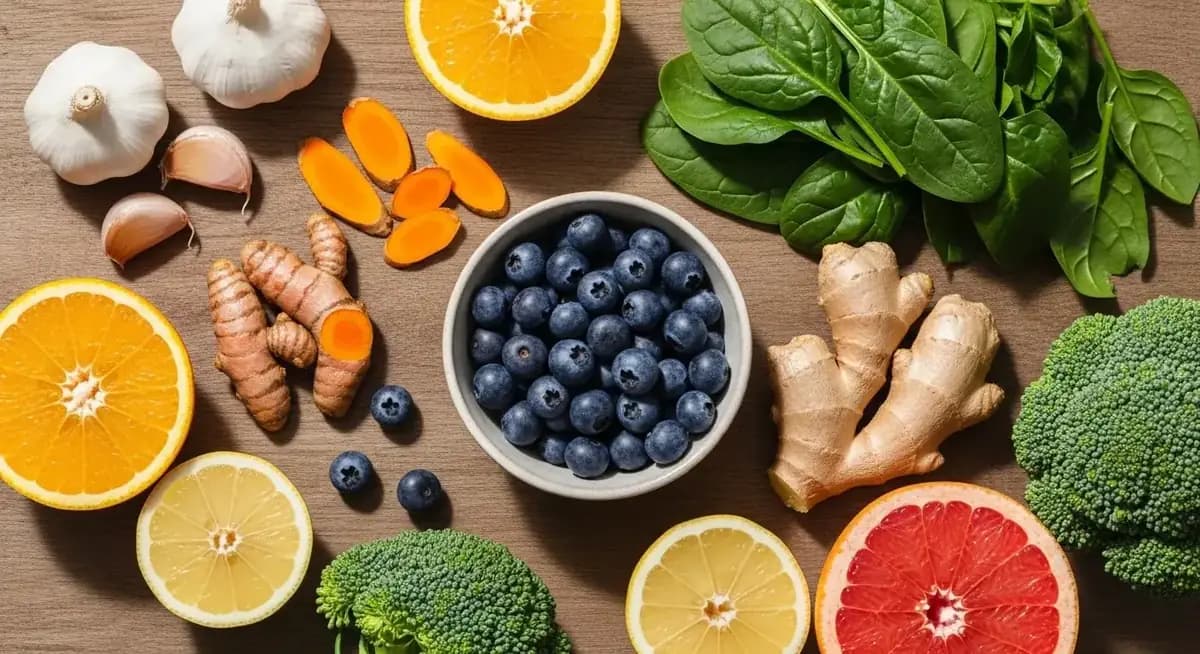
Your immune system is your body's first line of defense against illness. While no single food can prevent disease, research consistently shows that a nutrient-rich diet plays a critical role in supporting immune function. Here are seven science-backed superfoods that can help strengthen your natural defenses.
1. Blueberries
Blueberries are packed with anthocyanins — powerful antioxidants that give them their deep blue color. A study published in Advances in Nutrition found that flavonoids like anthocyanins play an essential role in the respiratory tract's immune defense system.
Just one cup of blueberries provides 24% of your daily vitamin C needs along with manganese and fiber. Add them to smoothies, oatmeal, or enjoy them as a snack.
✅ Key Takeaway
2. Turmeric
Curcumin, the active compound in turmeric, has been used in Ayurvedic medicine for centuries. Modern research from the Journal of Clinical Immunology confirms its powerful anti-inflammatory and immunomodulatory properties.
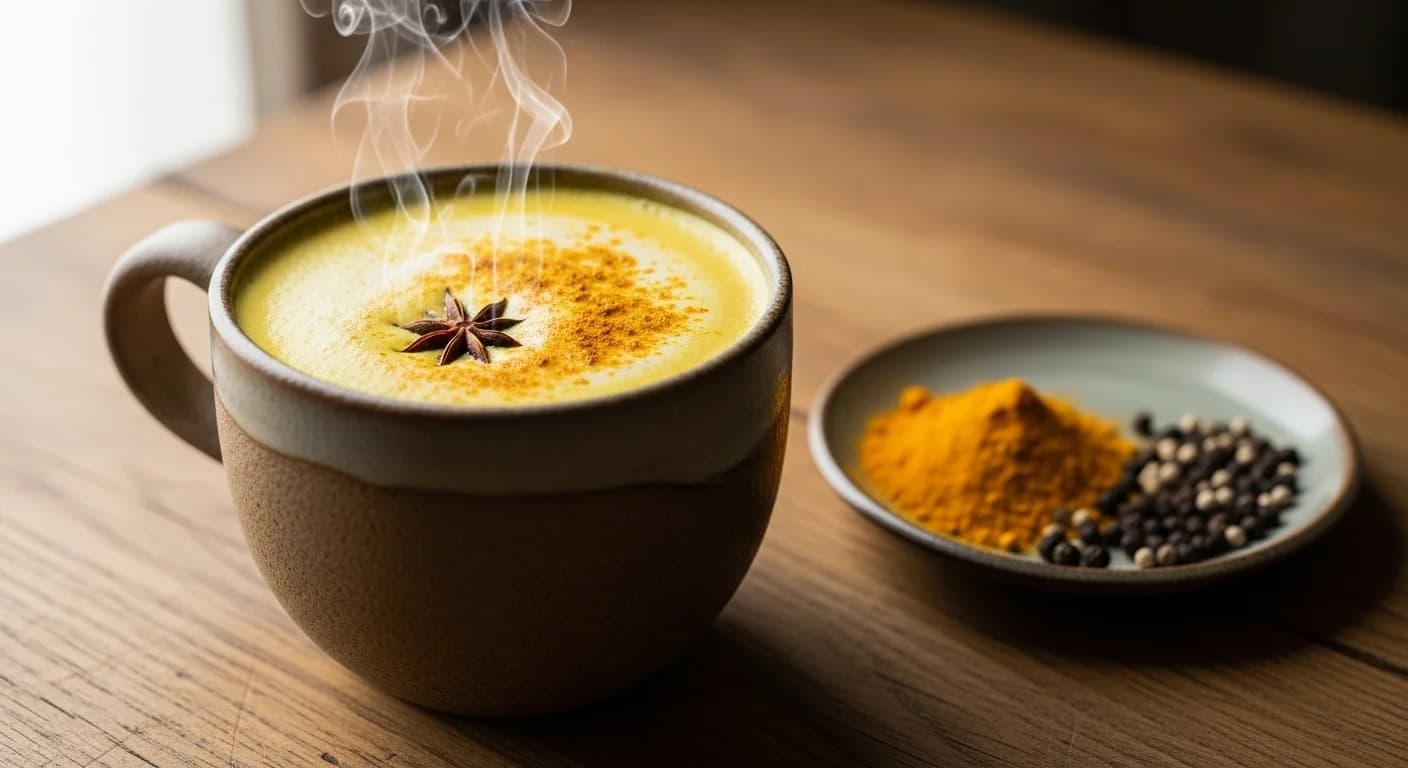
Curcumin enhances antibody responses and can modulate the activation of T cells, B cells, and natural killer cells. Pair turmeric with black pepper to increase curcumin absorption by up to 2,000%.
3. Spinach
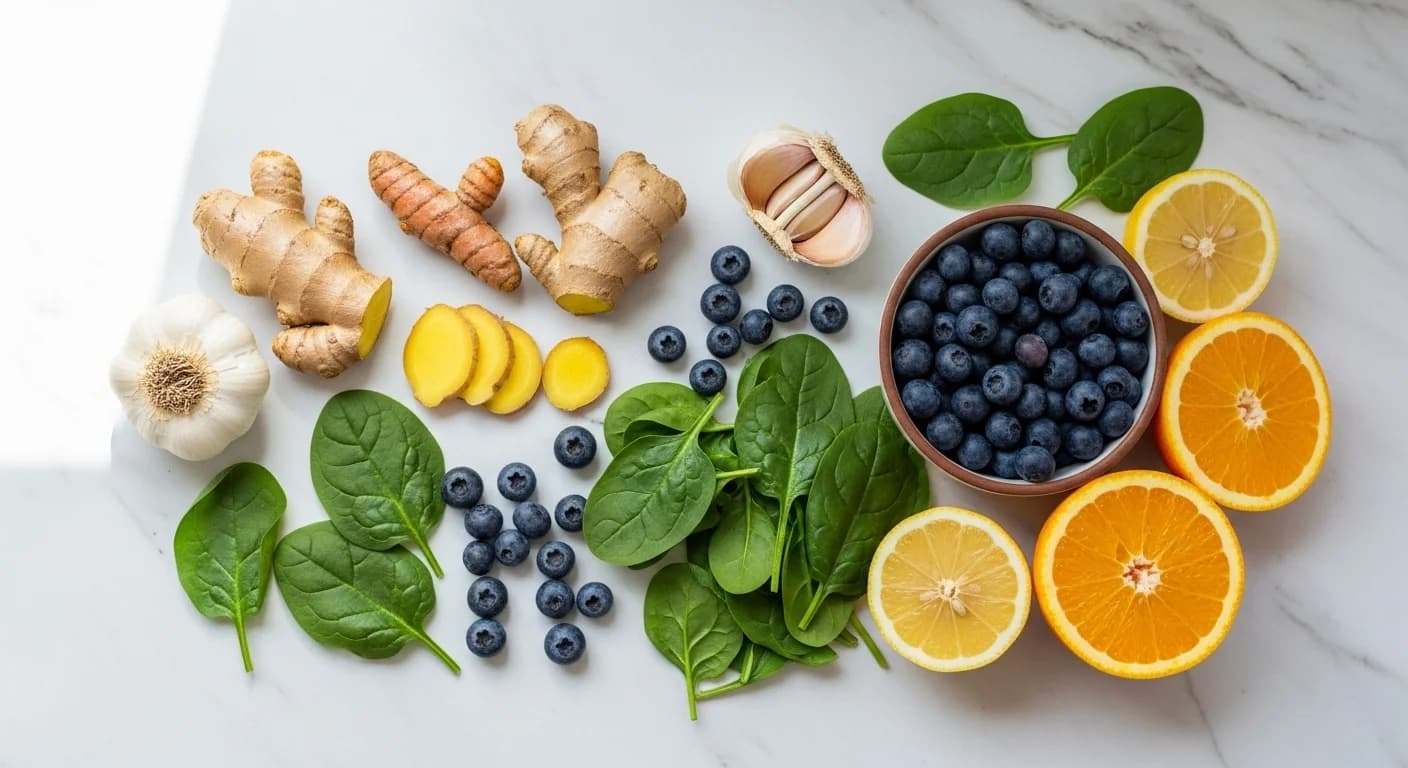
Spinach is rich in vitamin C, beta-carotene, and numerous antioxidants. It also contains folate, which helps your body produce new cells and repair DNA — both critical for immune function.
Research from the British Journal of Nutrition shows that the flavonoids in spinach may help prevent the common cold in otherwise healthy people. Light cooking enhances its vitamin A content while retaining most nutrients.
4. Citrus Fruits
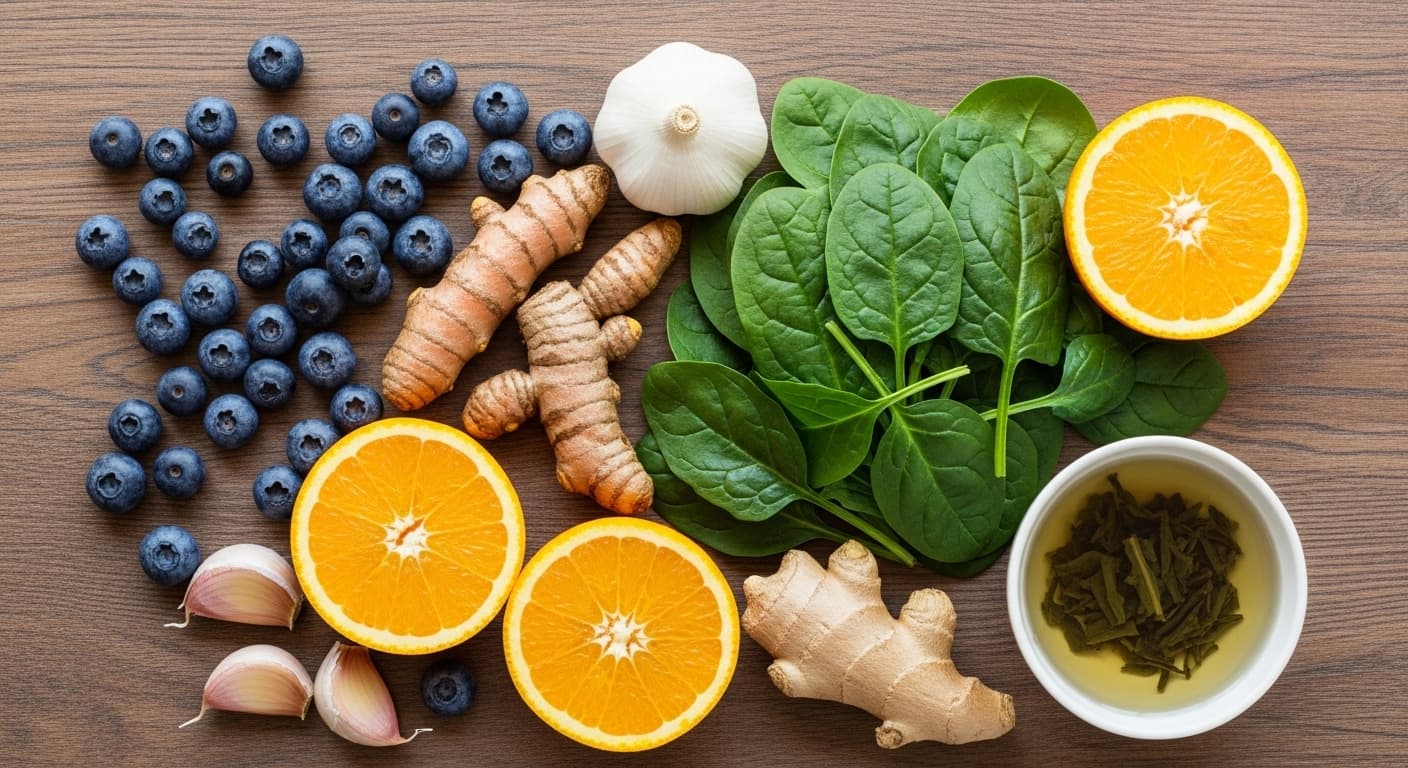
Oranges, grapefruits, lemons, and limes are well-known for their vitamin C content. Vitamin C increases the production of white blood cells, which are key to fighting infections.
[According to the National Institutes of Health, adults need 65-90 mg of vitamin C daily, easily achieved with one medium orange (70 mg).]Your body doesn't produce or store vitamin C, so daily intake through food is essential for continued immune support.
5. Garlic
Garlic's immune-boosting properties come from allicin, a sulfur-containing compound released when garlic is crushed or chopped. A study in the Journal of Immunology Research found that garlic stimulates various immune cells including macrophages, lymphocytes, and natural killer cells.
For maximum benefit, crush garlic and let it sit for 10 minutes before cooking — this allows allicin to fully form. Eating 2-3 cloves daily provides optimal immune support.

6. Ginger
Ginger contains gingerol, a bioactive compound with powerful anti-inflammatory and antioxidant effects. Research published in the International Journal of Preventive Medicine shows ginger can help reduce chronic inflammation and may support immune responses.
Fresh ginger can be grated into stir-fries, steeped in hot water for tea, or blended into smoothies. It also helps with nausea and digestive issues.
✅ Key Takeaway
7. Yogurt
Probiotic-rich yogurt supports the gut microbiome, where approximately 70% of your immune system resides. Look for yogurts with "live and active cultures" on the label. Greek yogurt is particularly beneficial due to its higher protein content.
A meta-analysis in the British Journal of Nutrition found that probiotic supplementation significantly reduced the incidence and duration of respiratory infections.
⚕️ Medical Disclaimer
Choose plain, unsweetened yogurt and add your own fruit. Flavored varieties often contain excessive added sugars that can actually suppress immune function.How to Incorporate These Superfoods Daily
Building an immune-supportive diet doesn't require dramatic changes. Start with small additions to your existing meals. A morning smoothie with blueberries, spinach, and ginger covers three superfoods in one meal. Season your lunch and dinner with turmeric and garlic, and include citrus fruits and yogurt as snacks.
Consistency matters more than quantity. Your immune system benefits most from regular, moderate intake of these nutrient-dense foods rather than occasional large doses.
Frequently Asked Questions
Can superfoods replace supplements for immune support?
How quickly do superfoods improve immunity?
Are frozen superfoods as nutritious as fresh ones?
References
- Somerville VS, et al. "Effect of Flavonoids on Upper Respiratory Tract Infections and Immune Function: A Systematic Review and Meta-Analysis." Advances in nutrition (Bethesda, Md.), 2016.
- Hewlings, S. J., & Kalman, D. S. "Curcumin: A Review of Its Effects on Human Health." Foods, vol. 6, no. 10, 2017, p. 92.
- National Institutes of Health. "Vitamin C: Fact Sheet for Health Professionals." Office of Dietary Supplements.
- Nantz MP, et al. "Supplementation with aged garlic extract improves both NK and γδ-T cell function and reduces the severity of cold and flu symptoms: a randomized, double-blind, placebo-controlled nutrition intervention." Clinical nutrition (Edinburgh, Scotland), 2012.
- Mashhadi NS, et al. "Anti-oxidative and anti-inflammatory effects of ginger in health and physical activity: review of current evidence." International journal of preventive medicine, 2013.
Rate this article
Click on a star to rate this article
Keep Reading
Anti-Inflammatory Diet: 7 Foods That Lower CRP
Build an anti-inflammatory diet around seven foods with documented effects on NF-kB, COX-2, and CRP, plus the everyday amounts that matter.
Read article →
nutritionProtein Timing: Why Total Daily Intake Wins
Protein timing matters far less than your daily total. See what the research says about the anabolic window and how much protein per meal.
Read article →
nutritionFiber Math: How 30g a Day Reshapes Your Gut
30g of fiber a day: 30g of fiber per day shifts your microbiome and lowers cardiovascular risk. What 30g looks like on a plate, why total volume beats the
Read article →

Vitality & Strength Editorial Team
Independent research synthesists — not licensed clinicians
Independent health writers and research synthesists. We are not doctors or registered dietitians; every claim we publish is sourced and linked to primary research, and we take no affiliate or industry money.