The Gut-Brain Connection: How Your Diet Affects Mental Health and Mood
Explore the science of the gut-brain axis, how microbiota influences mental health, and dietary strategies to support mood, anxiety, and cognitive function.

Introduction
Your gut and brain are so intimately connected that scientists refer to your gastrointestinal tract as your "second brain." This isn't poetic metaphor—it's neurobiology. Your gut contains approximately 500 million nerve endings, produces the same neurotransmitters your brain uses, and communicates with your brain through the vagus nerve, immune signals, and microbial metabolites.
What you eat directly affects this gut-brain axis, influencing mood, anxiety, cognitive function, and mental health [the microbiome helps regulate the stress and gut-brain axis]. Depression and anxiety involve not just brain chemistry imbalances but also gut dysbiosis (microbial imbalance), inflammation, nutrient deficiencies, and impaired intestinal barrier function. Meanwhile, the food you eat determines your microbiota composition, inflammation levels, and nutritional status.
This guide explores the gut-brain connection science and practical dietary strategies to optimize mental health.
The Gut Microbiota and Mood
Your gut is colonized by trillions of bacteria—your microbiota. These organisms are far from passive residents; they're essential collaborators in health. Your microbiota:
Produce Neurotransmitters
Approximately 95% of your body's serotonin is produced in your gut, not your brain. Gut bacteria directly synthesize serotonin, GABA, and other neurotransmitters affecting mood and anxiety. An imbalanced microbiota produces fewer mood-regulating neurotransmitters.
Depressed individuals often have a different microbiota composition than non-depressed controls [altered fecal microbiota in major depression], and [gut-brain axis research] links the microbiome to anxiety and depression. Animal transplant studies suggest the microbiota can causally shape mood, though that evidence is clearest in animals rather than humans.
Regulate Inflammation
Your microbiota plays a critical role in controlling systemic inflammation. Dysbiotic microbiota increases intestinal permeability ("leaky gut"), allowing bacterial lipopolysaccharides (LPS) to enter the bloodstream and trigger inflammation. This chronic inflammation correlates with depression, anxiety, and cognitive decline.
Healthy, diverse microbiota produces short-chain fatty acids (butyrate particularly), which:
- Support intestinal barrier integrity
- Reduce inflammation
- Support brain health
- Improve mood
Modulate Immune Function
Approximately 80% of your immune system resides in your gut. Your microbiota trains your immune system to distinguish beneficial from harmful threats. An imbalanced microbiota leads to immune dysregulation: inappropriate inflammatory responses, autoimmunity, or immunosuppression.
Support Nutrient Absorption
Your microbiota synthesizes certain B vitamins and vitamin K, supporting mood and neurological function. They also facilitate absorption of dietary minerals. A dysbiotic microbiota produces fewer essential nutrients.
Evidence: Diet, Mood, and Mental Health
The Mediterranean Diet and Mental Health
The most robust evidence supports the Mediterranean diet—high in vegetables, fruits, whole grains, legumes, nuts, olive oil, and fish—for mental health.
Healthier, Mediterranean-style dietary patterns are consistently linked to lower depression risk [a meta-analysis of dietary indices and depressive outcomes], and a landmark randomized trial—the SMILES trial—found that a dietary-improvement program meaningfully reduced depression symptoms [the SMILES randomized controlled trial]. The benefit appears largely independent of weight loss, suggesting direct dietary effects.
Research mechanisms show the Mediterranean diet:
- Reduces inflammatory markers
- Supports beneficial microbiota
- Provides ample antioxidants and micronutrients
- Supports omega-3 to omega-6 ratio
Western Diet and Mental Health
Conversely, Western diets—high in ultra-processed foods, refined carbohydrates, and low in vegetables—are associated with higher depression and anxiety rates.
The mechanism: Western diets:
- Promote dysbiotic microbiota
- Increase intestinal inflammation and permeability
- Provide inadequate micronutrients despite adequate calories
- Create blood sugar instability, affecting mood
Higher intake of ultra-processed, Western-pattern foods is associated with greater depression and anxiety risk [dietary-quality indices and depressive outcomes].
Omega-3 Fatty Acids and Mood
Omega-3 polyunsaturated fatty acids (EPA and DHA from fish, flax, and algae) reduce inflammation and support brain structure and function.
Some meta-analyses suggest omega-3 fatty acids (especially EPA) may modestly help depressive symptoms as a complementary measure, though the evidence is mixed.
Mechanism: Omega-3s are incorporated into neuronal membranes, supporting synaptic function and reducing neuroinflammation.
Micronutrients and Mental Health
Multiple micronutrients support mental health:
Folate and B vitamins: Support neurotransmitter synthesis. Deficiency is associated with depression and cognitive decline.
Magnesium: Supports over 300 enzymatic reactions including neurotransmitter synthesis. Deficiency causes anxiety and poor sleep.
Zinc: Essential for immune function and dopamine production. Deficiency impairs mood and immunity.
Vitamin D: Immunomodulatory and potentially antidepressant. Deficiency correlates with depression and seasonal affective disorder.
Research shows that micronutrient-rich diets support better mental health, while nutrient-poor diets (despite adequate calories) increase depression and anxiety risk.
Refined Carbohydrates and Blood Sugar
Refined carbohydrates cause rapid blood sugar elevation, triggering insulin response and blood sugar crashes. These fluctuations promote dysbiosis, inflammatory responses, and anxiety.
Diets high in refined carbohydrates and added sugar are associated with greater anxiety risk and mood instability, while complex, fiber-rich carbohydrates support steadier blood sugar and mood.
The Gut-Brain Axis: Mechanisms
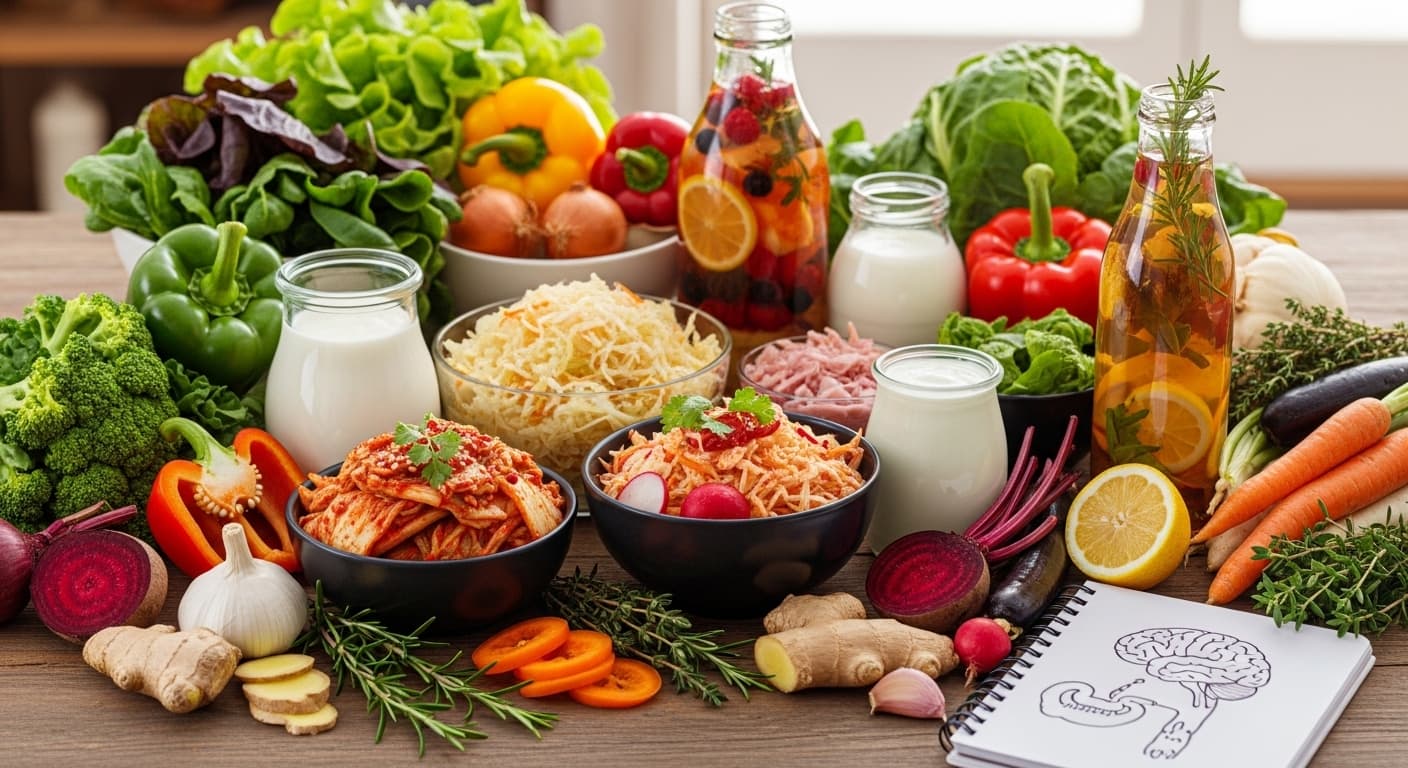
The Vagus Nerve
The vagus nerve is the primary communication highway between your gut and brain. Signals travel bidirectionally:
- Gut bacteria influence vagal signals
- These signals reach the brain, affecting mood and cognition
- Brain signals influence gut motility, secretions, and immune responses
The vagus nerve can be "trained" through specific practices (see vagal tone section below).
Bacterial Metabolites
Your microbiota ferments dietary fiber into short-chain fatty acids (butyrate, acetate, propionate). These metabolites:
- Cross the blood-brain barrier
- Support myelin production (neuronal insulation)
- Promote neural plasticity
- Reduce neuroinflammation
A fiber-rich diet produces abundant short-chain fatty acids; a low-fiber diet produces minimal amounts, missing these benefits.
Intestinal Barrier Integrity
Healthy gut lining selectively absorbs nutrients while preventing pathogenic substances from entering circulation. Dysbiotic microbiota and processed foods damage this barrier integrity ("leaky gut"), allowing LPS and other inflammatory substances into the bloodstream.
This chronic immune activation promotes neuroinflammation, contributing to depression, anxiety, and cognitive decline.
Specific dietary components (fiber, polyphenols, omega-3s) strengthen intestinal barrier function.
Dietary Strategies for Gut-Brain Health
Emphasize Whole Plant Foods
Vegetables, fruits, legumes, and whole grains are the foundation:
Benefits:
- High fiber content supports beneficial microbiota
- Rich in micronutrients (folate, magnesium, zinc)
- Rich in polyphenols (antioxidants supporting brain health)
- Support stable blood sugar
Target: 30+ different plant foods weekly (diverse diet supports diverse, healthy microbiota)
Practical approach:
- Make vegetables 50% of your plate
- Include a legume with meals (beans, lentils, chickpeas)
- Choose whole grains (brown rice, oats, quinoa)
- Eat the rainbow—different colored produce provides different beneficial compounds
Include Fermented Foods
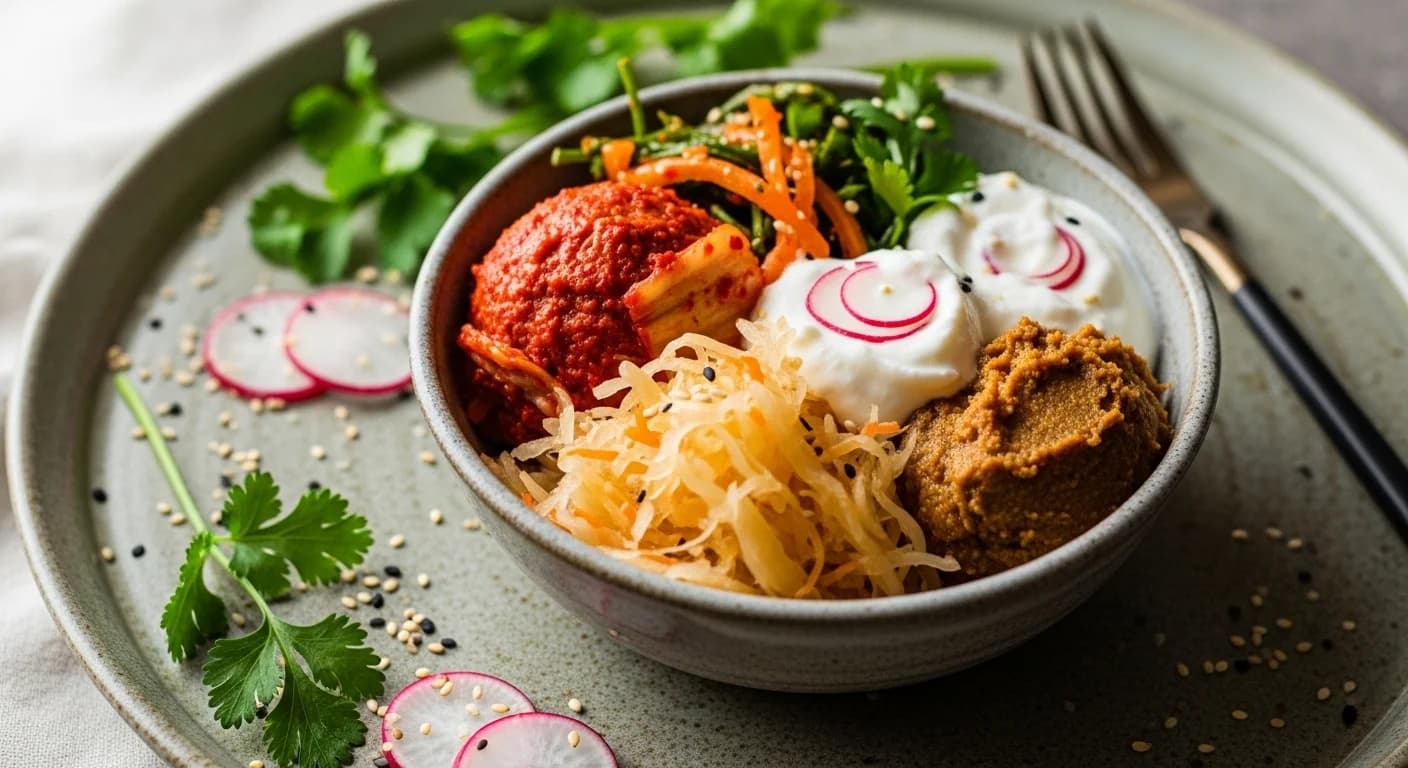
Fermented foods provide probiotics and support beneficial microbiota; in one randomized trial, a [probiotic formulation reduced psychological distress]:
Options:
- Yogurt with live cultures
- Sauerkraut
- Kimchi
- Miso
- Tempeh
- Kombucha
Recommendation: Include one fermented food daily if tolerated
Prioritize Omega-3 Fatty Acids
Fish sources: Salmon, sardines, mackerel, anchovies (contain EPA and DHA)
Plant sources: Flaxseeds, chia seeds, walnuts, algae-based supplements (contain ALA, which converts to EPA/DHA with variable efficiency)
Recommendation: Fish 2-3x weekly, or supplement if needed
Support Micronutrient Status
Ensure adequate:
- B vitamins: Leafy greens, legumes, whole grains, eggs
- Magnesium: Nuts, seeds, leafy greens, legumes
- Zinc: Legumes, nuts, seeds, fish, meat
- Vitamin D: Fatty fish, egg yolks, sunlight exposure, or supplements
Most multivitamins won't hurt and can fill gaps, but food sources are preferable.
Minimize Dysbiosis-Promoting Foods
While "eliminate completely" is impractical, minimize:
Ultra-processed foods: Contain additives, emulsifiers, and artificial sweeteners that dysbiotic the microbiota
Refined carbohydrates: White bread, pastries, sweetened cereals—destabilize blood sugar
Excessive sugar: Feeds pathogenic bacteria and depletes beneficial ones
Highly processed vegetable oils: Promote inflammation (though modest amounts aren't harmful)
Excessive alcohol: Dysbiotic the microbiota and impairs barrier integrity
This doesn't mean never eating these foods—rather, making them exceptions rather than dietary staples.
Limit Antimicrobial Exposure
Antibiotics kill helpful microbiota. Use them when medically necessary, but avoid unnecessary antibiotic use. Additionally:
- Excessive hand sanitizer eliminates microbiota
- Pesticides on non-organic produce may affect microbiota (though evidence is limited)
- Consider a cleanliness-hygiene balance (clean hands, but not obsessive sterilization)
Practical Implementation: A Sample Day
Breakfast: Oatmeal with berries, walnuts, and cinnamon; Greek yogurt on the side
Snack: Apple with almond butter
Lunch: Spinach salad with chickpeas, olive oil dressing, whole grain bread
Afternoon snack: Carrots and hummus
Dinner: Grilled salmon, brown rice, roasted broccoli, olive oil
Beverage: Water, herbal tea, occasional fermented beverage
This sample day includes:
- Diverse vegetables (spinach, broccoli, carrots)
- Whole grains (oats, whole grain bread, brown rice)
- Legumes (chickpeas, hummus)
- Omega-3s (walnuts, salmon)
- Fermented foods (Greek yogurt)
- Micronutrients (nuts, seeds, vegetables)
- Fiber (vegetables, whole grains, legumes, fruits)
Vagal Tone: Direct Gut-Brain Communication
Beyond diet, specific practices enhance vagal tone—improving gut-brain communication:
Deep breathing: Activates vagus nerve parasympathetic effects; 5-10 minutes daily
Cold exposure: Activates vagus nerve; even cold water on face stimulates it
Singing or gargling: Vagus nerve controls vocal cords; singing activates it
Meditation: Enhances parasympathetic activation
Exercise: Supports overall nervous system health
These complement dietary changes for enhanced mental health benefits.

Timeline for Dietary Changes
Mental health improvements from diet are typically gradual:
Weeks 1-2: Possible energy changes, digestive adjustments
Weeks 2-4: Possible mood stabilization, sleep improvements
Weeks 4-8: More noticeable mood improvements, reduced anxiety
Weeks 8+: Full effects of dietary changes emerging
Patience is necessary; don't expect immediate dramatic transformation. However, the combined effects of improved nutrition, microbiota balance, reduced inflammation, and blood sugar stability are substantial.

⚕️ Medical Disclaimer
This article is for educational purposes only. Diet supports mental health but does not replace professional mental health treatment. If you have depression, anxiety, or other mental health conditions, continue working with qualified mental health professionals. Consult a healthcare provider or registered dietitian before making significant dietary changes, especially if you have gastrointestinal disorders or take medications affected by diet.Can changing my diet actually improve depression or anxiety? Diet can meaningfully support mental health but isn't a complete treatment. Research shows that anti-inflammatory, nutrient-rich diets correlate with better mood and lower anxiety—but diet works best combined with other treatments (therapy, exercise, sleep). If you have clinical depression or anxiety, continue professional treatment while optimizing diet as a complementary approach; see also our guide to managing anxiety without medication.
What are probiotics and do I need them? Probiotics are live beneficial bacteria. While research suggests potential benefits, evidence remains mixed about supplemental probiotics versus dietary sources. Fermented foods (yogurt, sauerkraut, kimchi) provide probiotics naturally. Rather than focusing solely on supplements, emphasize prebiotics (fiber from vegetables, whole grains) which feed beneficial bacteria you already have—see our guide to probiotics vs prebiotics.
How quickly will dietary changes affect mood? Diet's effects on mood are typically gradual. Some people notice improvements within 2-3 weeks; others require 4-8 weeks of consistent dietary changes to detect mood improvements. Dramatic, immediate mood shifts from diet alone are unlikely. Combine dietary changes with sleep, exercise, and stress management for best results.
References
- Jacka FN, et al. A randomised controlled trial of dietary improvement for adults with major depression (the SMILES trial). BMC Med, 2017.
- Lassale C, et al. Healthy dietary indices and risk of depressive outcomes: a systematic review and meta-analysis. Mol Psychiatry, 2019.
- Messaoudi M, et al. Assessment of psychotropic-like properties of a probiotic formulation in rats and humans. Br J Nutr, 2011.
- Foster JA, et al. Stress & the gut-brain axis: regulation by the microbiome. Neurobiol Stress, 2017.
- Clapp M, et al. Gut microbiota's effect on mental health: the gut-brain axis. Clin Pract, 2017.
- Jiang H, et al. Altered fecal microbiota composition in patients with major depressive disorder. Brain Behav Immun, 2015.
Rate this article
Click on a star to rate this article
Keep Reading
Sauna Protocol: 4 Times a Week Cuts Mortality 40%
Sauna protocol: The Finnish sauna study (KIHD): 4-7 sessions per week cut all-cause mortality 40%. Exact protocol, why infrared doesn't replicate it, real
Read article →
holistic wellnessCold Water Immersion Protocol: Time and Temperature
The cold water immersion protocol the research actually supports: around 11 minutes per week at 50-59 F. Time, temperature, timing, and contraindications,
Read article →
holistic wellnessHow to Reduce Cortisol Levels Naturally: Science-Based Strategies
Evidence-based strategies to naturally lower cortisol levels including sleep optimization, stress management, exercise, and nutrition for improved wellness.
Read article →

Vitality & Strength Editorial Team
Independent research synthesists — not licensed clinicians
Independent health writers and research synthesists. We are not doctors or registered dietitians; every claim we publish is sourced and linked to primary research, and we take no affiliate or industry money.