Anti-Inflammatory Foods to Reduce Chronic Pain
Discover powerful anti-inflammatory foods that naturally reduce chronic pain. Learn which nutrients combat inflammation and improve quality of life.
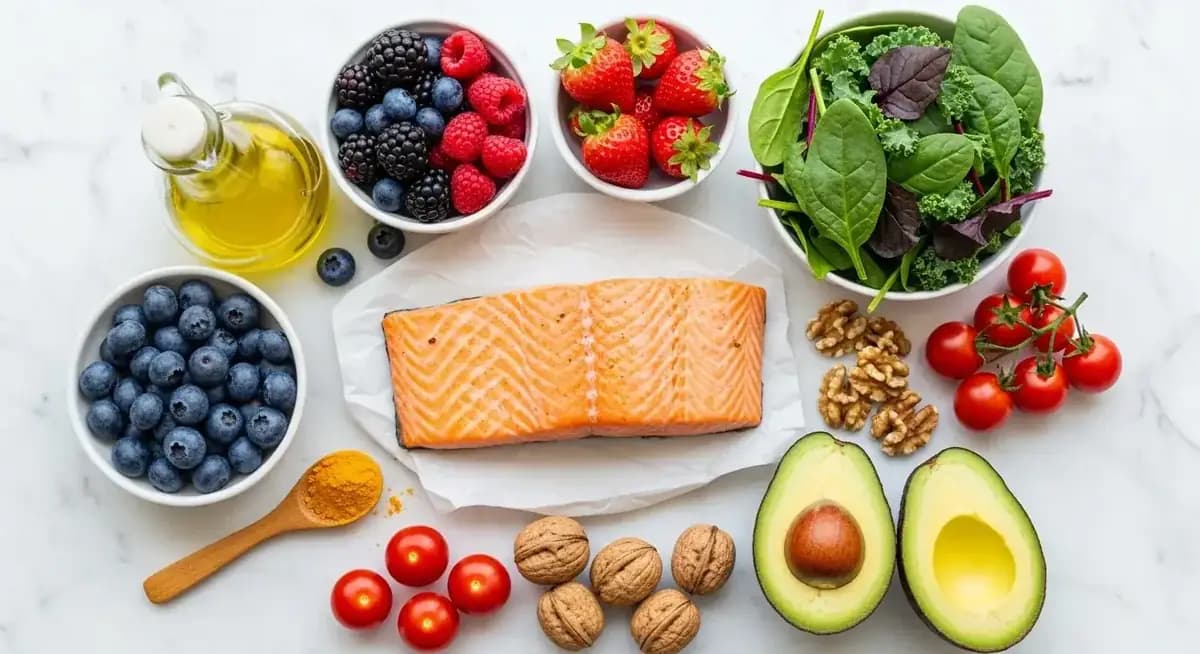
Chronic pain affects millions worldwide, significantly impacting quality of life and daily functioning. While numerous treatment approaches exist, mounting research demonstrates that dietary choices substantially influence inflammation levels and pain perception. Understanding which foods combat inflammation and which promote it provides a powerful tool for managing chronic pain naturally and effectively.
Understanding Inflammation and Chronic Pain
Inflammation represents the body's natural response to injury and infection, triggering immune responses to protect tissues. However, chronic inflammation—lasting weeks, months, or years—becomes problematic. This prolonged inflammatory state contributes to pain, tissue damage, and progressive functional decline.
Chronic pain conditions including arthritis, fibromyalgia, back pain, and autoimmune diseases share inflammation as a common underlying factor. While various causes trigger this persistent inflammation, dietary choices significantly influence systemic inflammation levels throughout the body.
Research published in clinical nutrition journals consistently demonstrates that anti-inflammatory dietary patterns reduce inflammatory markers (like C-reactive protein), decrease pain intensity, and improve functional ability in people with chronic pain conditions.
Key Anti-Inflammatory Nutrients
Omega-3 Fatty Acids
Omega-3 fatty acids produce compounds that resolve inflammation rather than perpetuate it. These essential fats are particularly effective for reducing joint pain and inflammatory pain conditions.
Omega-3 rich sources:
- Fatty fish (salmon, mackerel, sardines, anchovies)
- Walnuts
- Flax seeds
- Chia seeds
- Hemp seeds
- Algae supplements (for vegetarians)
Aim for 2-3 servings of fatty fish weekly or plant-based omega-3 sources daily. The ratio of omega-6 to omega-3 matters—excessive omega-6 from processed foods promotes inflammation despite these fats being essential.
Polyphenols and Antioxidants
These plant compounds neutralize free radicals driving inflammation and provide protective effects. Different colored plant foods contain different beneficial compounds, making dietary variety important.
Richest polyphenol sources:
- Berries (blueberries, strawberries, blackberries)
- Grapes (red and purple)
- Dark chocolate (70% cocoa+)
- Green and white tea
- Extra virgin olive oil
- Red wine (moderate amounts)
Curcumin
Curcumin, the active compound in turmeric, rivals many anti-inflammatory medications in research studies. It works through multiple mechanisms to reduce inflammation without side effects associated with pharmaceutical options.
Optimizing curcumin absorption:
- Combine turmeric with black pepper (piperine enhances absorption 2000%)
- Consume with healthy fats (curcumin is fat-soluble)
- Use freshly ground turmeric in meals
- Consume 500mg-1g daily (food amounts or supplements)
Ginger
Ginger root contains gingerol compounds with anti-inflammatory properties. Studies show ginger consumption reduces pain and improves function in people with arthritis.
Using ginger effectively:
- Fresh ginger root in cooking and teas
- Ginger tea 2-3 times daily
- 1-2 teaspoons fresh ginger daily provides anti-inflammatory effects
- Steep fresh ginger 10 minutes to activate compounds
Vitamin D
Deficiency in this nutrient correlates with increased pain and inflammation. Vitamin D modulates immune function and reduces inflammatory markers.
Vitamin D sources:
- Fatty fish (salmon, mackerel, sardines)
- Egg yolks
- Fortified dairy
- Mushrooms exposed to sunlight
- Sunlight exposure (15-30 minutes daily)
- Supplements (when dietary intake insufficient)
Most people benefit from ensuring adequate vitamin D intake, particularly during winter months or in northern climates.
Top Anti-Inflammatory Foods
Fatty Fish
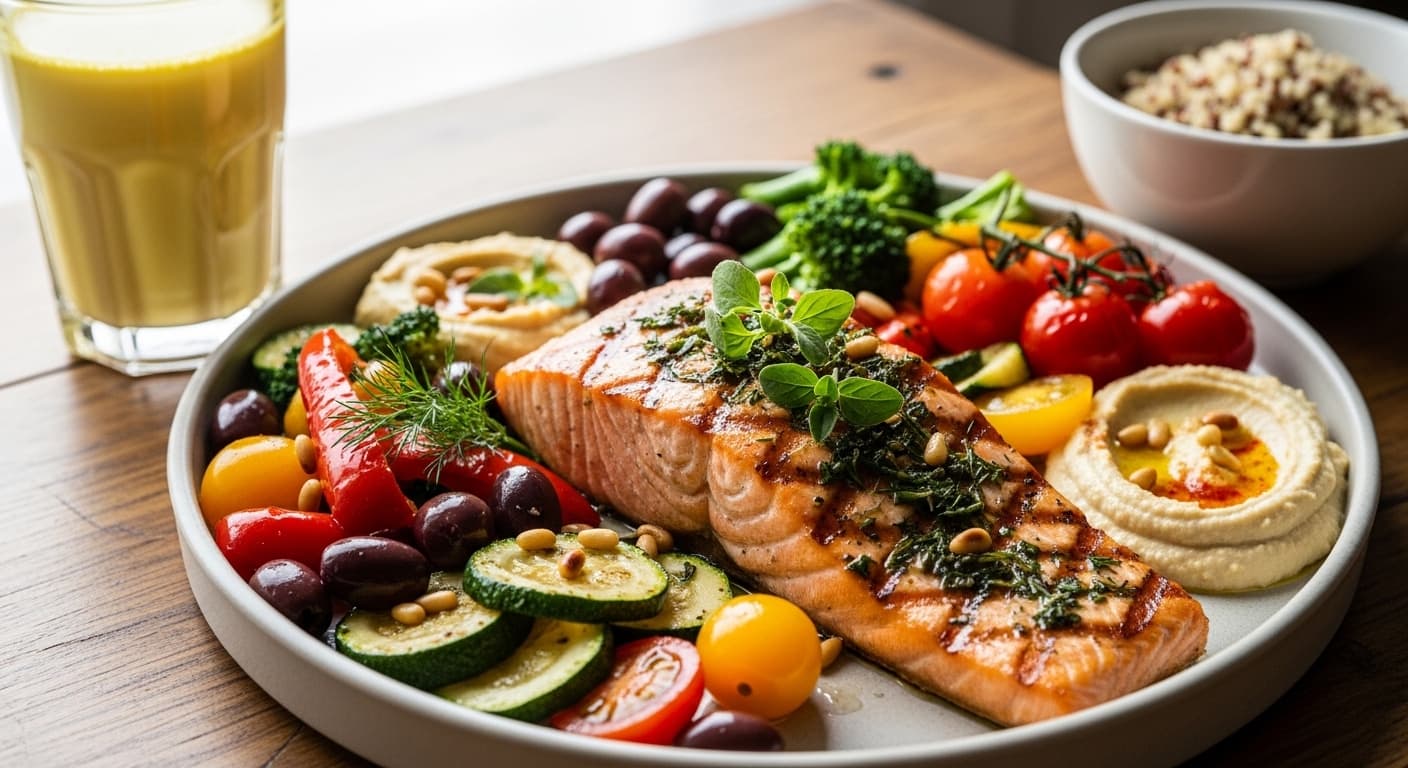
Salmon, mackerel, sardines, and anchovies top the anti-inflammatory food list. These fish provide omega-3 fatty acids (EPA and DHA), high-quality protein, and vitamin D.
Consume 2-3 servings weekly for inflammatory pain management. Canned varieties offer convenience and comparable nutrition to fresh options.
Berries
Blueberries, strawberries, and blackberries contain anthocyanins—pigments providing powerful anti-inflammatory effects. Studies show berry consumption reduces inflammatory markers and improves pain-related outcomes.
Benefits:
- Rich in antioxidants
- Low glycemic impact
- Versatile in meals and snacks
- Affordable when purchased frozen
- Convenient for daily consumption
Aim for 1-2 cups daily in smoothies, as snacks, or in desserts.
Leafy Greens
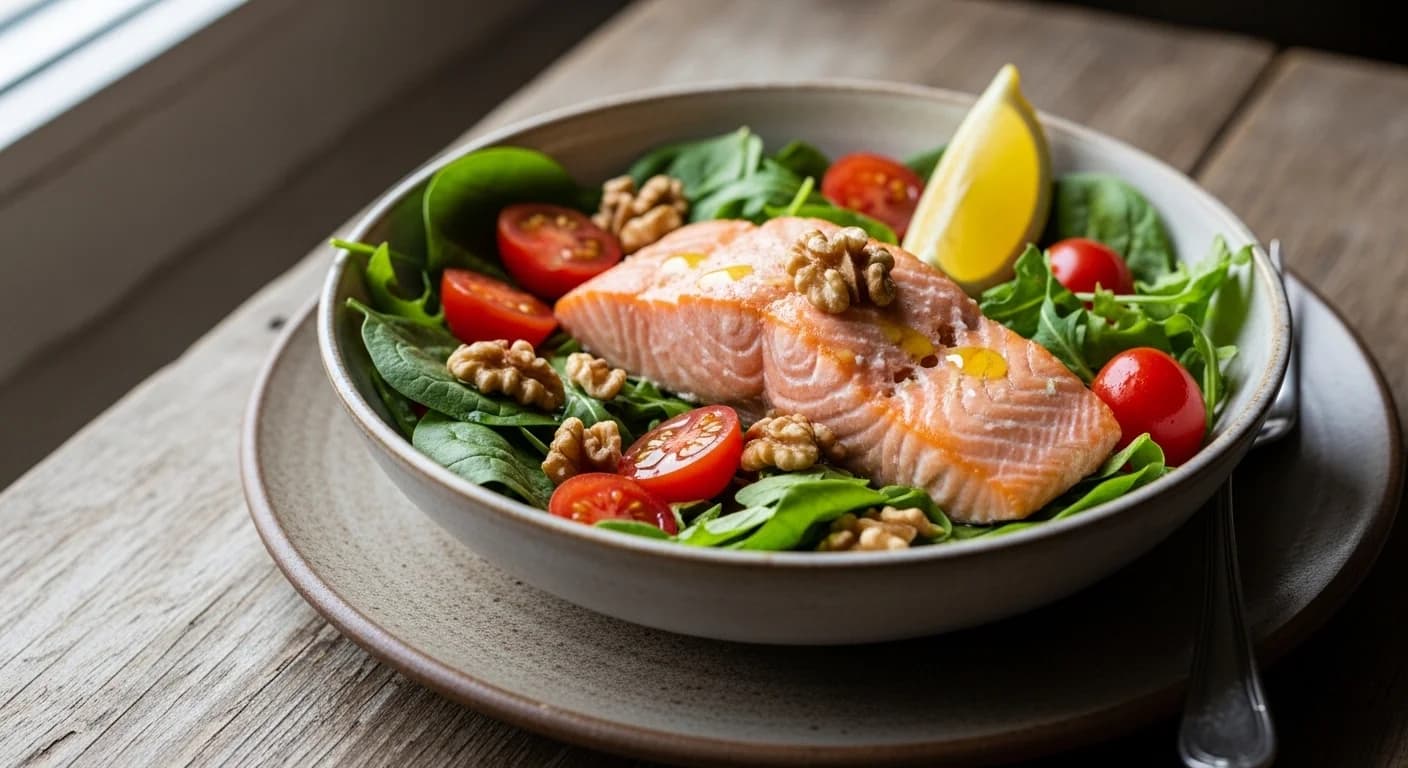
Spinach, kale, chard, and lettuce contain vitamins K and C, plus antioxidants reducing inflammatory markers. The vitamin K in leafy greens also supports cartilage health.
Incorporating greens:
- Large salads as main meals
- Smoothie additions
- Sautéed side dishes
- Raw snacks with hummus
- Soups and stews
Consume at least 2-3 servings daily for optimal anti-inflammatory effects.
Extra Virgin Olive Oil
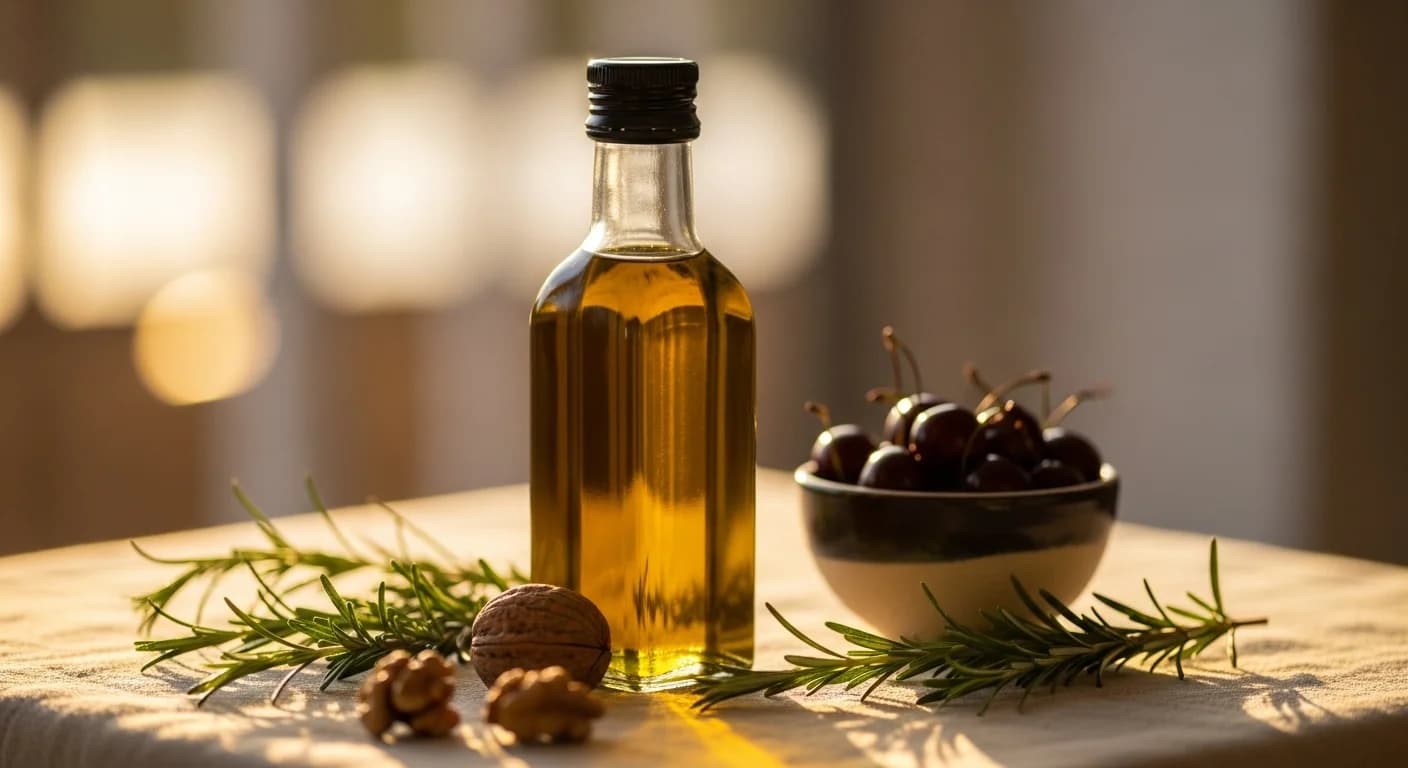
This foundational Mediterranean ingredient contains oleocanthal, a compound with pain-relief properties comparable to ibuprofen. Use it as your primary cooking fat and dressing base.
Maximizing benefits:
- Use for salad dressings and drizzles (not high-heat cooking)
- Store in cool, dark places to preserve compounds
- Choose first-cold-pressed varieties
- Consume 2-3 tablespoons daily
Cruciferous Vegetables
Broccoli, cauliflower, Brussels sprouts, and cabbage contain sulforaphane—a compound showing anti-inflammatory and pain-reducing properties. Eating these vegetables raw or lightly cooked preserves beneficial compounds.
Easy preparation methods:
- Raw in salads
- Lightly steamed with olive oil
- Roasted with garlic
- In soups
Nuts and Seeds
Almonds, walnuts, and seeds provide healthy fats, protein, and antioxidants. Research shows regular nut consumption reduces inflammatory markers significantly.
Recommended nuts and seeds:
- Almonds
- Walnuts
- Pumpkin seeds
- Sunflower seeds
- Hemp seeds
- Brazil nuts (source of selenium)
Consume a small handful (about 1 ounce) daily.
Whole Grains
Rather than refined grains promoting inflammation, whole grains reduce inflammatory markers. They provide fiber, B vitamins, and minerals supporting overall health.
Best whole grain choices:
- Oats
- Brown rice
- Quinoa
- Farro
- Barley
- Whole wheat
Legumes
Beans, lentils, and chickpeas provide plant-based protein, fiber, and polyphenols. They work synergistically with other anti-inflammatory foods to reduce inflammation.
Garlic and Onions
These allium vegetables contain compounds like quercetin and allicin with anti-inflammatory properties. They enhance food flavor while providing health benefits.
Spices Beyond Turmeric
Cinnamon, rosemary, oregano, and other herbs contain volatile oils with anti-inflammatory properties. Generously using spices in cooking provides cumulative benefits.
Foods Promoting Inflammation to Limit
Refined Carbohydrates
White bread, pastries, and sugary foods spike blood sugar and promote inflammation. Replace with whole grain versions.
Vegetable Oils High in Omega-6
Excessive omega-6 fatty acids from soybean, corn, and canola oils promote inflammation when omega-3 intake is inadequate. Use olive oil or coconut oil instead.
Processed Meats
Bacon, sausage, and deli meats contain compounds promoting inflammation. They also often contain excessive sodium and additives.
Added Sugars
Sugar triggers inflammatory responses and disrupts gut bacteria that influence systemic inflammation. Minimize added sugars in beverages and processed foods.
Excessive Alcohol
Moderate wine consumption can be anti-inflammatory, but excessive alcohol promotes inflammation. Limit to 5 ounces for women and 10 ounces for men daily.
Building Anti-Inflammatory Meals
Sample Daily Structure
Breakfast:
- Oatmeal with berries, walnuts, and cinnamon
- Green tea
Mid-morning snack:
- Almonds and fresh fruit
Lunch:
- Large salad with leafy greens, vegetables, grilled salmon, olive oil dressing
- Whole grain bread
Afternoon snack:
- Vegetables with hummus
- Herbal tea
Dinner:
- Grilled fish or legume-based dish
- Roasted cruciferous vegetables
- Brown rice or quinoa
- Turmeric-ginger tea
Practical Implementation
Start by incorporating:
- Fatty fish 2-3 times weekly
- Berries daily
- Leafy greens at most meals
- Olive oil as primary fat
- Turmeric-ginger daily in meals or tea
- Nuts and seeds as snacks
- Whole grains exclusively
Gradually eliminate processed foods, refined carbohydrates, and excess omega-6 oils.
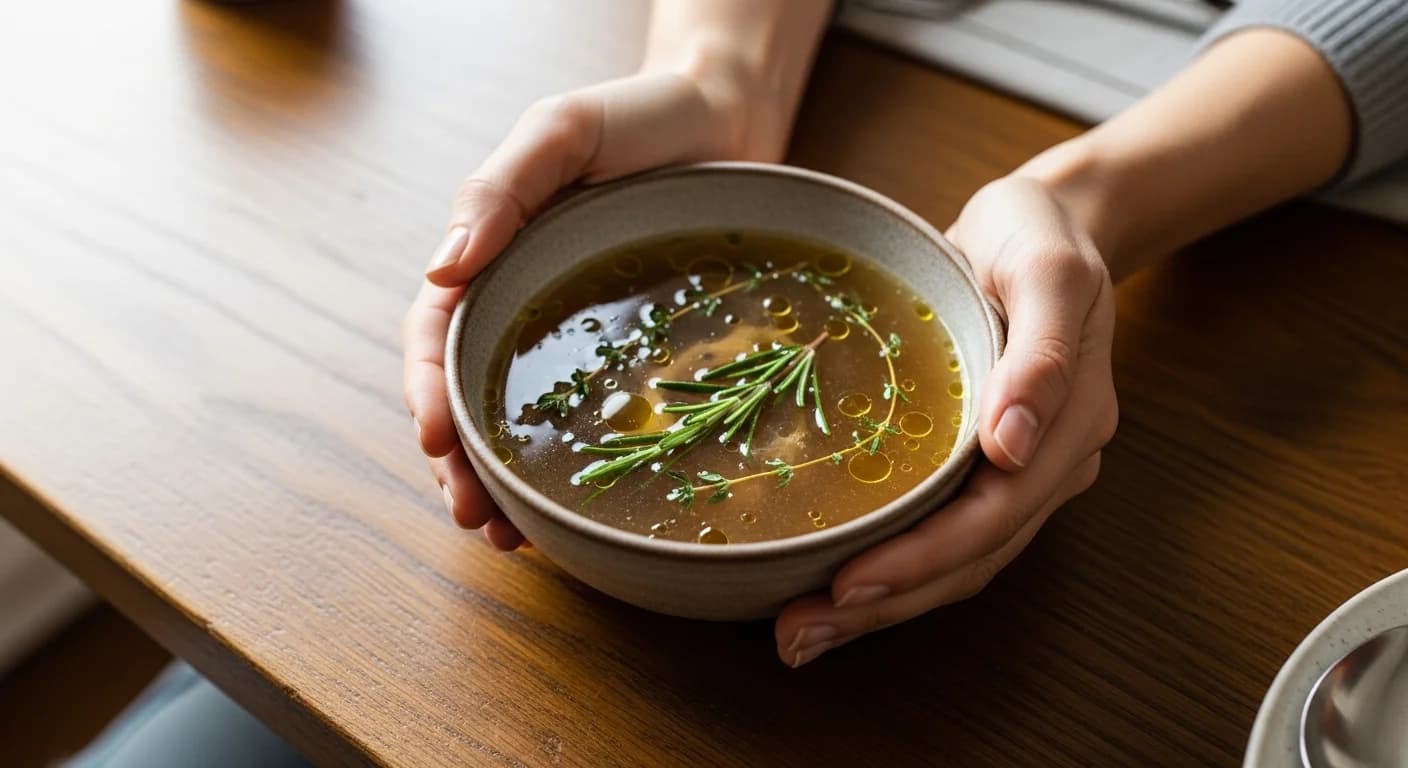
Timeline for Results
Most people notice improvements within 3-4 weeks of consistent anti-inflammatory eating, with more significant changes by 8-12 weeks. Since chronic inflammation developed over years, patient consistency yields better results than expecting immediate transformation.
⚕️ Medical Disclaimer
This article is for educational purposes only. Consult a healthcare professional before making significant dietary changes, especially if you have chronic pain conditions, take medications, have allergies, or known dietary restrictions. Dietary changes complement but do not replace professional medical treatment. Always seek professional advice for chronic pain management.Q: Can anti-inflammatory foods replace pain medication?
A: Anti-inflammatory foods work best complementarily with medical treatment. Discuss dietary changes with your healthcare provider, as some foods interact with medications. Many people reduce medication doses under medical supervision when dietary changes produce results.
Q: How long until I notice pain reduction?
A: Individual responses vary. Some notice improvement within 2-3 weeks, others require 6-8 weeks. Consistent dietary adherence matters more than timeline expectations.
Q: Are supplements better than food sources?
A: Food sources provide compounds that supplements don't, plus the overall dietary pattern matters. Use supplements to complement food sources, not replace them.
Q: Do I need to eliminate all inflammatory foods?
A: Complete elimination isn't necessary. Focus on emphasizing anti-inflammatory foods while minimizing inflammatory ones. The overall dietary pattern matters more than individual food choices.
Q: Will this diet help my specific pain condition?
A: Anti-inflammatory dietary patterns benefit most chronic pain conditions including arthritis, fibromyalgia, and back pain. However, results vary individually. Discuss your specific condition with healthcare providers for personalized guidance.
References
- Calder, P. C. "Omega-3 Polyunsaturated Fatty Acids and Inflammatory Processes: Nutrition or Pharmacology?" British Journal of Clinical Pharmacology, vol. 75, no. 3, 2013, pp. 645-662.
- Minihane AM, et al. "Low-grade inflammation, diet composition and health: current research evidence and its translation." The British journal of nutrition, 2015.
- National Center for Complementary and Integrative Health. "Anti-inflammatory Dietary Patterns." NCCIH.
- Jantan I, et al. "Dietary polyphenols suppress chronic inflammation by modulation of multiple inflammation-associated cell signaling pathways." The Journal of nutritional biochemistry, 2021.
Rate this article
Click on a star to rate this article
Keep Reading
Anti-Inflammatory Diet: 7 Foods That Lower CRP
Build an anti-inflammatory diet around seven foods with documented effects on NF-kB, COX-2, and CRP, plus the everyday amounts that matter.
Read article →
nutritionProtein Timing: Why Total Daily Intake Wins
Protein timing matters far less than your daily total. See what the research says about the anabolic window and how much protein per meal.
Read article →
nutritionFiber Math: How 30g a Day Reshapes Your Gut
30g of fiber a day: 30g of fiber per day shifts your microbiome and lowers cardiovascular risk. What 30g looks like on a plate, why total volume beats the
Read article →

Vitality & Strength Editorial Team
Independent research synthesists — not licensed clinicians
Independent health writers and research synthesists. We are not doctors or registered dietitians; every claim we publish is sourced and linked to primary research, and we take no affiliate or industry money.