Mediterranean Diet: Complete Beginner's Guide
Learn how to follow the Mediterranean diet. Discover foods to eat, meal planning tips, and health benefits of this evidence-based eating pattern.

The Mediterranean diet represents one of the most researched and recommended eating patterns for promoting overall health and longevity. Originating from countries bordering the Mediterranean Sea—including Greece, Italy, Spain, and Southern France—this dietary approach emphasizes whole foods, healthy fats, and sustainable eating practices. Unlike restrictive fad diets, the Mediterranean approach focuses on lifestyle and enjoyment of food while delivering impressive health outcomes.
Origins and Philosophy of the Mediterranean Diet
The Mediterranean diet gained recognition through the Seven Countries Study conducted in the 1950s, which observed that people living in Mediterranean regions enjoyed remarkable longevity and lower rates of heart disease compared to other populations. Researchers identified their eating patterns as a major contributing factor.
Rather than a strict diet with forbidden foods, the Mediterranean approach represents a philosophy about nourishing your body with whole, minimally processed foods while emphasizing social connection and enjoyment during meals. It acknowledges that sustainability matters more than perfection.
Core Food Groups
Olive Oil: The Foundation
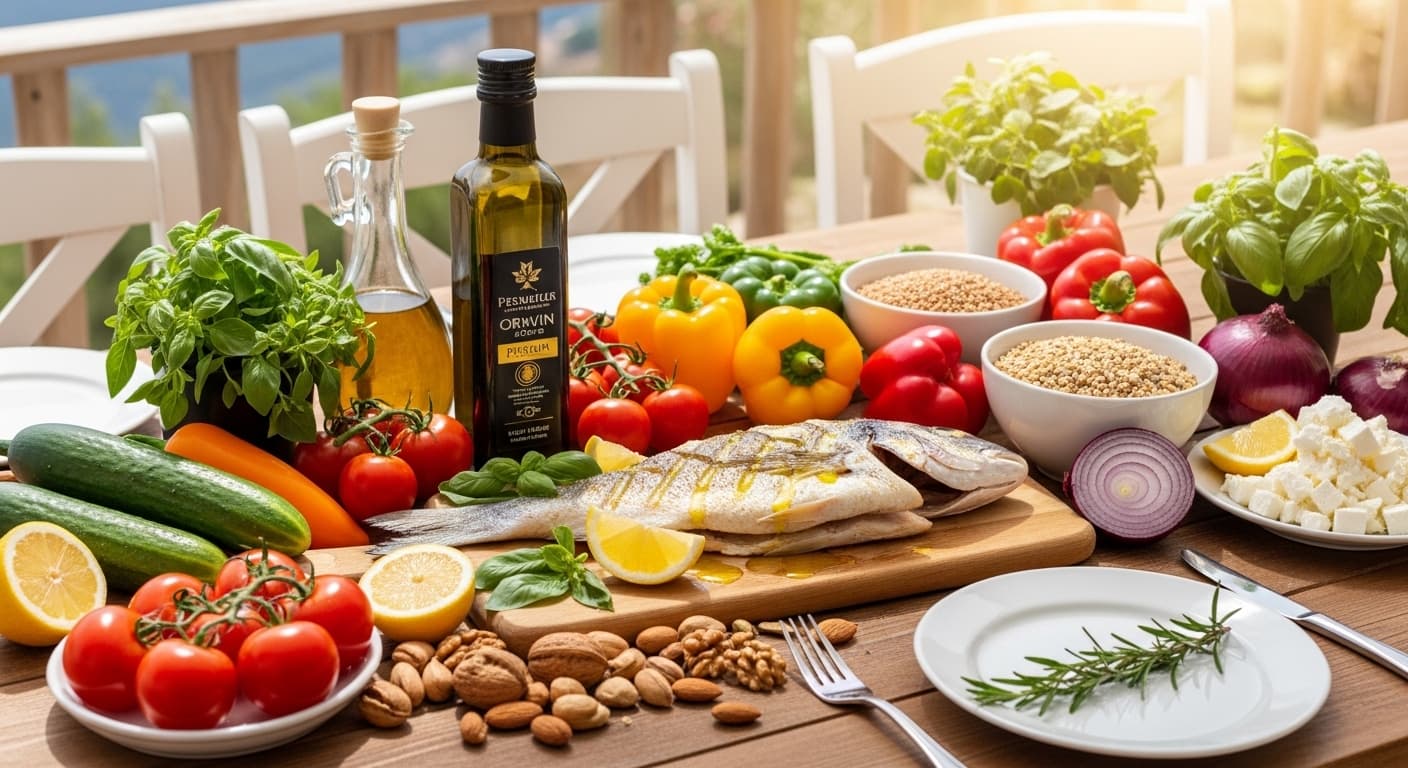
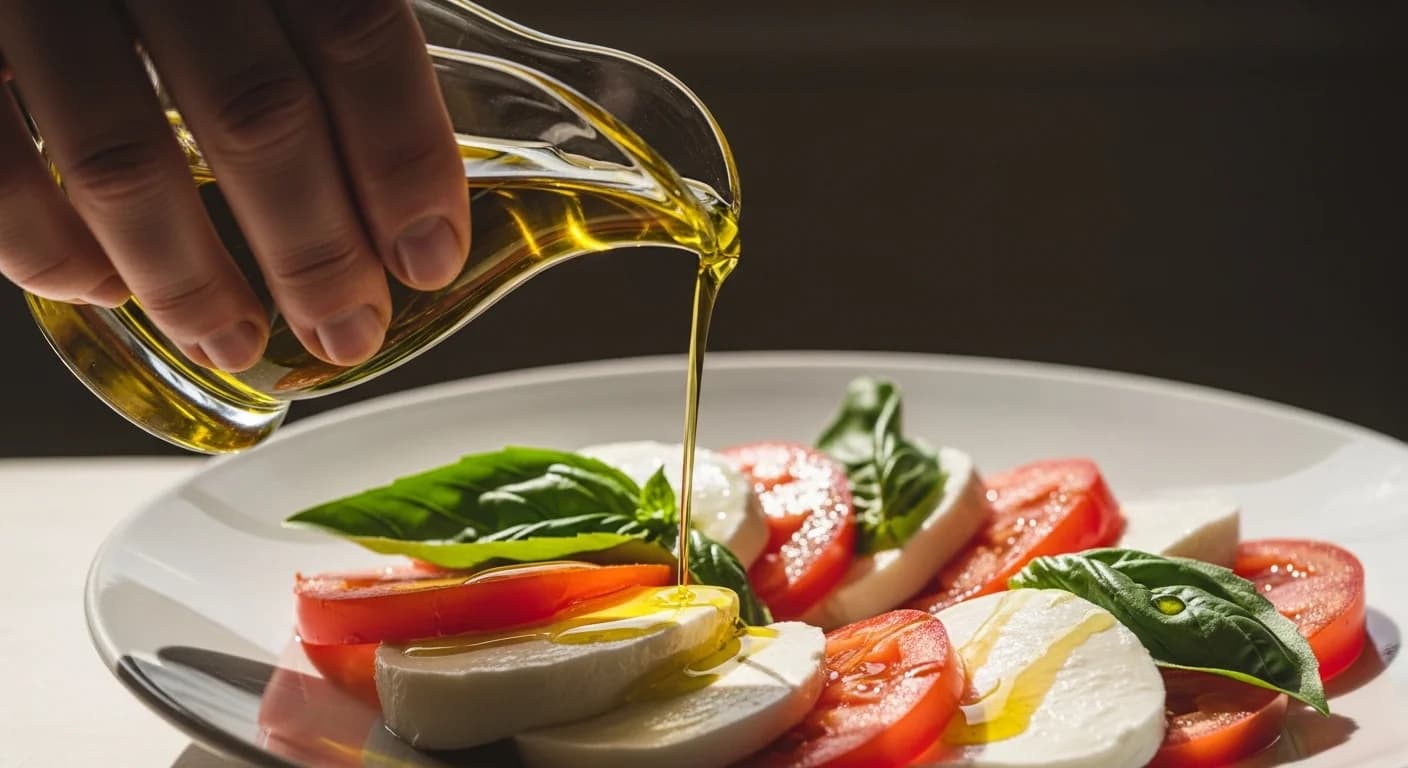
Olive oil stands as the centerpiece of Mediterranean cooking, providing heart-healthy monounsaturated fats. Extra virgin olive oil offers the most antioxidants and flavor. It replaces butter and other saturated fats in cooking, dressings, and dips.
Benefits:
- Rich in polyphenols with anti-inflammatory properties
- Supports heart health and brain function
- Contains oleocanthal, compounds with pain-relieving properties
- Helps with nutrient absorption from vegetables
Aim for 2-3 tablespoons of extra virgin olive oil daily.
Vegetables and Fruits
Mediterranean eating emphasizes abundant, colorful vegetables and fruits providing vitamins, minerals, and phytonutrients. Fresh produce forms the foundation of most meals.
Recommended vegetables:
- Leafy greens (spinach, chard, lettuce)
- Tomatoes
- Bell peppers
- Cucumbers
- Zucchini
- Eggplant
- Broccoli
- Cauliflower
Recommended fruits:
- Berries (blueberries, strawberries)
- Citrus (oranges, lemons, limes)
- Grapes
- Apples
- Pears
- Melons
Aim for 7-9 servings of vegetables daily and 2-3 servings of fruit.
Whole Grains
Unlike refined white bread and pasta, the Mediterranean diet emphasizes whole grains providing sustained energy, fiber, and essential nutrients.
Quality whole grain choices:
- Whole wheat bread
- Whole grain pasta
- Brown rice
- Farro
- Barley
- Bulgur
- Oats
- Quinoa
Whole grains provide fiber supporting digestive health, satiety, and stable blood sugar levels.
Fish and Seafood
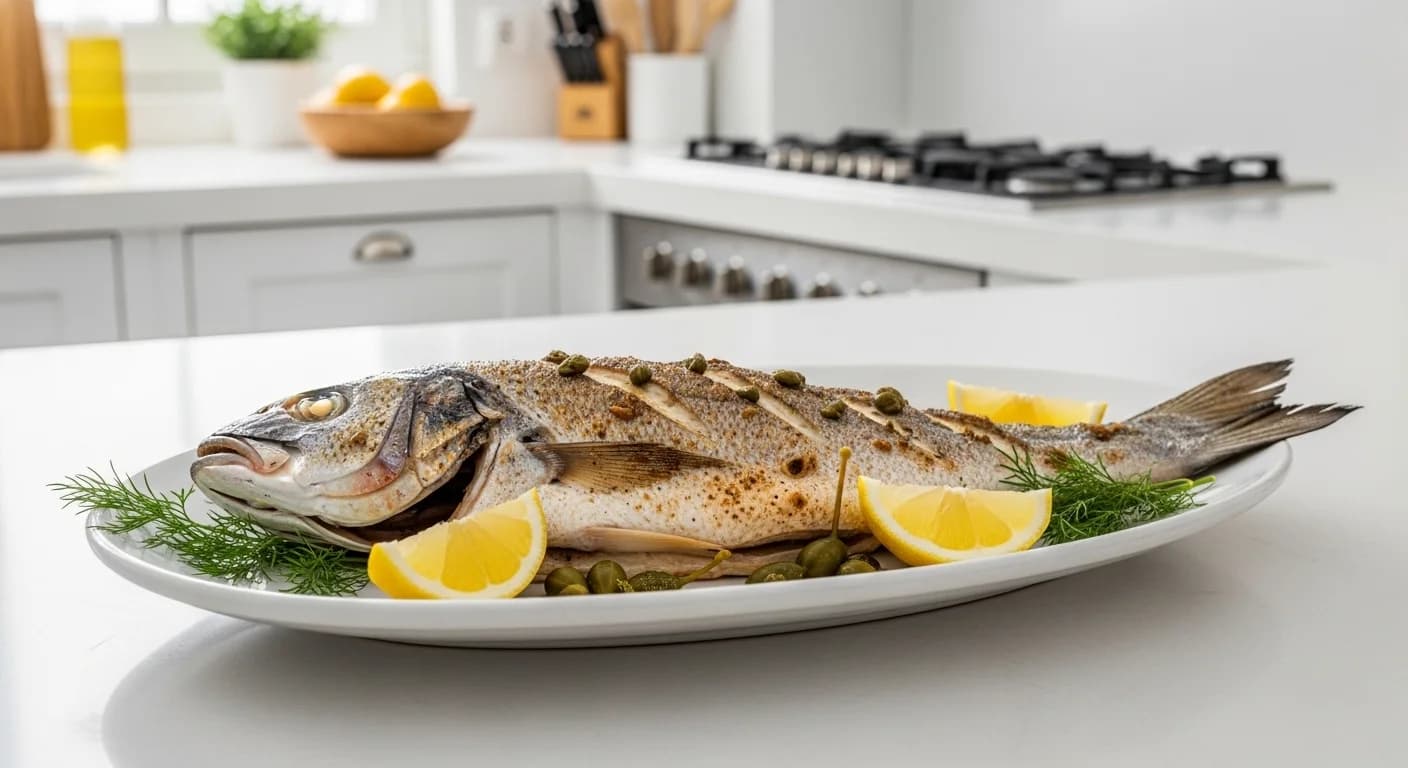
Fish consumption occurs multiple times weekly, providing lean protein and omega-3 fatty acids. Fatty fish like salmon, mackerel, and sardines deliver the highest omega-3 content.
Recommended fish (2-3 times weekly):
- Salmon
- Mackerel
- Sardines
- Anchovies
- Sea bass
- Trout
Fish provides complete proteins, vitamin D, selenium, and anti-inflammatory omega-3s supporting heart and brain health.
Legumes and Nuts
Legumes (beans, lentils, chickpeas) and nuts provide plant-based protein, fiber, healthy fats, and important minerals. They form the protein foundation when fish isn't consumed.
Regular legume choices:
- Black beans
- Chickpeas
- Lentils
- Kidney beans
- Pinto beans
Nuts and seeds:
- Almonds
- Walnuts
- Pistachios
- Sesame seeds
- Sunflower seeds
Consume a small handful (about 1 ounce) of nuts daily, and incorporate legumes into at least 2-3 meals weekly.
Dairy: Moderate Intake
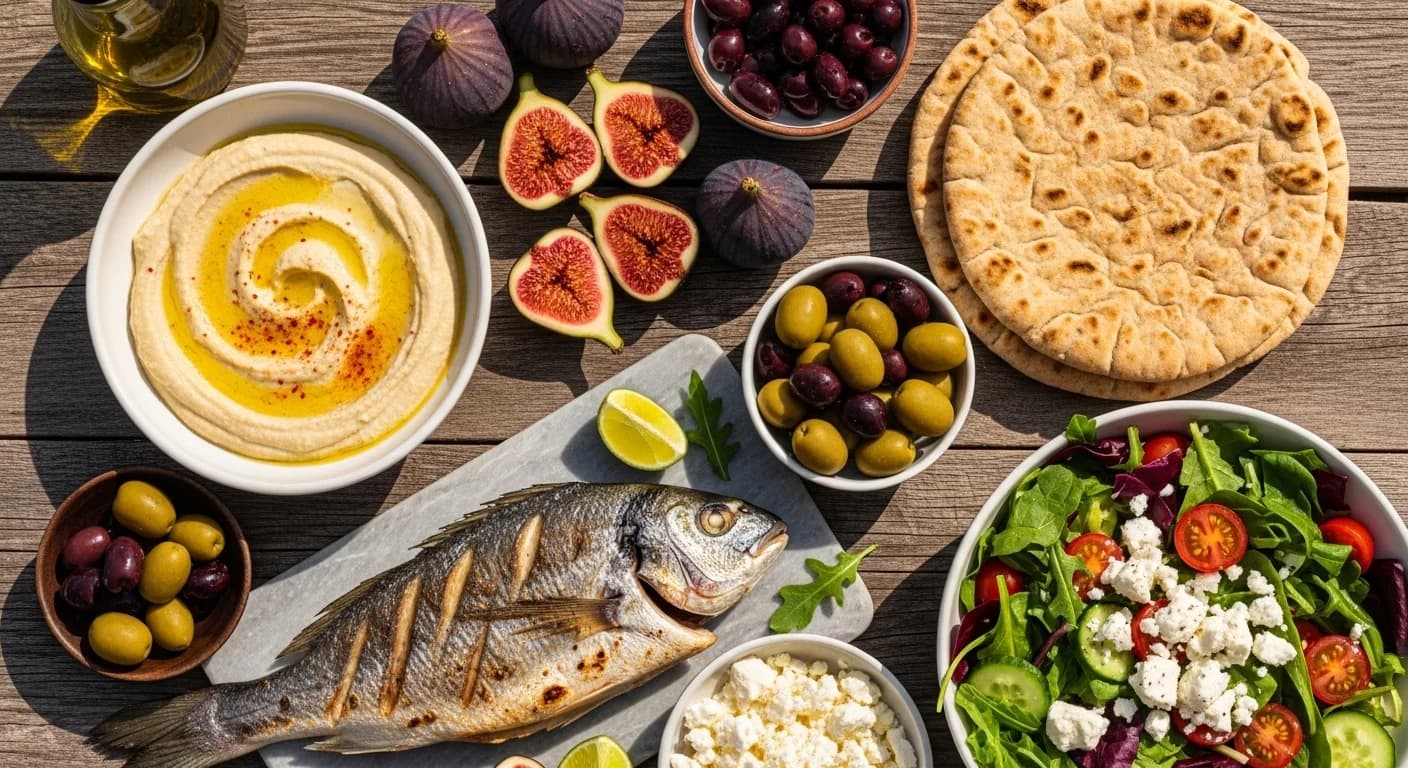
Cheese and yogurt appear regularly in Mediterranean meals, but in modest portions. Greek yogurt, feta cheese, and other traditional Mediterranean dairy products provide protein and beneficial bacteria.
Key dairy choices:
- Greek yogurt (unsweetened)
- Feta cheese (small portions)
- Hard cheeses (aged varieties with strong flavor requiring less quantity)
- Ricotta cheese
Enjoy dairy as flavoring agents and nutrient sources rather than meal foundations.
Moderate Wine Consumption
Red wine consumption appears in Mediterranean eating patterns, typically with meals in moderate amounts. Compounds in red wine, particularly resveratrol, offer potential cardiovascular benefits.
Important note: Moderate consumption means up to 5 ounces (150 mL) daily for women and up to 10 ounces (300 mL) for men. Non-drinkers shouldn't start drinking for health benefits, and those with personal or family histories of alcohol use disorder should avoid wine.
Foods to Limit or Avoid
The Mediterranean diet doesn't forbid foods but encourages limiting:
- Red meat - consumed only occasionally (monthly or less)
- Processed foods - replaced with whole food preparations
- Refined grains - swapped for whole grain versions
- Added sugars - limited to occasional treats
- Unhealthy fats - butter and margarine replaced with olive oil
- Sugary beverages - water and herbal tea encouraged instead
Building Mediterranean Meals
Breakfast Ideas
- Greek yogurt with berries and nuts
- Whole grain toast with tomato and olive oil
- Vegetable omelet with feta cheese
- Oatmeal with fresh fruit and almonds
Lunch and Dinner Approaches
Structure meals around:
- Vegetable foundation (4-6 servings)
- Whole grain or legume component (1 serving)
- Protein source (3-4 ounces fish, legumes, or occasionally poultry)
- Olive oil-based preparation
- Herbs for flavoring
Example meals:
- Grilled salmon with roasted vegetables and quinoa
- Lentil soup with whole grain bread
- Chickpea and vegetable curry over brown rice
- Greek salad with feta and whole wheat pita
Snack Suggestions
- Fresh fruit
- Nuts and seeds
- Hummus with vegetables
- Olives
- Whole grain crackers with cheese
Practical Tips for Mediterranean Eating
Shopping Strategy
- Buy seasonal, local produce when possible
- Choose high-quality extra virgin olive oil
- Stock canned beans and lentils for convenience
- Select canned fish packed in water or oil
- Choose whole grain products exclusively
- Buy fresh herbs
Cooking Methods
Mediterranean cooking emphasizes:
- Grilling
- Roasting
- Steaming
- Boiling
- Sautéing with olive oil
- Slow cooking in tomato-based sauces
These methods preserve nutrients while creating delicious meals without excessive added fats.
Meal Planning Approach
Plan weekly menus featuring:
- Fish at least 2-3 meals
- Legumes at least 2 meals
- 7+ servings vegetables daily
- 2-3 servings fruit daily
- Whole grains at each meal
- Olive oil as primary fat source
Social and Enjoyment Factors
The Mediterranean lifestyle emphasizes:
- Eating with family and friends
- Meal preparation as a valued activity
- Enjoying food without guilt
- Moderation rather than restriction
- Regular physical activity
- Adequate sleep and stress management
Health Benefits Supported by Research
Cardiovascular Health
Multiple studies demonstrate Mediterranean diet adherence reduces heart disease risk by approximately 30% compared to standard diets. The PREDIMED study, a landmark long-term research project, showed significant cardiovascular benefits.
Brain Health and Cognitive Function
The diet supports cognitive function and may reduce dementia risk through its anti-inflammatory and antioxidant properties. Omega-3 fatty acids and polyphenols support brain health throughout aging.
Weight Management
The emphasis on whole foods, fiber, and healthy fats promotes satiety and sustainable weight management without calorie obsession.
Blood Sugar Control
High fiber intake and emphasis on whole foods rather than refined carbohydrates supports stable blood sugar and may reduce type 2 diabetes risk.
Longevity
Mediterranean diet adherence correlates with longer lifespans and healthier aging, particularly in populations where this pattern dominates cultural eating practices.
Getting Started: A Simple Action Plan
Week 1:
- Stock your kitchen with extra virgin olive oil, canned beans, whole grains, and nuts
- Prepare 3 vegetable-based meals featuring fish
Week 2-3:
- Expand vegetable intake to 7+ servings daily
- Prepare Mediterranean meals 5+ days weekly
- Replace refined grain products with whole grain versions
Week 4+:
- Establish Mediterranean eating as your foundation
- Experiment with new recipes and ingredients
- Enjoy the flexibility and sustainability of this approach
⚕️ Medical Disclaimer
This article is for educational purposes only. Consult a healthcare professional or registered dietitian before making significant dietary changes, especially if you have existing health conditions, food allergies, or take medications that might interact with dietary changes. Individual nutritional needs vary and professional guidance ensures the diet suits your specific situation.Q: Is the Mediterranean diet suitable for weight loss?
A: Yes. The emphasis on whole foods, fiber, and healthy fats promotes satiety. Weight loss occurs through consuming fewer overall calories while eating nutrient-dense foods, achieving results that feel sustainable rather than restrictive.
Q: Can I follow Mediterranean eating as a vegetarian?
A: Absolutely. Emphasizing legumes, nuts, seeds, whole grains, and abundant vegetables provides complete nutrition without fish or meat. Many Mediterranean regions feature vegetable-forward cuisines supporting fully plant-based approaches.
Q: How does Mediterranean eating differ from other healthy diets?
A: Unlike low-fat diets, Mediterranean eating embraces healthy fats. Unlike strict paleo approaches, it includes whole grains and legumes. The flexibility and sustainability focus distinguishes it from restrictive diet approaches.
Q: What about dining out while following Mediterranean eating?
A: Mediterranean cuisines dominate restaurant offerings in many areas. Choose grilled fish, vegetable-based preparations, and olive oil-based dressings. Most restaurants accommodate requests for modifications supporting your approach.
Q: Is this diet expensive?
A: Mediterranean eating can fit various budgets. Seasonal produce, dried beans, canned fish, and basic ingredients like olive oil and whole grains offer affordable options compared to processed convenient foods.
References
- Bach-Faig A, et al. "Mediterranean diet pyramid today. Science and cultural updates." Public health nutrition, 2011.
- Estruch, R., et al. "Primary Prevention of Cardiovascular Disease with a Mediterranean Diet Supplemented with Extra-Virgin Olive Oil or Nuts." New England Journal of Medicine, vol. 378, no. 25, 2018, p. e34.
- Harvard School of Public Health. "Mediterranean Diet." Harvard Health.
- Mayo Clinic. "Mediterranean Diet." Mayo Clinic.
Rate this article
Click on a star to rate this article
Keep Reading
Healthy Meal Prep Guide for Busy People: Save Time and Eat Well
Practical meal prep strategies that save hours each week while supporting nutrition goals. Includes templates, storage tips, and budget-friendly recipes.
Read article →
nutritionAnti-Inflammatory Diet: 7 Foods That Lower CRP
Build an anti-inflammatory diet around seven foods with documented effects on NF-kB, COX-2, and CRP, plus the everyday amounts that matter.
Read article →
nutritionProtein Timing: Why Total Daily Intake Wins
Protein timing matters far less than your daily total. See what the research says about the anabolic window and how much protein per meal.
Read article →

Vitality & Strength Editorial Team
Independent research synthesists — not licensed clinicians
Independent health writers and research synthesists. We are not doctors or registered dietitians; every claim we publish is sourced and linked to primary research, and we take no affiliate or industry money.