Best Protein Sources for Muscle Growth: Complete Guide
Discover the top protein sources for building muscle. Learn which foods deliver optimal amino acids for strength training gains.
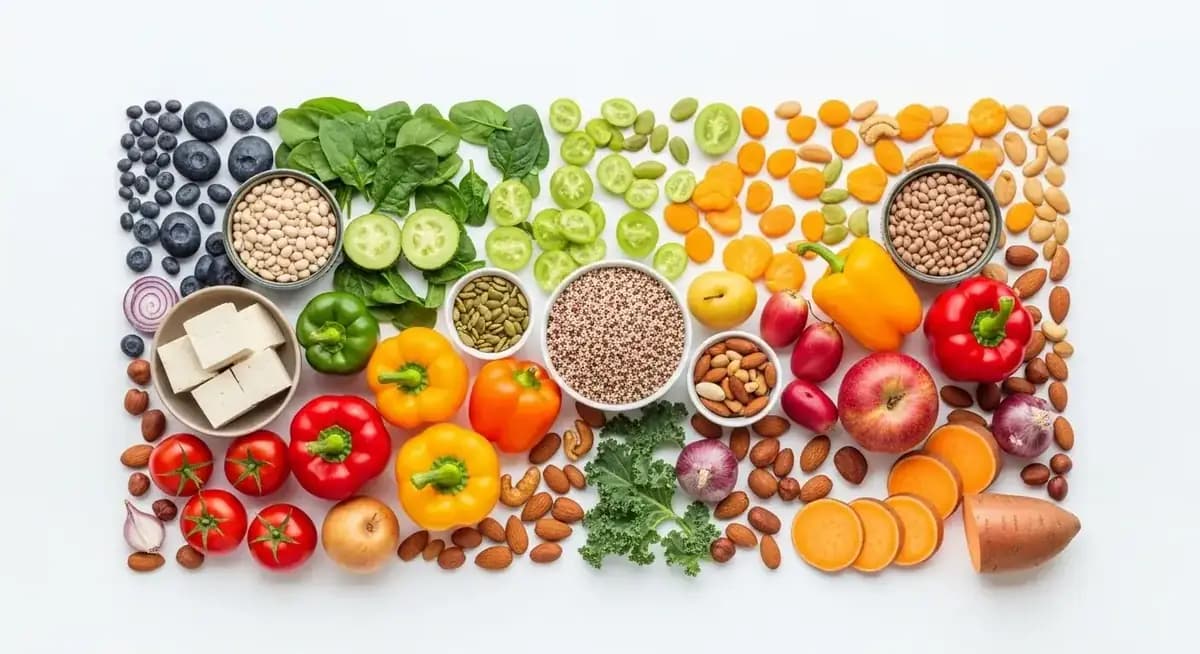
Building muscle requires consistent training, adequate rest, and proper nutrition. While many factors contribute to muscle growth, protein stands as one of the most critical macronutrients for developing lean muscle mass. This comprehensive guide explores the best protein sources for muscle growth and how to incorporate them into your fitness journey.
Why Protein Matters for Muscle Growth
Protein serves as the building block for muscle tissue. When you engage in strength training, you create microscopic tears in muscle fibers. Protein provides the amino acids necessary to repair these tears, making muscle fibers larger and stronger through a process called hypertrophy.
Research published in sports nutrition journals consistently demonstrates that adequate protein intake, combined with resistance training, significantly enhances muscle protein synthesis. The amino acid leucine, in particular, plays a crucial role in initiating the muscle-building process.
Your body cannot store protein like it stores carbohydrates and fats, making regular protein consumption throughout the day essential for optimal muscle development.
Top Animal-Based Protein Sources
Chicken Breast
Chicken breast stands as one of the most popular protein choices for muscle builders. A 100-gram serving provides approximately 31 grams of high-quality protein with minimal fat and virtually no carbohydrates.
Benefits:
- Lean protein source with low saturated fat
- Excellent amino acid profile containing all nine essential amino acids
- Affordable and widely available
- Versatile for various cooking methods
- Contains B vitamins essential for energy metabolism
Eggs
Eggs remain one of nature's most complete protein sources. One large egg contains about 6 grams of protein, while the entire egg provides all nine essential amino acids.
Why eggs excel:
- Complete protein with optimal amino acid ratio
- Contains choline, important for muscle function
- Rich in antioxidants lutein and zeaxanthin
- Affordable and convenient
- The yolk contains important micronutrients and healthy fats
Fish and Seafood
Fish offers exceptional protein content alongside beneficial omega-3 fatty acids. Salmon provides about 25 grams of protein per 100-gram serving, while white fish like cod offers similar protein with lower fat content.
Benefits of fish:
- High-quality complete proteins
- Rich in omega-3 fatty acids (especially salmon and mackerel)
- Contains vitamin D and selenium
- Anti-inflammatory properties support recovery
- Lower in saturated fat than many meat sources
Greek Yogurt
Greek yogurt has become increasingly popular among fitness enthusiasts. A single serving contains 15-20 grams of protein, double that of regular yogurt.
Advantages:
- Protein paired with probiotics for gut health
- Contains calcium for bone health
- Minimal sugar in unsweetened varieties
- Versatile for meals and snacks
- Contains conjugated linoleic acid (CLA)
Beef
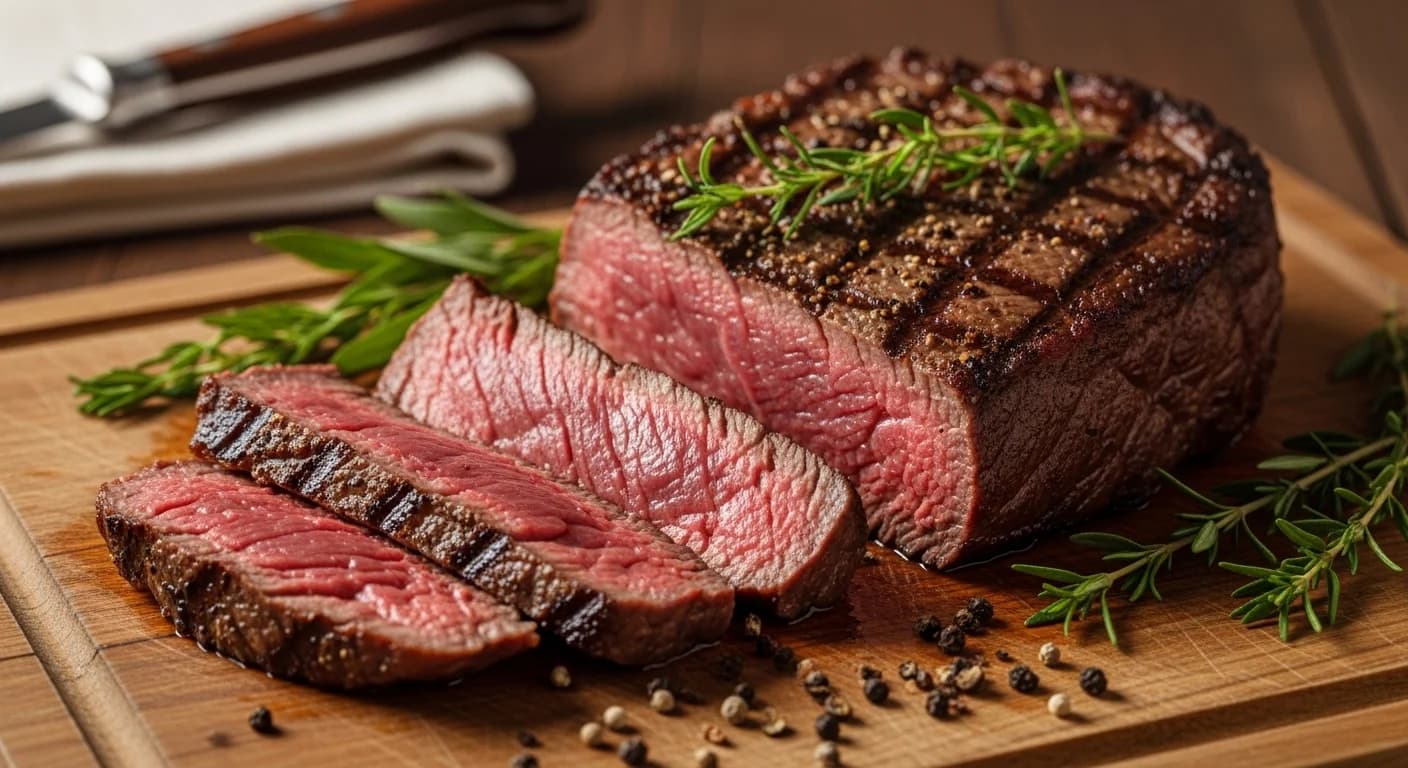
Lean beef cuts provide substantial protein alongside iron and creatine. Ground beef (90% lean) delivers approximately 22 grams of protein per 100-gram serving.
Key benefits:
- Excellent source of iron for oxygen transport
- Contains B vitamins, especially B12 and B6
- Provides creatine naturally, supporting strength
- Complete amino acid profile
- Rich in zinc for immune function
Plant-Based Protein Sources
Legumes (Beans and Lentils)
Legumes offer plant-based protein when animal sources aren't preferred. One cup of cooked lentils contains approximately 18 grams of protein, along with fiber and complex carbohydrates.
Considerations:
- Generally lower in methionine (one essential amino acid)
- High in fiber, supporting digestive health
- Affordable and shelf-stable
- Combine with grains to create complete proteins
- Lower in caloric density than animal proteins
Tofu and Tempeh
Soy products provide complete proteins containing all nine essential amino acids. Tofu offers about 8 grams of protein per 100 grams, while tempeh delivers approximately 19 grams per 100 grams.
Benefits:
- Complete amino acid profiles (unlike most plant sources)
- Versatile in various cuisines
- Contains isoflavones with potential health benefits
- Lower in fat than some alternatives
- Suitable for various dietary restrictions
Nuts and Seeds
While not as protein-dense as other sources, nuts and seeds contribute meaningfully to daily protein intake. Hemp seeds provide about 10 grams of protein per 3 tablespoons, while almonds offer 6 grams per ounce.
Advantages:
- Complete or complementary amino acid profiles
- Rich in healthy unsaturated fats
- Contain important minerals like magnesium and zinc
- Provide satiety and support weight management
- Offer versatility in meals and snacks
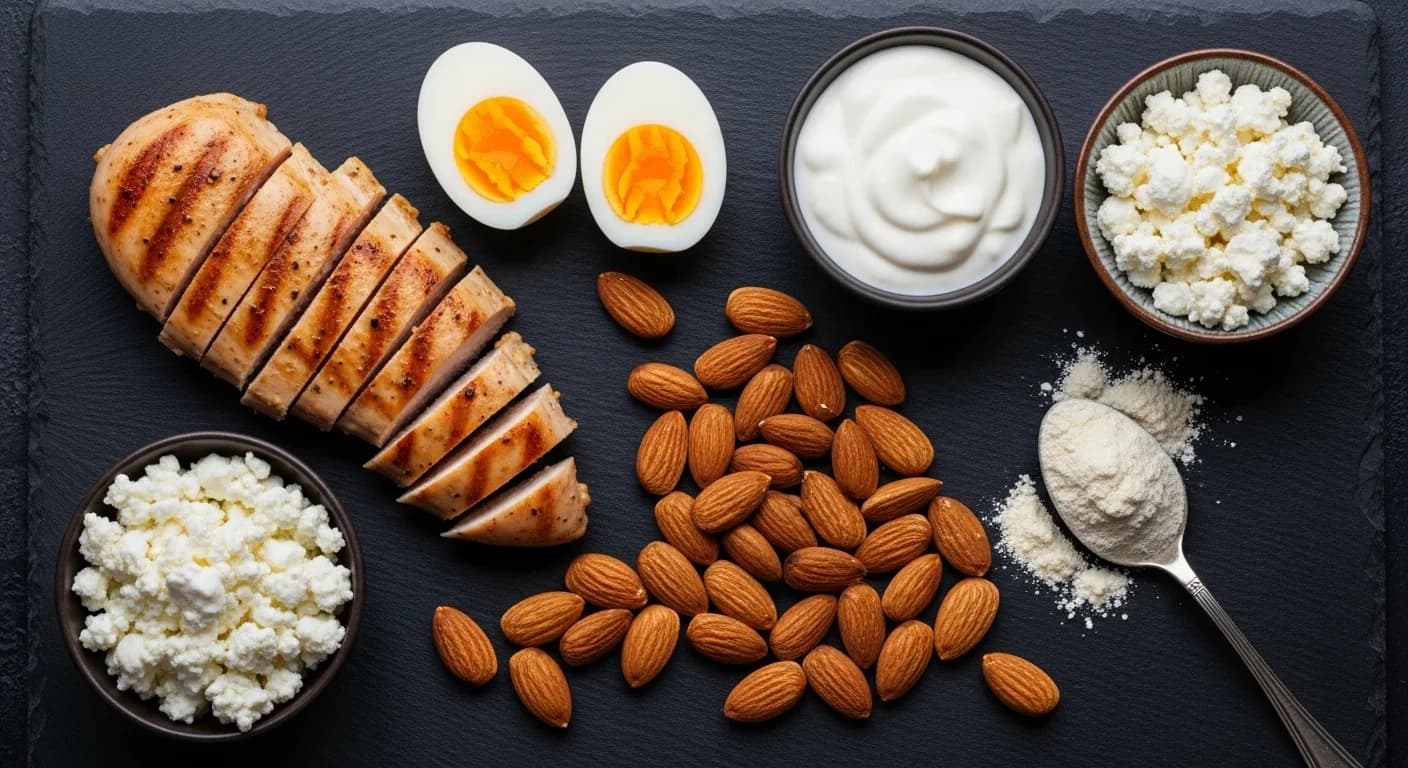
Creating Optimal Protein Combinations
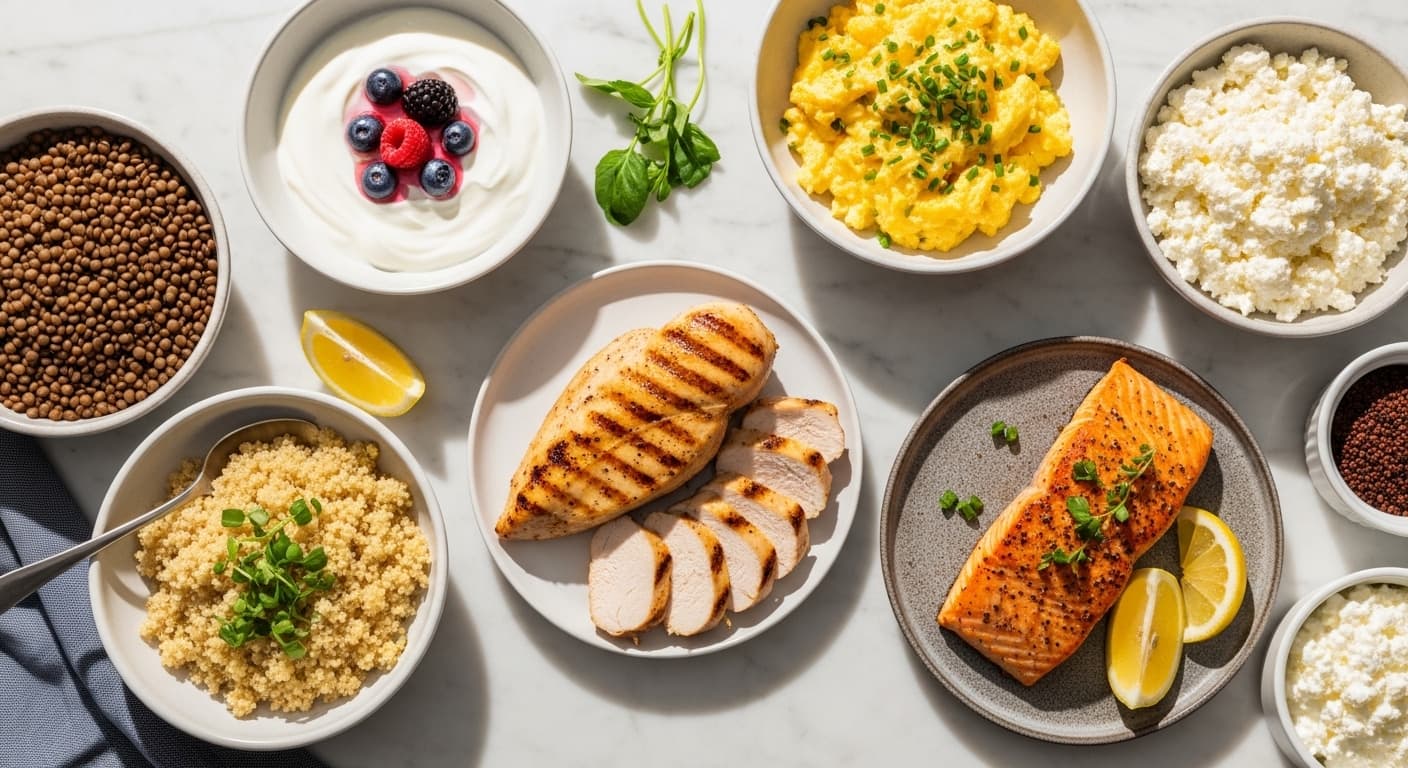
The Complementary Protein Strategy
While animal proteins contain all nine essential amino acids, plant proteins often lack one or more. By combining different plant sources, you create a complete amino acid profile.
Classic complementary combinations:
- Beans and rice
- Lentils and whole wheat bread
- Peanut butter and whole grain toast
- Chickpeas and sesame seeds
Daily Protein Distribution
Rather than consuming all protein in one meal, distribute intake throughout the day:
- Breakfast: 25-30 grams of protein
- Mid-morning snack: 10-15 grams
- Lunch: 30-40 grams
- Afternoon snack: 10-15 grams
- Dinner: 35-40 grams
This distribution optimizes muscle protein synthesis and maintains steady amino acid levels throughout the day.
Practical Tips for Protein Intake
Track Your Protein
Determine your daily protein needs by multiplying your body weight in kilograms by 1.6-2.2. Use nutrition apps to monitor intake and adjust accordingly.
Quality Matters
Choose minimally processed proteins when possible. Whole food sources provide accompanying nutrients, while ultra-processed options often contain excessive sodium and additives.
Consider Protein Supplements
While whole foods should form the foundation of your diet, high-quality protein powder can complement your nutrition plan. Whey protein isolate offers quick absorption post-workout, while casein provides slower-releasing amino acids for overnight muscle recovery.
Don't Neglect Other Nutrients
Protein works synergistically with:
- Carbohydrates for energy and glycogen replenishment
- Healthy fats for hormone production
- Micronutrients for optimal cellular function

⚕️ Medical Disclaimer
This article is for educational purposes only. Consult a healthcare professional or registered dietitian before making significant dietary changes, especially if you have pre-existing health conditions, food allergies, kidney disease, or take medications that might interact with dietary changes.Q: Can I build muscle on a vegan diet?
A: Yes, plant-based diets can support muscle growth when properly planned. You'll need to consume complementary proteins and potentially higher overall protein quantities due to lower bioavailability. Consider consulting a sports nutritionist for guidance.
Q: Is more protein always better?
A: No. Excessive protein intake beyond recommended amounts (roughly 2.2g per kg) doesn't provide additional muscle-building benefits and may strain the kidneys in susceptible individuals. Focus on consistent, adequate intake rather than excess.
Q: How quickly will I see muscle gains with adequate protein?
A: Visible muscle growth typically appears after 6-8 weeks of consistent resistance training combined with adequate protein intake. Individual results vary based on genetics, training intensity, and overall nutrition.
Q: Should I use protein powder?
A: Protein powder is a convenient supplement but not necessary. Whole food sources should comprise the majority of your protein intake. Powder works well for post-workout convenience or when whole foods aren't practical.
Q: Can older adults build muscle with protein?
A: Yes. Older adults may benefit from slightly higher protein intake (2.0-2.2g per kg) combined with resistance training to combat age-related muscle loss (sarcopenia). Progressive strength training remains essential regardless of age.
References
- Phillips SM. "Protein requirements and supplementation in strength sports." Nutrition (Burbank, Los Angeles County, Calif.), 2004.
- Tang JE, et al. "Ingestion of whey hydrolysate, casein, or soy protein isolate: effects on mixed muscle protein synthesis at rest and following resistance exercise in young men." Journal of applied physiology (Bethesda, Md. : 1985), 2009.
- Veldhorst, M., et al. "Protein Satiety: Mechanisms and Relevance to Weight Management." American Journal of Clinical Nutrition, vol. 87, no. 5, 2008, pp. 1562S-1569S.
- Morton, R. W., et al. "A Systematic Review, Meta-Analysis and Meta-Regression of the Effect of Protein Supplementation on Resistance Training-Induced Gains in Muscle Mass." British Journal of Sports Medicine, vol. 52, no. 6, 2018, pp. 376-384.
Rate this article
Click on a star to rate this article
Keep Reading
Protein Timing: Why Total Daily Intake Wins
Protein timing matters far less than your daily total. See what the research says about the anabolic window and how much protein per meal.
Read article →
nutritionAnti-Inflammatory Diet: 7 Foods That Lower CRP
Build an anti-inflammatory diet around seven foods with documented effects on NF-kB, COX-2, and CRP, plus the everyday amounts that matter.
Read article →
nutritionFiber Math: How 30g a Day Reshapes Your Gut
30g of fiber a day: 30g of fiber per day shifts your microbiome and lowers cardiovascular risk. What 30g looks like on a plate, why total volume beats the
Read article →

Vitality & Strength Editorial Team
Independent research synthesists — not licensed clinicians
Independent health writers and research synthesists. We are not doctors or registered dietitians; every claim we publish is sourced and linked to primary research, and we take no affiliate or industry money.