Cortisol and Belly Fat: What the Research Actually Links
Cortisol and belly fat: the real biology behind chronic stress and visceral adiposity, what the research supports, and which interventions actually move the

Cortisol and belly fat appear in every wellness headline as if the link is settled science. The actual research is more interesting than the slogan: chronic high cortisol does correlate with visceral adiposity in observational studies, but the relationship is bidirectional, dose-dependent, and modulated by a half-dozen variables most articles never mention. This guide walks through what cortisol actually does in the body, why visceral fat (the kind around your organs) responds to stress hormones differently than subcutaneous fat, what the HPA axis dysregulation pattern looks like in real life, which interventions move cortisol measurably, and why almost every cortisol-blocking supplement on the market either fails to lower cortisol or does so in ways that do not translate to fat loss.
⚕️ Medical Disclaimer
This article is for informational purposes only. Consult a qualified healthcare provider before changing any supplement, training, or dietary routine.What cortisol actually does in your body
Cortisol is a glucocorticoid hormone produced by your adrenal glands under direction from the hypothalamus and pituitary. Its job is broad: regulate glucose availability during stress, dampen acute inflammation, modulate the sleep-wake cycle, and coordinate the body's response to physical and psychological demand. A healthy cortisol profile is not low; it is rhythmic. Levels peak roughly 30 to 45 minutes after waking (the cortisol awakening response), drop steadily across the day, and reach a low point in the early hours of sleep [Cleveland Clinic: Cortisol Overview].
Problems show up when this rhythm flattens or reverses. Chronically elevated evening cortisol disrupts deep sleep, blunted morning cortisol leaves you dragging at 9 a.m., and an inverted cortisol curve correlates with metabolic dysfunction and visceral fat accumulation. The popular framing of cortisol as 'the stress hormone' to be feared is not quite right; the goal is restoring the curve, not lowering total output.
Why visceral fat responds differently than subcutaneous fat

Subcutaneous fat (under the skin, around hips and thighs) has relatively few cortisol receptors. Visceral fat — the deeper fat that surrounds your liver, intestines, and pancreas — has far more [NIH PMC: Stress and Adiposity Review]. That asymmetry explains the apparent paradox where chronic stress reshapes body composition without necessarily changing total weight much.
The receptor density problem
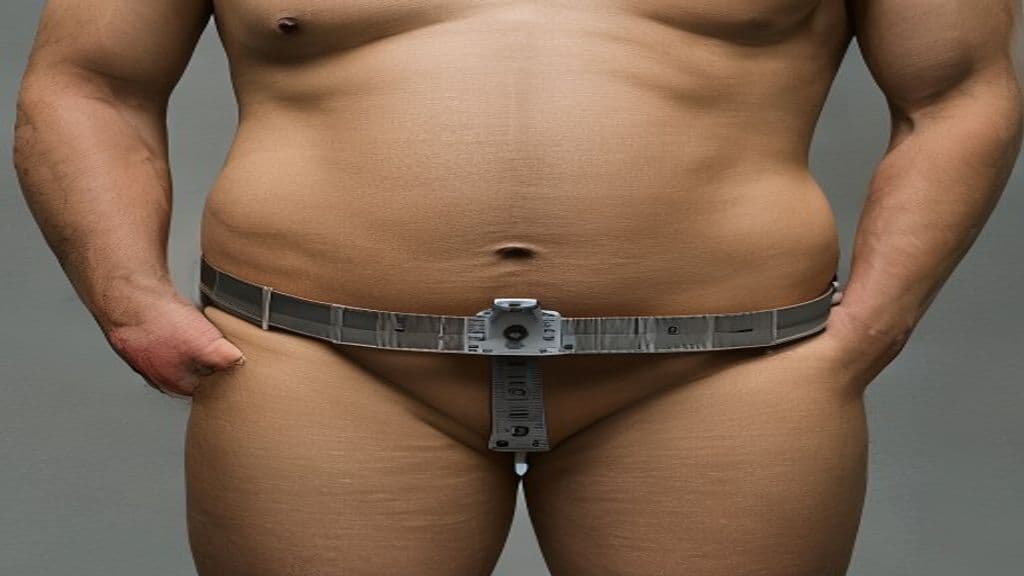
Visceral adipocytes express roughly 4 times the density of glucocorticoid receptors found in subcutaneous adipocytes. When circulating cortisol stays elevated, the visceral depot preferentially captures and stores energy, encourages local triglyceride accumulation, and produces more inflammatory adipokines. The same person under chronic stress can lose weight on the scale and still see waist circumference creep, because subcutaneous fat is being mobilized while visceral fat is being deposited.
Why visceral fat matters more for health
Visceral fat is metabolically active in ways subcutaneous fat is not. It releases free fatty acids directly into the portal vein feeding the liver, drives insulin resistance, and produces inflammatory cytokines that affect cardiovascular and metabolic risk far out of proportion to its mass. Two people with the same BMI can have wildly different metabolic profiles depending on where their fat lives.
What chronic cortisol and belly fat dysregulation looks like
The clinical picture of HPA axis dysregulation rarely matches the cartoon version. People imagine 'high cortisol' as feeling wired and anxious all day. Real chronic dysregulation is messier and often presents as paradoxical fatigue with stubborn abdominal weight that resists calorie cuts.
The pattern that points to dysregulated cortisol
Common signs: trouble falling asleep despite feeling tired, waking at 3 to 4 a.m. with a racing mind, persistent fat concentrated around the waist while limbs stay relatively lean, salt and sweet cravings clustering in the late afternoon, low energy in the morning that improves only after caffeine, and reduced exercise tolerance compared to your previous baseline [StatPearls: Cushing Syndrome and HPA Axis].
None of these symptoms alone proves anything. Together, across weeks, they suggest the cortisol curve has flattened or inverted. Lab confirmation requires either a four-point salivary cortisol test (morning, noon, evening, before bed) or a 24-hour urinary free cortisol — single morning blood draws miss the curve entirely and are nearly useless for diagnosing rhythm problems.
What actually lowers cortisol (with measurable effect sizes)
Most popular cortisol-lowering interventions either don't work at all or work modestly with a long latency. The highest-leverage levers are the unsexy ones.
Sleep is the largest single influence. A meta-analysis of sleep-restriction studies showed that fewer than 6 hours per night for two consecutive weeks raises evening cortisol by roughly 35 to 50 percent and blunts the morning rise by 10 to 15 percent. No supplement comes close to this magnitude.
Resistance training is the second-largest. Three to four sessions per week of progressive resistance training lowers chronic cortisol by 10 to 20 percent within 8 to 12 weeks, with stronger effects in previously sedentary adults. Endurance training does this less reliably; extremely high training volumes can actually elevate chronic cortisol [American Heart Association: Stress Management].
Slow-breath protocols (4 in / 6 out for 5 minutes, twice daily) produce smaller but real reductions in same-day cortisol. Meditation has the strongest evidence among psychological interventions, with regular practitioners showing measurably flatter cortisol curves after 8 to 12 weeks of consistent practice. Caffeine cessation produces a temporary cortisol drop but rebounds within days; the net effect on belly fat is small.
Why most cortisol-blocking supplements fail
The supplement aisle is full of products promising to lower cortisol and shrink visceral fat. The evidence is almost universally weaker than the marketing.
Phosphatidylserine: small effect on acute exercise-induced cortisol spikes at 600 mg/day; minimal evidence for chronic baseline cortisol or fat loss. Ashwagandha: moderately good evidence for reducing self-reported perceived stress and modest cortisol reductions in short trials, but the absolute effect on body composition is small to nil. Rhodiola: evidence for fatigue is decent, evidence for cortisol or fat is thin. Various 'cortisol blocker' proprietary blends: typically a mix of ingredients with weak individual evidence and no synergy claims supported by trials.
Even when a supplement does measurably lower cortisol, the effect rarely translates into visceral fat loss without the underlying behavioral inputs (sleep, training, diet) being addressed in parallel. Lowering cortisol while still sleeping 5 hours and skipping resistance training does not produce body composition change in any clean trial.
Why diet alone cannot fix stress-driven belly fat

Calorie restriction is the standard fat-loss prescription and it works for subcutaneous fat in most people. The specific combination of chronic stress plus visceral fat responds less reliably to caloric deficit alone, because cortisol's downstream effects on insulin sensitivity, appetite hormones, and where the body chooses to mobilize energy actively work against the deficit.
Adults under chronic stress on calorie-restricted diets show two patterns researchers see consistently: metabolic adaptation (resting energy expenditure drops more than the deficit alone would predict) and preferential preservation of visceral fat during weight loss. The waist-to-hip ratio improves slowly, sometimes not at all, even as the scale moves [Harvard Health: Abdominal Fat and What to Do About It].
The honest read of the evidence: diet plus stress interventions plus resistance training is meaningfully more effective for visceral fat than any single lever alone. The order of operations matters too — fixing sleep before attempting a deficit prevents most of the metabolic-adaptation penalty that derails dieters.
When stubborn belly fat is not just stress
Several medical conditions produce abdominal fat patterns that look like stress-driven adiposity but require different management. Cortisol-related symptoms severe enough to disrupt daily function warrant testing rather than self-treatment.
Cushing's syndrome (clinical hypercortisolism) presents with central obesity, moon face, easy bruising, purple stretch marks, and hypertension. It is rare but worth ruling out if multiple severe symptoms cluster. Hypothyroidism causes weight gain that is often diffuse rather than central, but coexisting low energy and cold intolerance make it worth a TSH and free T4 check. Polycystic ovarian syndrome (PCOS) produces insulin-resistance-driven central adiposity in women, often alongside menstrual irregularity and acne. Sleep apnea, especially in adults with snoring partners or daytime sleepiness, dysregulates cortisol and appetite hormones; treating the apnea sometimes melts abdominal fat that resisted years of dieting [StatPearls: Cushing Syndrome and HPA Axis].
A 12-week stress-and-belly-fat protocol
Combining the highest-leverage interventions in the right order produces measurable change in 12 weeks. Skip nothing.
Weeks 1-2 (sleep first): aim for 7.5 to 8.5 hours in bed with consistent wake time. No caffeine after 2 p.m. No alcohol within 3 hours of bed. Bedroom temperature 65 to 68 F. Track sleep duration; do not change anything else yet. Sleep is the multiplier that makes every later intervention more effective.
Weeks 3-6 (add resistance training): two to three full-body sessions per week, 30 to 40 minutes each, focused on compound movements (squat, deadlift variation, press, row). Do not chase a calorie deficit yet. The goal of this block is muscle preservation and insulin-sensitivity improvement, both of which compound everything that follows.
Weeks 7-12 (modest deficit + breath protocol): 300-500 calorie daily deficit, primarily from removing liquid calories and added sugars rather than tracking. Add 5 minutes of slow breathing twice daily (4 in / 6 out). Continue sleep and resistance work without dropping either. Expect waist circumference to drop 1 to 2 inches in this block while body weight drops 4 to 8 pounds — the asymmetry is the visceral fat preferentially mobilizing once the upstream stress signal is quieted.
✅ Key Takeaway
- Cortisol's link to belly fat is real but bidirectional and modulated by sleep, training, diet, and stress reactivity.
- Visceral fat has 4x the cortisol-receptor density of subcutaneous fat, which is why stress reshapes body composition.
- The pattern that signals dysregulation is a flattened or inverted cortisol curve, not just 'high cortisol'.
- Sleep, resistance training, and slow-breath protocols outperform every cortisol-lowering supplement studied.
- A 12-week stress-and-belly-fat protocol works in this order: fix sleep, add resistance training, then modest deficit.
Frequently Asked Questions
Does high cortisol cause belly fat?
It contributes, but it is rarely the only cause. Visceral fat has roughly 4 times the density of cortisol receptors found in subcutaneous fat, so chronically elevated cortisol does preferentially direct energy storage into the abdominal depot. The link is bidirectional and dose-dependent. Most people with stubborn belly fat have some combination of poor sleep, low resistance-training volume, dietary patterns that spike insulin, and elevated stress reactivity. Addressing cortisol alone rarely fixes the problem; addressing all four together usually does.
How do I lower cortisol naturally?
The largest-effect interventions are mechanical, not supplemental. Sleeping 7.5 to 8.5 hours per night drops evening cortisol more than any pill. Three resistance training sessions per week lower chronic cortisol 10 to 20 percent in 8 to 12 weeks. Slow-breath protocols (4 in / 6 out) produce smaller same-day reductions. Caffeine after 2 p.m. raises evening cortisol; cutting it lowers the curve. Meditation works, but the latency is long. Supplements like ashwagandha and phosphatidylserine produce small effects relative to these inputs.
What time of day is cortisol highest?
In a healthy adult, cortisol peaks 30 to 45 minutes after waking — this is the cortisol awakening response (CAR). Levels then drop steadily across the day, reaching their lowest point in the early hours of sleep before climbing again to wake you up. A flattened or inverted curve (low morning, high evening) is what most stress-related dysregulation actually looks like, not uniformly elevated cortisol. A four-point salivary test (morning, noon, evening, bedtime) is the only reliable way to map your personal curve.
Can cortisol blockers help weight loss?
Most over-the-counter cortisol blockers either don't lower cortisol meaningfully or do so without translating into fat loss. Phosphatidylserine has modest evidence at 600 mg/day for blunting acute exercise-induced cortisol spikes; effects on chronic baseline are small. Ashwagandha shows reasonable evidence for reducing self-reported stress with mild cortisol reductions, but absolute body-composition impact is limited. Proprietary 'cortisol blocker' blends rarely have clinical evidence behind their specific formulations. Behavioral inputs (sleep, training, diet) outperform any supplement by wide margins.
Does sleep affect cortisol levels?
Sleep has the largest single effect on cortisol of any input you control. Sleeping fewer than 6 hours for two consecutive weeks raises evening cortisol by 35 to 50 percent and blunts the morning rise by 10 to 15 percent. These shifts cascade into insulin resistance, increased appetite for energy-dense foods, and preferential visceral fat storage. Restoring 7.5 to 8.5 hours of consistent sleep typically normalizes the curve within 2 to 3 weeks and produces effects no supplement can match. If you fix only one thing, fix sleep.
Related Reading
- Zone 2 Cardio: The Forgotten Training Zone That Builds Mitochondria
- Cold Plunge Protocol: Time, Temperature and What the Research Actually Says
- Walking 10000 Steps: Where the Number Actually Came From
- How to Reduce Cortisol Levels Naturally — the practical, day-to-day strategies for lowering cortisol
References
Rate this article
Click on a star to rate this article
Keep Reading
Caffeine Half-Life: The 3pm Coffee Math Most People Miss
Caffeine half-life runs 5-6 hours. A 3pm coffee still has 25% of peak at 3am. The math behind the anxiety + sleep cost most adults underestimate.
Read article →
mental healthMorning Sunlight: 10 Minutes That Reset Your Clock
Morning sunlight within 60 minutes of waking is the single highest-leverage circadian intervention. The actual lux math, why a window doesn't count, and what
Read article →
mental healthCognitive Behavioral Techniques You Can Use in Daily Life
Master practical CBT strategies for managing anxiety, negative thoughts, and emotional challenges in everyday situations with evidence-based techniques.
Read article →

Vitality & Strength Editorial Team
Independent research synthesists — not licensed clinicians
Independent health writers and research synthesists. We are not doctors or registered dietitians; every claim we publish is sourced and linked to primary research, and we take no affiliate or industry money.