Managing Anxiety Without Medication: Evidence-Based Strategies
Learn proven techniques to manage anxiety naturally. Discover therapy approaches, breathing techniques, lifestyle changes, and supplements that reduce anxiety.

Anxiety disorders affect approximately 40 million adults annually, making anxiety the most common mental health condition. While medication helps some people, growing evidence supports non-pharmaceutical approaches for anxiety management. For mild-to-moderate anxiety, evidence-based approaches like cognitive behavioral therapy can be as effective as medication [a meta-analysis of CBT for anxiety-related disorders], while providing additional health benefits and avoiding potential medication side effects. This comprehensive guide provides practical, science-backed approaches to managing anxiety naturally.
Understanding Anxiety
Anxiety differs from fear. Fear represents appropriate response to real, present danger. Anxiety involves worrying about potential future threats, often disproportionate to actual danger.
The Anxiety Cycle
Anxiety operates in a self-perpetuating cycle:
- Triggering thought or situation activates worry
- Worry creates physical anxiety symptoms (racing heart, muscle tension)
- Physical symptoms are interpreted as danger confirmation
- Interpretation strengthens worry, perpetuating the cycle
Breaking this cycle—through cognitive, behavioral, or physiological strategies—reduces anxiety.
Anxiety Symptoms
Anxiety manifests physically and mentally:
- Racing thoughts and difficulty concentrating
- Excessive worry about multiple concerns
- Restlessness and irritability
- Muscle tension
- Heart palpitations or rapid heartbeat
- Difficulty breathing
- Sweating
- Sleep disturbance
- Digestive issues
- Avoidance of triggering situations
The intensity and frequency of these symptoms determine whether anxiety represents normal stress response or disorder requiring intervention.
Immediate Anxiety Relief Techniques
Box Breathing
Box breathing (also called square breathing) activates the parasympathetic nervous system; [slow diaphragmatic breathing measurably reduces negative affect and stress].
How to perform:
- Inhale through nose for 4 counts
- Hold breath for 4 counts
- Exhale through mouth for 4 counts
- Hold empty for 4 counts
- Repeat 5-10 cycles
Longer exhalation particularly activates parasympathetic response, but equal counts (4-4-4-4) works effectively for emergency use.
When to use: During acute anxiety episodes, panic attacks, before stressful situations
5-4-3-2-1 Grounding Technique
This sensory awareness technique grounds you in present moment, interrupting anxiety spirals.
How to perform:
- 5: Identify 5 things you can see
- 4: Identify 4 things you can physically feel
- 3: Identify 3 things you can hear
- 2: Identify 2 things you can smell
- 1: Identify 1 thing you can taste
Completing this sequence typically requires 2-3 minutes and significantly reduces acute anxiety.
Progressive Muscle Relaxation

Systematic muscle tension and release provides both immediate relaxation and teaches your body to recognize tension.
Implementation:
- Tense specific muscle group for 5 seconds
- Release completely, noticing the contrast
- Progress from toes through head
- Complete sequence takes 15-20 minutes
Regular practice (2-3 times daily) trains your body to release tension automatically.
Cognitive Approaches
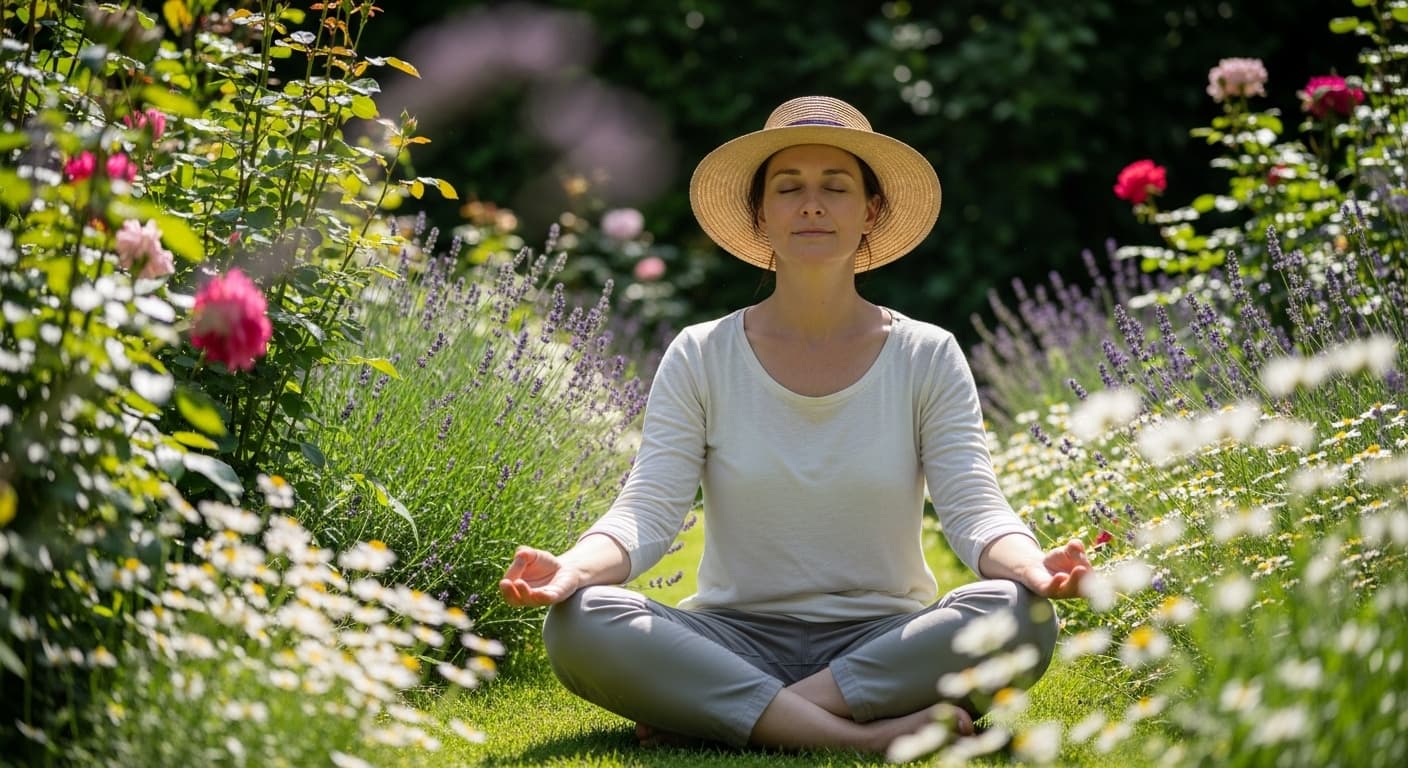
Cognitive Behavioral Therapy (CBT) Principles
CBT, the most researched anxiety treatment, addresses thinking patterns perpetuating anxiety.
Identify anxious thoughts: Notice automatic thoughts triggering worry. Example: "I'll definitely fail this presentation."
Question the evidence: Examine whether anxious thoughts match reality:
- What evidence supports this thought? (Often minimal)
- What evidence contradicts this thought? (Usually substantial)
- Is this thought helpful or harmful?
- What would I tell a friend with this thought?
Generate alternative thoughts: Replace automatic anxious thoughts with realistic, balanced alternatives:
- "I've successfully completed presentations before"
- "Nervousness is normal and manageable"
- "I can handle this regardless of outcome"
Practice regularly: Repeated thought challenging gradually rewires automatic anxiety responses.
Worry Time Practice
Rather than fighting worry, scheduled worry time paradoxically reduces overall anxiety.
Implementation:
- Schedule 15-20 minutes daily as "worry time"
- During this time, intentionally worry about concerns
- Outside worry time, acknowledge worry thoughts but postpone them to worry time
- After worry time, evidence that concerns either resolved or proved manageable often emerges
This approach prevents rumination throughout the day while honoring anxiety rather than suppressing it.
Acceptance and Commitment Therapy (ACT)
ACT differs from CBT by emphasizing acceptance of anxiety rather than elimination.
Key principles:
- Anxiety thoughts and sensations are normal, not dangerous
- Fighting anxiety paradoxically intensifies it
- Living aligned with personal values despite anxiety proves more effective
- Practice noticing anxious thoughts without reacting
Rather than "I must eliminate anxiety," ACT promotes "I can accept anxiety while living meaningfully."
Behavioral Strategies
Gradual Exposure
Avoidance perpetuates anxiety. Gradual exposure to feared situations while managing anxiety reduces fear and anxiety.
Implementation:
- Identify feared situations (presentation, social events, driving)
- Create hierarchy from mildly to extremely anxiety-provoking
- Gradually confront situations while using relaxation techniques
- Anxiety naturally diminishes with repeated, non-catastrophic exposure
Example hierarchy for public speaking anxiety:
- Think about giving a presentation (anxiety 2/10)
- Write a presentation (anxiety 3/10)
- Practice alone (anxiety 4/10)
- Practice with one friend (anxiety 5/10)
- Speak to small group (anxiety 6/10)
- Speak to large group (anxiety 7/10)

Behavioral Activation
Depression and anxiety often involve withdrawal and avoidance. Behavioral activation—engaging in meaningful activities—counteracts this.
Implementation:
- Maintain activity schedule even when not motivated
- Include activities providing pleasure and sense of accomplishment
- Schedule social activities
- Engage in physical activity
- Pursue hobbies and interests
Regular engagement in meaningful activities directly reduces anxiety and depression.
Lifestyle Modifications
Physical Exercise
Exercise reduces anxiety through multiple mechanisms [yoga and aerobic movement lowered anxiety and raised brain GABA in a randomized trial]:
- Releases endorphins (natural mood elevators)
- Processes stress hormones
- Improves self-esteem through accomplishment
- Provides healthy distraction
- Improves sleep quality
Evidence-based approach:
- 30 minutes moderate-intensity exercise, 5 days weekly
- Any activity you'll maintain consistently
- Combination of aerobic and strength training optimal
Sleep Optimization
Sleep deprivation significantly amplifies anxiety. Poor sleep makes anxiety management nearly impossible.
Sleep improvements reduce anxiety through:
- Restoring emotional regulation capacity
- Reducing stress hormone levels
- Supporting cognitive function
- Improving stress resilience
Implement sleep strategies from our comprehensive guide to improving sleep quality naturally (consistent schedule, cool dark bedroom, exercise timing, caffeine reduction).
Nutrition and Anxiety
Certain nutrients support anxiety management:
Key nutrients:
- Magnesium: Supports nervous system relaxation (200-400mg daily)
- Omega-3 fatty acids: Reduce inflammatory markers linked to anxiety
- B vitamins: Support nervous system function
- Amino acids: Support neurotransmitter production
Foods supporting anxiety management:
- Fatty fish (salmon, sardines)
- Leafy greens (magnesium)
- Nuts and seeds
- Whole grains
- Berries
- Dark chocolate
Substances exacerbating anxiety:
- Caffeine and stimulants
- Excessive sugar
- Refined carbohydrates
- Alcohol
- Highly processed foods
Limiting Screen Time and Social Media
Excessive screen time, particularly social media, significantly amplifies anxiety:
- Social comparison fuels anxiety
- Dopamine seeking creates unhealthy scrolling habits
- Blue light disrupts sleep
- Constant stimulation prevents relaxation
Implementation:
- 30-60 minute "screen-free" periods before bed
- Designated screen-free times and spaces (meals, first/last hour of day)
- Disable notifications to reduce constant engagement
- Use website blockers during focused work
Meditation and Mindfulness
Mindfulness Meditation
Mindfulness—non-judgmental present-moment awareness—reduces anxiety [mindfulness-based stress reduction lowers anxiety and stress across controlled trials], and a [randomized controlled trial of mindfulness meditation for generalized anxiety disorder] found meaningful symptom reduction. It works through:
- Breaking worry cycles focused on future
- Reducing rumination about past
- Building emotional regulation capacity
- Increasing self-compassion
Getting started:
- Find quiet location
- Sit comfortably with spine upright
- Close eyes and focus on natural breath
- When mind wanders (it will), gently return attention to breath
- Practice 10-20 minutes daily
Start with shorter durations (5-10 minutes) if longer periods feel overwhelming.
Loving-Kindness Meditation
This practice generates compassion and self-compassion, reducing anxiety.
Implementation:
- Silently repeat: "May I be safe, may I be healthy, may I be happy, may I live with ease"
- Extend same wishes to people you care about
- Extend to neutral people
- Extend to difficult people
- Extend to all beings
Regular practice reduces anxiety and increases emotional resilience.
Social Support and Connection
Strong social connections reduce anxiety and improve overall mental health.
Implementation:
- Maintain regular contact with supportive people
- Join groups aligned with interests
- Participate in community activities
- Consider group therapy or support groups
- Share feelings with trusted people
Isolation amplifies anxiety. Connection and support provide powerful anxiety management.
Natural Supplements for Anxiety
Magnesium
Magnesium supports nervous system relaxation, and low magnesium status is associated with higher anxiety.
Dosing: 200-400 mg daily (split doses), in a well-absorbed form. For how the forms compare, see our magnesium for sleep guide.
L-theanine
Amino acid from tea promoting relaxation without drowsiness — see our guide to pairing L-theanine with caffeine.
Evidence: A [randomized trial found L-theanine reduced stress-related symptoms]; moderate support for anxiety and relaxation
Dosing: 100-200 mg twice daily
Benefit: Works quickly (within 30-60 minutes) without side effects
Ashwagandha
Adaptogenic herb supporting stress and anxiety management.
Evidence: A [double-blind RCT found ashwagandha reduced stress and anxiety]; good support for anxiety reduction and stress resilience
Dosing: 300-500 mg twice daily
Considerations: Improves both anxiety and sleep, well-tolerated with minimal side effects
Passionflower
Traditional herb for anxiety showing moderate research support.
Evidence: Limited, preliminary evidence for generalized anxiety — fewer and smaller trials than the better-studied options above
Dosing: 500-1500 mg daily (divided doses)
Benefit: Particularly helpful for tension and worry
GABA
Neurotransmitter supplement for nervous system calming.
Evidence: Limited evidence for supplemental GABA (crosses blood-brain barrier poorly)
Alternative: L-theanine and magnesium support GABA production more effectively
Valerian Root
Traditional herb for anxiety and sleep.
Evidence: Limited-to-moderate for anxiety
Dosing: 400-900 mg daily
Considerations: Works better for sleep than pure anxiety, takes 2-4 weeks for full effect
When to Seek Professional Help
Consider professional support if:
- Anxiety significantly impairs functioning
- Symptoms persist despite self-help efforts
- Panic attacks occur regularly
- Anxiety prevents work, school, or relationship participation
- You have thoughts of harming yourself
If you are in crisis or having thoughts of harming yourself, contact the 988 Suicide & Crisis Lifeline (call or text 988 in the US) or your local emergency services right away — help is available now.
A mental health professional can:
- Provide formal CBT or other evidence-based therapy
- Assess whether medication might benefit you
- Develop personalized treatment plans
- Monitor progress and adjust approaches
Implementation Timeline
Week 1:
- Learn and practice breathing techniques
- Start grounding technique practice
- Begin sleep optimization
- Reduce caffeine
Week 2-3:
- Start meditation practice
- Implement behavioral activation
- Improve nutrition
- Begin gentle exposure to feared situations
Week 4-8:
- Continue consistent practices
- Notice anxiety reduction
- Build on initial improvements
- Adjust approaches based on what works
Ongoing:
- Maintain sustainable practices
- Adjust as life circumstances change
- Continue periodic professional support
- Celebrate progress
⚕️ Medical Disclaimer
This article is for educational purposes only. The strategies discussed complement but do not replace professional mental healthcare. Consult a qualified healthcare professional before making significant changes to anxiety management, especially if you take medications, have underlying health conditions, or experience severe anxiety. Professional treatment may be necessary for some individuals.Q: Can anxiety go away completely?
A: Most people reduce anxiety substantially. Some experience occasional anxiety even after successful treatment—this is normal. The goal is managing anxiety effectively, not eliminating it entirely.
Q: How long does it take these strategies to work?
A: Breathing techniques provide immediate relief. Regular practices show cumulative effects within 2-4 weeks. Deeper anxiety patterns require 8-12 weeks of consistent effort.
Q: Should I try all these approaches at once?
A: Start with 2-3 approaches, mastering them before adding others. Gradual implementation increases adherence and allows identification of what works for you specifically.
Q: What if nothing helps my anxiety?
A: Some people benefit from medication combined with these strategies. Discuss medication options with your healthcare provider if natural approaches provide insufficient relief.
Q: Can anxiety return after improvement?
A: Yes. Stress, major life changes, or inconsistency with practices can trigger anxiety return. This is normal and doesn't indicate failure. Returning to helpful practices usually rapidly improves anxiety again.
References
- Bhattacharya S, et al. Efficacy of cognitive behavioral therapy for anxiety-related disorders: a meta-analysis. Curr Psychiatry Rep, 2023.
- Hoge EA, et al. Randomized controlled trial of mindfulness meditation for generalized anxiety disorder. J Clin Psychiatry, 2013.
- Khoury B, et al. Mindfulness-based stress reduction for healthy individuals: a meta-analysis. J Psychosom Res, 2015.
- Ma X, et al. The effect of diaphragmatic breathing on attention, negative affect and stress. Front Psychol, 2017.
- Streeter CC, et al. Effects of yoga versus walking on mood, anxiety, and brain GABA levels. J Altern Complement Med, 2010.
- Chandrasekhar K, et al. A randomized, double-blind, placebo-controlled study of ashwagandha root extract in reducing stress and anxiety. Indian J Psychol Med, 2012.
- Hidese S, et al. Effects of L-theanine administration on stress-related symptoms and cognitive functions. Nutrients, 2019.
Rate this article
Click on a star to rate this article
Keep Reading
Cognitive Behavioral Techniques You Can Use in Daily Life
Master practical CBT strategies for managing anxiety, negative thoughts, and emotional challenges in everyday situations with evidence-based techniques.
Read article →
mental healthMindfulness Meditation: A Comprehensive Beginner's Guide
Learn how to start a mindfulness meditation practice with evidence-based techniques, common mistakes to avoid, and real benefits for stress reduction.
Read article →
mental healthCaffeine Half-Life: The 3pm Coffee Math Most People Miss
Caffeine half-life runs 5-6 hours. A 3pm coffee still has 25% of peak at 3am. The math behind the anxiety + sleep cost most adults underestimate.
Read article →

Vitality & Strength Editorial Team
Independent research synthesists — not licensed clinicians
Independent health writers and research synthesists. We are not doctors or registered dietitians; every claim we publish is sourced and linked to primary research, and we take no affiliate or industry money.