Yoga for Stress Relief: 10 Essential Poses to Calm Your Mind
Learn 10 yoga poses proven to reduce stress and anxiety. Master these poses for daily stress relief and better mental health.
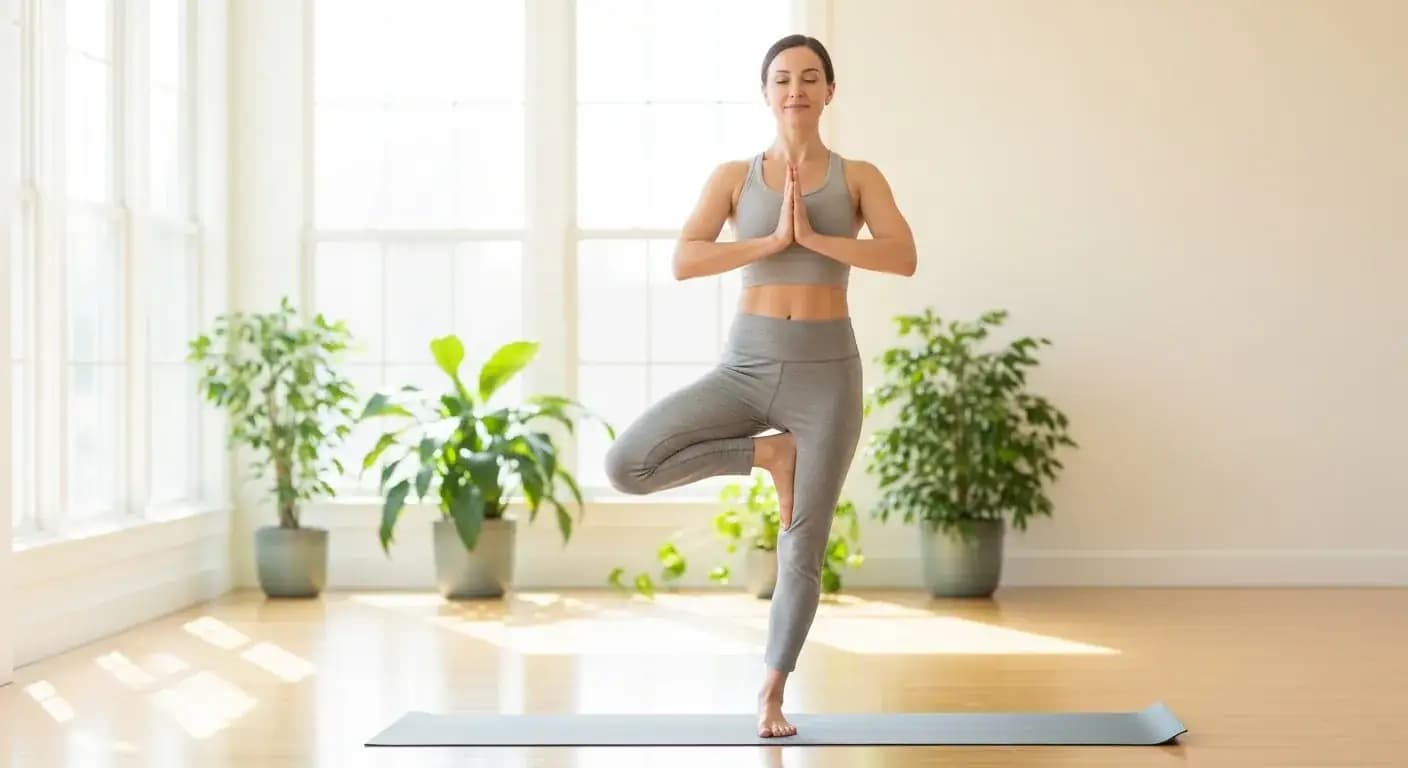
In our fast-paced, stress-filled world, finding effective stress management tools is crucial for mental and physical health. Yoga—an ancient practice combining physical postures, breathing techniques, and meditation—offers scientifically-proven stress relief benefits. Unlike medication with potential side effects, yoga provides natural, accessible stress management that improves both mental clarity and physical health. This guide introduces ten essential yoga poses specifically selected for their stress-relieving properties.
How Yoga Reduces Stress
Scientific Mechanisms
Research demonstrates that yoga reduces stress through multiple mechanisms:
Nervous System Activation Yoga activates the parasympathetic nervous system—your body's "rest and digest" mode. This counteracts the sympathetic nervous system's "fight or flight" stress response, lowering cortisol levels and promoting physiological relaxation.
Mindfulness and Awareness The focused attention required in yoga practice moves your mind from stress-generating rumination to present-moment awareness, breaking stress cycles.
Breathing Regulation Controlled breathing practices (pranayama) calm the nervous system directly. Slow, deep breathing signals safety to your brain, reducing anxiety and promoting relaxation.
Muscle Tension Release Gentle stretching and posture work release physical tension accumulated during stress. This mind-body connection means releasing physical tension reduces mental stress.
Hormonal Benefits Regular yoga reduces cortisol (stress hormone) while increasing GABA (calming neurotransmitter), naturally promoting relaxation.
10 Essential Stress-Relief Yoga Poses
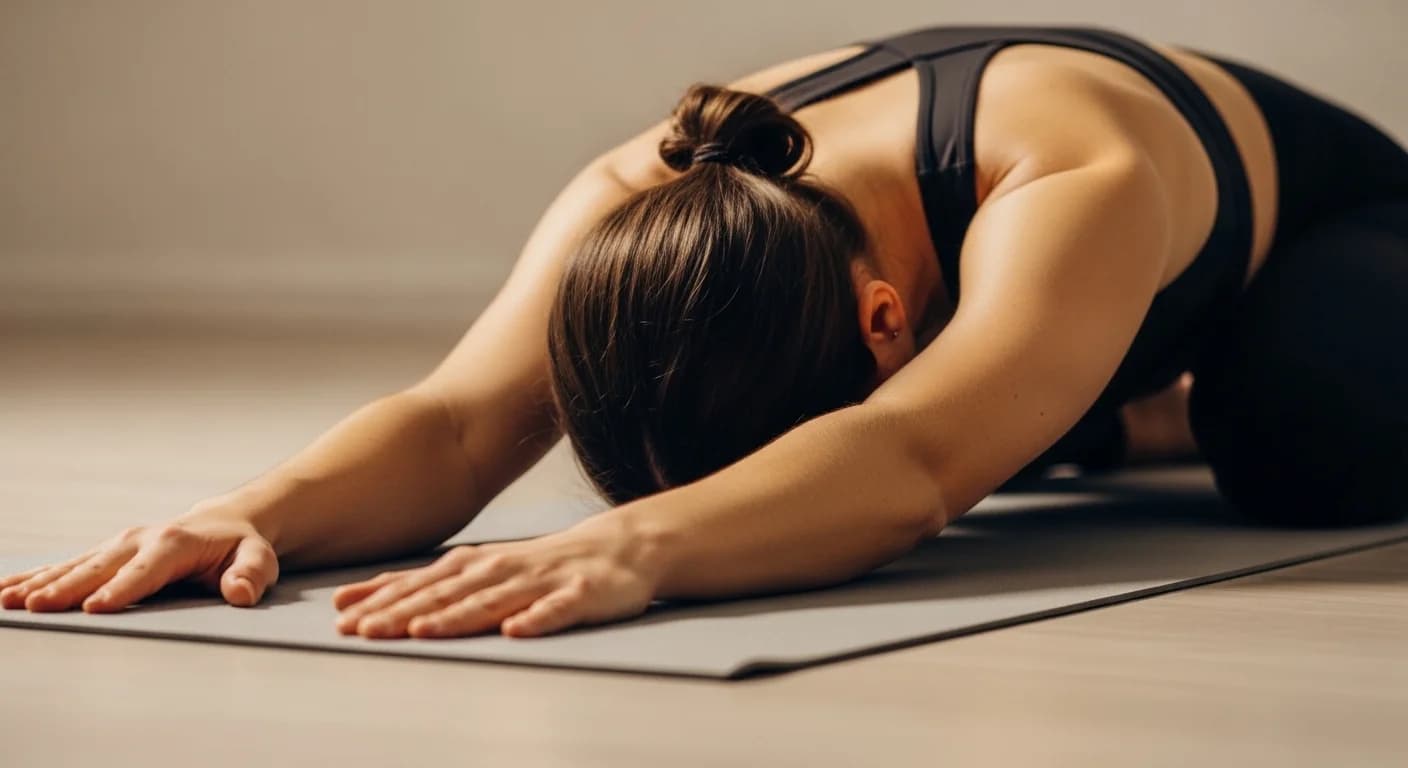
1. Child's Pose (Balasana)
Child's pose provides gentle relaxation while focusing attention inward.
How to perform:
- Kneel on your mat with big toes touching, knees wide
- Sink hips toward heels, extending arms forward
- Lower forehead to mat (or a pillow for support)
- Breathe slowly, feeling your belly expand
Benefits:
- Calms the mind and nervous system
- Stretches lower back
- Reduces heart rate
- Provides introspective refuge
Duration: 1-3 minutes
2. Legs Up the Wall (Viparita Karani)
This restorative pose reverses blood flow and calms the nervous system profoundly.
How to perform:
- Sit sideways against a wall with legs extended along the wall
- Lower your back to the ground, rotating to face upward
- Buttocks near the wall, legs vertical
- Place hands beside body, palms up
- Breathe slowly for 5-15 minutes
Benefits:
- Profoundly calming to the nervous system
- Reduces anxiety and insomnia
- Improves blood circulation
- Alleviates fatigue
Duration: 5-15 minutes
3. Corpse Pose (Savasana)
The ultimate relaxation pose, corpse pose integrates the benefits of yoga practice.
How to perform:
- Lie flat on your back with legs extended naturally
- Separate feet hip-width apart
- Arms at sides, palms facing up
- Close eyes and focus on breath
- Completely relax, releasing all tension
Benefits:
- Triggers deep relaxation response
- Reduces heart rate and blood pressure
- Calms racing thoughts
- Integrates practice benefits
Duration: 5-10 minutes (or longer)
4. Supported Child's Pose with Bolster
Adding support deepens relaxation and accessibility.
How to perform:
- Place a bolster or rolled blanket lengthwise on your mat
- Kneel with the bolster between your thighs
- Fold forward, resting your torso on the bolster
- Head rests on stacked hands or a pillow
- Shoulders relax away from ears
Benefits:
- Deeply grounding and calming
- Supports forward folds without strain
- Perfect for beginners or those with tight hips
Duration: 2-5 minutes
5. Cat-Cow Pose (Marjaryasana-Bitilasana)
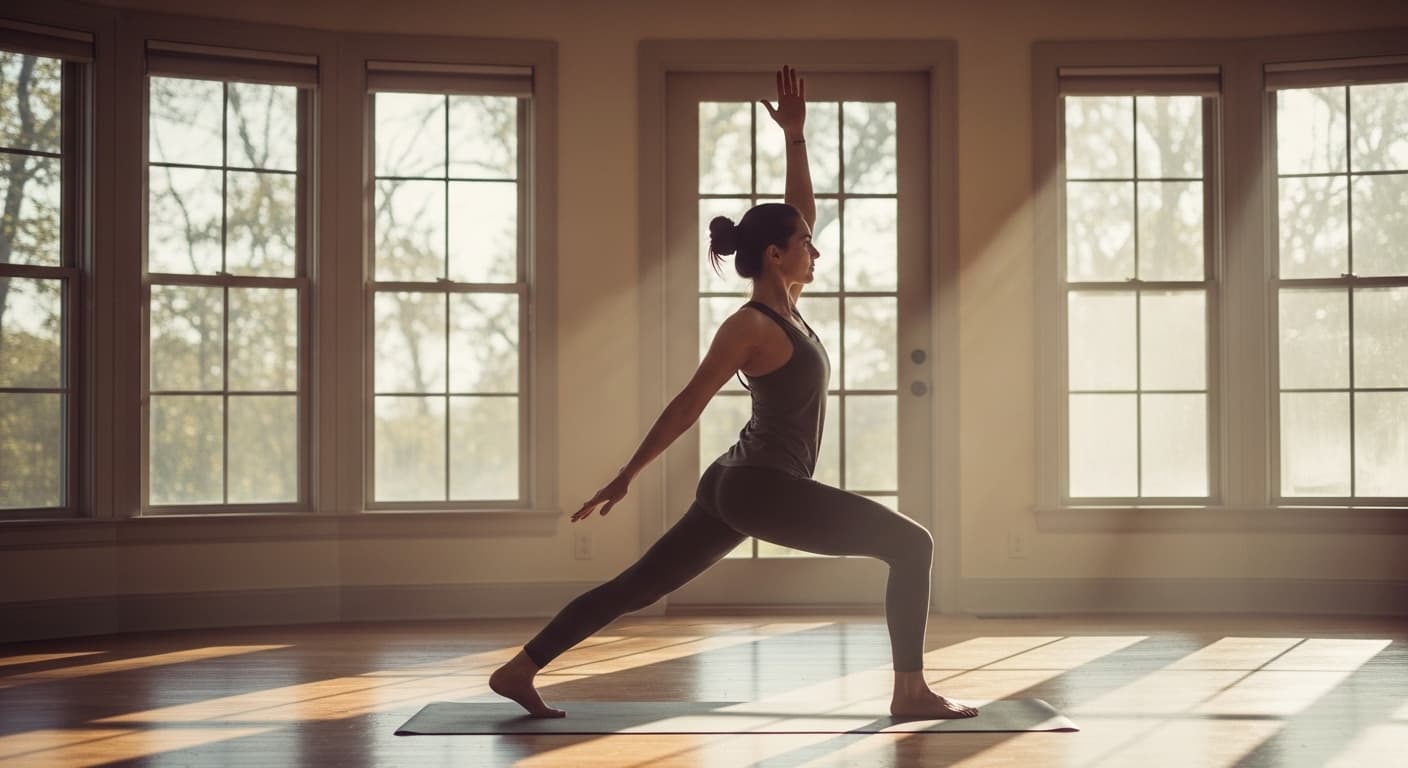
This gentle flowing movement coordinates breath with motion, calming the mind.
How to perform:
- Start on hands and knees, shoulders over wrists, hips over knees
- Cow: Inhale, drop belly, lift gaze, opening your chest
- Cat: Exhale, round spine, drop head, drawing navel toward spine
- Flow between positions with breath
Benefits:
- Reduces stress through breath-movement coordination
- Gently mobilizes the spine
- Improves breathing awareness
- Calms the nervous system
Duration: 1-3 minutes (10-20 cycles)
6. Standing Forward Fold (Uttanasana)
This inversion gently reverses blood flow and calms the mind.
How to perform:
- Stand with feet hip-width apart
- Fold forward from hips, letting arms hang
- Soften knees if needed
- Let head hang heavy
- Breathe deeply into any tension
Benefits:
- Mild inversion increases blood flow to brain
- Reduces anxiety and stress
- Stretches hamstrings and lower back
- Activates parasympathetic nervous system
Duration: 1-2 minutes
7. Downward Facing Dog (Adho Mukha Svanasana)
Though a more active pose, downward dog calms the mind through focused breath.
How to perform:
- From hands and knees, spread fingers wide
- Tuck toes, lift hips toward ceiling
- Head between arms, gazing at stomach
- Weight distributed evenly between hands
- Breathe deeply
Benefits:
- Calms the nervous system
- Stretches shoulders and hamstrings
- Improves circulation
- Builds confidence through mastery
Duration: 30 seconds to 1 minute
8. Supported Reclined Bound Angle (Supta Baddha Konasana)
This supported pose opens the heart while providing comfort.
How to perform:
- Place a bolster lengthwise on your mat
- Sit in front, bending knees and bringing soles of feet together
- Lie back over the bolster (supporting your back and head)
- Arms rest to sides, palms up
- Let your hips and shoulders relax open
Benefits:
- Opens heart center
- Calms anxiety
- Reduces tension in shoulders and chest
- Promotes deep relaxation
Duration: 3-8 minutes
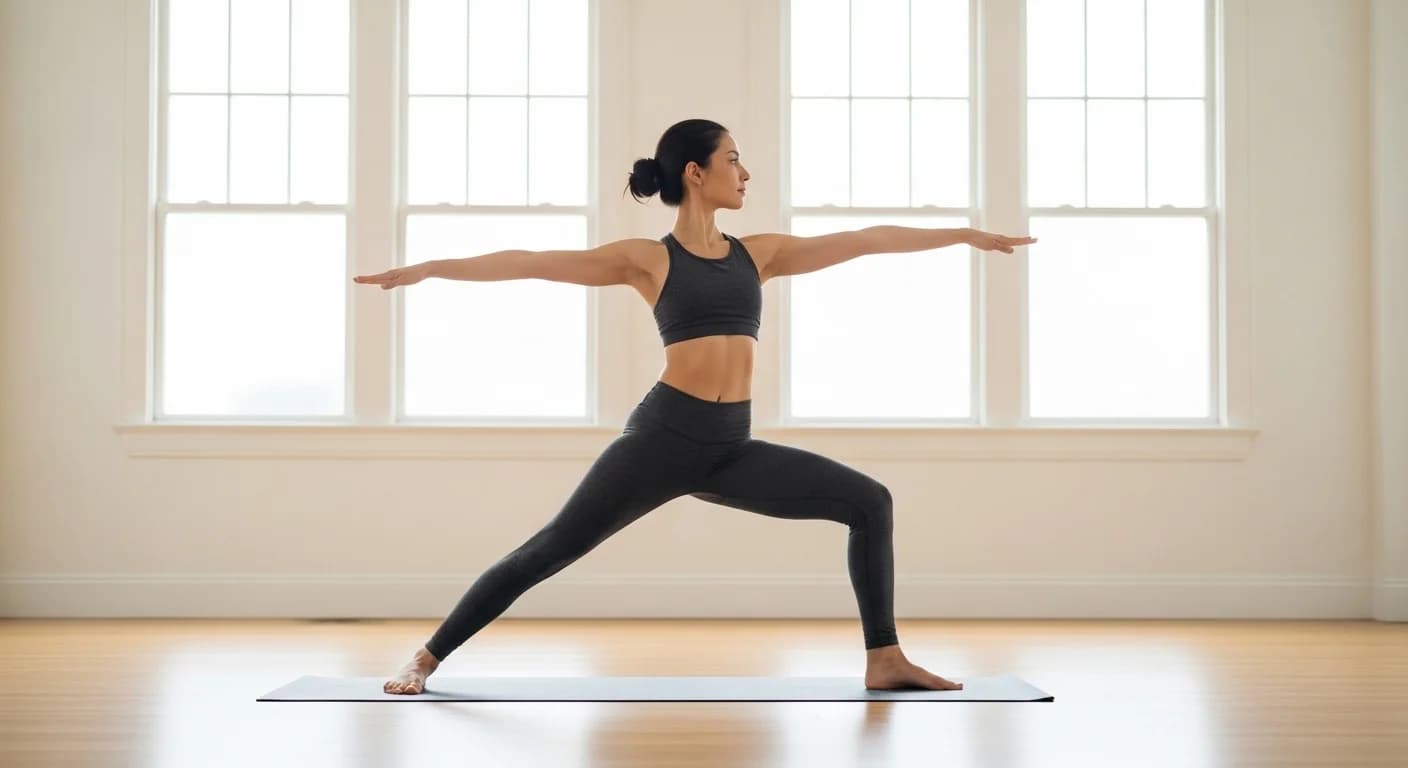
9. Legs Over a Chair (Supported Inversion)
This gentler inversion reverses gravity's stress on your body.
How to perform:
- Lie on your back with legs resting on a sturdy chair
- Thighs should be perpendicular to the ground, calves on chair
- Let arms rest to sides, palms up
- Close eyes and breathe deeply
Benefits:
- Reduces tension throughout the body
- Reverses blood pooling from stress
- Calms racing thoughts
- Accessible for everyone
Duration: 3-10 minutes
10. Guided Savasana with Breathing
Combining multiple relaxation techniques deepens stress relief.
How to perform:
- Lie in corpse pose as described
- Practice 4-7-8 breathing: inhale for 4 counts, hold for 7, exhale for 8
- Allow complete relaxation
- Let go of any control, simply observing breath
Benefits:
- Combines relaxation benefits
- Calms racing thoughts
- Reduces physiological stress markers
- Deepens meditation practice
Duration: 5-15 minutes
Building a Stress-Relief Yoga Practice
Quick 10-Minute Sequence
- Cat-Cow (1 minute)
- Child's Pose (2 minutes)
- Legs Up the Wall (5 minutes)
- Breathing exercises (2 minutes)
20-Minute Sequence
- Warm-up breathing (2 minutes)
- Cat-Cow flows (2 minutes)
- Standing Forward Fold (1 minute)
- Downward Dog (1 minute)
- Child's Pose (2 minutes)
- Supported Child's Pose with Bolster (3 minutes)
- Legs Over Chair (5 minutes)
- Savasana (4 minutes)
Daily Stress-Relief Practice
Commit to 10-15 minutes daily:
- Morning: Energizing practice for stress resilience
- Evening: Relaxation practice for sleep quality
- As-needed: Quick practices during stressful moments
Breathing Techniques (Pranayama)
Box Breathing for Immediate Calm
- Inhale for 4 counts
- Hold for 4 counts
- Exhale for 4 counts
- Hold for 4 counts
- Repeat 5-10 cycles
4-7-8 Breathing for Deep Relaxation
- Inhale through nose for 4 counts
- Hold breath for 7 counts
- Exhale through mouth for 8 counts (longer exhale activates parasympathetic system)
- Repeat 4-8 times
Tips for Maximum Stress Relief
Create Conducive Environment
- Practice in quiet, calm space
- Soften lighting with candles or dim lights
- Use yoga mat and comfortable props
- Wear comfortable, non-restrictive clothing
- Optional: gentle music or nature sounds
Practice Regularly
- Consistency matters more than intensity
- Daily practice yields compounding benefits
- Even 10 minutes regularly beats occasional long sessions
- Establish practice as daily self-care ritual
Honor Your Body
- Never force poses beyond comfortable stretch
- Use props freely without judgment
- Breathe through sensations rather than pushing
- Respect current capabilities while gradually progressing
Combine with Other Practices
- Meditation deepens stress relief
- Journaling before practice clarifies worries
- Aromatherapy enhances relaxation
- Herbal tea after practice supports calmness
⚕️ Medical Disclaimer
This article is for educational purposes only. Consult a healthcare professional before beginning yoga practice, especially if you have injuries, joint issues, back problems, pregnancy, or medical conditions. Work with a qualified yoga instructor to learn proper alignment and modifications. Some poses may require modifications for safety and individual needs.Q: Can I do yoga if I'm not flexible?
A: Absolutely. Yoga improves flexibility gradually. Start where you are, use props generously, and consistent practice develops flexibility over time. Props make poses accessible regardless of current flexibility.
Q: How quickly will I feel stress relief?
A: Some people feel calmer immediately after a single session. Sustained benefits appear within 2-3 weeks of consistent practice. Regular practitioners experience substantial anxiety and stress reduction.
Q: Do I need to be in good physical condition?
A: No. Gentle, restorative yoga works for all fitness levels. Start with basic poses and progress gradually. Physical fitness isn't a prerequisite.
Q: Can yoga replace therapy for anxiety?
A: Yoga supports mental health effectively but shouldn't replace professional mental healthcare for serious anxiety or depression. Discuss yoga as a complementary practice with your healthcare provider.
Q: What's the best time to practice yoga?
A: Morning practice energizes your day and builds stress resilience. Evening practice supports relaxation and sleep quality. Practice whenever fits your schedule—consistency matters more than timing.
References
- Pascoe MC, et al. "Yoga, mindfulness-based stress reduction and stress-related physiological measures: A meta-analysis." Psychoneuroendocrinology, 2017.
- Streeter CC, et al. "Effects of yoga versus walking on mood, anxiety, and brain GABA levels: a randomized controlled MRS study." Journal of alternative and complementary medicine (New York, N.Y.), 2010.
- National Center for Complementary and Integrative Health. "Yoga for Health." NCCIH.
- Woodyard, C. "Exploring the Therapeutic Effects of Yoga and Its Ability to Increase Quality of Life." International Journal of Yoga, vol. 4, no. 2, 2011, pp. 49-54.
Rate this article
Click on a star to rate this article
Keep Reading
Rucking for Beginners: How Much Weight, and What the Evidence Shows
Rucking for beginners — how to start, how much weight to carry, and which benefits the research supports. An honest guide to walking with weight.
Read article →
fitnessThe Evidence-Based Recovery Protocol Guide
Recovery ranked by evidence: sleep first, then sauna, cold, and Zone 2 - plus the popular tools that don't work (and the ice bath that backfires).
Read article →
fitnessVO2 Max: The Best Single Predictor of How Long You Live
VO2 max is a stronger mortality predictor than smoking or diabetes. What good vs poor looks like by age, the 4x4 protocol that raises it fastest, and why HIIT
Read article →

Vitality & Strength Editorial Team
Independent research synthesists — not licensed clinicians
Independent health writers and research synthesists. We are not doctors or registered dietitians; every claim we publish is sourced and linked to primary research, and we take no affiliate or industry money.