Ashwagandha: Benefits, Dosage, Side Effects and What Research Shows
Evidence-based guide to ashwagandha supplementation including mechanisms, research-backed benefits, optimal dosing, and potential side effects to monitor.
Introduction
Ashwagandha (Withania somnifera) has been a cornerstone of traditional Ayurvedic medicine for over 3,000 years, prized for its stress-reducing and vitality-enhancing properties. In recent decades, Western scientific research has validated many traditional uses while uncovering the mechanisms underlying its effects.
Today, ashwagandha is one of the most researched herbal supplements, with over 200 peer-reviewed studies examining its effects on stress, anxiety, sleep, athletic performance, and cognitive function. Unlike many supplement claims, ashwagandha's benefits are supported by robust clinical evidence.
This comprehensive guide explores what research shows about ashwagandha, how to use it effectively, and important safety considerations.
What is Ashwagandha?
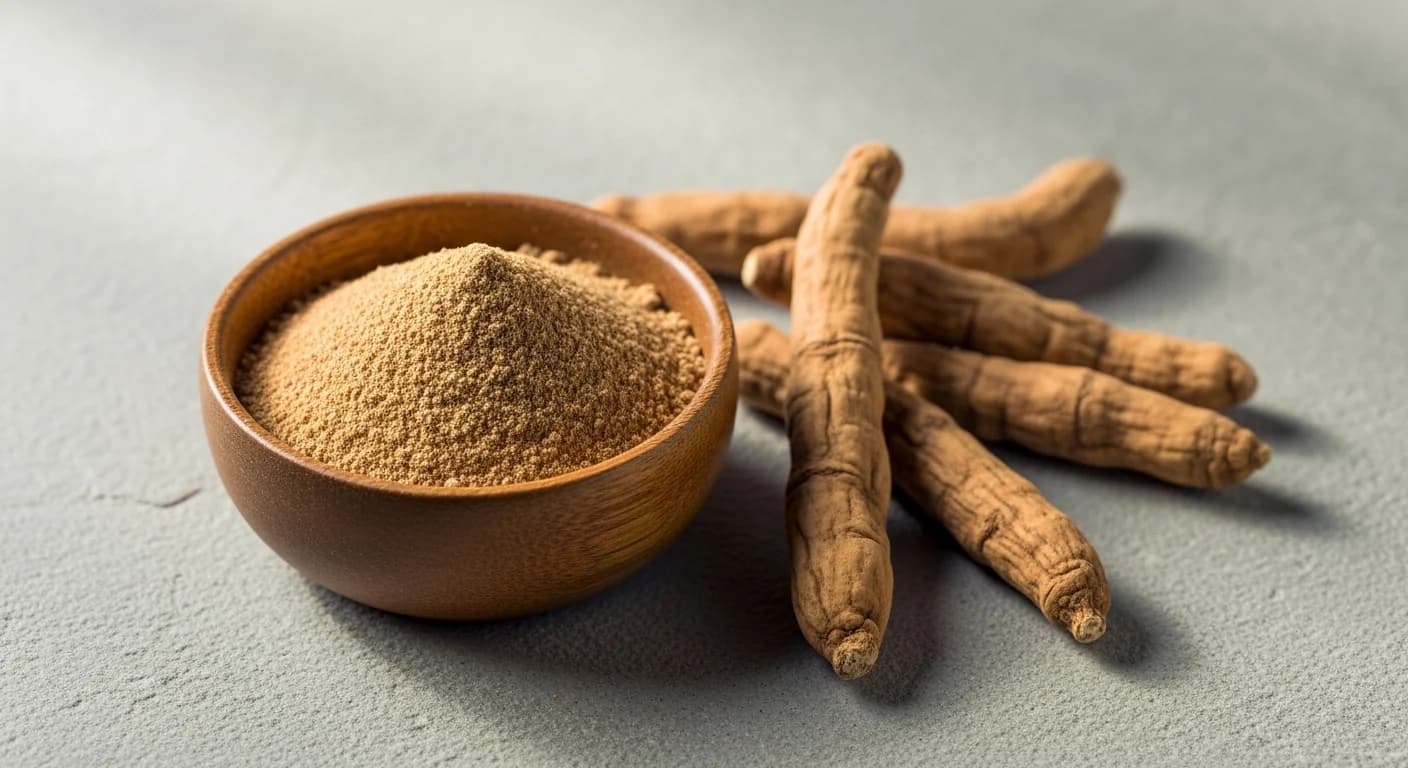
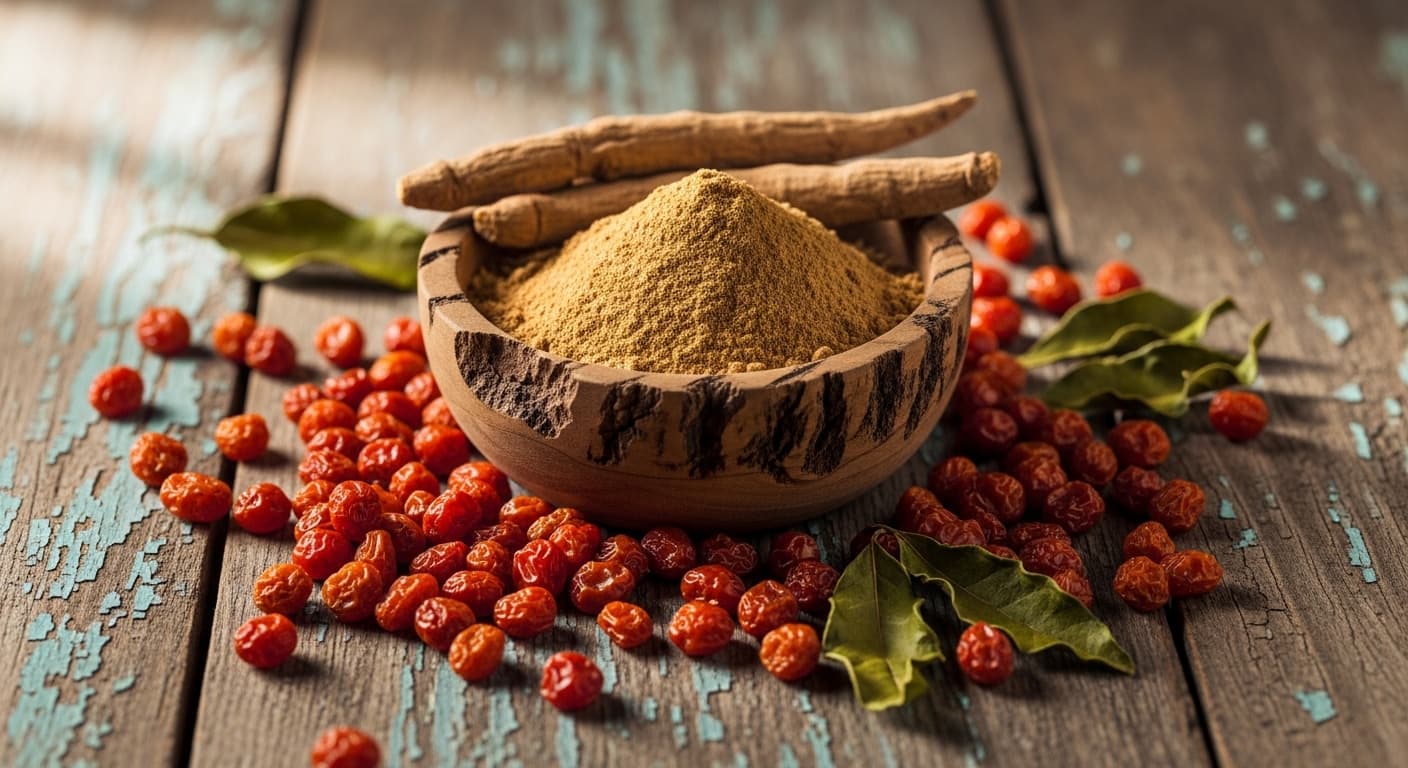
Ashwagandha is a small shrub native to India and Southeast Asia. The supplement comes from the plant's roots and berries, which contain active compounds called withanolides—alkaloid compounds responsible for ashwagandha's biological effects.
Withanolides work through multiple mechanisms in the body, explaining ashwagandha's diverse effects. These compounds interact with the hypothalamic-pituitary-adrenal (HPA) axis, the system controlling stress response and cortisol production. Ashwagandha doesn't simply mask symptoms—it appears to optimize stress physiology itself.
Research-Backed Benefits
Stress and Cortisol Reduction
The most robust evidence supports ashwagandha's stress-reducing effects. In a [randomized, double-blind, placebo-controlled trial], participants taking a high-concentration ashwagandha extract saw roughly a 28% reduction in serum cortisol and significant improvements in perceived stress over 8 weeks. If chronic stress is your main concern, pair this with the behavioral basics in our guide to reducing cortisol naturally.
A separate [randomized controlled trial in adults with chronic stress] found that ashwagandha extract reduced anxiety and perceived stress and improved sleep quality versus placebo, with good tolerability.
The mechanism: Ashwagandha's withanolides reduce HPA axis hyperactivity, the physiological state where your nervous system remains "stuck" in stress mode. By normalizing this system, ashwagandha helps your body downregulate stress appropriately.
Improved Sleep Quality
Multiple studies demonstrate ashwagandha's benefit for sleep. A [randomized, double-blind, placebo-controlled trial] found that ashwagandha improved sleep quality, shortened the time to fall asleep, and increased sleep duration, with more consolidated sleep. For the foundational habits it complements, see our guide to improving sleep quality naturally.
Unlike pharmaceutical sleep aids, ashwagandha doesn't cause grogginess or dependency. Instead, it appears to optimize the nervous system's transition into sleep through stress reduction and potentially direct effects on sleep-regulating neurotransmitters like GABA.
Anxiety Reduction
Clinical trials consistently find ashwagandha reduces anxiety symptoms [a randomized, double-blind, placebo-controlled trial]. It is not a replacement for prescribed treatment, but it can complement the non-medication strategies in our guide to managing anxiety without medication.
Cognitive Function
Research suggests ashwagandha supports memory and cognitive performance. A [randomized, double-blind, placebo-controlled trial] reported improved memory, attention, and information-processing speed with ashwagandha, particularly in adults with mild cognitive complaints.
Athletic Performance and Recovery
Ashwagandha may benefit athletic performance by reducing cortisol, improving sleep quality, and supporting recovery. Studies in athletes show:
- Improved muscle strength and endurance
- Faster recovery time between workouts
- Enhanced oxygen utilization
- Reduced exercise-induced muscle damage
A [randomized controlled trial] found that resistance-training men taking ashwagandha gained significantly more muscle strength (bench press and leg extension) and size than those on placebo.
Blood Sugar and Metabolic Health
Emerging research suggests ashwagandha may support healthy blood glucose levels. Animal studies show consistent benefits, and limited human research indicates potential improvements in fasting blood glucose and insulin sensitivity. However, human evidence remains preliminary.
How Ashwagandha Works: Mechanisms
HPA Axis Optimization
The hypothalamic-pituitary-adrenal axis controls your stress response. In chronic stress, this system becomes dysregulated—remaining in an "on" state. Ashwagandha's withanolides appear to normalize HPA function, helping your nervous system appropriately upregulate and downregulate stress response.
GABA Enhancement
Ashwagandha may increase GABA, the primary inhibitory neurotransmitter that promotes relaxation and sleep. GABA deficiency is associated with anxiety. By supporting GABAergic function, ashwagandha enhances calming effects.
Anti-inflammatory Effects
Chronic stress and anxiety involve inflammatory pathways. Ashwagandha demonstrates anti-inflammatory effects, reducing inflammatory markers associated with these conditions.
Antioxidant Support
Withanolides provide antioxidant protection, reducing oxidative stress that contributes to aging and disease.
Dosage and Usage Guidelines
Typical Dosing Protocols
Research supports the following dosing approaches:
For stress and anxiety: 300-600mg daily, divided into 2-3 doses
For sleep: 300-600mg taken 30-60 minutes before bedtime
For athletic performance: 600mg daily, divided into 2 doses
For cognitive support: 300-600mg daily
Standardization
Quality matters substantially with ashwagandha. Choose supplements standardized to withanolides (the active compounds). Look for products containing:
- Minimum 3-5% withanolides (higher is better, up to 35%)
- Third-party testing certification (USP, NSF, or ConsumerLab)
- Reputable manufacturers
Timeline for Results
Most research participants began noticing benefits after 2-4 weeks of consistent use. Sleep improvements often appear first, followed by stress reduction. For maximum benefits, use ashwagandha for 8-12 weeks before assessing results.
Practical Application
- Start with 300mg daily if new to ashwagandha
- Take with food to enhance absorption
- If tolerating well after 1 week, increase to 600mg daily if desired
- Divide doses for more consistent effects
- Consistency matters more than dosage—daily use is essential
Potential Side Effects and Safety
Common Side Effects
Most people tolerate ashwagandha excellently. The most frequently reported side effects are mild:
- Gastrointestinal upset (usually resolves with consistent use)
- Dizziness
- Dry mouth
- Drowsiness
These typically occur in 5-10% of users and are mild.
Less Common Effects
Rarely, people experience:
- Headaches
- Muscle pain
- Allergic reactions (very uncommon)
Who Should Avoid Ashwagandha
Ashwagandha may not be appropriate for:
Pregnant women: Ashwagandha may stimulate uterine contractions, potentially increasing miscarriage risk. Avoid during pregnancy.
Breastfeeding women: Insufficient safety data exists. Consider alternatives.
Thyroid conditions: Ashwagandha may increase thyroid hormone production. Those with hyperthyroidism or taking thyroid medications should consult their healthcare provider.
Autoimmune conditions: Ashwagandha may enhance immune function, potentially problematic for those with autoimmune diseases. Medical supervision recommended.
Sedative medications: Ashwagandha's sedating effects may enhance pharmaceutical sedatives. Combined use should be medically supervised.
Stomach ulcers: Ashwagandha may increase stomach acid, potentially worsening ulcer symptoms.
Drug Interactions
Potential interactions exist with:
- Thyroid medications
- Immunosuppressants
- Sedating medications
- Diabetes medications (potential additive blood sugar effects)
- Blood pressure medications
If taking any medications, consult your healthcare provider before starting ashwagandha.
Quality and Selection Considerations
The supplement industry has minimal FDA oversight. Quality varies substantially between brands. Recommendations for selection:
- Third-party testing: Look for USP, NSF, or ConsumerLab verification
- Withanolide content: Choose products standardized to 5-35% withanolides
- Reputable brands: Select from established manufacturers with quality reputations
- Avoid proprietary blends: Single-ingredient ashwagandha products are preferable
- Check reviews: Look for verified purchase reviews from other users
Expect to pay $12-25 monthly for quality ashwagandha supplements.
Ashwagandha vs. Similar Adaptogens
Ashwagandha belongs to a class of herbs called adaptogens—substances that help the body adapt to stress. Other popular adaptogens include:
- Rhodiola: Enhances energy and mental clarity (more stimulating)
- Holy Basil: Provides mild stress relief (less powerful than ashwagandha)
- Ginseng: Energizing adaptogen (stimulating effects)
Ashwagandha's primary advantage is its combination of stress reduction with sleep enhancement. Most adaptogens are more energizing.
Integration with Lifestyle
Ashwagandha works optimally when combined with fundamental wellness practices:
- Regular exercise (supports stress reduction)
- Consistent sleep schedule (ashwagandha enhances natural sleep)
- Stress management (meditation or deep breathing)
- Healthy nutrition
- Limited caffeine and alcohol
Think of ashwagandha as supporting, not replacing, these core practices.

⚕️ Medical Disclaimer
This article is for educational purposes only. Ashwagandha may interact with medications and medical conditions. Consult a healthcare professional before starting supplementation, especially if pregnant, breastfeeding, or taking medications that affect thyroid function or immune response.How long does ashwagandha take to work? Most people begin noticing benefits after 2-4 weeks of consistent use, though some experience effects within 5-7 days. Stress reduction and improved sleep often appear first. For maximum benefits, consistent use for 8-12 weeks is recommended. Ashwagandha works best as a long-term supplement rather than acute treatment.
Is ashwagandha safe to take long-term? Ashwagandha appears safe for long-term use based on current evidence, with multiple studies tracking safety over 8-12 week periods showing minimal adverse effects. However, research on safety beyond 12 weeks is limited. Taking periodic breaks (like 1-2 weeks every 3 months) is a conservative approach. Always consult your healthcare provider before long-term supplementation.
Can I take ashwagandha with medications? Ashwagandha may interact with certain medications, particularly thyroid medications, medications affecting the immune system, and sedating drugs. If you take any medications, consult your healthcare provider before starting ashwagandha. Blood tests and monitoring may be recommended if combining with specific medications.
References
- Chandrasekhar K, et al. A prospective, randomized double-blind, placebo-controlled study of a high-concentration ashwagandha root extract in reducing stress and anxiety. Indian J Psychol Med, 2012.
- Lopresti AL, et al. An investigation into the stress-relieving and pharmacological actions of an ashwagandha extract: a randomized, double-blind, placebo-controlled study. Medicine, 2019.
- Salve J, et al. Adaptogenic and anxiolytic effects of ashwagandha root extract in healthy adults: a randomized, double-blind, placebo-controlled trial. Cureus, 2019.
- Langade D, et al. Efficacy and safety of ashwagandha root extract in insomnia and anxiety: a double-blind, randomized, placebo-controlled study. Cureus, 2019.
- Choudhary D, et al. Efficacy and safety of ashwagandha root extract in improving memory and cognitive functions. J Diet Suppl, 2017.
- Wankhede S, et al. Examining the effect of Withania somnifera supplementation on muscle strength and recovery: a randomized controlled trial. J Int Soc Sports Nutr, 2015.
Rate this article
Click on a star to rate this article
Keep Reading
How to Reduce Cortisol Levels Naturally: Science-Based Strategies
Evidence-based strategies to naturally lower cortisol levels including sleep optimization, stress management, exercise, and nutrition for improved wellness.
Read article →
holistic wellnessCold Water Immersion Protocol: Time and Temperature
The cold water immersion protocol the research actually supports: around 11 minutes per week at 50-59 F. Time, temperature, timing, and contraindications,
Read article →
holistic wellnessSauna Protocol: 4 Times a Week Cuts Mortality 40%
Sauna protocol: The Finnish sauna study (KIHD): 4-7 sessions per week cut all-cause mortality 40%. Exact protocol, why infrared doesn't replicate it, real
Read article →

Vitality & Strength Editorial Team
Independent research synthesists — not licensed clinicians
Independent health writers and research synthesists. We are not doctors or registered dietitians; every claim we publish is sourced and linked to primary research, and we take no affiliate or industry money.