Fiber Math: How 30g a Day Reshapes Your Gut
30g of fiber a day: 30g of fiber per day shifts your microbiome and lowers cardiovascular risk. What 30g looks like on a plate, why total volume beats the
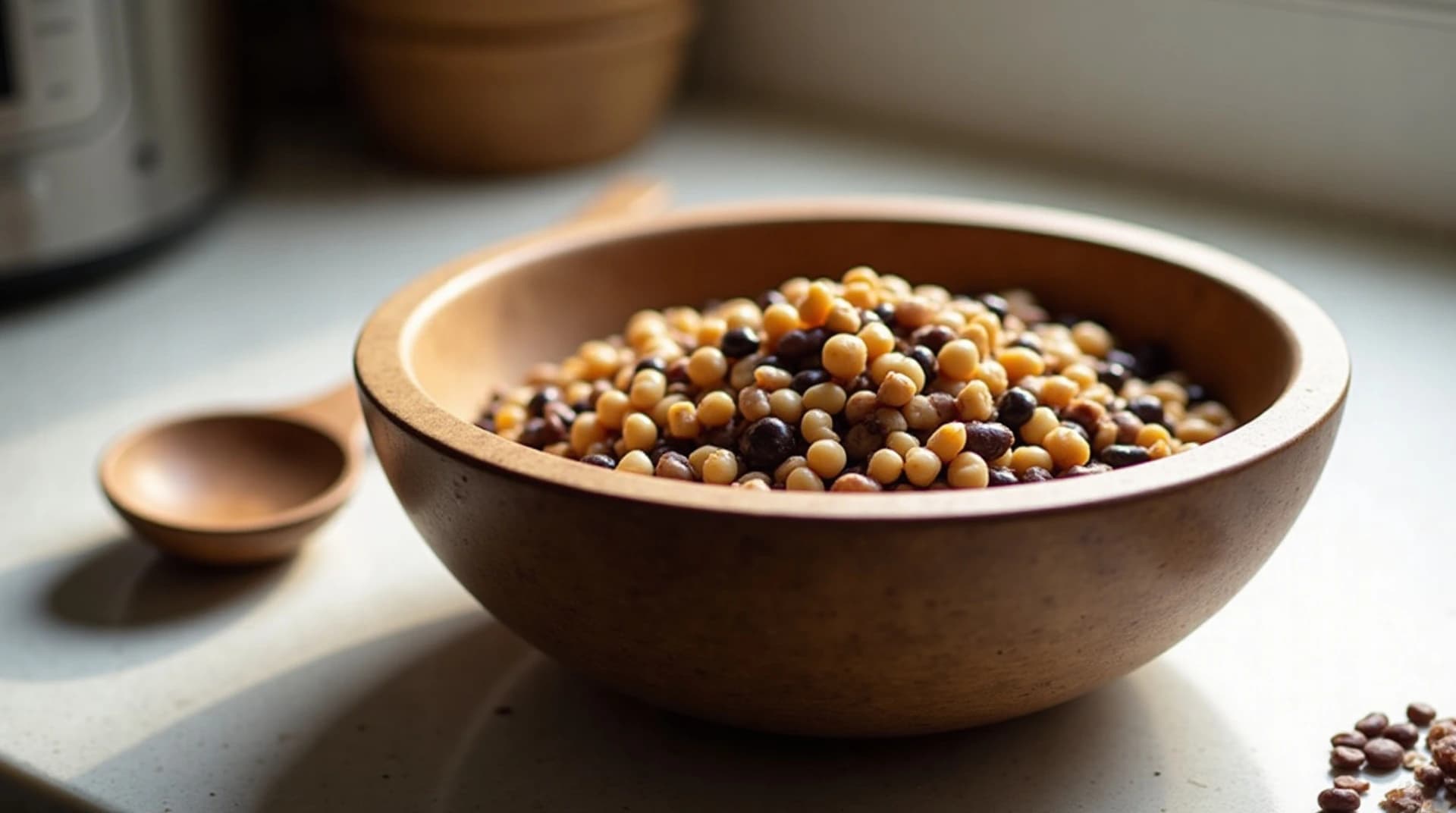
The average American eats around 15 grams of fiber per day. The dose-response data for almost every fiber benefit — cardiovascular risk, all-cause mortality, microbiome diversity, even appetite regulation — keeps pointing at 30 grams or more. Eating 30g of fiber a day is not a minor diet tweak; it doubles what most people are getting. And here is the catch most articles miss: 30g of fiber a day is harder to hit than the tracker apps make it look, the soluble-versus-insoluble debate is mostly a distraction, and the real benefits come from feeding your gut bacteria the fermentable substrates they have been starving for. This article shows what a 30g day actually looks like on a plate, why total volume matters more than the type, and the short-chain fatty acids your colon makes when you finally feed it properly.
⚕️ Medical Disclaimer
This article is for informational purposes only. Consult a qualified healthcare provider before changing any supplement, training, or dietary routine.What current fiber intake actually looks like in adults
The dietary reference intake for fiber is 25 to 38 grams per day depending on age and sex. Most adults in the United States and Europe come in well under that. NHANES data for the US puts the median around 15 grams per day for adults and even lower for adolescents. The gap between recommended and actual is one of the largest in any nutrient guideline.
[Cleveland Clinic's review] notes that this 15-gram baseline is roughly what hunter-gatherer populations exceed many times over, with traditional African rural diets sometimes hitting 50 to 100 grams a day. The cardiovascular and colorectal cancer rates in those populations are also dramatically lower, though fiber is one variable among many.
The 30-gram target is not arbitrary. A 2019 Lancet meta-analysis of 185 prospective studies and 58 trials found that intakes of 25 to 29 grams per day were associated with the largest reductions in all-cause mortality and cardiovascular disease, with benefits continuing up to roughly 40 grams. Going much higher than 40 added little additional protection.
How fiber feeds the gut and produces short-chain fatty acids
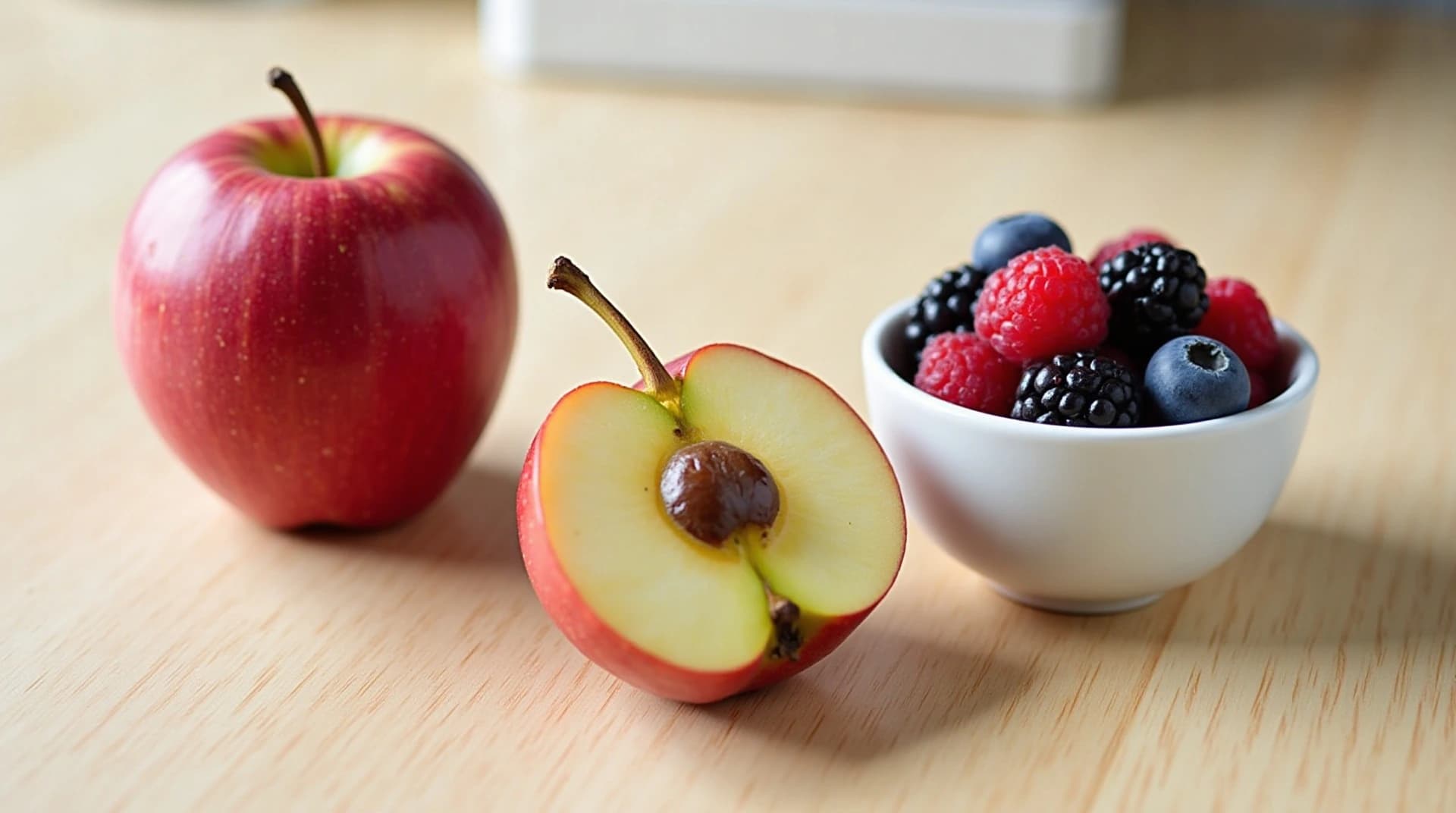
Fiber is technically anything in plant food that resists digestion in the small intestine. What resists digestion reaches the colon. There, your gut bacteria — trillions of them — break it down through fermentation. The byproducts are short-chain fatty acids (SCFAs), primarily butyrate, propionate, and acetate.
What each SCFA does
Butyrate is the preferred fuel for the cells lining your colon. They depend on it for energy and barrier integrity. Propionate travels to the liver and helps regulate cholesterol synthesis. Acetate enters general circulation and influences appetite hormones in the brain. These are not theoretical effects — they are directly measurable in plasma and stool samples.
Why total volume matters
Different bacteria specialize in different fibers. Bifidobacterium prefer fructans (onions, garlic). Faecalibacterium prausnitzii ferments resistant starch (cooled potatoes, slightly green bananas). Beta-glucan from oats feeds yet another guild. Eating a wider variety of plant foods means feeding more bacterial guilds, which is why diversity matters more than the type of fiber on any given day.
30g of fiber a day on an actual plate
The biggest blind spot in fiber tracking is portion realism. People imagine a salad covers their target. A typical mixed-greens salad with vinaigrette and cucumber delivers about 3 to 4 grams of fiber. To hit 30g of fiber a day, you need a deliberate plan, not a vague intention.
A realistic 30-gram day
Breakfast: rolled oats (40g dry, ~4g fiber) with one small apple (~3g) and a tablespoon of chia seeds (~5g). That's 12g before lunch.
Lunch: a cup of cooked black beans (~15g fiber) on a bowl of mixed greens with half an avocado (~5g) and roasted vegetables (~3g). That alone clears the daily target. Most people don't eat lunches that look like this. Most people who hit 30g consistently are doing it through legumes — beans, lentils, chickpeas — every single day.
Foods most people overestimate
Almonds (3g per 30g serving), broccoli (2.5g per cup), strawberries (3g per cup), and whole-grain bread (2g per slice) are all fine foods, but they don't stack up to your daily target on their own. Tracker apps round numbers up. [Harvard Health] notes that self-reported intake estimates routinely overshoot measured intake by 30 to 40 percent.
Soluble vs insoluble fiber and why the distinction is overhyped
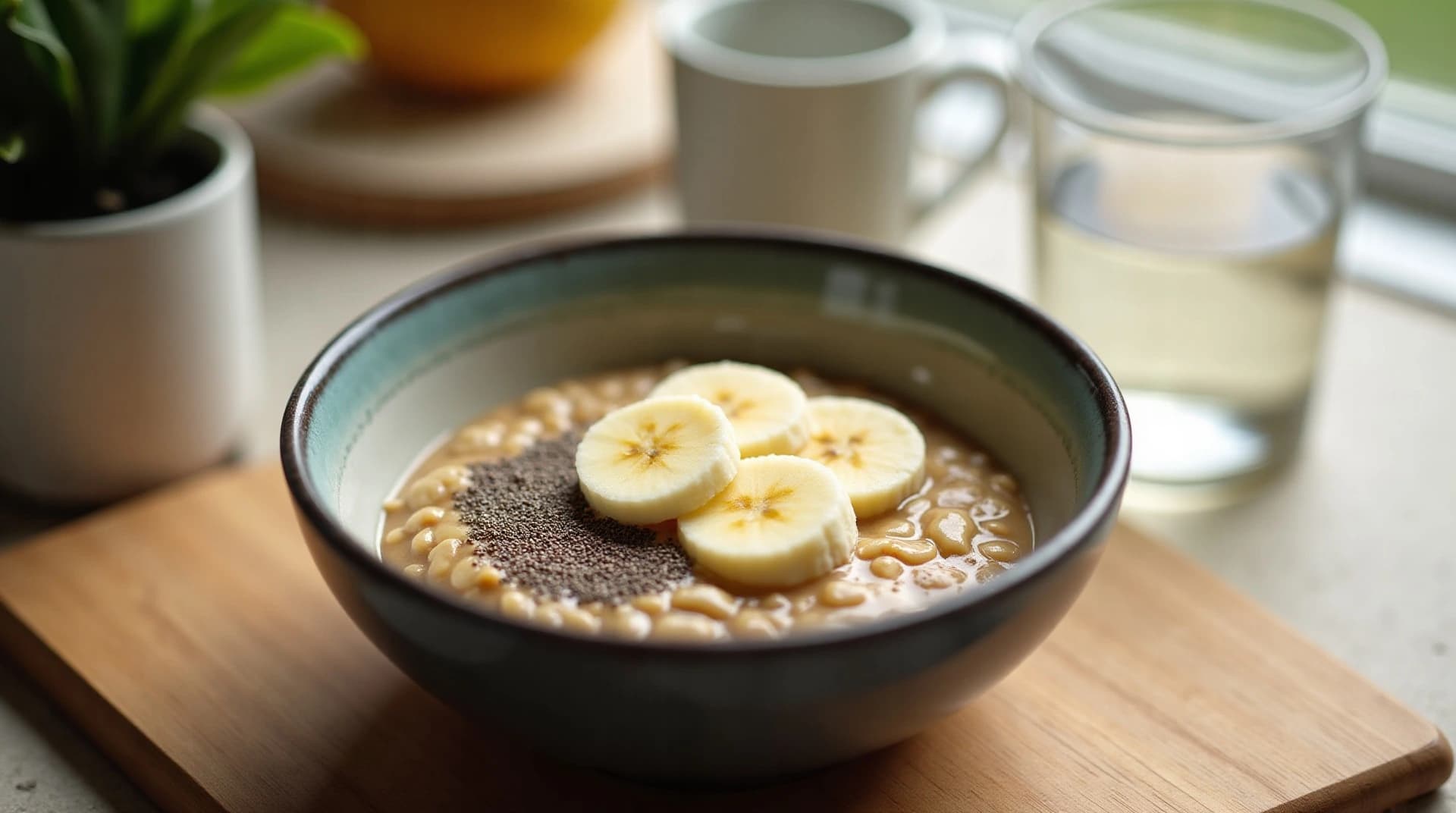
Older nutrition guidance was obsessed with soluble versus insoluble fiber. Soluble fiber dissolves in water, forms a gel, slows stomach emptying, and binds cholesterol. Insoluble fiber stays bulky, increases stool weight, and shortens transit time. Both are good. Both come from the same plant foods at varying ratios.
Why total volume beats the breakdown
Almost no one tracks soluble versus insoluble — and they don't need to. If you are eating 30 grams a day from a variety of plant sources, you are getting a useful mix automatically. Oats, beans, and apples lean soluble. Whole wheat, leafy greens, and nuts lean insoluble. A diverse diet covers both ranges without calculation.
Where the distinction does matter
For specific clinical issues — diverticulosis flares, constipation-predominant IBS, IBS-D — your clinician may recommend one over the other temporarily. Outside those targeted situations, the soluble-vs-insoluble framing distracts from the actual problem, which is that most people are not eating enough of either.
Why fiber supplements are not a substitute for food
Psyllium husk, methylcellulose, and inulin powders all add measurable fiber to your day. They have legitimate uses. But they are not equivalent to food, and the difference matters more than the marketing suggests.
What supplements do well
Psyllium has the strongest evidence among isolated fibers. It lowers LDL cholesterol modestly, improves stool consistency in both diarrhea and constipation, and is well tolerated. [A meta-analysis of 28 trials] found psyllium reduced LDL by about 7 mg/dL across studies, a clinically meaningful shift.
What they don't do
Isolated fibers feed a narrower set of bacterial guilds than whole foods. They don't bring the polyphenols, vitamins, or food matrix that whole plant foods deliver. Studies that compare microbiome shifts from supplemented fiber against the same dose from whole foods consistently show whole foods produce broader diversity changes. Use supplements as a top-up when food is hard, not as a replacement strategy.
What the evidence supports vs popular claims
Fiber has accumulated a long list of health claims, some strongly supported and some shaky.
Strongly supported by current data:
- 25-29g/day is associated with the largest cardiovascular and all-cause mortality reductions in prospective data
- Higher fiber intake correlates with reduced colorectal cancer risk
- Soluble fiber (especially beta-glucan and psyllium) modestly lowers LDL
- Adequate fiber relieves constipation and improves stool form
- 30g of fiber a day from food shifts gut microbiome composition within 2-4 weeks
Weakly supported or inconsistent:
- Fiber supplements alone produce the same outcomes as fiber from whole foods
- A high fiber intake "detoxes" the body in any specific sense
- Fiber prevents diverticular disease (the older theory has been revised)
- More fiber is always better; benefits plateau around 35-40g per day
[The 2019 Lancet meta-analysis] remains the reference document for the dose-response shape — strong below 25g, plateauing above 40g.
When to ramp slowly: bloating, IBS, and SIBO
Going from 15 to 30 grams of fiber per day overnight will cause gas, bloating, and abdominal discomfort. The fermentation rate ramps faster than your bacteria can adjust their populations, and the byproduct gases — hydrogen, methane, carbon dioxide — accumulate.
A two-week ramp protocol
Add 5 grams every 3 to 4 days. Drink more water (fiber draws fluid into the colon). Symptoms peak around day 5 to 7 and usually settle by week 2 to 3 as the microbiome adjusts. If symptoms get worse rather than better at week 3, that is a signal to investigate.
When fiber makes things worse
Patients with active IBS-D, small intestinal bacterial overgrowth (SIBO), or active inflammatory bowel disease often feel worse on a high-fermentable load. Low-FODMAP elimination is sometimes the right starting point in those cases — not as a permanent diet, but as a short-term tool. [Cleveland Clinic] recommends working with a registered dietitian for any GI condition where standard high-fiber advice has failed.
How to get to 30g: a 4-week plan
Two non-negotiable rules for ramping fiber: go slow, and track for the first few weeks. Tracker apps round generously, so cross-check at least once.
Week 1. Track your baseline for 5 days. Don't change anything yet. Most people land between 12 and 18 grams. Pick the one daily meal that has the most room — usually breakfast or lunch.
Week 2. Upgrade that meal. Swap white toast for steel-cut oats with fruit. Or add half a cup of beans to a salad. Aim to add 5 grams over baseline daily. Drink more water. Mild bloating is normal.
Week 3. Add a second high-fiber anchor at a different meal. A bean-based soup, a lentil pasta, a chickpea salad. Most people are now between 22 and 28 grams.
Week 4. Add the third anchor and a daily snack of nuts plus a fruit. By the end of the week, the 30-gram day should feel routine. If you are stalling, the single most efficient lever is legumes — half a cup of cooked beans or lentils delivers more fiber than most full salads.
✅ Key Takeaway
- 30g of fiber a day is the dose where cardiovascular and microbiome benefits show up most consistently in prospective data, with diminishing returns above 40 grams.
- The average adult eats about 15g/day, so the practical task is doubling current intake — not a small tweak.
- Total fiber volume matters more than the soluble-versus-insoluble breakdown for almost everyone outside specific GI conditions.
- Legumes are the highest-yield single lever: half a cup of cooked beans or lentils delivers more fiber than most full salads.
- Ramp slowly over 2 to 4 weeks; symptoms peak around day 5 to 7 and usually settle as the microbiome adjusts.
Frequently Asked Questions
How much fiber do I actually need per day?
The dietary reference intake is 25 grams for adult women and 38 grams for adult men, but the dose-response data for cardiovascular benefit and microbiome health peaks around 30 grams a day and plateaus near 40 grams. Going much above 40 adds little extra protection. The average American eats about 15 grams, so for most people the practical target is doubling current intake rather than chasing the upper end.
What is the difference between soluble and insoluble fiber?
Soluble fiber dissolves in water, forms a gel, slows stomach emptying, and modestly lowers LDL cholesterol. Insoluble fiber stays bulky and adds stool weight to speed transit. Most plant foods contain both types in varying ratios. Outside specific GI conditions, you do not need to track them separately. Eating 30 grams a day from a variety of plant sources gives you a useful mix automatically.
Can you eat too much fiber?
Yes, though it is hard to do without trying. Above 50 to 60 grams a day, especially with low fluid intake, you can get bloating, cramping, or interfere with mineral absorption (calcium, iron, zinc). The benefits also plateau around 40 grams a day in the cardiovascular and mortality data. The practical concern for almost everyone is the lower bound, not the upper one.
Do fiber supplements work the same as food?
Partially. Psyllium and methylcellulose have legitimate uses for cholesterol, constipation, and stool consistency. But isolated fibers feed a narrower range of gut bacteria than whole foods do, and they lack the polyphenols, vitamins, and food matrix of plant foods. Whole foods produce broader microbiome diversity changes than supplemented fiber at the same dose. Use supplements as a top-up rather than a replacement.
How long does it take to feel the benefits of more fiber?
Bowel regularity often improves within 3 to 7 days. Microbiome composition begins to shift within 2 weeks and stabilizes within 4 to 6 weeks. Cholesterol shifts from soluble fiber typically show on labs at 8 to 12 weeks. The first week may feel worse, not better, because of the gas and bloating from increased fermentation. Most people who quit do so during that first uncomfortable week instead of pushing through it.
Related Reading
- Probiotics vs Prebiotics: Why You Need Both for Real Gut Health
- Anti-Inflammatory Diet: 7 Foods Backed by Mechanism Studies
- Protein Timing: Total Daily Intake Beats the 30g Window
References
Based on 5 reviews
Rate this article
Click on a star to rate this article
Keep Reading
Probiotics vs Prebiotics: Why You Need Both for Real Gut
Probiotics vs prebiotics confused? Strains that actually survive, prebiotic foods that beat any pill, and the daily dose that moves the microbiome.
Read article →
nutritionAnti-Inflammatory Diet: 7 Foods That Lower CRP
Build an anti-inflammatory diet around seven foods with documented effects on NF-kB, COX-2, and CRP, plus the everyday amounts that matter.
Read article →
nutritionProtein Timing: Why Total Daily Intake Wins
Protein timing matters far less than your daily total. See what the research says about the anabolic window and how much protein per meal.
Read article →

Vitality & Strength Editorial Team
Independent research synthesists — not licensed clinicians
Independent health writers and research synthesists. We are not doctors or registered dietitians; every claim we publish is sourced and linked to primary research, and we take no affiliate or industry money.