Probiotics vs Prebiotics: Why You Need Both for Real Gut
Probiotics vs prebiotics confused? Strains that actually survive, prebiotic foods that beat any pill, and the daily dose that moves the microbiome.
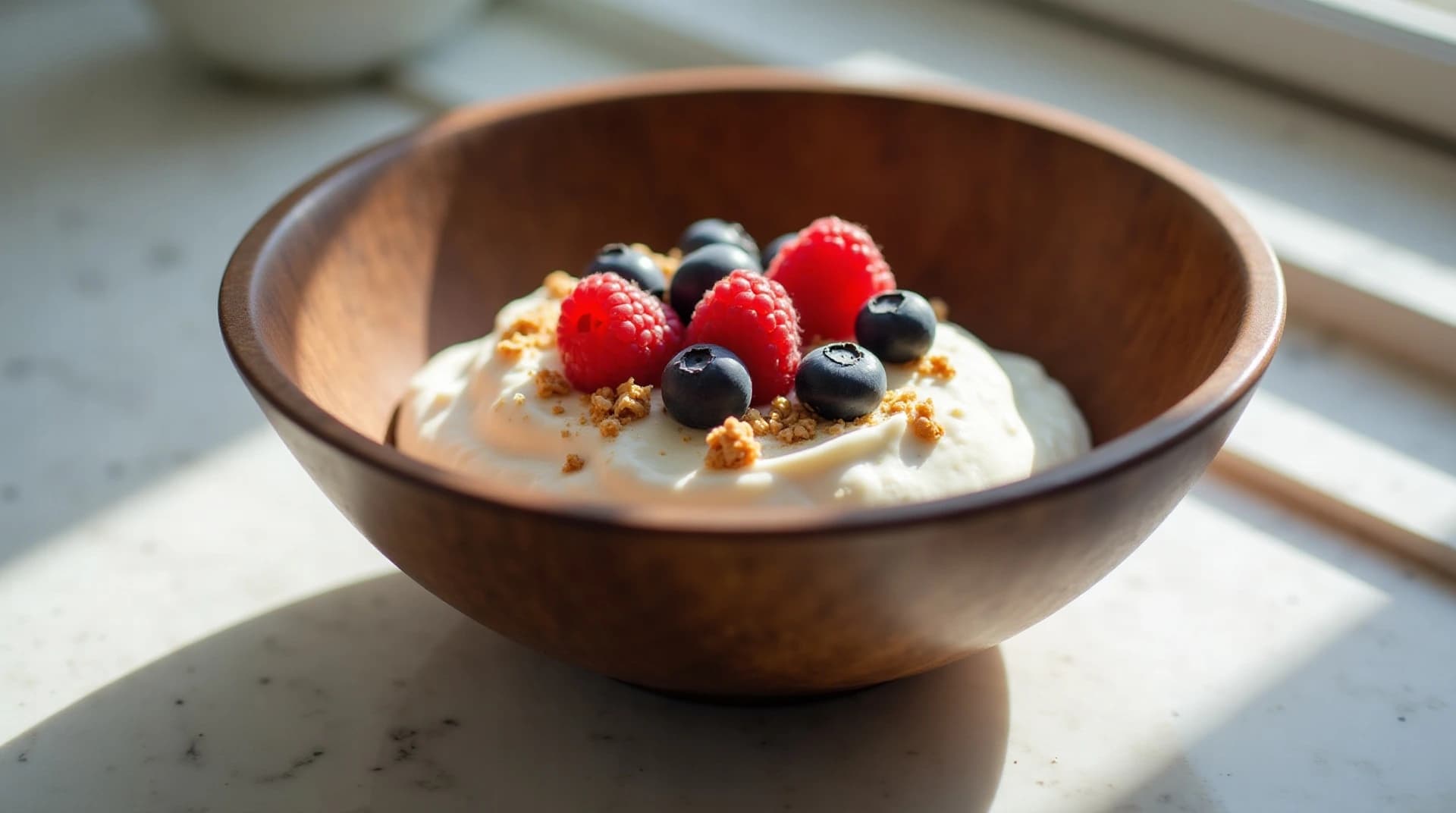
Probiotics vs prebiotics is the most confused conversation in gut health, and the marketing budget on one side dwarfs the science on the other. Probiotics are the live bacteria you swallow. Prebiotics are the fibers that feed the bacteria already living in your colon. The expensive bottle of capsules on the shelf is the probiotic. The cheap bag of onions in your produce drawer is the prebiotic. Here is the awkward truth: most probiotic supplements never reach the colon alive, the bacteria that do reach it rarely stick around, and the strongest evidence for changing your microbiome is actually about the fiber. This article walks through which strains have human data behind them, why prebiotic foods beat almost every pill, and how to build a daily routine that the literature actually supports.
⚕️ Medical Disclaimer
This article is for informational purposes only. Consult a qualified healthcare provider before changing any supplement, training, or dietary routine.What probiotics and prebiotics actually do in the gut
Your colon hosts somewhere around 38 trillion microbial cells, weighing about as much as your brain. They produce vitamin K, ferment fiber into short-chain fatty acids that feed your colon lining, and shape immune training from infancy onward. Probiotics are an attempt to add helpful strains; prebiotics are food for the strains already present.
A 2018 review in [Frontiers in Microbiology] noted that the term "probiotic" carries regulatory weight only when a strain has been shown in human trials to produce a defined health effect at a defined dose. That standard rules out most consumer products on the shelf — they list strain counts but not the specific clinical outcome those strains were tested for.
Prebiotics, by contrast, are a much simpler conversation. Fermentable fiber reaches the colon, gut bacteria break it down, and the byproducts include butyrate, propionate, and acetate. Those short-chain fatty acids reduce gut inflammation, help regulate appetite hormones, and support the integrity of the colon barrier. The evidence for that chain is decades old and mostly uncontroversial.
The stomach acid problem most probiotic supplements ignore

Most live bacteria do not survive stomach acid. Stomach pH is roughly 1.5 to 3.5 during a fasted state, which kills the majority of microbes that aren't specifically engineered to survive it. Yogurt cultures fare slightly better because the food matrix buffers the acid. Capsules without enteric coating tend to dissolve in the stomach and dump their contents into a lethal environment.
What survives and what doesn't
Strains that have shown some survival across acid include certain Lactobacillus and Bifidobacterium isolates, the yeast Saccharomyces boulardii, and spore-formers like Bacillus coagulans. Spore-formers do best because they wait out the acid in a dormant shell, then germinate later in the small intestine. A bottle that lists only "50 billion CFU" without an enteric capsule and without a survival-tested strain is mostly marketing.
Why "colonization" rarely happens
Even when a probiotic strain reaches the colon, it almost never colonizes. Your existing bacteria already occupy the niches and out-compete newcomers. The strain passes through over a few days to a week and the effect ends when you stop taking it. This is why probiotic benefits, when they appear at all, tend to be short-term and dose-dependent.
Probiotics vs prebiotics: where the evidence is strongest
If you compare the evidence base directly, prebiotics win on durability and consistency. Adding 5 to 10 grams of prebiotic fiber per day shifts microbial composition within a week and the effect persists as long as you keep eating it. The shift is reproducible across studies. [A 2017 review in Nutrients] covering inulin and fructo-oligosaccharides found consistent increases in Bifidobacterium populations and short-chain fatty acid output at modest doses.
Where probiotics actually earn their keep
Probiotics do have a few well-supported uses. Saccharomyces boulardii shortens antibiotic-associated diarrhea. Specific Lactobacillus and Bifidobacterium strains help reduce IBS symptoms in some patients. Lactobacillus rhamnosus GG reduces the duration of acute infectious diarrhea in children. Outside those targeted indications, the evidence for general daily probiotic supplementation is thin.
The prebiotic foods that beat every pill
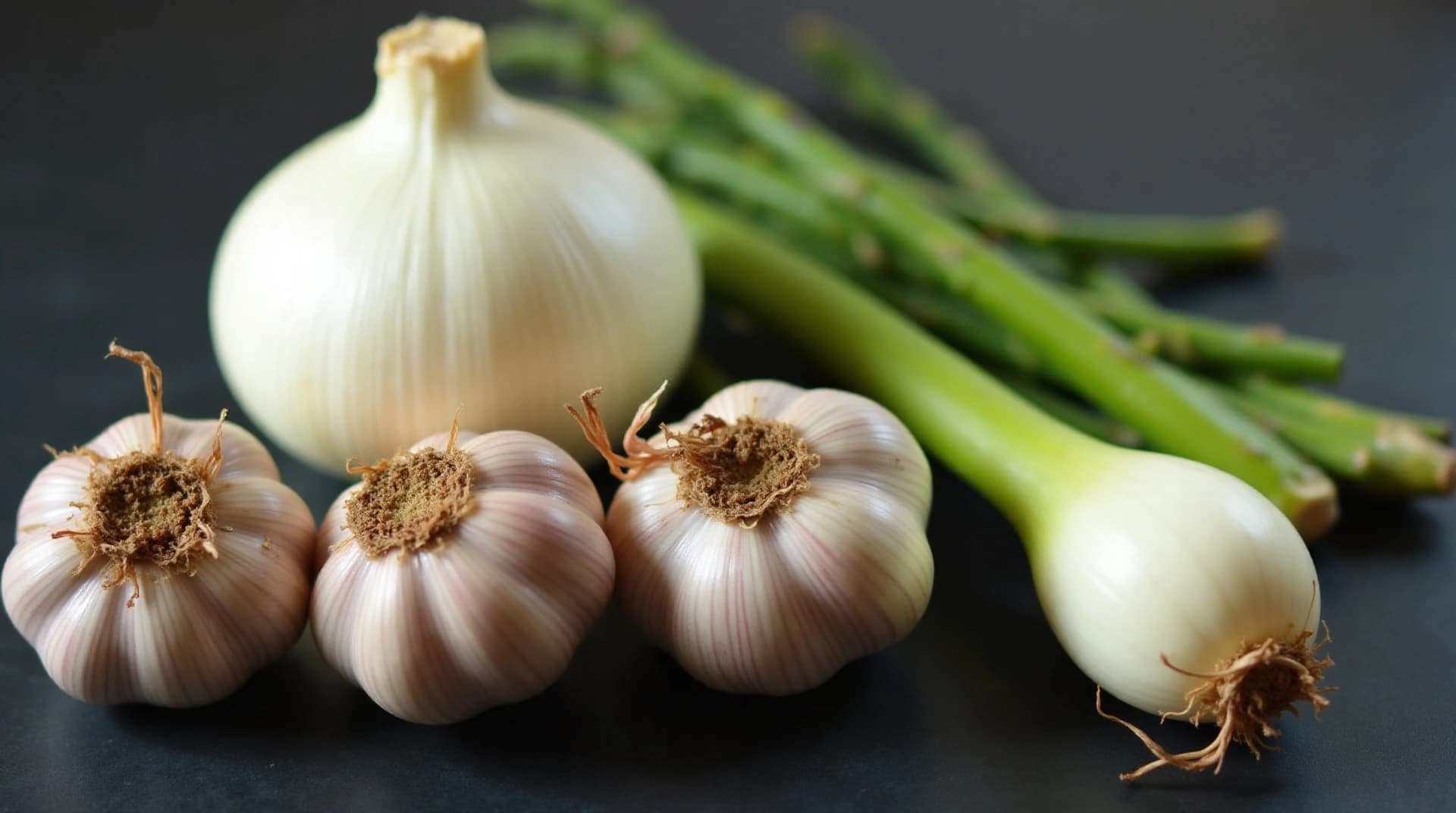
If your goal is shifting your microbiome, food beats supplements on cost, dose, and palatability. The single most fermentable foods in a typical diet are not expensive or hard to find.
High-prebiotic everyday foods
Onions, garlic, leeks, asparagus, slightly green bananas, oats, barley, apples, and Jerusalem artichokes all carry meaningful prebiotic load. Garlic and onions deliver fructans. Slightly underripe bananas contribute resistant starch. Oats bring beta-glucan. Apples carry pectin. Cooled cooked potatoes and rice gain resistant starch on cooling, then partly retain it after gentle reheating.
A simple weekly target
Aim for 30 different plant foods across a typical week — that diversity benchmark tracks better with microbiome health than any single supplement. The American Gut Project found that people eating 30+ plant foods per week had measurably more diverse microbiomes than those eating fewer than 10.
Why most yogurt does not deliver
The probiotic claim on a yogurt cup is almost always misleading. Standard fermented yogurt contains Streptococcus thermophilus and Lactobacillus bulgaricus, neither of which is a true probiotic by the regulatory definition because they don't survive transit and don't produce a documented health effect post-ingestion. They are starter cultures.
What to look for instead
If you want yogurt with probiotic value, look for one that explicitly lists added Lactobacillus acidophilus, Bifidobacterium lactis BB-12, or Lactobacillus rhamnosus GG, AND that gives a CFU count at the end of shelf life rather than at manufacture. Kefir generally outperforms yogurt because the fermentation is broader and includes yeasts. Sauerkraut, kimchi, miso, and natto deliver living bacteria but only when unpasteurized — heat-treated versions are flavor-only.
What the evidence supports vs popular claims
Pop nutrition makes sweeping claims about gut health. Treat sweeping promises with skepticism and use the evidence ladder.
Plausibly supported by current data:
- Specific strains shorten antibiotic-associated diarrhea
- Prebiotic fiber consistently raises Bifidobacterium populations
- 30+ plant foods per week correlates with greater microbial diversity
- Fermented foods (multiple servings per day) modestly reduce inflammation markers
- IBS symptom relief in some patients with specific strains at therapeutic doses
Not supported by current data:
- Generic probiotic capsules "reset" gut health after antibiotics for everyone
- Probiotics cure depression, anxiety, or autoimmune disease
- Any single "super" strain works for everyone
- A high CFU count alone makes a product effective
- You need to take probiotics daily for life as preventive care
[Cleveland Clinic's review] on probiotics is blunt that the literature supports specific strains for specific conditions, not blanket daily supplementation.
When NOT to take probiotics: contraindications
Probiotics are generally safe but they are not zero-risk. People who should be cautious or avoid them include those who are immunocompromised, on chemotherapy, have central venous catheters, or have severe pancreatitis. There are documented case reports of probiotic-derived bloodstream infections in those groups, particularly involving Lactobacillus and Saccharomyces species.
Less serious but common issues
Bloating and gas during the first one to two weeks of supplementation are extremely common — you are introducing a fermentable load to a microbiome that wasn't expecting it. The symptoms usually settle within two weeks. If they don't, stop and reassess. People with small intestinal bacterial overgrowth (SIBO) often feel worse on probiotics, particularly Lactobacillus-heavy formulations, because the issue is bacterial misplacement rather than deficiency. [Harvard Health] notes that supplementation should be paused if symptoms worsen rather than improve over the first two weeks.
How to start: a 4-week beginner protocol
If you want to actually move your gut microbiome rather than spend money on marketing, here is a practical four-week plan grounded in what the evidence supports.
Week 1. Track your baseline. Count plant foods you eat over seven days — vegetables, fruits, nuts, seeds, whole grains, legumes, herbs, and spices each count once if you ate them at least once during the week. Most people land between 8 and 15. The target is 30.
Week 2. Add one prebiotic-rich food per day deliberately. A small handful of raw oats in yogurt, a few cloves of cooked garlic in dinner, or a slightly green banana before workouts. Expect bloating for the first three to five days; it usually settles.
Week 3. Add one fermented food per day. A spoonful of unpasteurized sauerkraut, a small glass of kefir, or a serving of kimchi. The combination of prebiotic fiber and fermented food is more effective than either alone.
Week 4. Recount your plant variety. Aim for 25 to 30 different plants for the week. If you are still considering a supplement, pick a strain with a documented use case (S. boulardii for antibiotic recovery, L. rhamnosus GG for travel diarrhea risk) rather than a generic high-CFU bottle.
✅ Key Takeaway
- Prebiotic fiber has stronger and more durable evidence for shifting your gut microbiome than most probiotic supplements at typical consumer doses.
- Most probiotic capsules do not survive stomach acid; spore-formers like Bacillus coagulans and yeasts like Saccharomyces boulardii do better.
- Specific strains for specific conditions work; blanket daily probiotic supplementation for general health is not well supported by current data.
- Eating 30 different plant foods across a typical week tracks better with microbial diversity than any single capsule or yogurt cup.
- Standard yogurt cultures are starter cultures, not true probiotics; look for added named strains and a CFU count at end of shelf life.
Frequently Asked Questions
What is the actual difference between probiotics and prebiotics?
Probiotics are live bacteria you swallow with the goal of adding them to your gut. Prebiotics are fermentable fibers that feed the bacteria already living in your colon. Probiotic effects are usually short-term and stop when you stop taking the supplement. Prebiotic effects build the existing population, are sustained as long as you keep eating the fiber, and tend to produce more durable shifts in microbial composition based on current human data.
Do probiotic supplements actually work?
Some specific strains for specific conditions, yes. Saccharomyces boulardii for antibiotic-associated diarrhea, Lactobacillus rhamnosus GG for acute infectious diarrhea in children, and certain combinations for IBS symptom relief have evidence behind them. Generic high-CFU daily probiotics for general health have weak supporting data. Most strains do not survive stomach acid, do not colonize, and produce no measurable effect at typical consumer doses.
Which prebiotic foods deliver the most benefit?
Onions, garlic, leeks, asparagus, slightly green bananas, oats, barley, apples, Jerusalem artichokes, and cooled cooked potatoes are the highest-yield options. Aim for at least one per day, working up to 30 different plant foods across a typical week. The diversity matters more than the absolute volume of any one food because different bacteria specialize in different fibers.
Should I take probiotics every day?
Generally not. Daily supplementation makes sense in narrow cases — during and shortly after antibiotic courses, while traveling to high-risk areas, or for diagnosed IBS following a clinician's recommendation. For everyone else, the food-based approach (fermented foods plus prebiotic fiber) produces more sustained benefit at lower cost and with fewer downsides than chronic capsule use.
Can probiotics cause bloating or make symptoms worse?
Yes, particularly during the first one to two weeks. You are introducing a fermentable load that produces gas as bacteria break it down. Most people see symptoms settle within two weeks. If symptoms get worse rather than better — especially in people with small intestinal bacterial overgrowth — stop and reassess. People who are immunocompromised, on chemotherapy, or have central venous catheters should consult a clinician before starting any probiotic.
Related Reading
References
Rate this article
Click on a star to rate this article
Keep Reading
Fiber Math: How 30g a Day Reshapes Your Gut
30g of fiber a day: 30g of fiber per day shifts your microbiome and lowers cardiovascular risk. What 30g looks like on a plate, why total volume beats the
Read article →
nutritionGlycemic Variability: Why Energy Crashes at 3pm
Your 3pm slump is glycemic variability, not just fatigue. See what CGM data reveals and the 4-step plate that flattens your blood sugar curve.
Read article →
nutritionAnti-Inflammatory Diet: 7 Foods That Lower CRP
Build an anti-inflammatory diet around seven foods with documented effects on NF-kB, COX-2, and CRP, plus the everyday amounts that matter.
Read article →

Vitality & Strength Editorial Team
Independent research synthesists — not licensed clinicians
Independent health writers and research synthesists. We are not doctors or registered dietitians; every claim we publish is sourced and linked to primary research, and we take no affiliate or industry money.