Anti-Inflammatory Diet: 7 Foods That Lower CRP
Build an anti-inflammatory diet around seven foods with documented effects on NF-kB, COX-2, and CRP, plus the everyday amounts that matter.
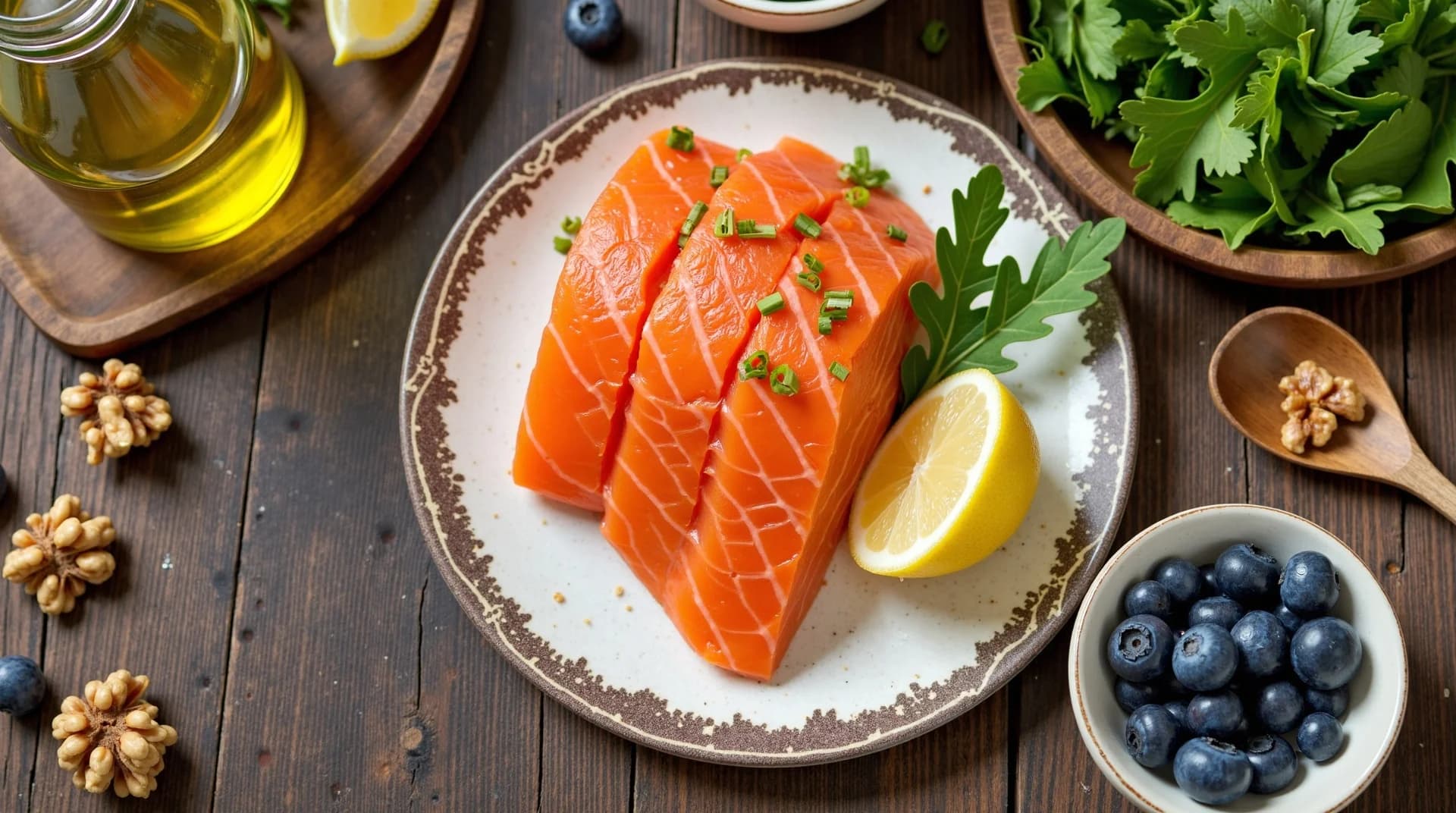
An anti-inflammatory diet is not a cleanse or a two-week reset. It is a long-term way of eating that lowers the steady, low-grade inflammation now tied to heart disease, type 2 diabetes, arthritis, and several cancers. Most food lists name the same handful of items and stop there. This one goes a step further: seven foods chosen because scientists can point to how they work, not only that they seem to help. Each acts on a named biological switch, whether that is the NF-kB master regulator, the COX-2 enzyme behind much of the body's pain signaling, or the NLRP3 inflammasome that releases inflammatory cytokines. You will also see the rough amounts that count, because a garnish of parsley and a daily serving of oily fish are not the same dose. Treat the seven as a template you build a week of meals around, rather than pills you swallow once and forget.
⚕️ Medical Disclaimer
This article is for informational purposes only. Consult a qualified healthcare provider before changing any supplement, training, or dietary routine.How an Anti-Inflammatory Diet Actually Works
Inflammation is not the villain. When you cut a finger or fight a virus, immune cells flood the area, swelling rises, and the trouble clears within days. The problem is the version that never switches off. A low simmer of immune activity, running quietly for years, has been connected to cardiovascular disease, type 2 diabetes, joint disease, mood disorders, and certain cancers [Harvard Health]. Food sits on both sides of that fire: some meals stoke it, others help bank it down.
The switches your food can reach
Three control points show up again and again in nutrition research. NF-kB is a protein that, once activated, travels into the cell nucleus and turns on dozens of inflammatory genes. COX-2 is the enzyme that builds prostaglandins, the messengers that drive swelling and pain, and the same target that drugs like ibuprofen block. NLRP3 is a sensor that, when triggered, assembles into an inflammasome and releases cytokines such as IL-1 beta. The compounds in whole foods tend to nudge these pathways gently and repeatedly rather than shutting them down hard.
The number a clinician watches to gauge your progress is usually C-reactive protein, or CRP, a marker the liver pushes out in response to inflammatory signals. You will not feel CRP change, but a blood test over a few months can show whether a pattern is moving in the right direction. None of the seven foods below works as a single dose. They earn their place through what you eat most weeks of the year.
Fatty Fish and the Omega-3 Brake on COX
Salmon, mackerel, sardines, herring, and anchovies are the densest common source of the long-chain omega-3 fats EPA and DHA. These fats matter because of what they displace. Your cells build signaling molecules out of whichever fatty acids are on hand. A diet heavy in omega-6 oils loads the membranes with arachidonic acid, the raw material COX turns into strongly inflammatory prostaglandins. Bring in EPA and DHA and the same enzymes produce weaker signals, while the body also makes resolvins and protectins, a family of molecules whose job is to actively end an inflammatory episode rather than merely dial it down. Oily fish is one of the foods most consistently named in anti-inflammatory eating patterns [Harvard Health].
How much fish, and which kind
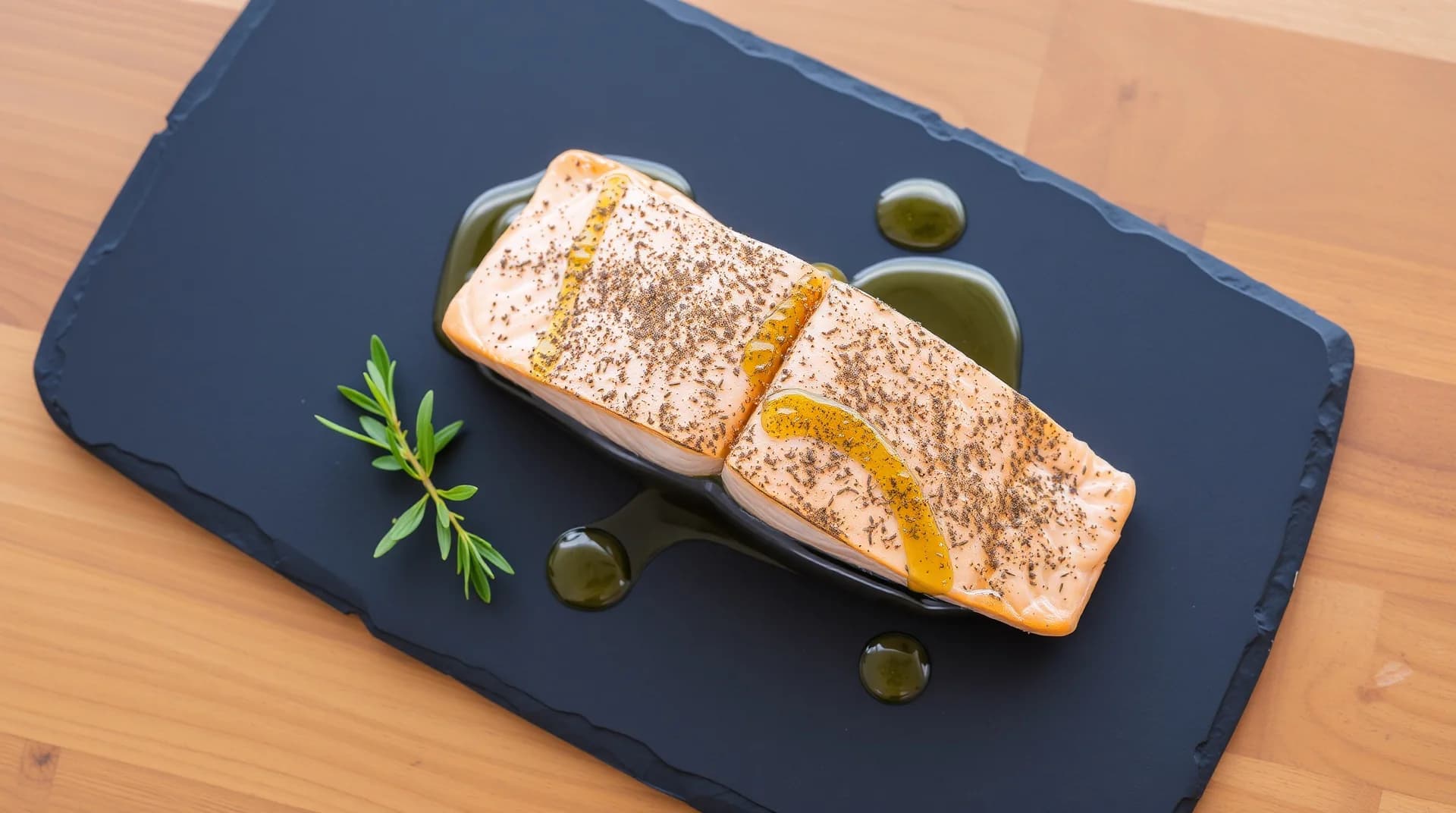
Two servings of cold-water oily fish a week is the amount most guidelines settle on, and it is a realistic target rather than a stretch goal. A serving is roughly the size of your palm. Canned sardines and tinned wild salmon count, which keeps the cost down and the prep close to zero. If you genuinely do not eat fish, an algae-derived omega-3 supplies the same EPA and DHA without the fish step. Keep the cooking gentle. Searing at very high heat or deep-frying a fillet undoes part of the point, since fried foods belong on the list you are trying to crowd out.
Extra-Virgin Olive Oil: Oleocanthal Against COX-2
Olive oil is the fat at the center of the Mediterranean pattern, and the unrefined version carries more than monounsaturated fat. Fresh extra-virgin oil contains oleocanthal, a polyphenol that produces the peppery catch at the back of your throat when you taste a strong oil. That same compound acts on COX-1 and COX-2 in a way that researchers have compared to a low dose of ibuprofen. The effect from a meal is modest, but it stacks day after day, and olive oil shows up repeatedly among the foods linked to lower inflammation [Harvard Health].
The label wording does the work here. Reach for bottles marked extra-virgin, ideally in dark glass with a recent harvest date, because light and time strip out the polyphenols you are paying for. A useful habit is to treat olive oil as your default fat: drizzle it over cooked vegetables, whisk it into dressings, and use it in place of butter where the flavor allows. A couple of tablespoons across a day is a sensible everyday amount. Gentle heat is fine for sauteing, and the long-held worry that olive oil is unfit for cooking has not held up well, though you do lose some of the fragile phenols at a hard sear.
Leafy Greens and the NF-kB Switch
Spinach, kale, collards, chard, and other dark leaves are calorie-light and unusually dense in the compounds that quiet NF-kB. They deliver vitamin K, folate, and carotenoids such as lutein, along with a spread of polyphenols that interfere with the signal telling NF-kB to enter the nucleus and switch on inflammatory genes. Green leafy vegetables are a fixture of the foods tied to lower inflammatory markers [Harvard Health], and they are easy to layer into meals you already eat.
Cooked or raw
Both forms earn their place, and the smart move is to use each. Raw spinach in a salad keeps the vitamin C and folate that heat degrades. A handful wilted into a pan softens the oxalates and frees up more of the lutein and beta-carotene, which are fat-soluble and absorb better alongside a little olive oil. Volume is the practical hurdle, since greens shrink dramatically once cooked. Aim to make a green vegetable the base of at least one plate a day, whether that is a side of garlicky chard, a fistful of kale dropped into soup near the end, or spinach folded through eggs. The fiber feeds gut bacteria that produce short-chain fatty acids, which carry their own calming effect on the immune system.
Berries: Anthocyanins and the NLRP3 Inflammasome
The deep red, blue, and purple of blueberries, strawberries, blackberries, and tart cherries comes from anthocyanins, a class of polyphenol with a particular talent for restraining the NLRP3 inflammasome. When NLRP3 fires, it releases IL-1 beta and related cytokines that keep an inflammatory loop running. Anthocyanins appear to lower how readily that sensor assembles, and berries are among the fruits named for reducing inflammation and chronic disease risk [Harvard Health].
Berries make the everyday side of an anti-inflammatory diet simple, because they need no cooking and pair with foods you already buy. A cup most days is a reasonable target. Frozen berries are picked ripe and hold their anthocyanins well, so they are a fair-priced year-round option rather than a compromise. Fold them into plain yogurt, scatter them over oats, or eat them on their own. The one habit to watch is treating a berry smoothie loaded with juice and sweetener as health food. Whole or lightly blended fruit keeps the fiber that slows sugar absorption, and that fiber is part of why the fruit helps rather than harms.
Walnuts and Almonds: Plant Omega-3 and Steady Signaling
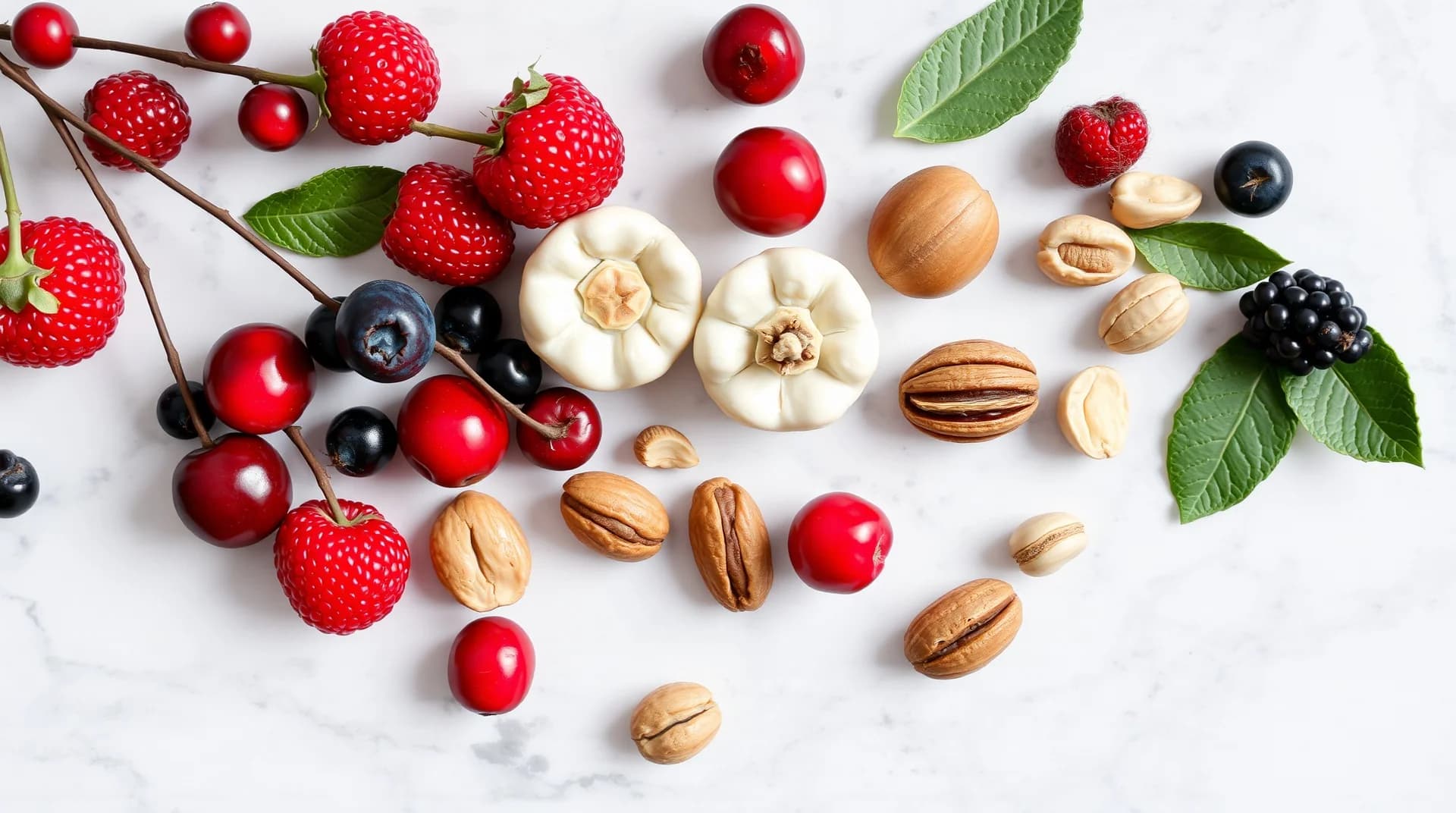
Tree nuts pull double duty. Walnuts are the standout source of alpha-linolenic acid, the plant omega-3 your body converts, inefficiently but usefully, toward EPA. Almonds bring vitamin E, a fat-soluble antioxidant that protects cell membranes from the oxidative damage that feeds inflammation. Both carry polyphenols and fiber, and almonds and walnuts both appear on the short list of foods that fight inflammation [Harvard Health].
A small handful a day, somewhere near an ounce, is the amount the evidence tends to use. Nuts are calorie-dense, so the portion is a loose fist rather than an open bag, but the worry that nuts drive weight gain has not borne out in practice. They are most useful as a swap. Reaching for almonds instead of crackers, or walnuts instead of a pastry, shifts a snack from the inflammatory column toward the protective one. Buy them raw or dry-roasted and unsalted where you can, keep them in the fridge or freezer so the oils stay fresh, and chop walnuts into oatmeal or a salad so the portion stretches across a meal instead of vanishing in a minute.
Turmeric: Curcumin's Hold on NF-kB
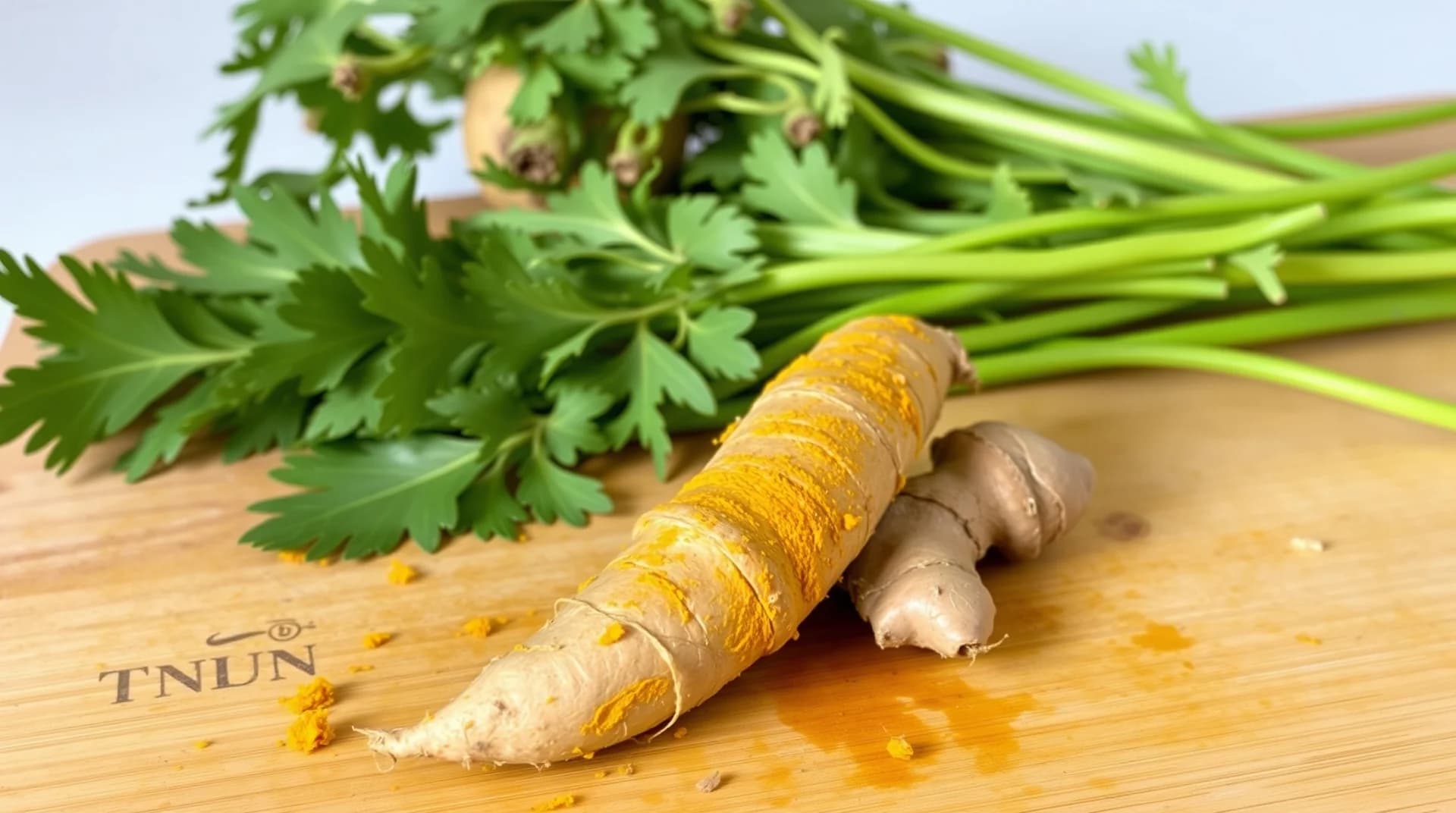
Turmeric is the food behind one of the most common questions about inflammation, and the reason sits in a single pigment. Curcumin, the yellow compound that stains a cutting board, interferes with the activation of NF-kB and, downstream, lowers the output of COX-2 and several inflammatory cytokines. In the laboratory the effect is clear and repeatable. The catch in real kitchens is absorption, because curcumin on its own passes through the gut poorly and clears quickly.
Getting curcumin to absorb
Two cheap tricks change the math. Black pepper contains piperine, which slows the liver's breakdown of curcumin and raises blood levels substantially, so a few cracks of pepper into a turmeric dish are not a garnish but a delivery system. Fat helps too, since curcumin is fat-soluble, which is why turmeric simmered into a coconut or olive-oil base reaches you better than the same powder stirred into water. A culinary teaspoon most days, worked into curries, roasted vegetables, soups, or a warm drink, is a sound starting point. Concentrated curcumin supplements use far higher amounts than any meal supplies, and while many people take them without trouble, they can interact with blood thinners, so that is a conversation to have with a clinician before you commit.
Tomatoes: Lycopene and Oxidative Inflammation
Tomatoes round out the seven because of lycopene, the red carotenoid that mops up reactive oxygen species before they can trigger the inflammatory signaling that oxidative stress sets off. Tomatoes open the standard list of foods that fight inflammation [Harvard Health], and they are one of the few cases where processing improves the food. Heat breaks down the plant's cell walls and shifts lycopene into a form your body absorbs more readily, so cooked tomato sauce, paste, and canned tomatoes can deliver more usable lycopene than a raw slice.
Lycopene is fat-soluble, which makes the classic pairing of tomatoes with olive oil more than a flavor choice. A simple sauce of canned tomatoes simmered in good oil hits two of the seven foods at once, and a spoon of tomato paste deepens stews and soups for pennies. Keep an eye on the company tomatoes keep, since the lycopene does you little good riding on top of a fried, refined, heavily salted base. Built into a vegetable-forward meal, though, tomatoes are an easy and inexpensive anchor for the pattern.
Turning Seven Foods Into an Anti-Inflammatory Diet
Individual foods are the easy part. The harder and more important shift is the overall pattern, because what you add only pays off when it crowds out what drives inflammation up. The foods worth cutting are familiar: refined grains and pastries, deep-fried dishes, sugar-sweetened drinks, and processed meats are the same items repeatedly tied to higher inflammation and chronic disease [Harvard Health]. Swapping those for the seven foods above is the whole game.
What a whole-food pattern does to your numbers
The shift shows up in measurable risk markers, not just in theory. In a controlled crossover trial, 31 overweight adults rotated through whole-food dietary patterns and a typical American diet for four weeks each. The whole-food patterns lowered total and LDL cholesterol, and fasting glucose fell on the diet built around minimally processed staples, while the typical American diet did not improve cholesterol [randomized crossover trial]. Food can reach deeper still. A review of 99 studies on type 2 diabetes found that dietary change, including carbohydrate restriction and lower-calorie eating, can push the disease into remission, and major diabetes bodies now back a low-carb pattern as a real option [narrative review of the evidence].
A simple day of eating
You do not need all seven every day. Oats with berries and walnuts at breakfast, a big salad of leafy greens, tomatoes, and olive oil with tinned salmon at lunch, and a turmeric-spiced vegetable curry at dinner already touches all seven without effort. Track it with a CRP test a few months apart rather than the bathroom scale, and let the pattern, not any single meal, do the work.
✅ Key Takeaway
- Pick foods by mechanism: each of the seven acts on NF-kB, COX-2, or the NLRP3 inflammasome rather than vaguely 'boosting' health.
- Aim for two servings of oily fish a week, a daily cup of berries, a small handful of nuts, and olive oil as your default fat.
- Pair turmeric with black pepper and fat, and cook tomatoes in olive oil, so the active compounds actually absorb.
- What you cut matters as much as what you add: refined carbs, fried foods, sugary drinks, and processed meat drive inflammation up.
- Track progress with a CRP blood test months apart, not the scale or how you feel day to day.
Frequently Asked Questions
What is the most anti-inflammatory food?
There is no single winner, and chasing one misses how the pattern works. That said, fatty fish such as salmon and sardines tends to top most lists, because its EPA and DHA shift your body away from the strongly inflammatory signals built from omega-6 fats and toward molecules that help end inflammation. Extra-virgin olive oil and dark berries are close behind. The practical answer is to rotate several of the seven foods through your week rather than lean hard on any one of them.
Does turmeric actually reduce inflammation?
Yes, with a caveat about absorption. Curcumin, the active pigment in turmeric, interferes with NF-kB activation and lowers COX-2 and several inflammatory cytokines in laboratory work. The limit is that curcumin absorbs poorly on its own and clears fast. Pairing turmeric with black pepper, which contains piperine, and with a source of fat raises how much reaches your bloodstream. A culinary teaspoon most days is a reasonable everyday amount, while concentrated supplements use far higher doses and can interact with blood thinners.
How long until I feel less inflamed?
Honest answer: you usually will not feel chronic, low-grade inflammation lift the way you feel a headache fade. It is silent by nature, which is part of what makes it dangerous. The change shows up in blood markers rather than sensations. A C-reactive protein test taken before you start and again a few months into a steady pattern is the clearest way to see movement. Some people do notice secondary effects sooner, such as steadier energy or easier joints, but treat those as bonuses rather than the main scorecard.
Are anti-inflammatory diets the same as keto?
No, though they can overlap. An anti-inflammatory diet is defined by what it includes: oily fish, olive oil, leafy greens, berries, nuts, turmeric, and tomatoes, set against fewer refined carbs and processed meats. It says nothing about carbohydrate totals, and fruit, whole grains, and legumes fit comfortably inside it. Keto is defined by very low carbohydrate intake to reach ketosis. You can eat in a way that is both, but you can just as easily follow an anti-inflammatory pattern with a moderate amount of whole-food carbohydrate.
Can chronic inflammation be reversed by food?
Diet can move the underlying conditions that keep inflammation high, sometimes dramatically. A review of 99 studies on type 2 diabetes, a disease closely bound up with chronic inflammation, found that dietary change can drive the condition into remission, and diabetes organizations now recognize that path [narrative review of the evidence]. Food is not a guaranteed cure, and severe or autoimmune inflammation needs medical care. As a long-term lever on the everyday, low-grade kind, though, a sustained whole-food pattern is one of the strongest tools available.
Related Reading
- Protein Timing: Total Daily Intake Beats the 30g Window
- Walking 10000 Steps: Where the Number Actually Came From
- Fiber Math: How 30g a Day Changes Your Gut Microbiome
References
Rate this article
Click on a star to rate this article
Keep Reading
Anti-Inflammatory Foods to Reduce Chronic Pain
Discover powerful anti-inflammatory foods that naturally reduce chronic pain. Learn which nutrients combat inflammation and improve quality of life.
Read article →
nutritionProtein Timing: Why Total Daily Intake Wins
Protein timing matters far less than your daily total. See what the research says about the anabolic window and how much protein per meal.
Read article →
nutritionFiber Math: How 30g a Day Reshapes Your Gut
30g of fiber a day: 30g of fiber per day shifts your microbiome and lowers cardiovascular risk. What 30g looks like on a plate, why total volume beats the
Read article →

Vitality & Strength Editorial Team
Independent research synthesists — not licensed clinicians
Independent health writers and research synthesists. We are not doctors or registered dietitians; every claim we publish is sourced and linked to primary research, and we take no affiliate or industry money.