Protein Timing: Why Total Daily Intake Wins
Protein timing matters far less than your daily total. See what the research says about the anabolic window and how much protein per meal.
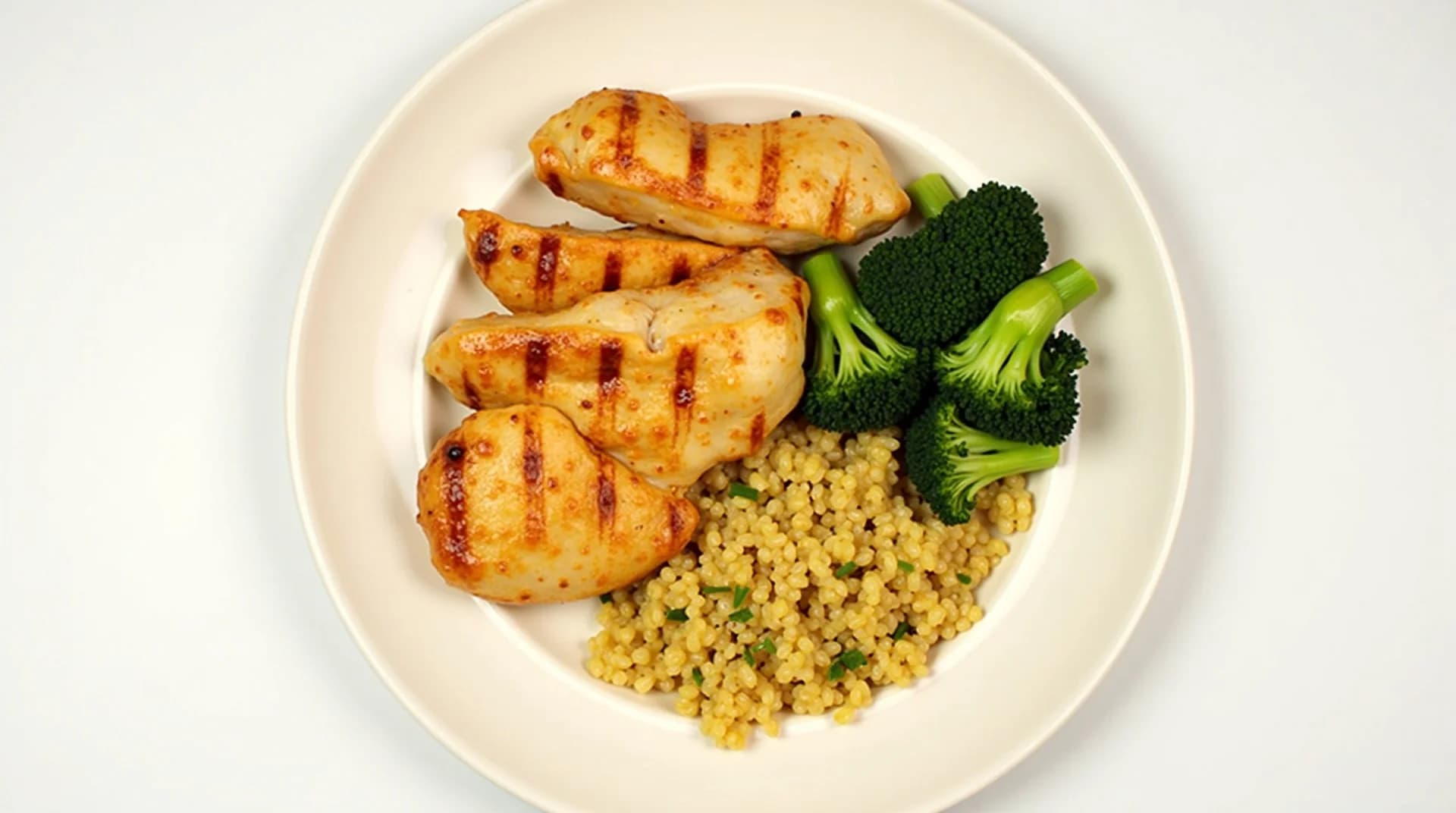
Protein timing has become one of the most overbuilt ideas in fitness, and most of what you have heard about it is wrong. The popular version claims you have a narrow 30-minute window after training to slam a shake or your gains evaporate, but the evidence points the other way. Your total daily protein intake decides almost everything about muscle, and the post-workout window is far wider and more forgiving than the supplement industry suggests. This article walks through what the research actually shows: how long the muscle-building response to training really lasts, why a daily target in grams per kilogram does the heavy lifting, how much protein your body can use per meal, and where timing still earns a small place in a smart plan. You will leave with numbers you can apply tonight rather than another rule to feel anxious about.
⚕️ Medical Disclaimer
This article is for informational purposes only. Consult a qualified healthcare provider before changing any supplement, training, or dietary routine.The 30-Minute Myth That Refuses To Die
Walk into any gym and you will hear it: drink your protein within half an hour of your last set or the workout was wasted. The idea feels intuitive because training does raise muscle protein synthesis, the process that repairs and builds muscle tissue. The problem is the timeline. The claim assumes that elevation switches off within minutes, when measurements show it stays elevated for the better part of a day.
Where the rule came from
Early supplement marketing leaned on a handful of small studies in fasted subjects, where eating quickly after exercise did help because there was nothing in the tank to begin with. That finding got stretched into a universal law. For most people who eat a normal meal a few hours before training, the urgency simply does not apply. The International Society of Sports Nutrition reviewed this literature and concluded that the benefit of pre- or post-workout protein is real but that the timing is a matter of personal tolerance rather than a hard cutoff ([ISSN Position Stand on protein and exercise]).
The practical cost of believing the myth is wasted worry. People skip a balanced dinner to chug a fast shake, or they treat one missed window as a setback. Neither helps. What matters is whether you hit your protein for the day, every day, across weeks of consistent training.
What The Anabolic Window Actually Is
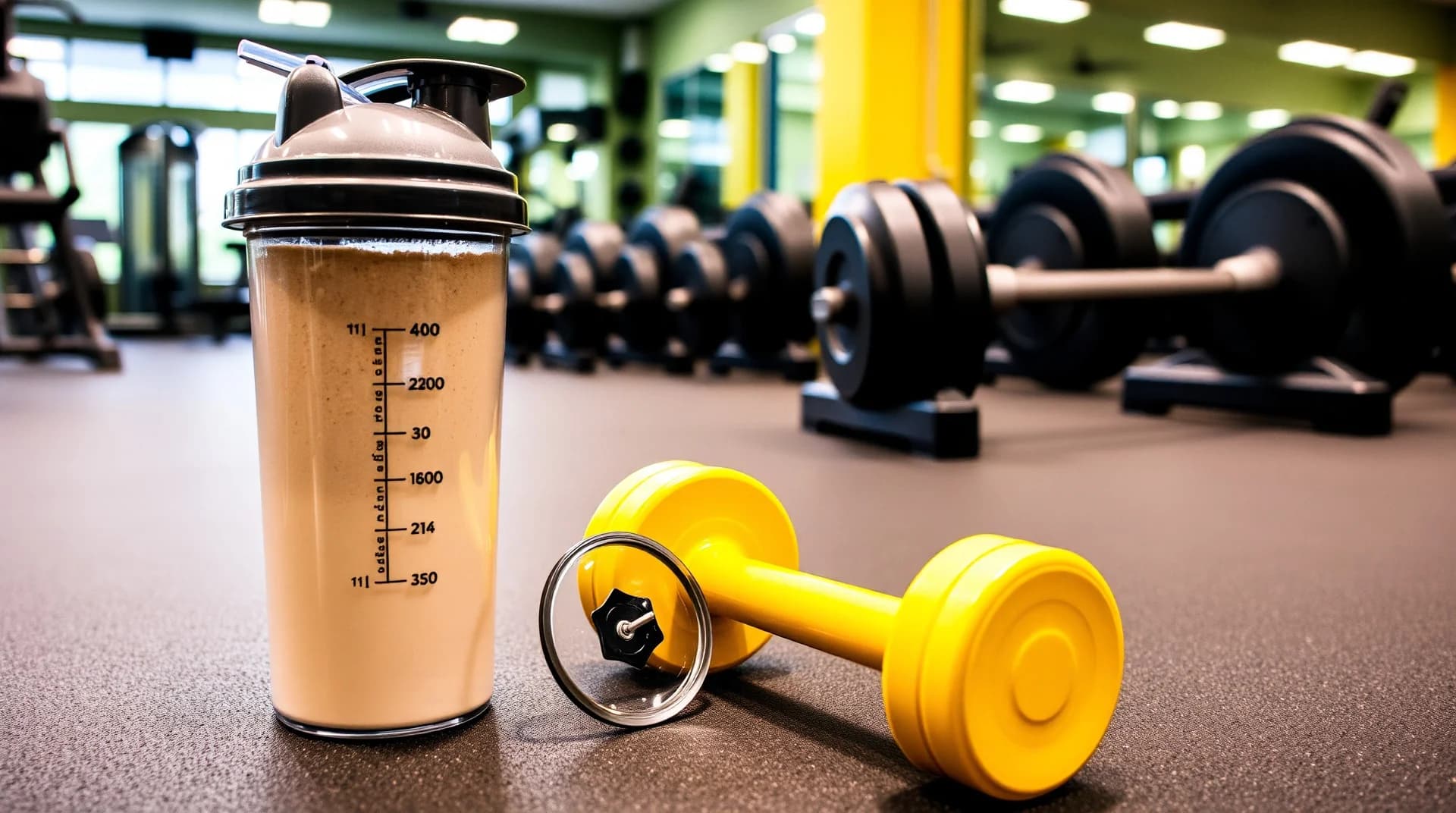
The anabolic window is the period after training when your muscles are primed to use incoming amino acids to rebuild. The marketing version measures it in minutes. The physiology measures it in hours, and a generous number of them.
A 24-hour effect, not a 30-minute sprint
According to the ISSN review, the muscle-building effect of a resistance session lasts at least 24 hours, although it gradually fades the further you get from the workout ([ISSN review of post-exercise protein]). That single fact reframes the whole debate. If the window is open for a full day, then the protein you eat at dinner and breakfast the next morning still counts toward recovery from this afternoon's session.
What this means for your schedule
You do not need to carry a shaker to your car. You need to make sure the meals surrounding your training each contain a solid dose of protein. If you trained fasted or your last meal was many hours ago, eating sooner is sensible because the gap, not the clock, is what you are closing. For everyone else, a relaxed window of a few hours on either side of the session captures the same benefit without the stress.
Protein Timing Versus Total Intake: What The Evidence Shows
When researchers compare timing strategies against simply eating enough protein, the totals win. Two people who both reach the same daily intake tend to gain similar amounts of muscle whether one of them is precise about the post-workout window and the other is not. This is the core reason protein timing sits below total intake on the priority list.
The number that drives results
The ISSN sets a daily target of 1.4 to 2.0 grams of protein per kilogram of body weight for most people who train, and notes that intakes above 3.0 grams per kilogram may help resistance-trained individuals lose fat while preserving muscle ([ISSN daily protein recommendation]). For an 80 kilogram person, the core range works out to roughly 112 to 160 grams per day. Hitting that consistently outperforms any clever timing trick layered on top of an inadequate total.
Direct evidence from a training study
A controlled trial in aspiring female physique athletes compared a high-protein diet at 2.5 grams per kilogram against a low-protein diet at 0.9 grams per kilogram across an 8-week training program, and the higher-intake group gained significantly more fat-free mass ([Campbell et al. high versus low protein trial]). The variable that changed body composition was the daily amount, not the minute of the day each gram arrived.
How Much Protein Per Meal Your Body Can Use
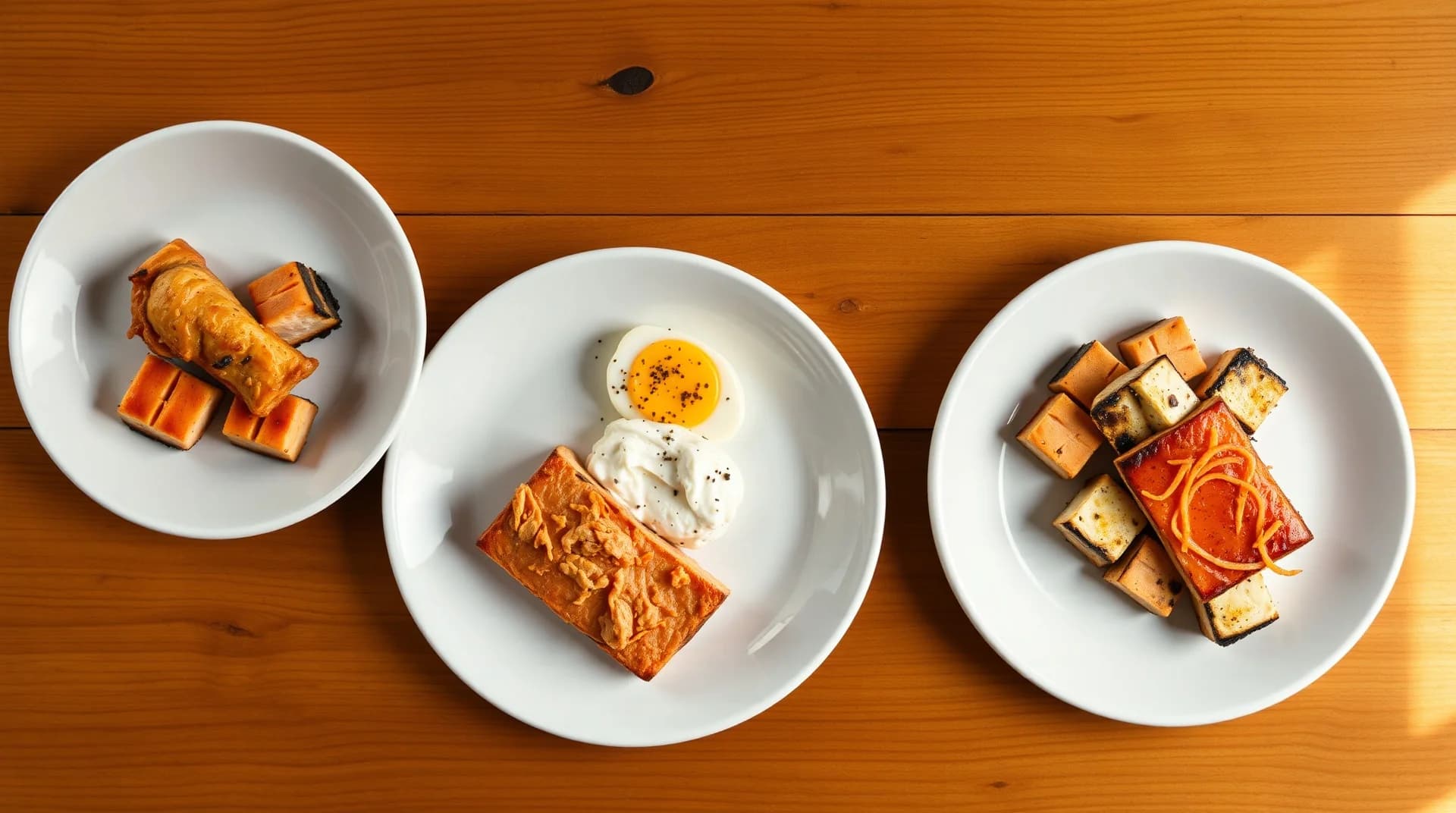
If the daily total is king, the next question is how to split it. There is a ceiling on how much a single meal can drive muscle protein synthesis, and understanding it helps you distribute protein in a way that adds up cleanly.
The per-serving dose
The ISSN recommends roughly 0.25 grams of high-quality protein per kilogram of body weight per serving, or an absolute dose of about 20 to 40 grams, with the exact figure depending on your age and recent training ([ISSN per-serving protein dose]). For most adults, a meal containing 30 to 40 grams of protein covers the response with room to spare. A high-protein breakfast like overnight oats or a post-workout recovery shake makes that target easy to hit. Going far beyond that in one sitting does not produce a proportionally larger build signal, so spreading your intake is more efficient than front-loading it.
Older adults often sit at the higher end of that per-meal range because the muscle-building response to a given dose becomes less sensitive with age. A 25 gram serving that fully works for a younger lifter may need to be closer to 40 grams for someone in their sixties to get the same effect. This is one of the few places where the exact dose, rather than the daily total alone, starts to matter more.
The Leucine Threshold And Protein Quality
Not all protein triggers the build response equally. The amino acid leucine acts as the main trigger, and crossing a threshold amount of it within a meal is what flips the switch.
The ISSN notes that an effective protein dose should contain roughly 700 to 3000 milligrams of leucine alongside a full set of the essential amino acids ([ISSN leucine and essential amino acid guidance]). Animal proteins such as eggs, dairy, meat, and fish reach this threshold easily in a normal serving. Plant proteins tend to carry less leucine per gram, so larger portions or a blend of sources helps you reach the same trigger.
This is also why protein quality, not just quantity, shows up in the recommendations. Rapidly digested proteins rich in essential amino acids stimulate the build response most strongly, which is part of why whey is convenient after training. For whole-food eaters, the message is simpler than it sounds: build each meal around a complete protein source, aim for that 30 to 40 gram range, and the leucine takes care of itself. You do not need to count milligrams of a single amino acid if your meals are structured around real protein foods.
Where Timing Still Earns A Small Role
Saying total intake dominates does not mean timing is worthless. It means timing is a refinement you reach for once the daily total is locked in, not a substitute for it. A few timing choices do carry modest, evidence-backed benefits.
Even distribution across the day
The ISSN suggests spacing protein doses every 3 to 4 hours across your waking hours rather than clustering most of it into one large meal ([ISSN protein distribution guidance]). Three or four evenly sized protein feedings keep the build signal topped up and make the daily total easier to reach without an enormous final meal.
The pre-sleep dose
Eating protein before bed is one timing tactic with real support. The review reports that a pre-sleep dose of 30 to 40 grams of casein raises overnight muscle protein synthesis and metabolic rate without blunting fat breakdown ([ISSN pre-sleep casein finding]). Casein digests slowly, which feeds your muscles through the long overnight fast. If you train hard and have trouble fitting your total into daytime meals, a slow-digesting protein source in the evening is a low-risk way to add quality grams.
Common Protein Timing Mistakes To Stop Making
Once you understand that the daily total leads, a few habits stand out as wasted effort. Dropping them frees up attention for the things that actually move the needle.
Skipping meals to protect the window
Some people delay a real meal so they can take a shake at a supposedly perfect moment, then end the day short on protein because that shake replaced food instead of adding to it. The window is open for hours, so eat the meal you would have eaten and let the total accumulate. A missed shake is not a missed opportunity when the build response lasts at least 24 hours after training.
Loading most protein into one meal
Eating a small breakfast, a light lunch, and then a 70 gram protein dinner technically reaches a decent total, but it wastes much of that dinner because a single meal has a ceiling on how strongly it drives the build response. The ISSN guidance to space doses every 3 to 4 hours exists for this reason ([ISSN protein spacing recommendation]). Three or four moderate servings beat one giant one.
Obsessing over fast versus slow protein
Whey digests quickly and casein slowly, and both have their place, but neither choice matters if your daily grams fall short. Pick the source that fits the meal, fast protein around training when convenient and slow protein before bed, and stop treating the digestion speed as a make-or-break decision.
Building A Day That Hits Your Protein Target
The cleanest way to apply all of this is to stop thinking about the clock and start thinking about the plate. Decide your daily number first, then divide it into meals that each clear the per-serving dose.
A worked example
Take that 80 kilogram lifter aiming for the middle of the ISSN range, around 130 to 150 grams per day. Four meals of 35 grams each lands at 140 grams and keeps every feeding above the threshold that drives the build response. Breakfast might be eggs with Greek yogurt, lunch a chicken bowl, a post-training meal with fish or a shake, and a casein-rich snack before bed. Training could fall anywhere in that day without changing the math.
Adjusting for your goals
If fat loss is the priority, you can push toward the upper end of the range or beyond, since higher protein helps preserve muscle while you eat fewer calories. If you are simply maintaining, the lower end is enough. In every case the lever you pull is the total and the per-meal dose, not a stopwatch. Get the day right for weeks on end and your results will reflect it far more than any single perfectly timed shake ever could.
✅ Key Takeaway
- Total daily protein, around 1.4 to 2.0 g per kg of body weight, drives muscle far more than timing does.
- The anabolic window stays open at least 24 hours after training, not 30 minutes.
- Aim for about 0.25 g per kg, or 30 to 40 g of protein per meal, to clear the build threshold.
- Spread protein across 3 to 4 meals and consider 30 to 40 g of casein before bed.
- A high-protein diet beat a low-protein one for fat-free mass gains in a controlled 8-week training trial.
Frequently Asked Questions
Does protein timing matter at all for building muscle?
It matters a little, and only after your daily total is handled. Eating enough protein each day, in the range of 1.4 to 2.0 grams per kilogram, drives the large majority of muscle gains. Spacing that protein across several meals and including a pre-sleep dose are useful refinements, but they cannot compensate for an inadequate daily amount. Treat timing as the final polish rather than the foundation of your plan.
How long is the anabolic window really open?
Far longer than 30 minutes. The muscle-building effect of a resistance session lasts at least 24 hours, though it slowly fades as time passes after the workout. That means the meals before and after training, and even the next morning's breakfast, all contribute to recovery. Unless you trained fasted, there is no need to rush a shake the instant you finish your last set.
How much protein can I absorb in one meal?
Your body absorbs almost all protein you eat, but the amount that maximizes the muscle-building response per meal is roughly 0.25 grams per kilogram of body weight, or about 20 to 40 grams for most adults. Beyond that, extra protein in a single sitting still has value for satiety and other tissues, but it does not produce a proportionally larger build signal. Spreading protein across meals is more efficient than one huge serving.
Is a post-workout protein shake necessary?
No. A shake is convenient and digests quickly, which is handy if your next whole-food meal is hours away or you trained fasted. But a balanced meal containing 30 to 40 grams of protein within a few hours of training does the same job. The shake is a tool for hitting your daily total, not a magic dose that must land in a narrow window.
Does eating protein before bed help?
It can. A pre-sleep dose of 30 to 40 grams of slow-digesting casein protein has been shown to raise overnight muscle protein synthesis without interfering with fat breakdown. If you struggle to fit your daily protein into daytime meals or train intensely, an evening serving of a slow protein source is a practical, low-risk way to add quality grams and support recovery while you sleep.
Related Reading
- Creatine Monohydrate: 3g vs 5g and the Loading Phase Myth
- Anti-Inflammatory Diet: 7 Foods Backed by Mechanism Studies
- Fiber Math: How 30g a Day Changes Your Gut Microbiome
References
Rate this article
Click on a star to rate this article
Keep Reading
Best Protein Sources for Muscle Growth: Complete Guide
Discover the top protein sources for building muscle. Learn which foods deliver optimal amino acids for strength training gains.
Read article →
nutritionAnti-Inflammatory Diet: 7 Foods That Lower CRP
Build an anti-inflammatory diet around seven foods with documented effects on NF-kB, COX-2, and CRP, plus the everyday amounts that matter.
Read article →
nutritionFiber Math: How 30g a Day Reshapes Your Gut
30g of fiber a day: 30g of fiber per day shifts your microbiome and lowers cardiovascular risk. What 30g looks like on a plate, why total volume beats the
Read article →

Vitality & Strength Editorial Team
Independent research synthesists — not licensed clinicians
Independent health writers and research synthesists. We are not doctors or registered dietitians; every claim we publish is sourced and linked to primary research, and we take no affiliate or industry money.