Creatine: 3g Daily — Skip the Loading Phase
Learn why creatine loading is unnecessary. 3g daily saturates muscle in 28 days. Evidence-based dosing strategy from sports nutrition experts.
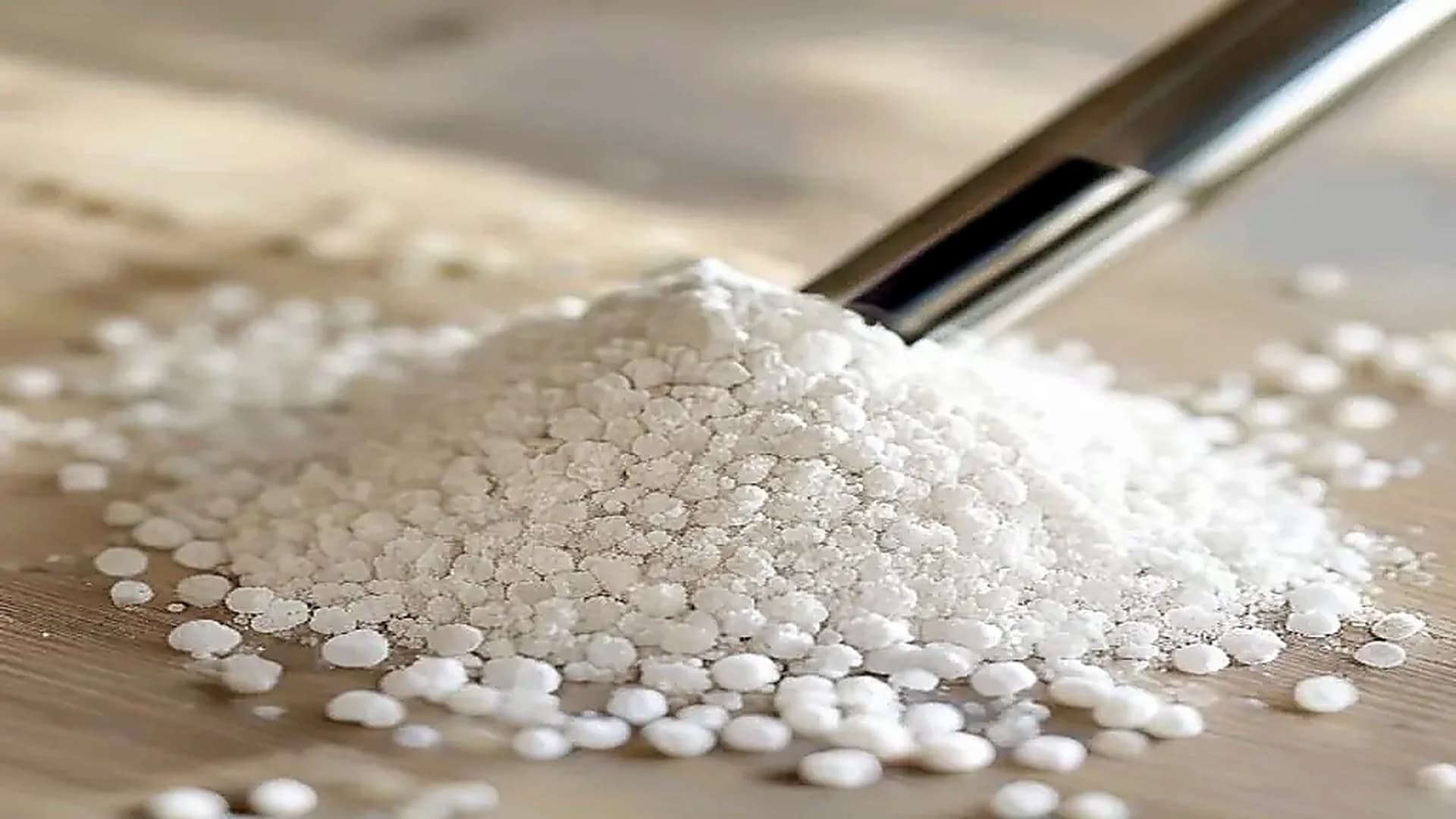
You've heard the loading protocol countless times: take 20 grams of creatine daily for five to seven days, then drop to maintenance. The idea sounds scientific, but research suggests it's unnecessary theater. The International Society of Sports Nutrition affirms that steady low-dose creatine—just 3 grams daily—achieves the same muscle saturation as loading protocols, reaching full benefit within four weeks. This article examines why the loading phase persists, compares the evidence for 3g versus 5g dosing, and shows you the simplest, most cost-effective approach backed by rigorous sports science. Creatine is also the most evidence-backed entry in our guide to performance supplements that actually work.
⚕️ Medical Disclaimer
This article is for informational purposes only. Consult a qualified healthcare provider before changing any supplement, training, or dietary routine.What Creatine Actually Does in Your Muscles
Creatine works by increasing phosphocreatine stores in muscle cells, which helps regenerate ATP during high-intensity effort. When you perform heavy lifts or sprint intervals, your muscles burn ATP rapidly. Phosphocreatine donates a phosphate group to rebuild ATP, allowing you to sustain power output for longer. This mechanism explains why research consistently shows improvements in repeated sprint performance, maximum strength, and training volume.
Your muscles can only hold a finite amount of creatine. Once saturated, additional daily intake beyond maintenance provides no extra benefit—it's simply excreted. [Creatine supplementation increases intramuscular creatine concentrations], and this elevation is what produces the ergogenic effect. The key distinction is between reaching saturation and exceeding it. Understanding this difference is essential to evaluating whether you need 3 grams or 5 grams, and whether loading makes sense for your goals.
The Loading Phase: Why It Persists Despite Evidence Against It

The loading protocol emerged in the 1990s as a way to accelerate muscle saturation. By flooding your system with 20 grams daily for a week, you could reach peak intramuscular creatine levels in days rather than weeks. For competitive athletes with imminent events, this speed advantage made sense. However, the protocol has become dogma even for people with no time constraints.
Your muscle fibers don't distinguish between creatine arriving via a rapid loading phase and creatine arriving steadily over time—saturation is saturation. [Habitual low dietary creatine ingestion of 3 g/day throughout the lifespan may provide significant health benefits]. The position stand from the International Society of Sports Nutrition endorses the steady approach for general fitness and health purposes. Loading persists largely because supplement companies benefit from higher short-term sales volume, and the protocol has become culturally embedded in gym culture. Unless you're competing in a specific event within days, the loading phase offers no practical advantage and simply costs you more money upfront.
3g Daily: The Minimum Effective Dose

Three grams per day—roughly equivalent to the creatine content of one pound of raw beef—is sufficient to saturate muscle tissue in approximately 28 days with consistent supplementation. This dose is below the threshold where your kidneys excrete excess creatine, making it an efficient maintenance-only approach.
You'll notice no dramatic changes in the first week or even the first two weeks. Patience is necessary. By week four, intramuscular creatine levels plateau at saturation, and from that point forward, 3 grams daily replaces the small amount your body metabolizes. This approach is cost-effective (a month's supply of quality creatine monohydrate powder costs roughly $5–$10), minimizes digestive discomfort, and eliminates the water-retention fluctuations associated with loading protocols.
For most recreational athletes and fitness enthusiasts, 3 grams daily is sufficient. You won't experience the rapid performance jump that a loading phase might theoretically deliver, but you'll achieve the same end result within a month. If your training cycle is measured in years rather than weeks, the difference in timing becomes irrelevant.
Is 5g Daily Better Than 3g?
Five grams daily accelerates saturation slightly and may maintain slightly higher peak intramuscular levels, but the marginal benefit over 3 grams is modest and not well-supported by performance data. Studies comparing fixed-dose protocols show that once saturation is reached—whether at 3g, 5g, or higher—performance gains plateau. The additional 2 grams daily simply increases your excretion burden without additional ergogenic return.
If you weigh significantly above average (200+ pounds) or have naturally lower creatine stores due to dietary factors, 5 grams might reach saturation slightly faster than 3 grams. For most people training three to five times weekly, this acceleration is negligible in practical terms. The primary trade-off is cost: 5 grams daily costs approximately 67% more per month than 3 grams.
[Long-term creatine supplementation does not significantly affect clinical markers of health in athletes], and this finding held true across dosing strategies. Whether you choose 3g or 5g, the safety profile remains consistent. Your choice should depend on your budget and whether the modest acceleration justifies the extra expense.
Timeline to Full Saturation Without Loading
Week one: You ingest creatine daily, but intramuscular levels rise gradually. You may not notice any difference in performance.
Week two to three: Creatine accumulates in muscle tissue. Some users report subtle improvements in work capacity or recovery, though this may reflect placebo or improved training consistency rather than creatine itself.
Week four: Muscle creatine stores reach saturation. Performance gains become measurable and consistent. You'll notice improved capacity for repeated high-intensity sets and slightly better recovery between sessions.
Week five onward: No further gains occur from increasing dose. Your body maintains saturation through daily replacement dosing. [Creatine supplementation increases intramuscular creatine concentrations which may help explain improvements in high intensity exercise performance].
This timeline requires zero loading, zero cycling, and zero guesswork. You simply take 3 grams daily and wait. Patience is the only real cost. Many people expect immediate strength gains and abandon the supplement after two weeks, attributing lack of effect to inefficacy rather than timing.
Safety Profile and Long-Term Health Markers
Concerns about creatine damaging kidneys, liver, or other organs have circulated for decades, but clinical evidence does not support these claims. A rigorous study tracking 98 collegiate football players over 21 months found no adverse effects on markers of kidney function, liver enzymes, or overall health status, regardless of dose or duration.
Your kidneys filter creatine and creatinine (a creatine metabolite) through normal glomerular filtration. If you have pre-existing kidney disease or are taking medications that stress renal function, you should consult a healthcare provider before supplementing. For healthy individuals, creatine poses no measurable risk.
One common side effect is water retention—creatine draws water into muscle cells, increasing intracellular hydration. This accounts for 1–2 pounds of weight gain in the first week or two and represents a desirable physiological adaptation, not bloating or subcutaneous fat gain. You'll hold slightly more water intramuscularly, which supports muscle protein synthesis and recovery — though for muscle growth, your total daily protein intake matters far more than creatine or timing tricks. If you discontinue creatine, this water dissipates within days.
Practical Implementation: Your Dosing Strategy
Skip the loading phase. Buy quality creatine monohydrate powder (the form with the most research and lowest cost). Measure 3 grams daily—roughly one teaspoon or one scoop of most commercial products—and mix it into water, coffee, or a post-workout protein shake. Consistency matters more than timing, though taking it with a meal containing carbohydrates and protein may marginally improve absorption through insulin-mediated transport.
You do not need to cycle creatine. The idea that your body stops responding after weeks or months lacks evidence. Many athletes take it continuously for years without loss of effect. Cycling adds complexity and disrupts saturation.
Expect to pay $0.15–$0.30 per day for quality creatine monohydrate. Budget roughly $50–$100 annually. This is among the cheapest supplements with strong efficacy evidence. Store it in a cool, dry place—heat and moisture can degrade it over time. If you're taking other supplements, creatine stacks well with caffeine, beta-alanine, and protein but has no negative interactions with common supplements or medications in healthy individuals.
Who Benefits Most From Creatine
Creatine is most effective for activities relying on phosphocreatine: heavy strength training, sprint intervals, repeated high-power efforts, and sports with brief intense bursts (football, hockey, basketball). Endurance athletes running marathons or cycling for hours see minimal benefit, since aerobic metabolism doesn't depend on rapid ATP turnover.
Vegetarians and vegans often see larger performance gains because they consume less dietary creatine than meat-eaters. Older adults and people recovering from injury can benefit from the muscle-preserving properties of creatine combined with resistance training. [Creatine supplementation may enhance post-exercise recovery, injury prevention, and rehabilitation].
If your training focuses on moderate-intensity work three times weekly, creatine's benefit will be modest but measurable—perhaps 5–10% improvement in total work capacity. If you're training intensely and frequently, expecting strength gains, the benefit is larger and more consistent. Body weight matters: heavier individuals reach saturation more slowly, so they might benefit slightly from a 5-gram dose or a brief loading phase, though not necessary.
You should avoid creatine if you have kidney disease, severe dehydration, or uncontrolled diabetes. Pregnant women should consult their physician, though limited evidence suggests creatine is safe during pregnancy under medical supervision.
✅ Key Takeaway
- Skip loading: 3g daily reaches full muscle saturation in 28 days without the cost or digestive stress of 20g loading protocols.
- 3g versus 5g: Both reach saturation; 3g costs less and works equally well for most lifters. Heavier athletes may prefer 5g for slightly faster saturation.
- Never cycle: Continuous daily creatine is safe and effective. Your body doesn't build tolerance, and cycling simply disrupts saturation gains.
- Water retention is good: Creatine draws water into muscle cells for intracellular hydration that supports recovery and protein synthesis, not subcutaneous bloat.
- Safety is confirmed: 21-month clinical trials show no adverse effects on kidney, liver, or general health markers in athletes taking creatine long-term.
Frequently Asked Questions
Do I need to load creatine to see results?
No. Loading accelerates saturation from 28 days to roughly five days but isn't required. Unless you're competing within a week, the steady 3g/day approach reaches identical muscle saturation and costs less. Loading simply trades time for upfront expense. You'll reach the same endpoint either way; it's a matter of patience versus cost.
Is 5g creatine enough if I'm taking less than 3g?
Five grams daily reaches saturation slightly faster than 3g but offers no additional performance benefit once saturated. Your muscles hold a fixed amount; excess is excreted. Choose 3g if budget is tight, 5g if you want marginally faster results and can afford the extra cost. The performance difference is negligible after week four.
Should I cycle creatine or take it continuously?
Continuous daily dosing is superior and simpler. Cycling (periods off) disrupts intramuscular saturation without improving responsiveness. Your body doesn't develop tolerance to creatine. Take 3 grams daily year-round. You can pause supplementation without harm, but restarting requires another four-week saturation period.
Does creatine cause bloating or water retention?
Creatine draws water into muscle cells, increasing intramuscular hydration. You may gain 1–2 pounds of water weight in muscle tissue, which supports recovery and protein synthesis. This is beneficial, not harmful. Water is retained inside cells, not subcutaneously. If you stop supplementing, this water dissipates within days.
Is creatine safe for my kidneys and liver?
Yes, creatine is safe for healthy individuals. Research spanning 21 months found no adverse effects on kidney function, liver enzymes, or general health markers in athletes. If you have kidney disease or take medications affecting renal function, consult your doctor. Healthy people can take creatine daily without concern for organ damage.
How long before I notice performance improvements from creatine?
Expect minimal changes in weeks one to three. By week four, intramuscular saturation is complete, and improvements become measurable: better work capacity, improved recovery, and stronger repeated efforts. This timeline applies whether you load or use steady dosing. Patience is required; there are no shortcuts to saturation.
Related Reading
- complete creatine guide
- best protein sources for muscle growth
- beginner-friendly strength training plan
References
Rate this article
Click on a star to rate this article
Keep Reading
Performance Supplements That Actually Work
The short list of supplements with real, replicated evidence - creatine, caffeine, L-theanine, magnesium, omega-3 - the doses, and what to skip.
Read article →
supplementsL-Theanine and Caffeine: The Stack That Kills Jitters
Pair l-theanine and caffeine to keep the focus and drop the jitters. Here is the research-backed ratio, dosing, timing, and why green tea already does it.
Read article →
supplementsMagnesium for Sleep: Glycinate vs Citrate vs Threonate
Compare magnesium for sleep across glycinate, citrate, and threonate forms: absorption rates, dose ranges, side effects, and which form fits your goals.
Read article →

Vitality & Strength Editorial Team
Independent research synthesists — not licensed clinicians
Independent health writers and research synthesists. We are not doctors or registered dietitians; every claim we publish is sourced and linked to primary research, and we take no affiliate or industry money.