Cold Exposure and Ice Baths: Recovery Benefits, Risks, and What Research Actually Shows
Evidence-based guide to cold exposure therapy including mechanisms, proven recovery benefits, protocols, risks, and when to use versus avoid cold plunging.
Introduction
Cold exposure therapy—particularly ice baths and cold water immersion—has become a biohacking favorite, with athletes, entrepreneurs, and wellness enthusiasts promoting it for recovery, performance enhancement, stress resilience, and immune support. Yet while cold exposure does trigger real physiological responses, reality is more nuanced than popular enthusiasm suggests.
The research demonstrates that cold exposure works well for specific purposes and can be counterproductive for others. This guide explores what the evidence actually shows, how to use cold therapy effectively, and when to avoid it.
How Cold Exposure Affects Your Body
When you expose yourself to cold water, your body initiates rapid physiological responses:
Immediate Responses
Vasoconstriction: Blood vessels constrict, reducing blood flow to skin and extremities. This preserves core body temperature but increases heart rate and blood pressure.
Increased Respiration: Your breathing rate accelerates in response to cold shock.
Heart Rate Elevation: Cold stimulates sympathetic nervous system activation, increasing heart rate and cardiovascular workload.
Muscle Shivering: Sustained cold triggers shivering, generating heat through muscle contractions.
These responses are protective but create significant cardiovascular stress. This matters for understanding both benefits and risks.
Longer-Term Adaptations
With repeated cold exposure over weeks:
- Reduced cold shock response (less dramatic initial reactions)
- Enhanced parasympathetic activation (more balanced nervous system response)
- Improved thermal regulation
- Potential anti-inflammatory effects
- Norepinephrine elevation (a neurotransmitter supporting mood and focus)
Evidence-Based Benefits
Reduced Muscle Soreness (Minor Effect)
Multiple meta-analyses find that post-exercise cold immersion modestly reduces delayed-onset muscle soreness (DOMS)—the soreness 24-72 hours after intense exercise.
A meta-analysis in Sports Medicine found that cold immersion reduced DOMS by approximately 20% compared to passive recovery. This is meaningful (slightly less soreness), but not dramatic.
Critical note: This benefit comes at a cost (see drawbacks section below).
Inflammation Reduction
Cold exposure reduces inflammatory markers (IL-6, TNF-alpha) in blood samples following cold immersion. However, inflammation isn't wholly negative—it's part of the recovery process. Suppressing it entirely may impair adaptation.
Improved Recovery in Specific Contexts
Cold immersion appears beneficial specifically for:
- Intensive endurance events: Multi-hour events generating substantial heat and inflammation
- Team sports: Multiple games in short timeframes requiring rapid recovery
- Heat stress situations: After exercise in hot conditions
In these contexts, cold immersion provides meaningful recovery enhancement.
Enhanced Parasympathetic Tone (With Adaptation)
With regular cold exposure, your nervous system becomes more balanced. Rather than remaining in sympathetic dominance (stress mode), regular cold practice enhances parasympathetic recovery capacity.
A study in Psychosomatic Medicine found that those practicing regular cold exposure showed improved heart rate variability and reduced resting heart rate—markers of parasympathetic function.
Potential Immune Benefits
Cold exposure triggers immune activation with potential benefits for immune resilience. However, the evidence is mixed, and excessive cold exposure may impair immune function.
Mental Resilience and Stress Tolerance
Regular cold exposure creates mild stress, and adapting to this stress builds overall stress resilience. Athletes practicing cold exposure report improved mental toughness and stress management.
While this isn't formally measured, the mechanism is sound: repeated mild stressors develop adaptation capacity.
The Critical Drawback: Impaired Muscle Gains
This is the most important finding many miss: ice baths immediately post-exercise interfere with muscle growth and strength adaptation.
Here's why: muscle growth occurs through inflammation-driven adaptation. When muscle fibers experience damage (particularly from resistance training), the inflammatory response triggers:
- Satellite cell activation
- Muscle protein synthesis
- Strength and hypertrophy adaptations
Cold immersion suppresses this inflammatory response, explaining why ice baths reduce soreness—they're suppressing the same process that builds muscle.
Research demonstrates this clearly:
- Athletes who ice after strength training build less muscle and gain less strength than those who don't ice
- The effect is particularly pronounced in resistance training contexts
- Endurance athletes are less affected (endurance training doesn't rely on inflammation-driven adaptation the same way)
A study in Journal of Applied Physiology compared two groups doing identical strength training—one using cold immersion afterward, one using passive recovery. The non-icing group gained significantly more muscle and strength over 8 weeks.
This represents a crucial tradeoff: reduced soreness now versus reduced muscle gains later. For most people, the muscle gains are worth the soreness.
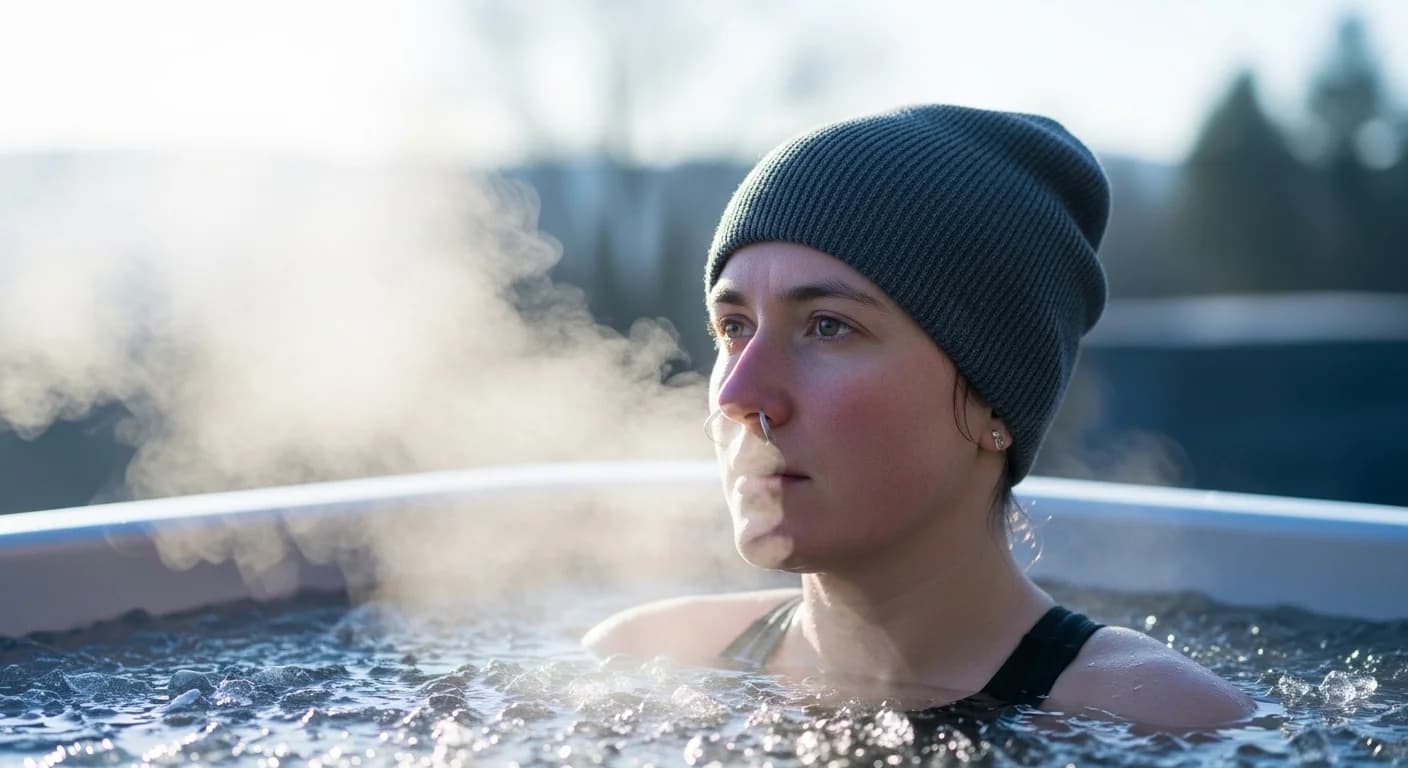
Cold Exposure Protocols
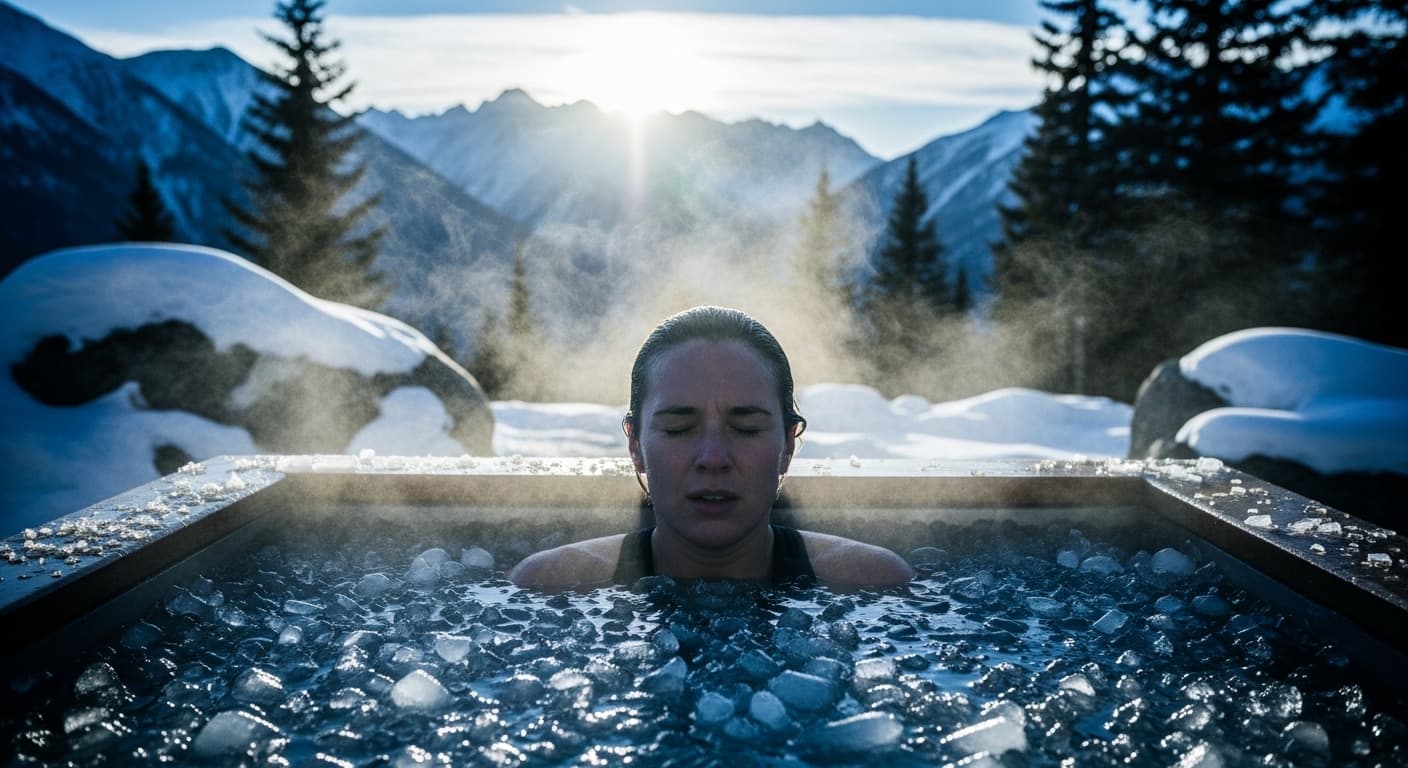
Basic Cold Water Immersion
Temperature: 50-59°F (10-15°C); 50-55°F most common
Duration: 3-15 minutes; most research uses 5-10 minutes
Frequency: 2-3 times weekly; not daily
Timing:
- For recovery: Immediately post-exercise (within 30 minutes)
- For circadian effects: Morning exposure (supports alertness)
- For stress resilience: Consistent timing daily
Adaptation Protocol (Beginner)
If new to cold exposure, this protocol builds tolerance gradually:
Week 1-2: 59°F, 3-5 minutes, 2x weekly Week 3-4: 55°F, 5-8 minutes, 2x weekly Week 5+: 50-55°F, 10-15 minutes, 2-3x weekly
This progression allows your nervous system to adapt safely without excessive stress.
Performance Enhancement Protocol
For endurance athletes seeking cold-exposure benefits:
Timing: After long endurance sessions (not strength training) Temperature: 50-59°F Duration: 10-15 minutes Frequency: 1-3 times weekly following intense sessions
Stress Resilience Protocol
For building cold tolerance and nervous system adaptation:
Timing: Morning (supports circadian rhythm and alertness) Temperature: Gradually progress from warmer to colder Duration: 3-5 minutes Frequency: Daily or 5x weekly

Risks and Contraindications
Immediate Risks
Cardiovascular stress: Cold immersion dramatically increases heart rate and blood pressure. Those with cardiovascular disease or uncontrolled hypertension face real risk.
Cold shock response: Sudden cold exposure can trigger involuntary gasping and breath-holding, potentially causing water inhalation if unprepared.
Hypothermia: Excessive cold or duration can cause dangerous core temperature drop.
Who Should Avoid Cold Exposure
Cardiovascular disease: Heart disease, uncontrolled hypertension, or irregular heartbeat contraindicate ice baths without medical supervision.
Raynaud's syndrome: Cold exposure triggers painful vasoconstriction in extremities.
Pregnancy: Cold exposure's effects on pregnancy are unclear; avoid as a precaution.
Nervous system disorders: Those with certain neurological conditions should consult healthcare providers.
High stress or anxiety: Cold's sympathetic activation may worsen anxiety in vulnerable individuals.
Potential Drawbacks
Muscle growth interference: As discussed, ice after strength training impairs adaptation.
Sympathetic nervous system activation: Regular cold exposure maintains elevated sympathetic tone, potentially problematic for those with high baseline stress.
Reduced performance acutely: Cold immersion before exercise impairs strength and power output.
Potential immune suppression: Excessive cold exposure may impair immune function through overtraining-like effects.
Integration with Training Goals
For Strength and Muscle Gain
Recommendation: Avoid ice baths post-workout. Soreness is tolerable; muscle gains are valuable. Recovery methods like sleep, nutrition, and stress management are more important.
For Endurance Performance
Recommendation: Use cold immersion after intense endurance sessions, particularly if:
- Training multiple times daily
- Competing in endurance sports
- Working in hot conditions
For General Health and Stress Resilience
Recommendation: Regular cold exposure 2-3x weekly, separate from workouts, using adaptation protocols. Benefits for parasympathetic adaptation and stress resilience.
For Athletic Competition Recovery
Recommendation: Post-competition cold immersion particularly valuable for athletes competing multiple times in short timeframes (tournaments, multiple heats).
Practical Implementation
At Home
Cold showers: A practical, accessible option. 3-5 minutes of increasingly cold water provides adaptation benefits with minimal cost.
Ice bath alternatives: Since few people have ice baths at home, cold water submersion (cold tap water) or alternating hot/cold showers provide benefits.
Gradual cold exposure: Start warm, gradually lower temperature over 5-10 minutes rather than shocking your system.
At Facilities
Dedicated ice bath facilities: Gyms and athletic centers increasingly offer ice baths, often at appropriate temperatures.
Natural cold water: Lakes, rivers, or ocean water provide uncontrolled but accessible cold exposure.
Safety Protocols
- Never ice bath alone initially
- Have warm towels and warm clothing available
- Transition gradually (don't shock your system)
- Stay in shallow water (chest height, not neck depth initially)
- Exit immediately if severe discomfort, dizziness, or shortness of breath occurs
- Warm up gradually (warm shower, not sauna)
Combining with Other Recovery Methods
Cold exposure works optimally when combined with:
Sleep: Sleep is the primary recovery tool; cold exposure is supplementary
Nutrition: Adequate protein and calories drive recovery; cold therapy doesn't replace this
Active recovery: Light activity enhances recovery more than passive cold immersion
Stress management: Meditation and relaxation balance cold's sympathetic activation
Heat exposure: Sauna use may complement cold exposure for nervous system adaptation
⚕️ Medical Disclaimer
This article is for educational purposes only. Cold exposure carries cardiovascular risks for certain populations. Consult a healthcare professional before starting cold exposure therapy, especially if you have cardiovascular disease, uncontrolled hypertension, nervous system disorders, pregnancy, or existing health conditions. Never practice ice baths alone or in conditions where drowning is a risk. Cold exposure should be pursued cautiously with proper supervision.What temperature should an ice bath be? Effective cold exposure ranges from 50-59°F (10-15°C), with many protocols using 50-55°F. Below 50°F increases injury risk and adds minimal benefit. Start with warmer temperatures (59°F) and gradually adapt to colder temperatures over weeks. Duration typically ranges 3-15 minutes, with most benefits appearing in the 5-10 minute range.
How frequently should I do ice baths? Research protocols vary from once weekly to daily, with most benefits appearing at 2-3 times weekly. Daily ice baths may interfere with recovery adaptations. Post-exercise ice baths appear most beneficial immediately after intense training (within 30 minutes). Avoid ice baths before workouts—they impair performance acutely.
Can cold exposure actually improve athletic performance? Cold exposure's effects on performance are complex. Acute cold immersion before exercise typically impairs performance. However, regular cold exposure training may enhance cold tolerance and potentially improve endurance in cold conditions. For most people, timing cold plunges after workouts for potential recovery benefits, not before.
References
- Choo HC, et al. "Ergogenic effects of precooling with cold water immersion and ice ingestion: A meta-analysis." European journal of sport science, 2018.
- Behringer M, et al. "Effects of lymphatic drainage and cryotherapy on indirect markers of muscle damage." The Journal of sports medicine and physical fitness, 2018.
- Versey NG, et al. "Water immersion recovery for athletes: effect on exercise performance and practical recommendations." Sports medicine (Auckland, N.Z.), 2013.
- Bleakley C, et al. "Cold-water immersion (cryotherapy) for preventing and treating muscle soreness after exercise." The Cochrane database of systematic reviews, 2012.
Based on 5 reviews
Rate this article
Click on a star to rate this article
Keep Reading
Deep Sleep vs REM: How Your Sleep Architecture Works
Deep sleep vs REM: how the two compete across the night, when each peaks, and how to support both without sabotaging the other in your sleep architecture.
Read article →
sleep recoveryHow to Improve Sleep Quality Naturally: Complete Guide
Learn science-backed strategies to improve sleep quality naturally. Discover habits, supplements, and lifestyle changes that promote better rest.
Read article →
sleep recoveryMelatonin for Sleep: Benefits, Risks, Dosage, and When It Actually Works
Evidence-based guide to melatonin supplementation including how it works, when it's effective, optimal dosing, potential side effects, and timing strategies.
Read article →

Vitality & Strength Editorial Team
Independent research synthesists — not licensed clinicians
Independent health writers and research synthesists. We are not doctors or registered dietitians; every claim we publish is sourced and linked to primary research, and we take no affiliate or industry money.