How to Improve Sleep Quality Naturally: Complete Guide
Learn science-backed strategies to improve sleep quality naturally. Discover habits, supplements, and lifestyle changes that promote better rest.

Quality sleep ranks alongside nutrition and exercise as fundamental to health, yet millions struggle with poor sleep. Insufficient sleep contributes to virtually every chronic disease, impairs cognitive function, damages mental health, and reduces quality of life. Rather than relying on medications with potential side effects and dependency risks, evidence-based natural approaches offer effective sleep improvements. This comprehensive guide provides science-backed strategies to meaningfully improve your sleep quality.
Why Sleep Matters So Much
Sleep isn't luxury or laziness—it's biological necessity. During sleep, your body:
Consolidates memories The brain processes daily information, consolidating short-term memories into long-term storage. Without adequate sleep, learning and memory suffer significantly.
Clears toxins The glymphatic system, active primarily during sleep, removes metabolic waste including beta-amyloid associated with Alzheimer's disease. Chronic sleep deprivation allows toxic accumulation.
Regulates hormones Sleep regulates hormones controlling hunger, satiety, cortisol, and growth hormone. Poor sleep increases hunger, promotes weight gain, and impairs recovery.
Strengthens immunity Sleep activates immune cell production and function, and [shorter measured sleep predicts greater susceptibility to the common cold]. Sleep-deprived individuals experience more infections and slower recovery.
Manages inflammation Adequate sleep reduces systemic inflammation. Sleep deprivation increases inflammatory markers linked to disease.
Supports mental health Sleep deprivation impairs emotional regulation, increases anxiety and depression risk, and reduces resilience to stress.
Enables physical recovery Growth hormone, crucial for muscle growth and tissue repair, peaks during deep sleep. Athletes know that sleep is when training results manifest.
Understanding Sleep Cycles and Architecture
Healthy sleep consists of multiple 90-minute cycles, each containing specific stages crucial for different restorative functions.
Sleep Stages
Light Sleep (N1 and N2) Comprises 45-55% of sleep. This state allows easy arousal but enables initial restoration.
Deep Sleep (N3) Comprises 10-20% of sleep. Maximum restoration occurs here—growth hormone peaks, tissues repair, immune function strengthens. Deep sleep insufficient leads to morning grogginess and daytime fatigue.
REM Sleep Comprises 20-25% of sleep. Vivid dreams, memory consolidation, and emotional processing occur. REM deprivation impairs learning and mood regulation.
Healthy sleep cycles through all stages in progression. Disruptions to this cycle (like frequent awakenings) prevent restorative sleep despite time in bed.
Sleep Environment Optimization
Temperature
Your core body temperature must drop approximately 2-3 degrees Fahrenheit for quality sleep, and [the thermal environment measurably shapes sleep architecture and circadian rhythm]. Cool environments facilitate this natural process.
Optimal temperature: 60-67°F (15-19°C)
Implementation:
- Set thermostat to 65-67°F
- Use breathable, moisture-wicking bedding
- Consider cooling mattress pads for those struggling with temperature
- Wear light sleeping clothes
- Take a warm bath or shower 1-2 hours before bed (paradoxically, post-bath cooling helps initiation)
Darkness
Light suppresses melatonin production, disrupting sleep-wake cycles; [evening light-emitting screens suppress melatonin and push circadian timing later]. Complete darkness optimizes melatonin and sleep quality.
Implementation:
- Install blackout curtains blocking all outside light
- Use eye mask if complete darkness difficult
- Remove electronic lights and indicators
- Consider red light nightlights if needed (red wavelengths don't suppress melatonin)
- Eliminate TV and phone screens in bedroom
Quiet
Sound disruptions fragment sleep even if you don't consciously notice them. Consistent quiet supports consolidated sleep cycles.
Implementation:
- Use white noise machines masking disruptive sounds
- Consider earplugs if external noise unavoidable
- Address in-home noise (snoring partners, pets, appliances)
- Position bed away from external noise sources
Comfort
Uncomfortable beds and bedding prevent sleep onset and cause frequent awakenings.
Investment considerations:
- Quality mattress (replace every 7-10 years)
- Supportive, comfortable pillows
- Breathable, soft sheets
- Appropriate blanket weight
Sleep Hygiene Habits
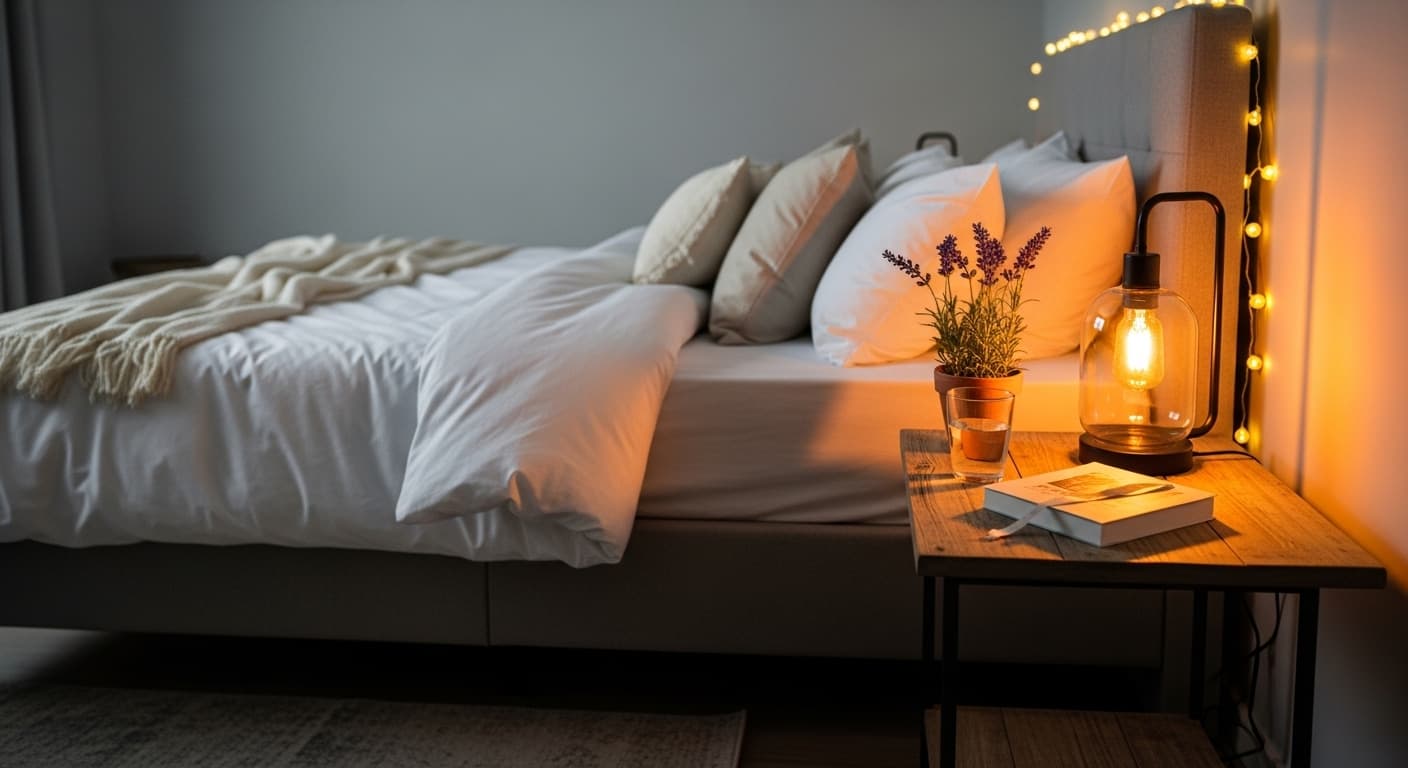
Consistent Schedule
Your body thrives on predictable rhythms. Consistent sleep-wake times synchronize circadian rhythms, improving sleep quality and daytime alertness.
Implementation:
- Sleep and wake at the same time daily (even weekends)
- Allow 7-9 hours between bedtime and wake time
- Consistency matters more than perfect timing
- Adjust schedule gradually (15-minute increments) if changing
Light Exposure Timing
Light exposure powerfully influences circadian rhythms. Morning light strengthens rhythm, while evening light disrupts it.
Morning light exposure:
- Get 15-30 minutes bright light within 30-60 minutes of waking
- Outdoor natural light preferred
- Walks outside combine light exposure with movement
- For overcast climates, light therapy lamps (10,000 lux) work effectively
Evening light reduction:
- Dim lights 1-2 hours before bed
- Avoid bright screens 30-60 minutes before sleep
- Use blue light filters on devices if screen exposure necessary
- Wear blue light blocking glasses if evening screen use unavoidable
Exercise Timing
Regular physical activity improves sleep quality [exercise raises sleep quality, though vigorous late-night sessions can delay onset for some people]. Timing matters—intense exercise close to bedtime stimulates rather than relaxes.
Optimal approach:
- Exercise 30-60 minutes most days
- Complete intense exercise 3+ hours before bed
- Light movement (walking, stretching) acceptable anytime
- Strength training and cardio particularly beneficial
Caffeine Management
Caffeine blocks adenosine receptors, preventing sleepiness. With a 5-6 hour half-life it lingers into the night; in a controlled trial, [caffeine taken even 6 hours before bed measurably reduced sleep].
Implementation:
- Cease caffeine intake after 2 PM
- Eliminate afternoon coffee, tea, and cola
- Remember caffeine in chocolate and energy bars
- Replace afternoon coffee with decaffeinated options or herbal tea
- Gradually reduce caffeine to minimize withdrawal headaches
Alcohol Limitations
While alcohol initially causes drowsiness, it impairs sleep quality by fragmenting sleep cycles and suppressing REM sleep [alcohol's effects on normal sleep].
Implementation:
- Limit alcohol to 1-2 drinks
- Avoid alcohol within 3+ hours of bedtime
- Recognize that "moderate" doesn't mean helpful for sleep
- Choose other relaxation strategies instead
Bedtime Routine
A consistent pre-sleep routine signals your body that sleep approaches, promoting natural sleepiness.
Sample routine (30-60 minutes before bed):
- Dim lights throughout your home
- Turn off screens
- Warm bath or shower
- Relaxing stretches or light yoga
- Reading or journaling
- Breathing exercises
- Meditation or guided relaxation
- Bed at consistent time
Consistency matters more than specific activities—choose activities you genuinely enjoy.
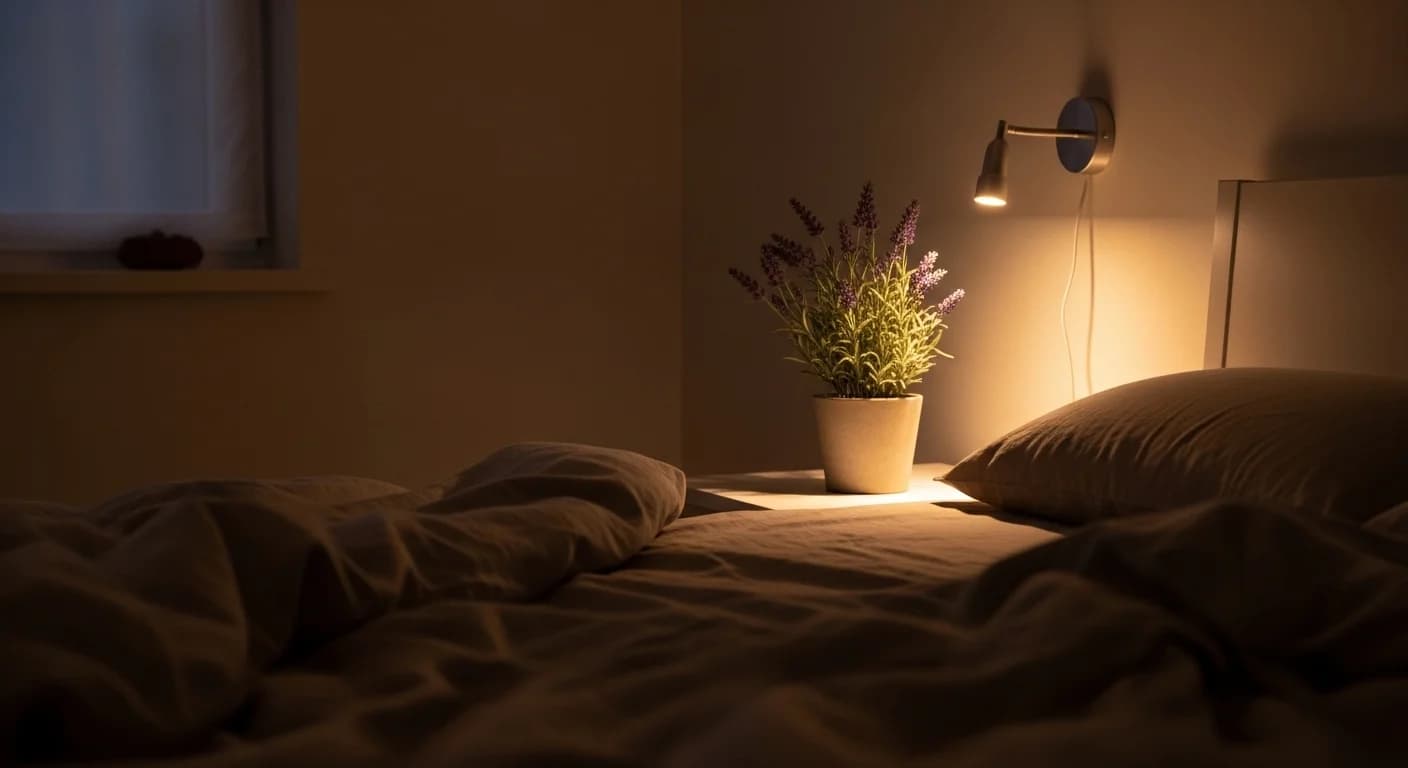
Bedroom Bed Association
Reserve your bed exclusively for sleep and intimacy. Working, watching TV, or eating in bed weakens the bed-sleep association.
Implementation:
- No work in bedroom
- No screens in bed
- Move work and entertainment to other spaces
- Strengthen bed-sleep connection through exclusive use
Natural Sleep Support Strategies
Breathing Techniques
Controlled breathing activates parasympathetic nervous system, promoting relaxation.
4-7-8 breathing:
- Inhale through nose for 4 counts
- Hold for 7 counts
- Exhale through mouth for 8 counts
- Repeat 4-8 times
The longer exhale activates parasympathetic response. Practice during day to master before bedtime use.
Progressive Muscle Relaxation
Systematically tensing and releasing muscle groups releases tension and focuses attention on relaxation.
Implementation:
- Starting with feet, tense muscles for 5 seconds, then release
- Progress through legs, torso, arms, and head
- 15 minutes typically completes the sequence
- Practice twice daily initially, then as-needed
Meditation and Mindfulness
Meditation redirects racing thoughts that prevent sleep; in a randomized trial, [mindfulness meditation improved sleep quality in older adults with sleep complaints].
Bedtime meditation:
- Focus on breath or body sensations
- When mind wanders, gently return attention
- Practice without striving for particular outcome
- 10-20 minutes typically effective
Journaling
Writing worries and tomorrow's tasks externally clears mental space and reduces rumination.
Evening journaling:
- Write everything on your mind
- Note tomorrow's tasks
- Set aside worries (they're documented, can be addressed tomorrow)
- 10-15 minutes typically sufficient
Natural Sleep Supplements
Melatonin
Melatonin, a natural hormone regulating sleep-wake cycles, helps sleep onset particularly for delayed sleep phase.
Evidence: A [meta-analysis of melatonin for primary sleep disorders] found it shortens sleep onset, particularly when circadian rhythm is disrupted
Dosing: 0.5-5 mg, 30-60 minutes before bed
Considerations:
- Effective for adjusting to new time zones
- Works best for delayed sleep onset
- Mild side effects (morning grogginess)
- Not habit-forming
Magnesium
Magnesium promotes muscle relaxation and sleep quality, and many people fall short of the recommended intake. A [double-blind trial in older adults with primary insomnia] found magnesium improved sleep measures.
Dosing: 200-400 mg before bed, in a well-absorbed form.
The form you choose changes absorption and side effects — for the full glycinate vs citrate vs threonate comparison, see our magnesium for sleep guide.
Valerian Root
Valerian, an herbal remedy, has traditional use and moderate research support for sleep.
Evidence: A [systematic review of valerian for sleep] found modest, somewhat inconsistent benefit for sleep onset and quality
Dosing: 400-900 mg before bed
Considerations:
- Takes 2-4 weeks for maximum benefit
- Mild side effects (rare)
- Unpleasant taste/smell
- Can interact with some medications
Passionflower
Passionflower, traditionally used for anxiety, shows promise for sleep quality.
Evidence: Limited-to-moderate for sleep quality
Dosing: 500-1500 mg before bed
Considerations:
- Generally safe
- May help anxiety-driven insomnia
- Works best as part of combination approach
L-theanine
An amino acid from tea, L-theanine promotes relaxation without drowsiness.
Evidence: In a [randomized trial, L-theanine reduced stress-related symptoms and supported sleep quality]
Dosing: 100-200 mg before bed
Considerations:
- Promotes relaxation without sedation
- Safe and well-tolerated
- Works better combined with other approaches
- Some people feel effects quickly, others need time
Combination Approaches
Many people benefit from combining supplements:
- Magnesium + melatonin
- Valerian + passionflower + L-theanine
- Magnesium + L-theanine
Start with single supplements, adding others if needed for optimal results.
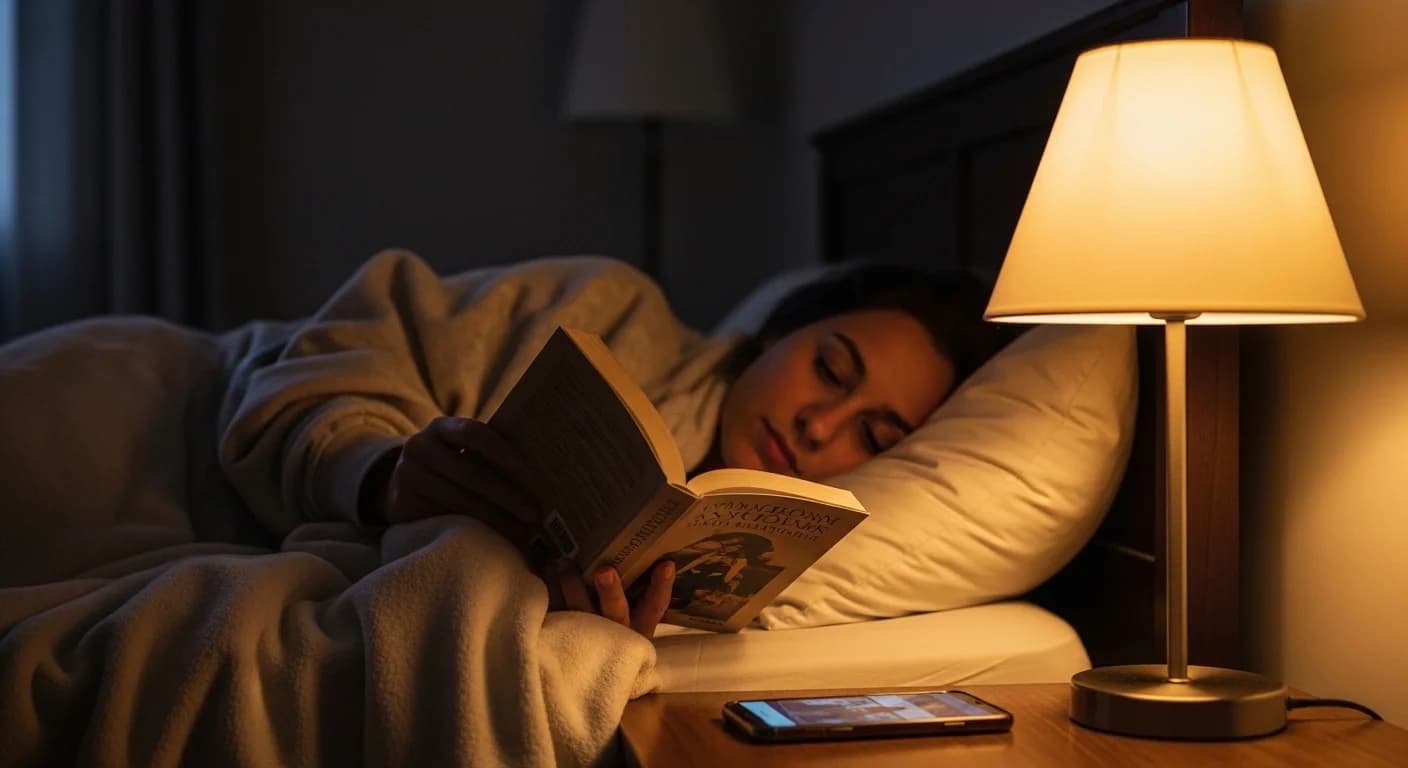
Addressing Common Sleep Issues
Can't Fall Asleep
Focus on: Melatonin, consistent sleep schedule, light exposure timing, bedroom darkness, relaxation techniques
Frequent Awakenings
Focus on: Magnesium for sleep continuity, cool temperature, white noise, consistent schedule, removing caffeine
Waking Early and Can't Return to Sleep
Focus on: Addressing racing thoughts through journaling, meditation, consistent wake time (even if early), avoiding clock-watching
Non-Restorative Sleep
Focus on: Deep sleep support through magnesium, temperature optimization, exercise, consistent schedule
Timeline for Improvement
Week 1:
- Sleep onset may improve slightly
- Environment optimization might show immediate benefits
Weeks 2-3:
- Circadian rhythm adjustments appear
- More consistent sleep timing develops
- Deep sleep improves with consistent schedule
Weeks 4-8:
- Substantial improvements in sleep quality
- Daytime alertness increases
- Benefits accumulate with consistency

⚕️ Medical Disclaimer
This article is for educational purposes only. Consult a healthcare professional before making significant changes to sleep habits or taking sleep supplements, especially if you have sleep disorders, take medications, or have underlying health conditions. Persistent sleep problems may indicate medical or psychological conditions requiring professional evaluation and treatment.Q: Is napping bad for nighttime sleep?
A: Short naps (20 minutes) don't significantly impair nighttime sleep. Longer naps disrupt circadian rhythm. Avoid napping after 3 PM if nighttime sleep suffers.
Q: What if I wake in the middle of night?
A: Avoid clock-watching. If unable to sleep after 15-20 minutes, get up, do a quiet relaxing activity, then return to bed. Lying in bed frustrated reinforces insomnia.
Q: How do sleep needs change with age?
A: Most age groups need 7-9 hours. Sleep architecture changes with age (more light sleep, less deep sleep), but total sleep needs remain relatively constant.
Q: Can I "catch up" on sleep?
A: Partial sleep recovery is possible, but you can't fully compensate for chronic deprivation. Maintaining consistent quality sleep beats attempting catch-up.
Q: Should I consult a doctor about sleep issues?
A: If sleep problems persist despite lifestyle improvements for 2-3 months, consult your healthcare provider. Sleep disorders like sleep apnea require medical attention.
References
- Drake C, et al. Caffeine effects on sleep taken 0, 3, or 6 hours before going to bed. J Clin Sleep Med, 2013.
- Ferracioli-Oda E, et al. Meta-analysis: melatonin for the treatment of primary sleep disorders. PLoS One, 2013.
- Abbasi B, et al. The effect of magnesium supplementation on primary insomnia in elderly: a double-blind placebo-controlled trial. J Res Med Sci, 2012.
- Black DS, et al. Mindfulness meditation and improvement in sleep quality and daytime impairment among older adults. JAMA Intern Med, 2015.
- Chang AM, et al. Evening use of light-emitting eReaders negatively affects sleep, circadian timing, and next-morning alertness. PNAS, 2015.
- Ebrahim IO, et al. Alcohol and sleep I: effects on normal sleep. Alcohol Clin Exp Res, 2013.
- Vigorous late-night exercise and sleep quality / cardiac autonomic activity. J Sleep Res, 2011.
- Okamoto-Mizuno K, Mizuno K. Effects of thermal environment on sleep and circadian rhythm. J Physiol Anthropol, 2012.
- Bent S, et al. Valerian for sleep: a systematic review and meta-analysis. Am J Med, 2006.
- Hidese S, et al. Effects of L-theanine administration on stress-related symptoms and cognitive functions. Nutrients, 2019.
- Prather AA, et al. Behaviorally assessed sleep and susceptibility to the common cold. Sleep, 2015.
Rate this article
Click on a star to rate this article
Keep Reading
Deep Sleep vs REM: How Your Sleep Architecture Works
Deep sleep vs REM: how the two compete across the night, when each peaks, and how to support both without sabotaging the other in your sleep architecture.
Read article →
sleep recoveryMelatonin for Sleep: Benefits, Risks, Dosage, and When It Actually Works
Evidence-based guide to melatonin supplementation including how it works, when it's effective, optimal dosing, potential side effects, and timing strategies.
Read article →
fitnessThe Evidence-Based Recovery Protocol Guide
Recovery ranked by evidence: sleep first, then sauna, cold, and Zone 2 - plus the popular tools that don't work (and the ice bath that backfires).
Read article →

Vitality & Strength Editorial Team
Independent research synthesists — not licensed clinicians
Independent health writers and research synthesists. We are not doctors or registered dietitians; every claim we publish is sourced and linked to primary research, and we take no affiliate or industry money.