Psyllium Husk for Cholesterol: What the Research Shows
Does psyllium husk for cholesterol work? A review of 2018 to 2025 meta-analyses on LDL, blood pressure, blood sugar, weight, and how to take it safely.
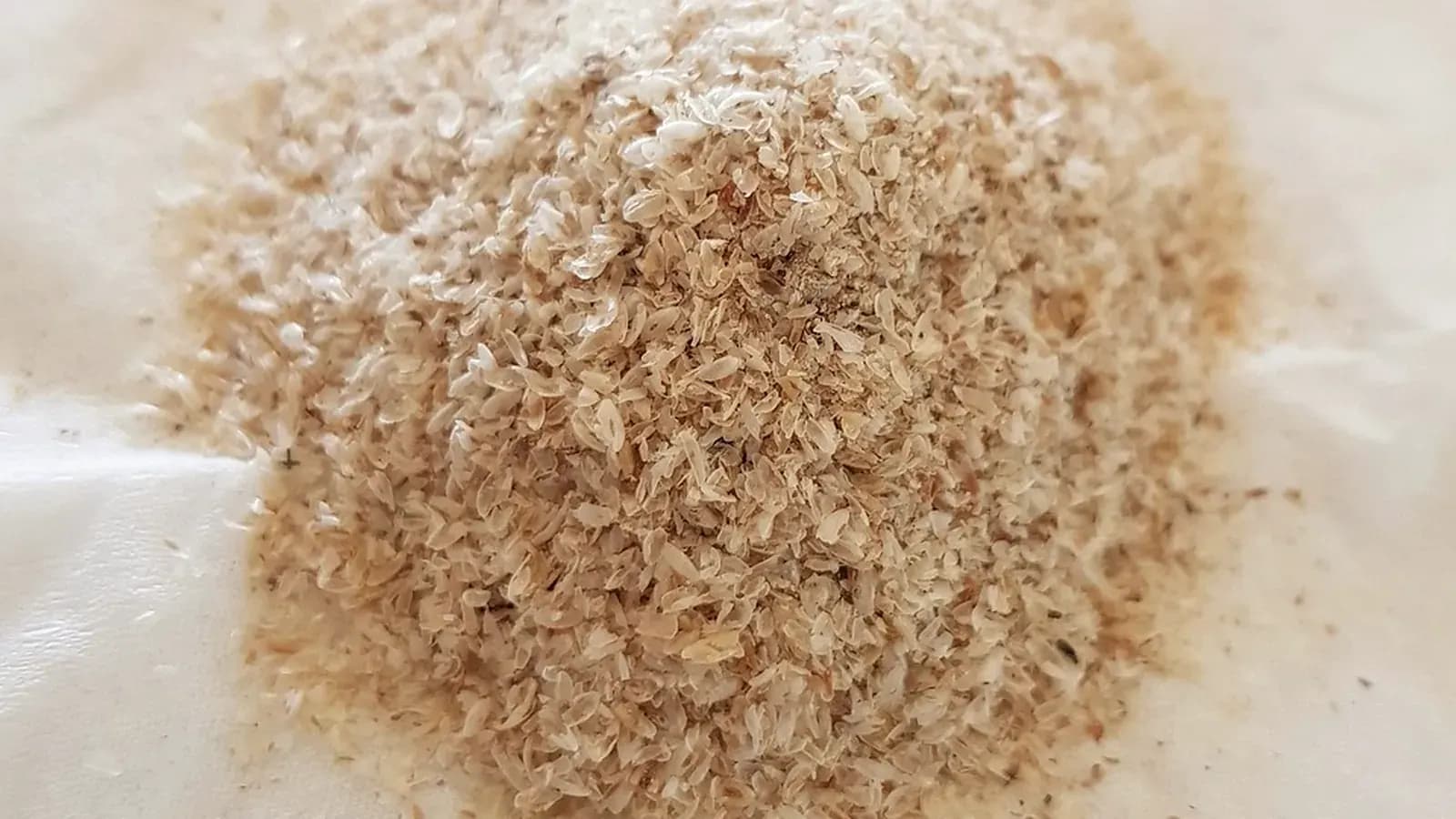
Psyllium husk for cholesterol is one of the few supplement claims with a large body of randomised trials behind it, and the numbers are more modest and more useful than the packaging suggests. This guide goes through the latest meta-analyses, shows what psyllium does and does not do for LDL cholesterol, blood pressure, blood sugar and weight, flags where the evidence comes from a manufacturer, and explains how to take it safely.
⚕️ Medical Disclaimer
This article is general information, not medical advice. Psyllium is a fibre supplement that can affect how other medicines are absorbed and can cause choking or blockage if taken without enough liquid. Talk to a doctor or pharmacist before using it if you take regular medicines, have diabetes, difficulty swallowing, a history of bowel obstruction, or are pregnant or breastfeeding. High cholesterol should be managed with your doctor, and a supplement should not replace prescribed treatment.
The short version
- A 2018 meta-analysis of 28 randomised trials (1,924 people) found that a median dose of about 10.2 grams of psyllium a day lowered LDL cholesterol by 0.33 mmol/L, roughly 13 mg/dL, with moderate-quality evidence.
- A 2024 meta-analysis of 29 trials (2,769 people) found lower total and LDL cholesterol, and no clear effect on HDL cholesterol or triglycerides.
- A 2025 meta-analysis of 41 trials (2,049 people) also found lower LDL, but with very high disagreement between studies, so the size of the effect is uncertain.
- Psyllium lowers systolic blood pressure by only about 2 mmHg in meta-analyses, which is a small effect.
- The strongest claims about weight loss come from a review whose authors work for the maker of a psyllium product, and it included only six small studies.
- It must be taken with plenty of liquid, and it can interfere with the timing of some medicines.
What is psyllium husk?
Psyllium husk comes from the seeds of Plantago ovata, a plant grown mainly for its fibre. It is a soluble fibre that forms a thick gel when mixed with liquid. That gel is the reason it is used both as a bulk laxative and as a cholesterol-lowering supplement, because a thick gel in the gut changes how fat, bile acids and sugars are absorbed. You will see it sold as powder, granules, wafers and capsules, and as an ingredient in fibre products and gluten-free baking.

Most of the trials in this guide used psyllium as a daily supplement for several weeks to a few months, not as a food. The amount used in studies matters, so it is worth knowing what the research actually tested before you compare it with a label.
Psyllium husk for cholesterol: what the trials show
The most-cited analysis is a 2018 systematic review and meta-analysis in the American Journal of Clinical Nutrition by Jovanovski and colleagues. It pooled 28 randomised trials lasting at least three weeks, with 1,924 participants who did and did not have high cholesterol. The median dose was about 10.2 grams of psyllium a day. Compared with control groups, psyllium lowered:
- LDL cholesterol by 0.33 mmol/L (95 percent confidence interval 0.27 to 0.38 mmol/L), roughly 13 mg/dL.
- Non-HDL cholesterol by 0.39 mmol/L (0.27 to 0.50 mmol/L).
- Apolipoprotein B, a measure of cholesterol-carrying particles, by 0.05 g/L.
The authors graded the evidence as moderate quality for LDL and non-HDL cholesterol, because the trials were inconsistent, and as high quality for apolipoprotein B. In other words, the direction of the effect is well supported, and the exact size varies between studies.
A 2024 meta-analysis in Nutrition Research by Zhu and colleagues looked at Plantago products more broadly, including 29 randomised trials and 2,769 participants. It found total cholesterol 0.28 mmol/L lower and LDL cholesterol 0.35 mmol/L lower, which the authors linked to an estimated 7 percent lower risk of cardiovascular events. HDL cholesterol and triglycerides showed no substantial change. Total cholesterol fell in healthy people and in people with lipid disorders, and total and LDL cholesterol were lower in the trials that used Plantago husk or psyllium.
Newer analyses are less tidy
A 2025 dose-response meta-analysis in Genes and Nutrition by Gholami and Paknahad pooled 41 randomised trials with 2,049 participants. It also found a significant fall in LDL and total cholesterol, with no significant change in HDL cholesterol or triglycerides. The average LDL reduction was smaller (a weighted mean difference of about 8.6), and the disagreement between trials was very high, with I-squared values near 88 percent. The review reported that dose and duration had no significant linear effect on lipids. That means the trials do not tell us that taking more, or for longer, clearly lowers cholesterol further, and it is another reason to treat the exact numbers cautiously.
Putting the three reviews together, psyllium reliably lowers LDL cholesterol by a modest amount, probably in the range of a few mg/dL up to around 13 mg/dL on average, with real variation between trials. It does not meaningfully raise HDL, and the triglyceride effect is not consistent.
Does psyllium add anything to a statin?
A 2018 meta-analysis in the American Journal of Cardiology pooled three randomised trials, lasting 4 to 12 weeks, of people who were already taking statins. Adding psyllium taken before meals gave a statistically significant extra LDL reduction compared with the statin alone, which the authors described as equivalent to doubling the statin dose. Only three trials were included, so this is promising rather than settled. It is also not a reason to change a prescribed dose. If you take a statin and want to add psyllium, speak to the clinician who prescribes it, partly because psyllium can change the timing of other medicines.
For a broader look at diet and heart health, see our beginner's guide to the Mediterranean diet, which covers an eating pattern with a well-known cardiovascular trial behind it.
Blood pressure: a small effect
A 2024 dose-response meta-analysis in Food Science and Nutrition pooled 14 randomised trials with 802 participants. Psyllium lowered systolic blood pressure by about 2.2 mmHg, with no significant change in diastolic pressure. An earlier 2020 meta-analysis in the Korean Journal of Internal Medicine, with 11 trials and 592 participants, found a systolic reduction of about 2.0 mmHg, and the effect was stronger in people with higher starting blood pressure.
A drop of two points is real but small. It is not a substitute for blood pressure medicine or for the lifestyle changes with larger effects, and it should not be the main reason to start taking psyllium.
Blood sugar in people with diabetes
A 2020 meta-analysis in Phytotherapy Research pooled eight studies (nine arms, 395 participants with diabetes). It found significant reductions in triglycerides, LDL cholesterol, fasting blood sugar and haemoglobin A1c, with HbA1c falling by about 0.9 percentage points (95 percent confidence interval 0.51 to 1.31). It found no significant change in HDL cholesterol, total cholesterol, body mass index or weight.
Two cautions apply. First, the studies disagreed enormously: I-squared values for the main results were between 97 and 99 percent, which means the pooled average hides large differences between trials. Second, anyone with diabetes who takes glucose-lowering medicine should speak to their doctor before adding a fibre supplement, because lower blood sugar can change how much medicine is needed.
Weight loss: read the conflict of interest
A 2023 review in the Journal of the American Association of Nurse Practitioners pooled six studies with 354 overweight or obese participants who took psyllium just before meals, at a mean dose of 10.8 grams a day for an average of 4.8 months. It found a 2.1 kg lower body weight, a 0.8 kg/m2 lower body mass index and a 2.2 cm smaller waist circumference.
That is a useful signal, but note two things. The review included only six studies, and its authors declared that they are employees of Procter and Gamble, the manufacturer of Metamucil, a psyllium-containing product. That does not make the results wrong, but it is exactly the situation where independent replication matters. The diabetes review above found no significant weight change, so the evidence on weight is mixed at best.
How to take psyllium safely
Psyllium swells into a gel, so the way you take it matters.
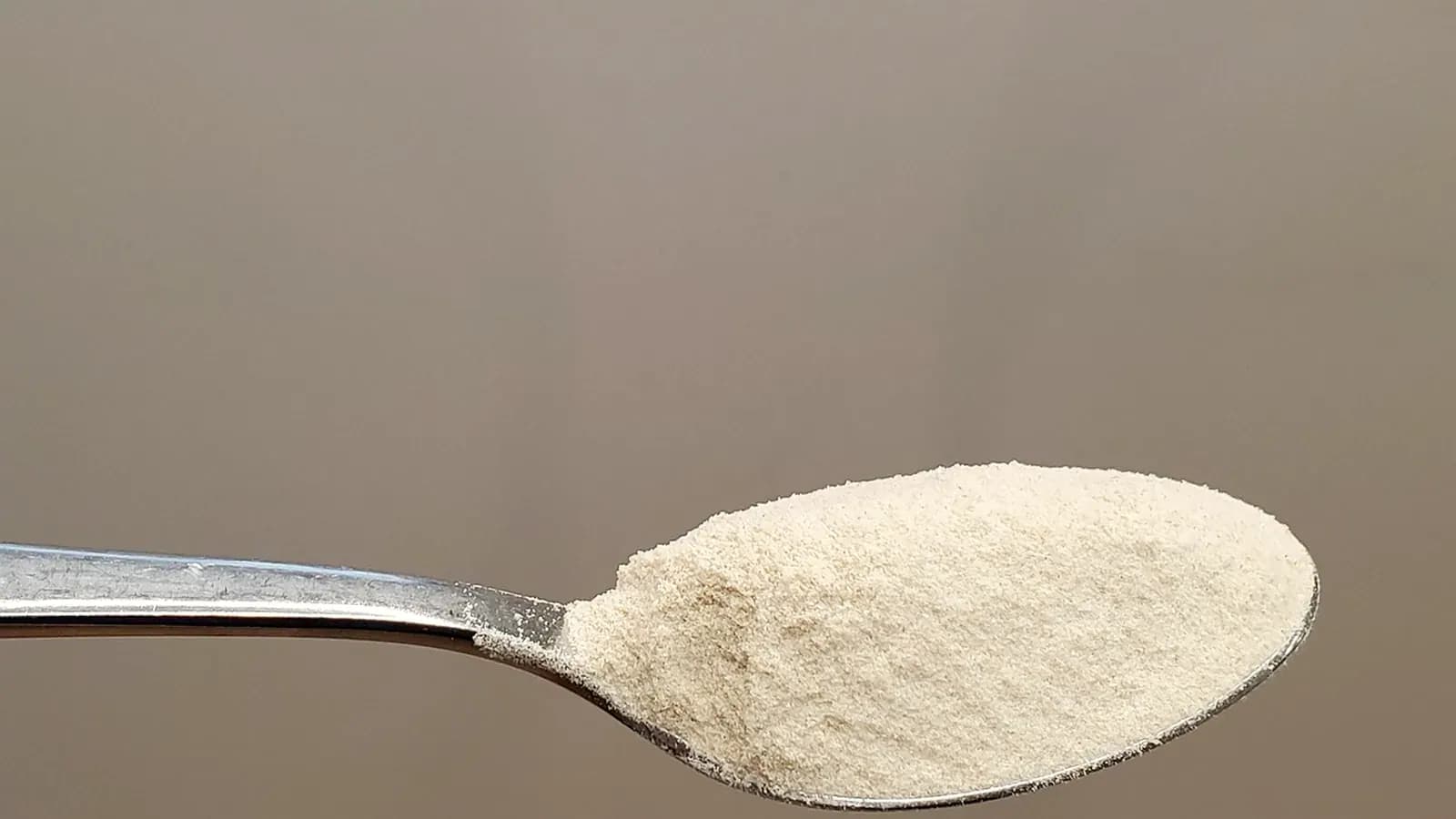
- Mix powder or granules with at least 8 ounces (about 240 millilitres) of liquid right before you drink it, and drink the whole dose. MedlinePlus advises at least 8 ounces of liquid with each dose, and says to be careful not to breathe in the powder while mixing.
- Do not take it dry. WebMD's psyllium guidance warns that without enough liquid it can swell and block the throat or food pipe.
- Tell your doctor before you start if you have trouble swallowing or a history of intestinal blockage. MedlinePlus lists difficulty swallowing among the symptoms that should prompt you to call your doctor.
- Stop and get medical help if you develop trouble breathing or swallowing, stomach pain, vomiting, a skin rash or itching.
- Leave a gap before certain medicines. MedlinePlus says not to take digoxin, salicylates such as aspirin, or nitrofurantoin within 3 hours of taking psyllium. Ask a pharmacist about timing for any other regular medicine.
- Let your doctor know if you have diabetes, heart disease, high blood pressure, kidney disease or rectal bleeding, or if you are pregnant or breastfeeding.
MedlinePlus describes psyllium as usually taken one to three times a day. Check the label for the amount, since products differ, and note that the psyllium husk for cholesterol trials above used roughly 10 grams a day in total. Like other fibre supplements, psyllium can cause digestive changes, so some people prefer to build up gradually and keep drinking fluids throughout the day.
Food first, then psyllium husk for cholesterol
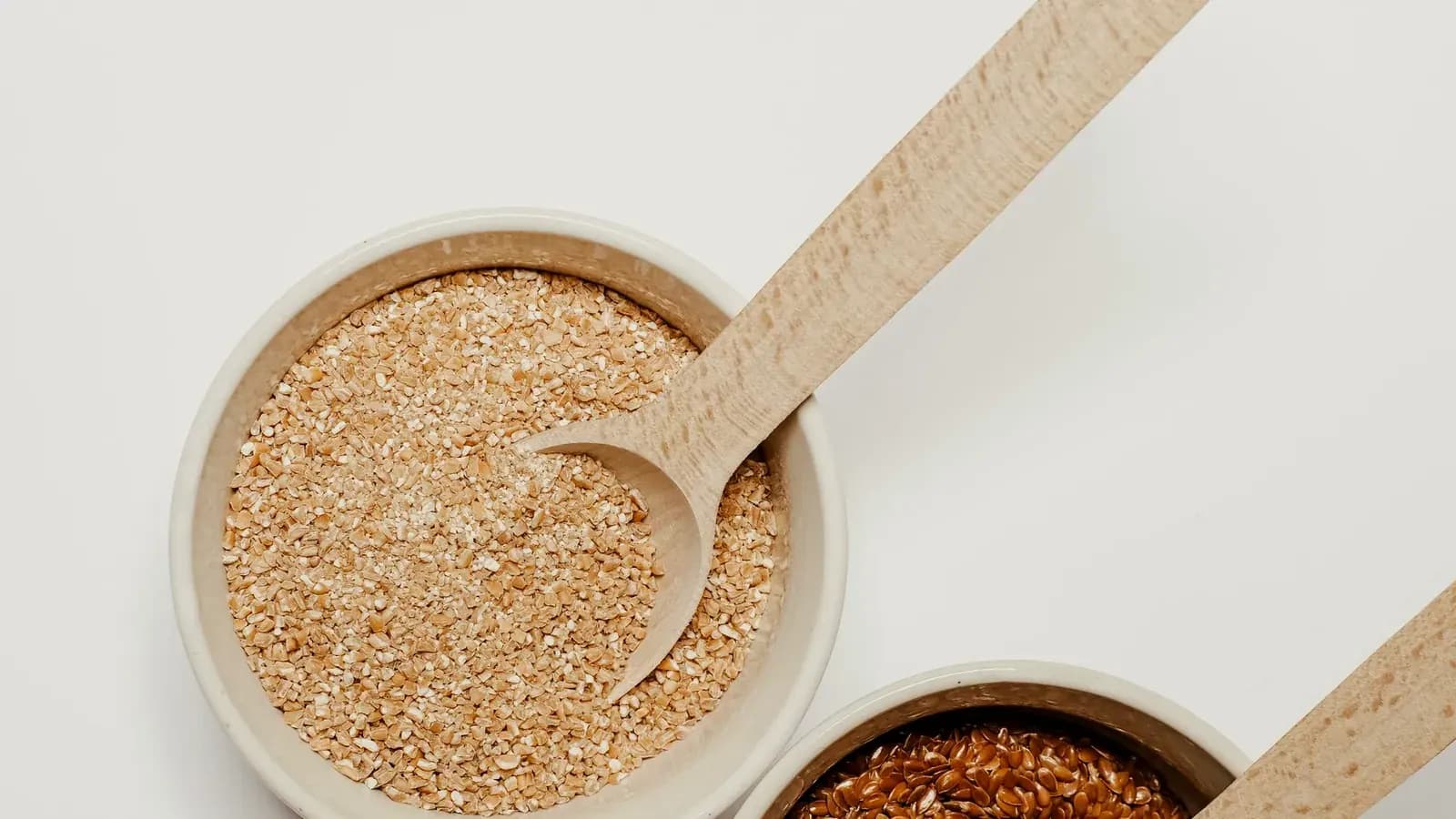
Soluble fibre is also found in everyday foods, and a diet with plenty of fibre supports the same gut and cholesterol pathways. Our guide to the fibre maths behind 30 grams a day explains how much fibre people typically need and how to build it from food. If you are comparing supplements for cholesterol and blood sugar, our review of berberine covers another widely marketed option and its limits.
Who should skip it or ask first
- People with difficulty swallowing, a narrowed gullet or a history of bowel obstruction.
- Anyone taking digoxin, aspirin or nitrofurantoin, and anyone on other regular medicines who has not checked timing with a pharmacist.
- People with diabetes who use glucose-lowering medicines.
- Anyone who is pregnant or breastfeeding, who should ask a clinician first.
- Anyone with high cholesterol who has been prescribed treatment, who should add psyllium husk for cholesterol only after discussing it with their doctor.
Bottom line
Psyllium husk for cholesterol has genuine, repeatedly tested support. Expect a modest LDL reduction of up to roughly 13 mg/dL on average at about 10 grams a day, little change in HDL, an inconsistent effect on triglycerides, and small effects on blood pressure and blood sugar. Claims about weight loss rest on limited, manufacturer-linked evidence. Take it with plenty of liquid, watch the timing of other medicines, and treat it as an add-on to diet and prescribed treatment, not a replacement.
References
[Jovanovski et al., "Effect of psyllium (Plantago ovata) fiber on LDL cholesterol and alternative lipid targets, non-HDL cholesterol and apolipoprotein B: a systematic review and meta-analysis of randomized controlled trials," American Journal of Clinical Nutrition, 2018. PMID: 30239559] [Zhu et al., "Plantago consumption significantly reduces total cholesterol and low-density lipoprotein cholesterol in adults: A systematic review and meta-analysis," Nutrition Research, 2024. PMID: 38688104] [Gholami and Paknahad, "Psyllium supplementation and lipid profiles: systematic review and dose-response meta-analysis of randomized controlled trials," Genes and Nutrition, 2025. PMID: 41366295] ["Meta-Analysis of Usefulness of Psyllium Fiber as Adjuvant Antilipid Therapy to Enhance Cholesterol Lowering Efficacy of Statins," American Journal of Cardiology, 2018. PMID: 30078477] [Gholami and Paknahad, "The effect of psyllium consumption on blood pressure: Systematic review and dose-response meta-analysis of randomized controlled trials," Food Science and Nutrition, 2024. PMID: 39479650] [Clark et al., "The effect of psyllium supplementation on blood pressure: a systematic review and meta-analysis of randomized controlled trials," Korean Journal of Internal Medicine, 2020. PMID: 32066221] [Xiao et al., "The effect of psyllium consumption on weight, body mass index, lipid profile, and glucose metabolism in diabetic patients: A systematic review and dose-response meta-analysis of randomized controlled trials," Phytotherapy Research, 2020. PMID: 31919936] ["Psyllium is a natural nonfermented gel-forming fiber that is effective for weight loss: A comprehensive review and meta-analysis," Journal of the American Association of Nurse Practitioners, 2023. PMID: 37163454] [MedlinePlus, "Psyllium," drug information, last revised 20 June 2024] [WebMD, "Psyllium husk oral" drug information (secondary source for the choking and blockage warning)]Frequently Asked Questions
Does psyllium husk lower cholesterol?
Yes, modestly. A 2018 meta-analysis of 28 randomised trials (1,924 people) found about 10 grams a day lowered LDL cholesterol by 0.33 mmol/L, roughly 13 mg/dL. Newer analyses agree on the direction but show a smaller and more variable effect, and little effect on HDL cholesterol.
How much psyllium is used in studies?
The 2018 meta-analysis used a median of about 10.2 grams a day, and a weight-loss review used a mean of about 10.8 grams a day taken just before meals. Check your product label for the amount per serving, and speak to a pharmacist if you take regular medicines.
Can I take psyllium with a statin?
Possibly, but ask your doctor first. A meta-analysis of three trials found that adding psyllium before meals lowered LDL more than a statin alone, but the evidence is limited and psyllium can affect the timing of other medicines. Do not change a prescribed dose on your own.
Is psyllium safe to take every day?
Many trials had people take it daily for weeks to months, but safety depends on how you take it. Mix it with at least 8 ounces of liquid, never take it dry, and stop and seek medical help for trouble breathing or swallowing, stomach pain, vomiting, rash or itching.
Does psyllium help with weight loss?
The evidence is limited. One review of six studies (354 people) found about 2.1 kg more weight loss, but its authors work for the maker of a psyllium product, and a separate review in people with diabetes found no significant change in weight.
What medicines can psyllium interfere with?
MedlinePlus says not to take digoxin, salicylates such as aspirin, or nitrofurantoin within 3 hours of psyllium. Tell your doctor if you have diabetes, heart disease, high blood pressure or kidney disease, and ask a pharmacist about timing for any other regular medicine.
Rate this article
Click on a star to rate this article
Keep Reading
Berberine Benefits: What the Research Shows
Berberine benefits explained: what trials found for blood sugar, weight and cholesterol, how big the effects are, side effects, and who should ask first.
Read article →
supplementsTart Cherry Juice: What the Research Shows
Does tart cherry juice work? A review of 2021 to 2026 meta-analyses and trials on exercise recovery, sleep, gout, blood pressure, sugar and side effects.
Read article →
supplementsAshwagandha for Stress and Anxiety: What the Research Shows
Does ashwagandha for stress and anxiety work? A review of 2024 to 2026 meta-analyses, why cortisol falls but stress scores may not, and liver safety warnings.
Read article →

Vitality & Strength Editorial Team
Independent research synthesists — not licensed clinicians
Independent health writers and research synthesists. We are not doctors or registered dietitians; every claim we publish is sourced and linked to primary research, and we take no affiliate or industry money.