Ashwagandha for Stress and Anxiety: What the Research Shows
Does ashwagandha for stress and anxiety work? A review of 2024 to 2026 meta-analyses, why cortisol falls but stress scores may not, and liver safety warnings.
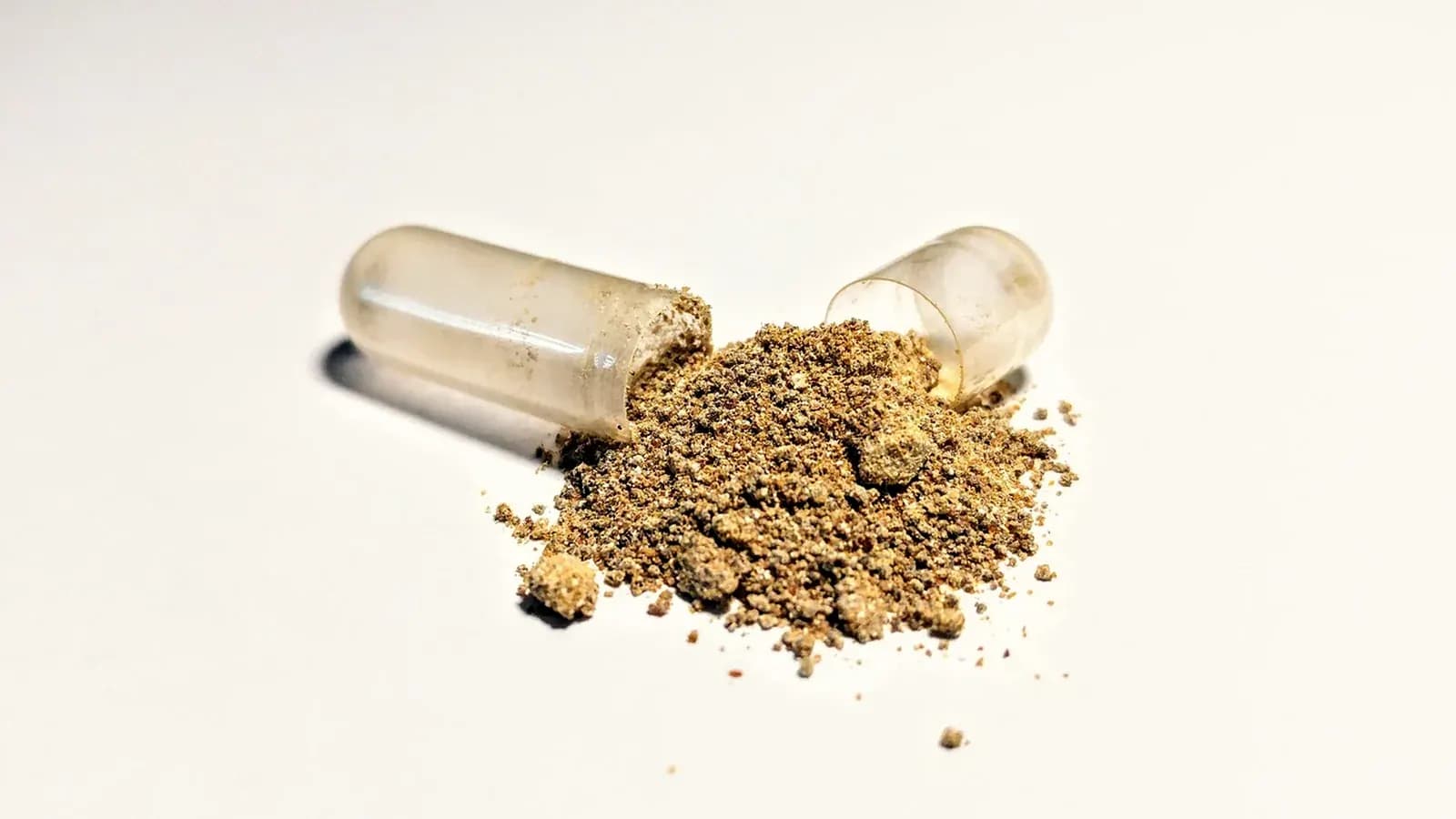
Ashwagandha for stress and anxiety is one of the most popular supplement claims of the last few years, and the research behind it is more interesting, and more mixed, than the labels suggest. This guide walks through the latest systematic reviews, shows why one analysis finds lower cortisol but no change in how stressed people feel, and explains the liver-safety reports that every buyer should know about.
⚕️ Medical Disclaimer
This article is general information, not medical advice. Ashwagandha is a herbal supplement and products vary widely. If you are pregnant or breastfeeding, have a thyroid condition, liver disease or a mental health condition, take regular medicines, or are thinking of giving it to a child, speak to a doctor or pharmacist before trying it. Seek urgent medical advice if you develop yellow skin or eyes, dark urine or severe itching while taking any supplement.
The short version
- A 2025 meta-analysis of randomised trials (488 participants) found that ashwagandha lowered cortisol, a biological stress marker, by about 1.16 micrograms per decilitre, but found no significant effect on perceived stress scores.
- A 2026 dose-response meta-analysis of 22 trials reported large improvements in stress, anxiety and depression, but the effect sizes are so large that they are best read as a sign of very uneven trials, not as a guarantee.
- A 2024 analysis of five trials (254 people) found lower anxiety scores and better sleep measures, but the studies disagreed with each other so much that the authors called for larger trials.
- A 2026 review of 31 trials of ashwagandha and saffron concluded that certainty is moderate at best, and found no trials at all for burnout or post-traumatic stress disorder.
- Published case reports describe a recognisable pattern of liver injury linked to ashwagandha, usually cholestatic, which mostly recovers after stopping but has occasionally been severe.
What is ashwagandha?
Ashwagandha, Withania somnifera, is a shrub whose root has been used for centuries in Ayurvedic medicine. It is called an adaptogen, a word used for herbs said to help the body cope with stress. Supplements are usually made from the root, sometimes with leaf, and are sold as capsules, powders, gummies and teas. Many studies use a standardised extract with a stated amount of withanolides, the compounds thought to be responsible for its effects, so the product in a trial may not match the one on your shelf.
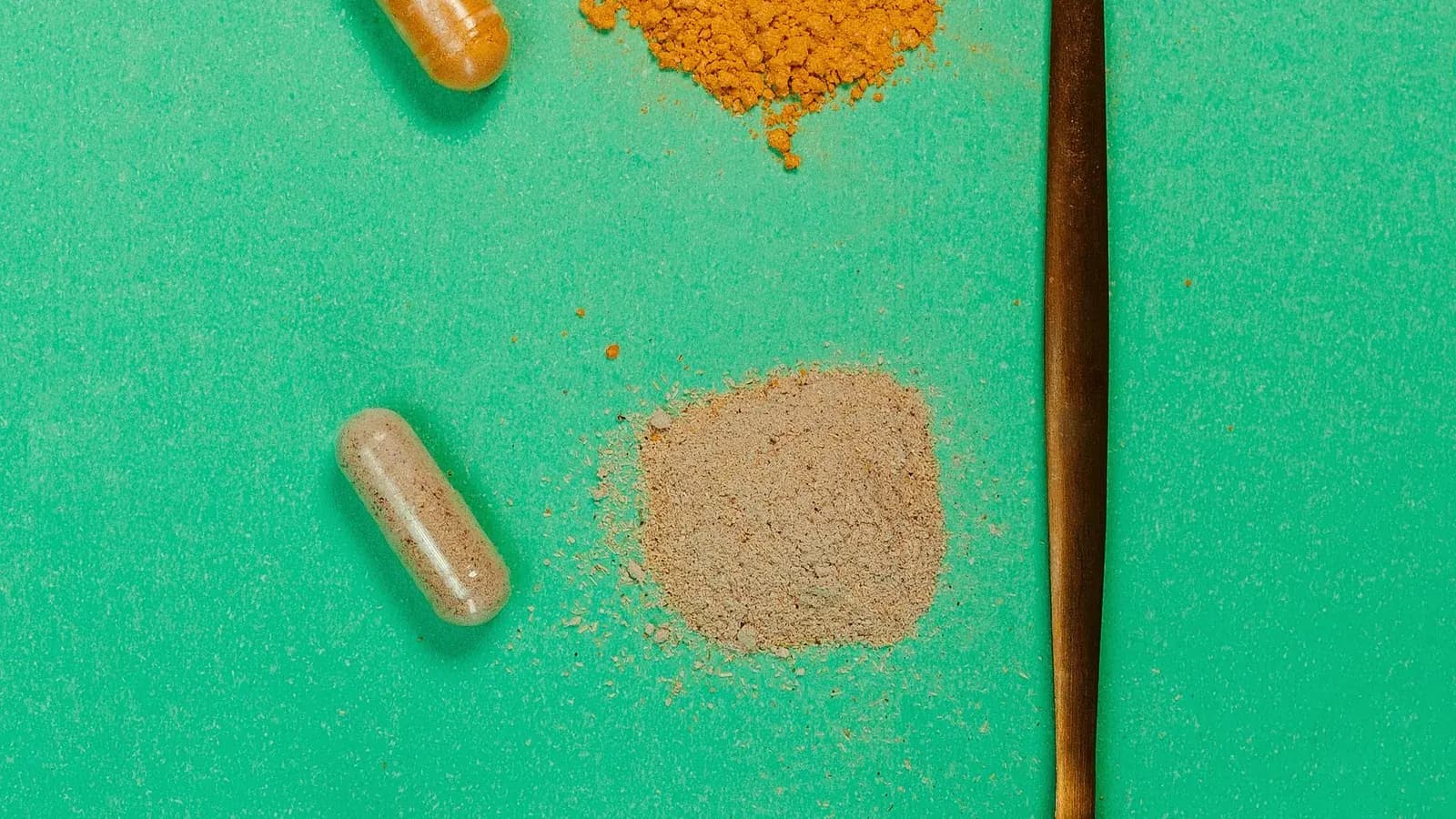
Ashwagandha for stress: lower cortisol, but do people feel less stressed?
Cortisol is often called the stress hormone, so it is an obvious thing to measure. A 2025 systematic review and meta-analysis in Nutrition and Health, by Albalawi, pooled randomised trials published between 2012 and early 2024. Seven trials reported cortisol and six reported perceived stress using the Perceived Stress Scale, with 488 participants in total. All used oral doses of at least 250 milligrams a day for at least two weeks.
The result was a split verdict:
- Cortisol fell significantly, by 1.16 micrograms per decilitre (95 percent confidence interval 0.69 to 1.64 lower).
- Perceived stress did not change significantly (standardised mean difference of minus 0.355, confidence interval from minus 1.188 to 0.47).
- Heterogeneity, a measure of how much the trials disagreed, was moderate, and risk of bias was generally moderate.
The author's reading is that the gap between a hormone result and a feeling result needs longer trials and more varied participants. In plain terms, ashwagandha seems to change a lab marker more reliably than it changes how people say they feel.
An earlier 2024 meta-analysis in Explore, by Arumugam and colleagues, reached a more positive answer. Nine randomised trials with 558 patients showed lower Perceived Stress Scale scores (a mean difference of minus 4.72), lower Hamilton Anxiety Scale scores (minus 2.19) and lower serum cortisol (minus 2.58 micrograms per decilitre) than placebo. Four of the included studies reported mild to moderate adverse events. The two reviews included different trials, which is one reason the conclusions differ.
Does ashwagandha help anxiety and depression?
A 2026 systematic review and dose-response meta-analysis in Complementary Therapies in Medicine pooled 22 randomised trials. It reported significant improvements in stress, depression and anxiety, and a link between dose and stress levels. The pooled standardised effects were very large, around minus 5.9 for stress, minus 5.7 for depression and minus 6.9 for anxiety. Effects that big are rare in medicine, and they usually mean the trials were very different from each other, or that a few unusually strong results are pulling the average. The authors themselves say that well-designed, high-quality trials are still needed to settle dosing and duration.

A 2025 review in BJPsych Open looked at people who actually had a diagnosed mental disorder, mostly anxiety disorders. It included 14 trials with 360 people taking ashwagandha and 353 controls, with a median dose of 600 milligrams a day and a median follow-up of 8 weeks. After correcting for outlier studies, the benefit for anxiety was still significant (a standardised difference of about minus 1.13), and stress and sleep quality also improved. The authors warned that the number of studies was small, the differences between studies were substantial, and outliers mattered. Safety and tolerability did not differ significantly from comparators.
Does ashwagandha help sleep?
A 2024 meta-analysis in Human Psychopharmacology pooled five placebo-controlled trials with 254 people with anxiety or insomnia. Ashwagandha lowered Hamilton Anxiety Scale scores by an average of about 6 points, and it improved sleep onset latency, total sleep time, sleep efficiency and the Pittsburgh Sleep Quality Index. It did not improve time awake after falling asleep or total time in bed. The catch is the heterogeneity figure of 98 percent, which means the five trials gave very different answers. The authors concluded the results were promising but that larger studies are needed.
If sleep is your main goal, it is worth reading how it compares with other options in our guides on magnesium glycinate for sleep and alcohol and sleep.
How good is the evidence overall?
A 2026 systematic review in the Journal of Visualized Experiments looked at ashwagandha and saffron together. For ashwagandha it found benefits for anxiety (10 trials), stress (8 trials) and sleep (3 trials) at doses from 30 to 600 milligrams a day of a withanolide-standardised extract, with a pooled cortisol reduction of about 3.27 micrograms per decilitre. Across the 31 trials of both plants combined, risk of bias was low in only 10, and the certainty of the evidence was moderate at best. The review also points out that no randomised trials exist for burnout or post-traumatic stress disorder, even though those conditions are often cited when ashwagandha is marketed.
Put together, the research on ashwagandha for stress follows a consistent pattern. Most reviews lean towards a modest benefit for stress and anxiety, but they pool small trials, use different products and doses, run for a few weeks to a few months, and often show heavy disagreement between studies. None of this proves that ashwagandha does not work. It does mean that the confident claims on product labels are ahead of the evidence.
What else does ashwagandha do to the body?
Because it is sold as a hormone balancer, hormones have been reviewed too. A 2026 meta-analysis in Planta Medica pooled 23 trials with 1,706 patients. It found lower cortisol and higher serotonin levels, no effect on thyroid-stimulating hormone or T3, and a modest rise in thyroxine (T4) of about 0.61 micrograms per decilitre. Testosterone rose in men but not in women, and estradiol did not change in either sex. The authors note heterogeneity and limited data for some outcomes.
The thyroid finding matters in practice. If you have thyroid disease or take thyroid medication, ask your doctor before adding ashwagandha, because a supplement that nudges thyroid hormones can complicate monitoring.
Is ashwagandha safe? The liver question
Short-term trials generally describe ashwagandha as well tolerated, but trial participants are usually healthy volunteers who are monitored closely. Real-world reports tell a more cautious story.
What the case reports describe
A 2026 scoping review in Cureus collected 13 publications covering 25 patients with liver injury linked to ashwagandha products. Injury typically developed after weeks of use, was most often cholestatic or mixed, and commonly showed up as jaundice and itching. Causality assessments generally rated ashwagandha as a probable or likely cause. Most people recovered after stopping the product, usually over weeks to months. The severe outcomes included one case of acute liver failure needing a transplant, and three deaths among people who already had cirrhosis. The authors advise that anyone with advanced chronic liver disease should avoid ashwagandha.
Another 2026 case report described a previously healthy 27-year-old woman who developed jaundice and generalised itching after taking ashwagandha for three days, with a pattern of cholestatic liver injury confirmed on biopsy. She improved with treatment. A recent review of drug-induced liver injury in Hepatology Communications lists ashwagandha, turmeric and green tea extract among the supplements increasingly implicated in the United States, and notes that more than 80 percent of drug-induced liver injury patients fully recover within six months of stopping. These are case reports, so they cannot tell us how common the problem is, but the pattern is consistent enough that reviewers recommend liver-enzyme monitoring during prolonged use. If you are weighing similar supplements, our guide on turmeric and curcumin covers the same liver-injury question.
When to stop
Stop taking ashwagandha and get medical advice if you develop yellow skin or eyes, dark urine, pale stools, persistent itching or unusual tiredness.
Who should be cautious about ashwagandha for stress?
- People with liver disease, or anyone who has had unexplained liver problems.
- People with thyroid conditions, or taking thyroid medication.
- Anyone who is pregnant or breastfeeding, who should speak to a doctor first.
- People on sedatives, antidepressants, immune-suppressing drugs or other regular medicines, because interactions are not well studied.
- Anyone with a diagnosed anxiety or mood disorder, who should not replace prescribed treatment with a supplement.
Dose, products and how to approach it
The trials of ashwagandha for stress and anxiety in these reviews used a wide range of doses, from about 30 milligrams a day of a concentrated extract up to 600 milligrams a day or more, usually for 8 weeks or longer, and one review found that effects depended on dose. There is no single proven dose. Products also vary: supplements are not tested like medicines, so the amount of withanolides can differ from the label. If you decide to try it, look for a product that states the extract type and withanolide content, consider independent third-party testing, start at the lowest dose, and set an end date to review whether it is helping.

Better-supported ways to manage stress
If your goal is feeling less stressed, several lower-risk habits have decent evidence: regular exercise, a consistent sleep schedule, time away from screens, and slow breathing. Our guides on box breathing and taking a break from social media go through what the studies found. Persistent anxiety, low mood or burnout deserve a conversation with a doctor, because effective treatments exist.
Bottom line
Taking ashwagandha for stress probably lowers cortisol and may modestly ease stress and anxiety for some people, but the trials are small, varied and often hard to compare, and the largest reported effects look inflated. The case for it as a cure for burnout or trauma is not supported by any randomised trial. The liver reports are rare but real, and they matter most for anyone with existing liver or thyroid problems. If you want to try it, treat it as a short, monitored experiment and talk to a clinician first.
References
[Albalawi, "Dual impact of Ashwagandha: Significant cortisol reduction but no effects on perceived stress - A systematic review and meta-analysis," Nutrition and Health, 2025. PMID: 40746175] [Alsanie et al., "Effects of ashwagandha (Withania somnifera) on mental health in adults: A systematic review and dose-response meta-analysis of randomized controlled trials," Complementary Therapies in Medicine, 2026. PMID: 41644067] [Arumugam et al., "Effects of Ashwagandha (Withania Somnifera) on stress and anxiety: A systematic review and meta-analysis," Explore, 2024. PMID: 39348746] [Fatima et al., "Safety and efficacy of Withania somnifera for anxiety and insomnia: Systematic review and meta-analysis," Human Psychopharmacology, 2024. PMID: 39083548] [Marchi et al., "The effect of Withania somnifera (Ashwagandha) on mental health symptoms in individuals with mental disorders: systematic review and meta-analysis," BJPsych Open, 2025. PMID: 41140145] [Alyami, "Efficacy and Safety of Saffron and Ashwagandha for Stress-Related Mental Health Outcomes: A Systematic Review of Randomized Controlled Trials," Journal of Visualized Experiments, 2026. PMID: 42858054] [Fornalik et al., "Hormonal Modulation with Withania somnifera: Systematic Review and Meta-Analysis of Randomized-controlled Trials," Planta Medica, 2026. PMID: 41740946] [McIntyre et al., "Ashwagandha (Withania somnifera)-Associated Liver Injury: A Scoping Review of Clinical Characteristics and Safety Considerations," Cureus, 2026. PMID: 42367407] [Perez Perez et al., "Ashwagandha-Induced Herb-Induced Liver Injury Assessed With the Updated 2016 RUCAM," Case Reports in Hepatology, 2026. PMID: 42529606] [Swanson and Fontana, "The contemporary epidemiology, causes, and management of drug-induced liver injury," Hepatology Communications, 2026. PMID: 42475234]Frequently Asked Questions
Does ashwagandha reduce stress?
It probably lowers cortisol, but whether people feel less stressed is less clear. A 2025 meta-analysis of randomised trials (488 participants) found lower cortisol but no significant change in perceived stress scores, while a 2024 meta-analysis of nine trials found lower perceived stress and anxiety scores. Studies differ in products, doses and length.
How long does ashwagandha take to work?
Trials in these reviews generally ran from a few weeks to a few months, with a median follow-up of about 8 weeks in one review of people with mental disorders. There is no proven fixed timeline, and effects on cortisol and on how you feel may not appear together.
What dose of ashwagandha is used in studies?
Doses vary widely. One review reported benefits at 30 to 600 milligrams a day of a withanolide-standardised extract, and another found a median dose of 600 milligrams a day. No single dose has been proven best, and supplement strength can differ from the label.
Can ashwagandha damage the liver?
Rarely, but it has been reported. A 2026 scoping review found 13 publications covering 25 patients with liver injury linked to ashwagandha. Most recovered after stopping, but there was one case of liver failure needing a transplant and three deaths in people with cirrhosis. Stop it and seek medical advice if you notice jaundice, dark urine or severe itching.
Does ashwagandha help you sleep?
It may help, but the evidence is limited. A 2024 meta-analysis of five trials (254 people) found improvements in sleep onset latency, total sleep time and sleep quality scores, but the studies disagreed strongly with each other, and the authors said larger trials are needed.
Who should not take ashwagandha?
People with liver disease, thyroid conditions or on thyroid medication, anyone who is pregnant or breastfeeding, and people taking sedatives, antidepressants or immune-suppressing medicines should speak to a doctor first. It should not replace treatment for a diagnosed anxiety or mood disorder.
Rate this article
Click on a star to rate this article
Keep Reading
Tart Cherry Juice: What the Research Shows
Does tart cherry juice work? A review of 2021 to 2026 meta-analyses and trials on exercise recovery, sleep, gout, blood pressure, sugar and side effects.
Read article →
supplementsPsyllium Husk for Cholesterol: What the Research Shows
Does psyllium husk for cholesterol work? A review of 2018 to 2025 meta-analyses on LDL, blood pressure, blood sugar, weight, and how to take it safely.
Read article →
supplementsElderberry Syrup for Colds: What the Research Shows
Does elderberry syrup for colds work? A trial-by-trial review of the evidence, why studies disagree, safety cautions and who should skip it.
Read article →

Vitality & Strength Editorial Team
Independent research synthesists — not licensed clinicians
Independent health writers and research synthesists. We are not doctors or registered dietitians; every claim we publish is sourced and linked to primary research, and we take no affiliate or industry money.