Elderberry Syrup for Colds: What the Research Shows
Does elderberry syrup for colds work? A trial-by-trial review of the evidence, why studies disagree, safety cautions and who should skip it.
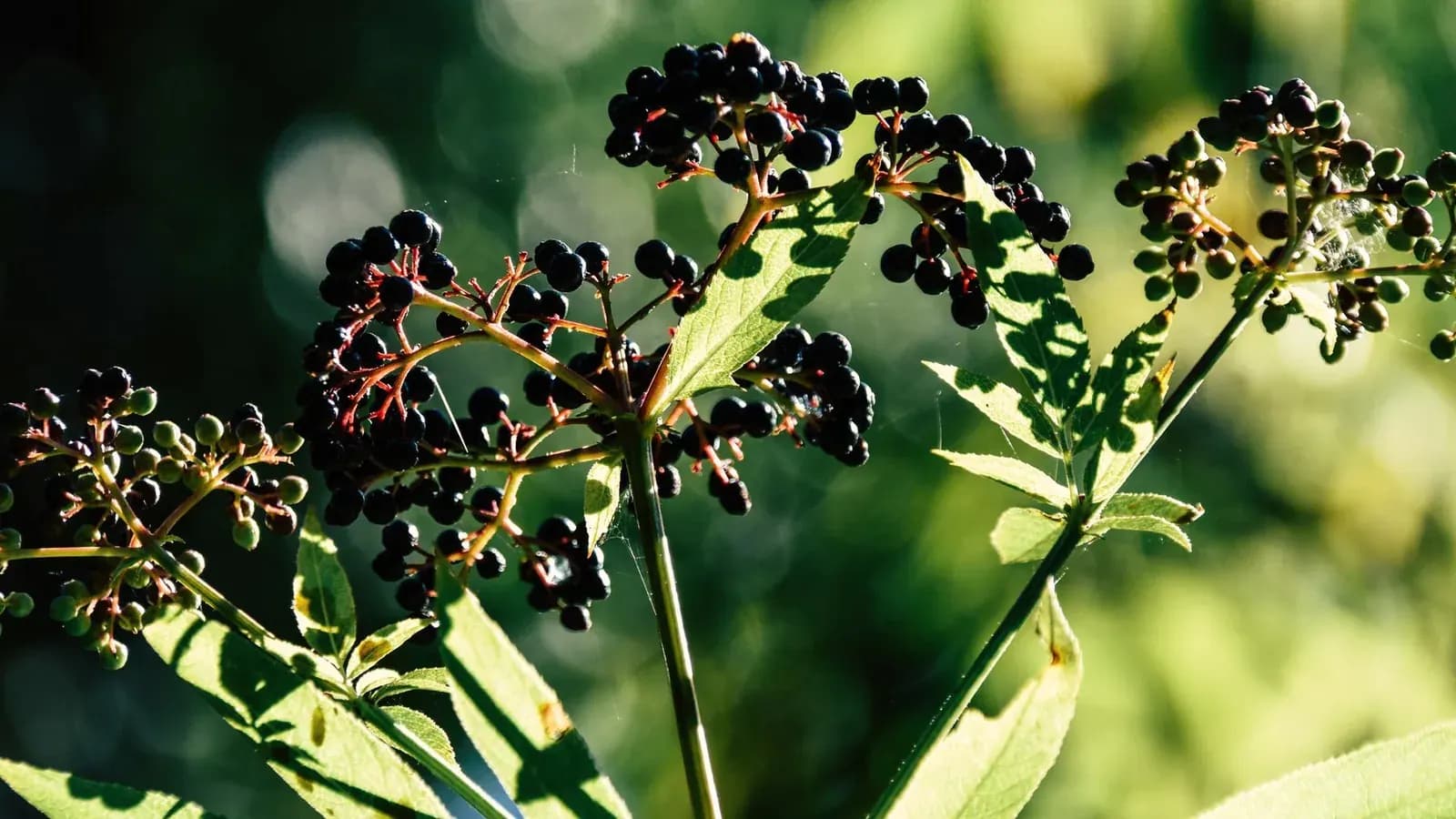
Elderberry syrup for colds is one of the most popular winter remedies on the shelf, and the evidence behind it is smaller, messier and more interesting than the labels suggest. This guide goes through the systematic review and the individual trials, shows why they disagree, and explains what is known about safety, so you can judge for yourself whether it is worth buying.
⚕️ Medical Disclaimer
This article is general information, not medical advice. Elderberry products vary, and raw or unripe elderberries can make you ill. If you are pregnant or breastfeeding, have an autoimmune condition, take regular medicines, or are giving anything to a child, speak to a doctor or pharmacist first. Seek medical advice if a cold or flu gets worse or you are in a higher-risk group.
The short version
- A 2021 systematic review of five randomised trials found that elderberry may not reduce your chance of catching a cold, and that it may shorten colds and make them milder, but the certainty of that evidence is low.
- In 312 air travellers, people taking elderberry extract had fewer cold days in total (57 versus 117 on placebo), although the number of people who caught a cold did not differ significantly.
- Two older trials of elderberry syrup in people with flu-like illness reported symptoms easing about four days sooner, but the studies were small, and one was done during a single outbreak.
- A larger, more recent trial in 87 people with lab-confirmed flu found no benefit at all, and a post hoc look suggested elderberry taken without antivirals did worse than placebo.
- A small meta-analysis of 180 participants reported a large effect on upper respiratory symptoms, but it pools very few trials.
- Cooked elderberry syrup appears to be well tolerated in trials, but raw or unripe berries and other parts of the plant contain cyanide-producing compounds and should not be eaten raw.
What is elderberry syrup?
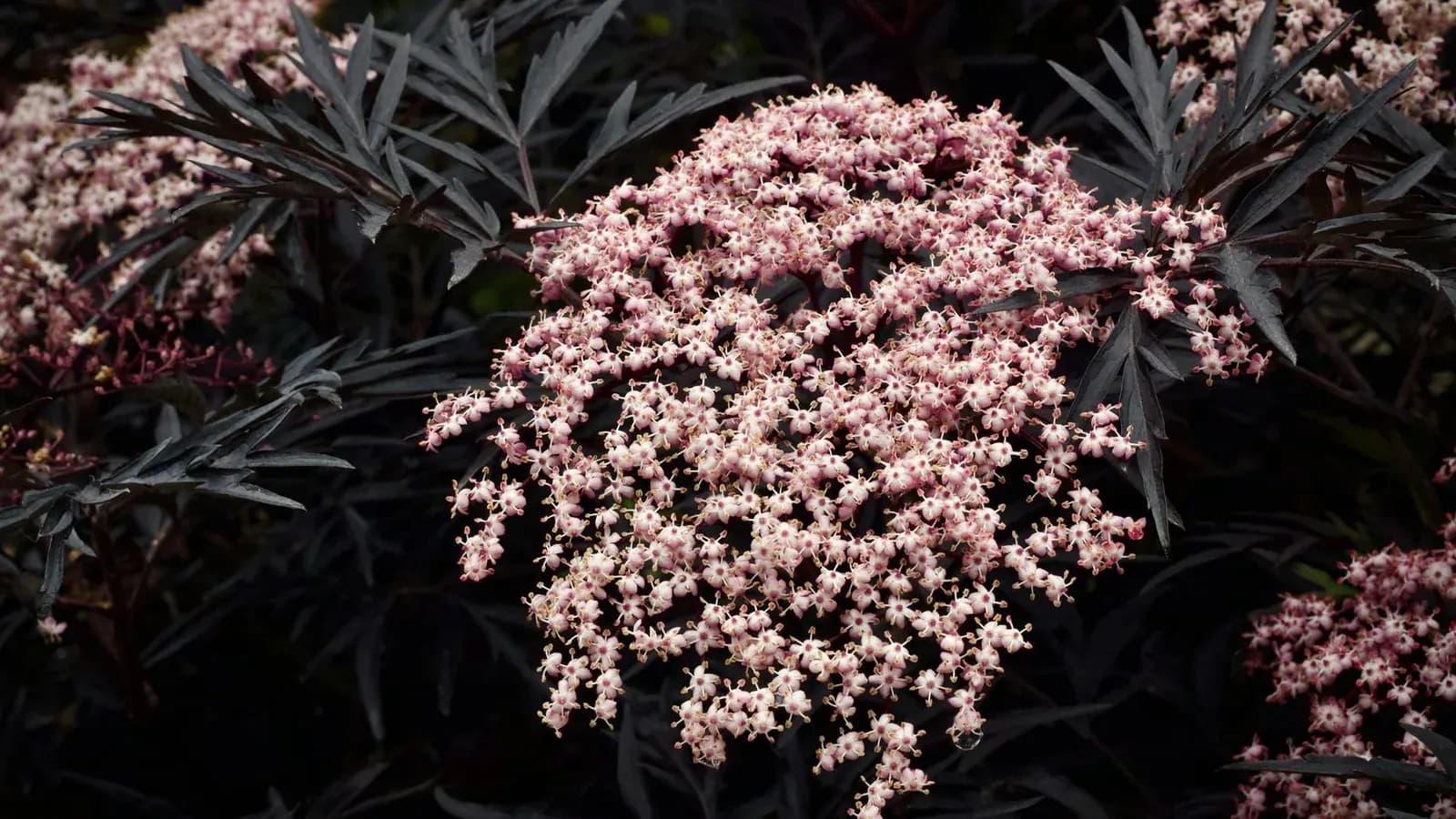
Elderberry syrup is a sweetened liquid made from the berries of the elder shrub, usually the black elder, Sambucus nigra. The dark berries are simmered with water and a sweetener, and the result is sold as a syrup, gummy, lozenge or capsule. The flowers of the same plant are used for cordials and teas, and in some trials the product tested is a standardised extract rather than a syrup, which matters when you compare the results.
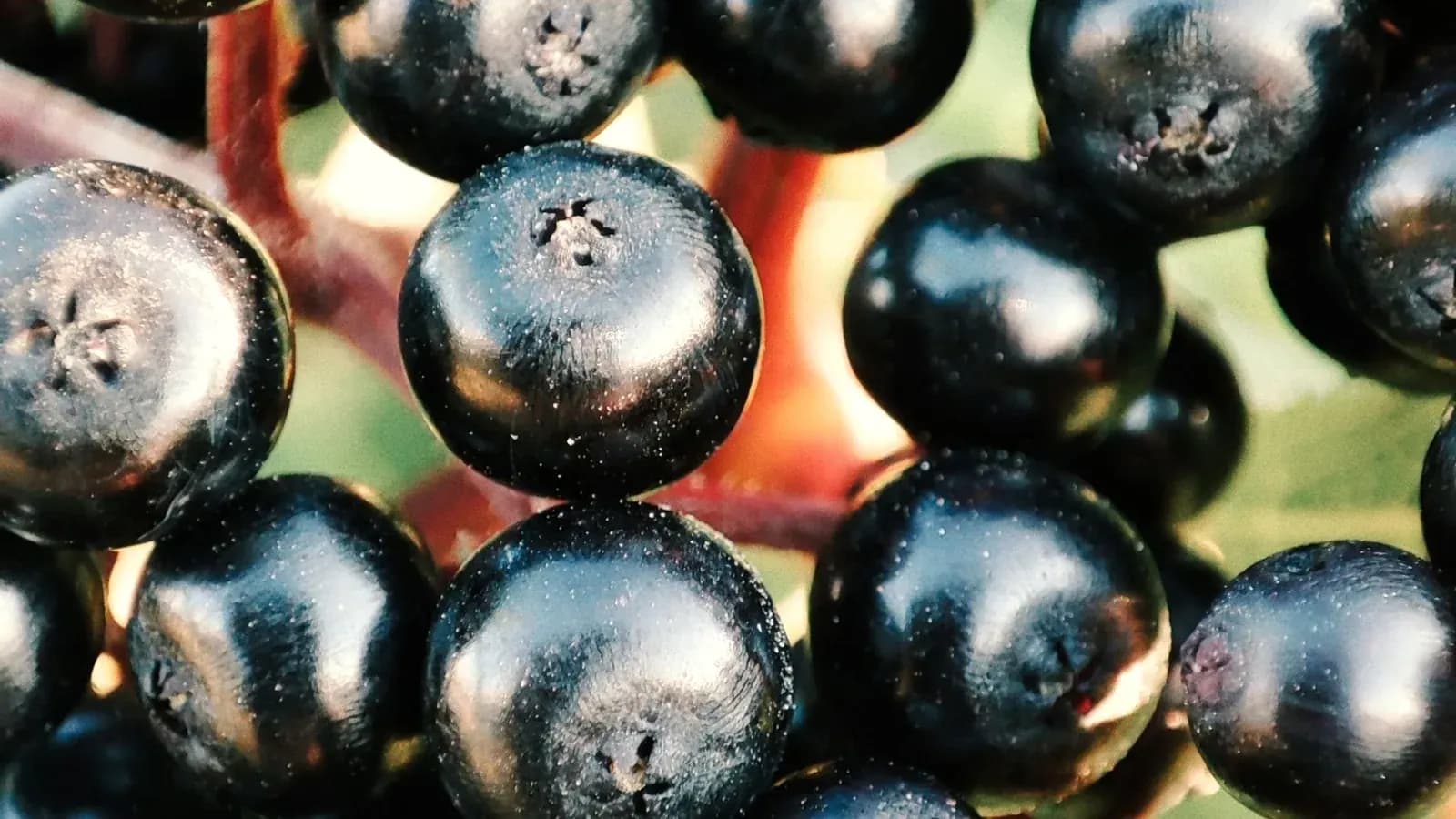
Because the plant has a long history in folk medicine, people often assume that it has been proven to help. The research is more limited, and most of it asks a narrow question: does a specific elderberry product shorten a cold or the flu once you already have it?
Elderberry syrup for colds: what the best review says
The most useful single source is a 2021 systematic review in BMC Complementary Medicine and Therapies by Wieland and colleagues. They searched six databases, four trial registers and two preprint sites, screened 1,187 records and found five randomised trials on elderberry for preventing or treating viral respiratory illness. Two reviewers assessed risk of bias, and the certainty of the findings was graded with the GRADE method.
Their conclusions were cautious:
- Elderberry may not reduce the risk of developing the common cold.
- It may reduce the duration and severity of colds, but the evidence is uncertain.
- It may reduce the duration of influenza, but again the evidence is uncertain.
- Compared with the antiviral oseltamivir, one elderberry-containing product may have been linked to fewer complications and side effects.
The review also looked at a common worry from the pandemic years, that elderberry could overstimulate the immune system and cause a "cytokine storm". It found no studies linking elderberry to clinical inflammatory outcomes and no evidence that it overstimulates the immune system, although three small studies did show some effect on inflammatory markers measured in the lab. The authors concluded that elderberry may be a safe option but that firm conclusions are not yet possible.
The trials, one by one
Colds in air travellers
In a 2016 trial in the journal Nutrients, researchers gave a standardised, membrane-filtered elderberry extract or placebo to 312 economy-class passengers flying from Australia to an overseas destination. The idea was that air travel is stressful for the respiratory system. Cold episodes were recorded in daily diaries.
Slightly fewer people on elderberry caught a cold (12 versus 17), but that difference was not statistically significant (p = 0.4). The difference showed up in how long colds lasted: the placebo group had significantly more cold days in total (117 versus 57, p = 0.02), and a higher symptom score over those days (583 versus 247, p = 0.05). The authors called for more research to confirm the result, and nobody has repeated it in a trial of the same size.
Flu-like illness: the older trials
Two trials from the same research group are behind the claim that elderberry cuts flu by about four days. A 1995 study during an influenza B outbreak in an Israeli kibbutz reported that symptoms including fever improved within two days in 93.3 percent of people taking the extract, compared with 91.7 percent of the control group improving within six days, and that almost 90 percent of the elderberry group were cured within two to three days.
A 2004 trial in Norway enrolled 60 adults aged 18 to 54 who had had flu-like symptoms for 48 hours or less. They took 15 mL of elderberry syrup or placebo syrup four times a day for five days. Symptoms were relieved on average four days earlier with elderberry, and fewer people needed rescue medication. The authors noted that the findings needed confirming in a larger study.
The most recent flu trial found no benefit
In 2020, a team at the Cleveland Clinic published a trial in the Journal of General Internal Medicine that tested elderberry in 87 emergency room patients aged 5 and over, all with a positive test for influenza and symptoms for less than 48 hours. People aged 5 to 12 took 15 mL (5.7 g of elderberry extract) twice a day, and those over 12 took 15 mL four times a day, for five days. Patients could also choose to take oseltamivir.
The results did not match the older trials. Time until symptoms were none or mild averaged 4.9 days on placebo and 5.3 days on elderberry (p = 0.57), and complete resolution took 8.7 versus 8.6 days (p = 0.87). The trial was powered to detect a two-day benefit, and it did not find one. A post hoc analysis suggested that people on elderberry alone, without oseltamivir, did about two days worse than those on placebo alone, although post hoc findings of this kind should be treated as hints, not conclusions.
The meta-analysis
A 2019 meta-analysis in Complementary Therapies in Medicine pooled randomised trials with a total of 180 participants and reported a large average effect of elderberry on upper respiratory symptoms. It is a useful signal, but 180 people is a small base, the trials were not all the same kind, and it came before the 2020 trial that found no effect.
Why the trials disagree
Reading the studies side by side, several differences stand out, and none of them is a smoking gun on its own:
- Different products. Some trials used a syrup, others a standardised extract, and the doses are not directly comparable.
- Different illnesses. Some enrolled people with colds or flu-like illness, while the most recent trial required a positive influenza test.
- Different seasons and populations. One trial happened during a single outbreak, another in air travellers, another in an emergency department.
- Small samples. Several trials had well under 100 participants, which makes results unstable.
- Antivirals. In the 2020 trial, some patients also took oseltamivir, which muddies the comparison.
The practical reading is that elderberry might shorten symptoms a little in some settings, that it does not reliably prevent colds, and that nobody can yet say what dose or product works best.
Does elderberry syrup prevent colds?
The evidence says probably not. The systematic review concluded that elderberry may not reduce the risk of developing a cold, and in the air-travel trial the number of people who caught a cold did not differ significantly between groups. If you are looking for prevention, sleep, handwashing and vaccination for flu are better supported, and our guides to improving sleep quality and immune-boosting foods cover the basics. If you are also weighing up lozenges, our review of zinc and the common cold compares the evidence for that remedy.
Is elderberry syrup safe?
In the trials, elderberry products were generally well tolerated, and the systematic review found no evidence that it overstimulates the immune system. But there are real cautions:
- Never eat raw or unripe elderberries. The berries, leaves, stems and bark of the plant contain compounds that release cyanide. Harvard Health advises simmering berries for at least 20 minutes, and commercial products are processed to avoid the problem. Eating raw berries can cause nausea, vomiting and diarrhoea.
- Pregnancy and breastfeeding. There is not enough safety data, so most guidance is to avoid it or ask a clinician first.
- Autoimmune conditions. There are theoretical concerns that stimulating immune activity could worsen these conditions, although no cases have been documented.
- Medicines. If you take prescription medicines, check with a pharmacist.
- Product quality. Supplements are not tested like medicines, so look for independent seals such as USP or NSF, and follow the label.
Do not treat the doses used in trials as a recommendation. The trials above used 15 mL four times a day for five days in adults, which is far more than many retail labels suggest, and labels vary between products. Children were included in the 2020 trial from age 5, but dosing and safety in young children have not been established, so ask your child's doctor before giving elderberry.
What to do when you have a cold
Most colds get better on their own, and for most healthy adults the sensible steps are the dull ones: rest, fluids, and over-the-counter relief for symptoms if you need it. If you want to try elderberry syrup, the evidence suggests that the likely benefit is modest and uncertain, that it should be started early if you are going to use it, and that it should not replace medical care. See a doctor if symptoms are severe, last longer than expected, or if you have asthma, heart or lung disease, a weakened immune system, or are pregnant, because flu can be serious and antivirals are most effective when started early.
What the research can and cannot tell us
The honest summary is that elderberry syrup for colds has a plausible but unproven benefit. The best review gave it low-certainty support for shortening illness and no support for prevention. The most rigorous recent trial found nothing. Anyone selling it as proven protection is overstating the evidence, and anyone calling it dangerous is overstating the risk, as long as the berries are cooked and the product is a reputable one. If you decide to use it, treat it as a low-stakes comfort measure and not a substitute for rest, vaccination or medical care.
[Wieland et al., "Elderberry for prevention and treatment of viral respiratory illnesses: a systematic review," BMC Complement Med Ther, 2021. PMID: 33827515] [Tiralongo, Wee and Lea, "Elderberry Supplementation Reduces Cold Duration and Symptoms in Air-Travellers: A Randomized, Double-Blind Placebo-Controlled Clinical Trial," Nutrients, 2016. PMID: 27023596] [Macknin et al., "Elderberry Extract Outpatient Influenza Treatment for Emergency Room Patients Ages 5 and Above: a Randomized, Double-Blind, Placebo-Controlled Trial," J Gen Intern Med, 2020. PMID: 32929634] [Zakay-Rones et al., "Randomized study of the efficacy and safety of oral elderberry extract in the treatment of influenza A and B virus infections," J Int Med Res, 2004. PMID: 15080016] [Zakay-Rones et al., "Inhibition of several strains of influenza virus in vitro and reduction of symptoms by an elderberry extract (Sambucus nigra L.) during an outbreak of influenza B Panama," J Altern Complement Med, 1995. PMID: 9395631] [Hawkins et al., "Black elderberry (Sambucus nigra) supplementation effectively treats upper respiratory symptoms: A meta-analysis of randomized, controlled clinical trials," Complement Ther Med, 2019. PMID: 30670267] [Harvard Health Publishing, "What are the health benefits of elderberry?"]Frequently Asked Questions
Does elderberry syrup work for colds?
It might shorten a cold a little, but the evidence is weak. A 2021 systematic review of five randomised trials found that elderberry may reduce the duration and severity of colds, with low-certainty evidence, and that it may not reduce the chance of catching one.
Can elderberry syrup prevent colds or flu?
There is no good evidence that it does. The systematic review found that elderberry may not reduce the risk of developing a cold, and in the air-travel trial of 312 passengers the number of people who caught a cold did not differ significantly between groups.
Does elderberry help with the flu?
Results conflict. Two older trials reported symptoms easing about four days sooner, but a 2020 trial of 87 emergency room patients with confirmed influenza found no difference in how long symptoms lasted, and a post hoc analysis suggested elderberry without antivirals did about two days worse than placebo.
Is raw elderberry poisonous?
Yes, raw or unripe elderberries and other parts of the plant, including the leaves, stems and bark, contain compounds that release cyanide. Eating them can cause nausea, vomiting and diarrhoea. Cooking the berries properly, for example simmering for at least 20 minutes, makes them safe, and commercial syrups are processed for this reason.
Is elderberry syrup safe for children?
Trials have included children from age 5, but safety and dosing in young children have not been established, and some consumer guidance advises against giving elderberry to people under 18 because data are limited. Ask your child's doctor or a pharmacist before giving any elderberry product.
Can I take elderberry syrup while pregnant or breastfeeding?
There is not enough safety data, so the usual advice is to avoid it or to ask a clinician first. The same goes for people with autoimmune conditions or who take regular medicines, because of theoretical concerns about immune stimulation and possible interactions.
Rate this article
Click on a star to rate this article
Keep Reading
Tart Cherry Juice: What the Research Shows
Does tart cherry juice work? A review of 2021 to 2026 meta-analyses and trials on exercise recovery, sleep, gout, blood pressure, sugar and side effects.
Read article →
supplementsPsyllium Husk for Cholesterol: What the Research Shows
Does psyllium husk for cholesterol work? A review of 2018 to 2025 meta-analyses on LDL, blood pressure, blood sugar, weight, and how to take it safely.
Read article →
supplementsAshwagandha for Stress and Anxiety: What the Research Shows
Does ashwagandha for stress and anxiety work? A review of 2024 to 2026 meta-analyses, why cortisol falls but stress scores may not, and liver safety warnings.
Read article →

Vitality & Strength Editorial Team
Independent research synthesists — not licensed clinicians
Independent health writers and research synthesists. We are not doctors or registered dietitians; every claim we publish is sourced and linked to primary research, and we take no affiliate or industry money.