Cold Homes and Your Health: What the Evidence Says About 18°C
Cold homes and health: research links indoor temperatures below 18°C to higher blood pressure and poorer sleep. What to do, in plain terms.
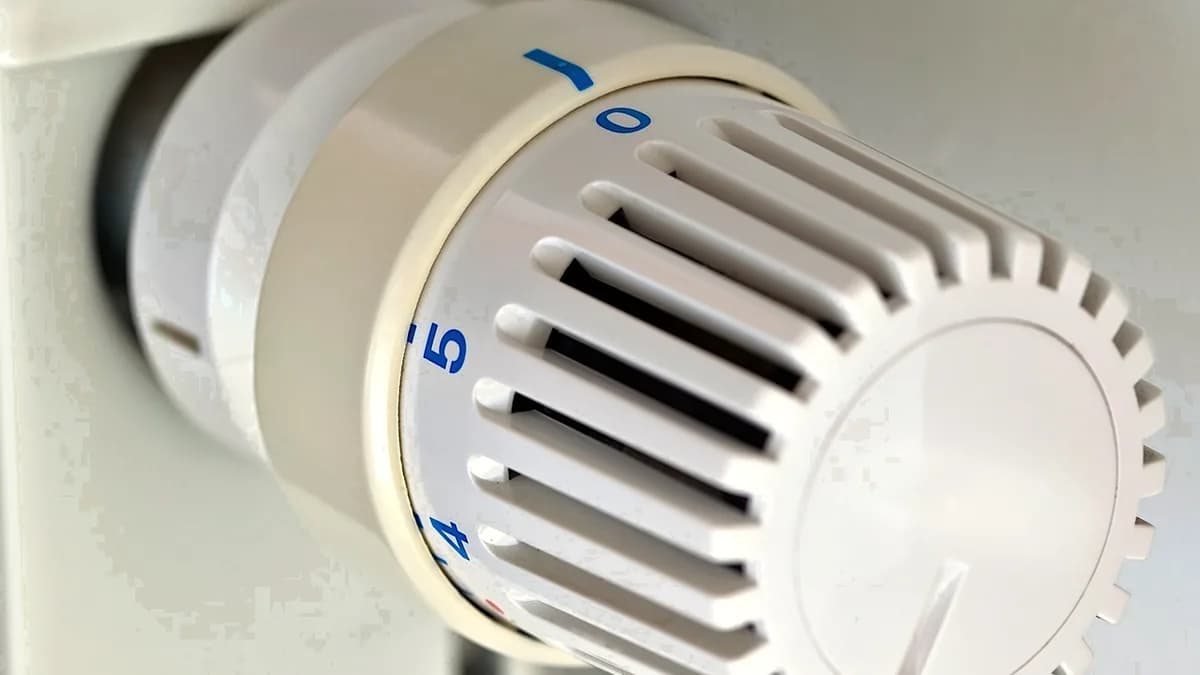
If your home is cold for much of the winter, you are not alone. Cold homes are more than an uncomfortable feeling. A 2023 systematic review pulled together studies from many countries and found that cold indoor temperatures were linked to worse health in most of the studies it included. The question most people ask is simple: how cold is too cold? The honest answer is that the evidence points to a rough line around 18°C (64°F), with important caveats about who is most affected.
⚕️ Medical Disclaimer
This article is general information, not medical advice. If you have a heart, lung or kidney condition, or you are worried about your health, speak to your doctor before changing how you heat your home.
The short version
- Several studies link indoor temperatures below about 18°C with higher blood pressure, more breathing problems and poorer sleep.
- Older adults and people with long-term illnesses appear to be the most affected.
- Warming cold homes is one of the few changes with strong evidence behind it, but the research is mostly observational, so it shows links rather than proof of cause.
What the 2023 review found about cold homes
Janssen and colleagues screened 1,209 studies and included 20 in their systematic review, published in Public Health in 2023. Seventeen of the 20 found that cold indoor temperatures were linked to worse health outcomes. The outcomes covered blood pressure, heart rhythm changes, breathing (including symptoms of chronic obstructive pulmonary disease), sleep, physical performance and general health.
[Janssen et al., "Cold indoor temperatures and their association with health and well-being: a systematic literature review," Public Health, 2023. PMID: 37820536]The authors were careful. They said the evidence suggests indoor temperatures below 18°C are associated with negative health effects, but the evidence was not strong enough to set a precise safe threshold for every group of people.
Blood pressure and the 18°C line
One of the clearest findings comes from a study that followed people over time. Adults who lived in homes below 18°C had a higher risk of high blood pressure, and the risk was greater again in homes below 16°C. This matters because high blood pressure is one of the main drivers of heart attacks and strokes.
A 2026 study in Hypertension Research looked at how much indoor temperature swings over a winter, not just the average, and linked bigger swings to bigger changes in home blood pressure over five years.
[Study on winter indoor-temperature variability and five-year home blood pressure changes, Hypertension Research, 2026. PMID: 42934265]Who is most at risk
Older adults and people with long-term illness
People with chronic lung disease appear to notice cold homes more quickly. In the review, breathing symptoms in people with chronic respiratory conditions got worse at or below about 18.2°C. Older people and those with long-term health problems were also more vulnerable overall.
Cold also affects sleep. Many people sleep better in a cool room, but a room that is too cold makes it harder to stay asleep and can leave you stiff and tired in the morning. Infants are a separate case: the Lullaby Trust suggests a cooler room of about 16 to 20°C to reduce the risk of overheating.
Why cold affects the body
What cold does to blood vessels

Photo: cold frost, Pixabay, Pixabay Content License. Colour-graded.
The body responds to cold by narrowing blood vessels to keep core heat in. Over days and weeks, that puts extra work on the heart and raises blood pressure. On infections, the picture is mixed: the review found no clear link between indoor temperature and viral infections in healthy adults and children in winter.
The review also flagged mental health and well-being as areas where the research is still thin, so we cannot yet say how much a cold home affects mood.
What the guidance says
Public health bodies in the UK and elsewhere have looked at this for years. The World Health Organization's housing guidance concludes that there is high certainty that warming cold houses brings significant health benefits, with moderate certainty for breathing outcomes. Welsh guidance advises about 21°C in the living room and 18°C in other rooms for set periods, and the NHS's keep-warm guidance covers the same basics.
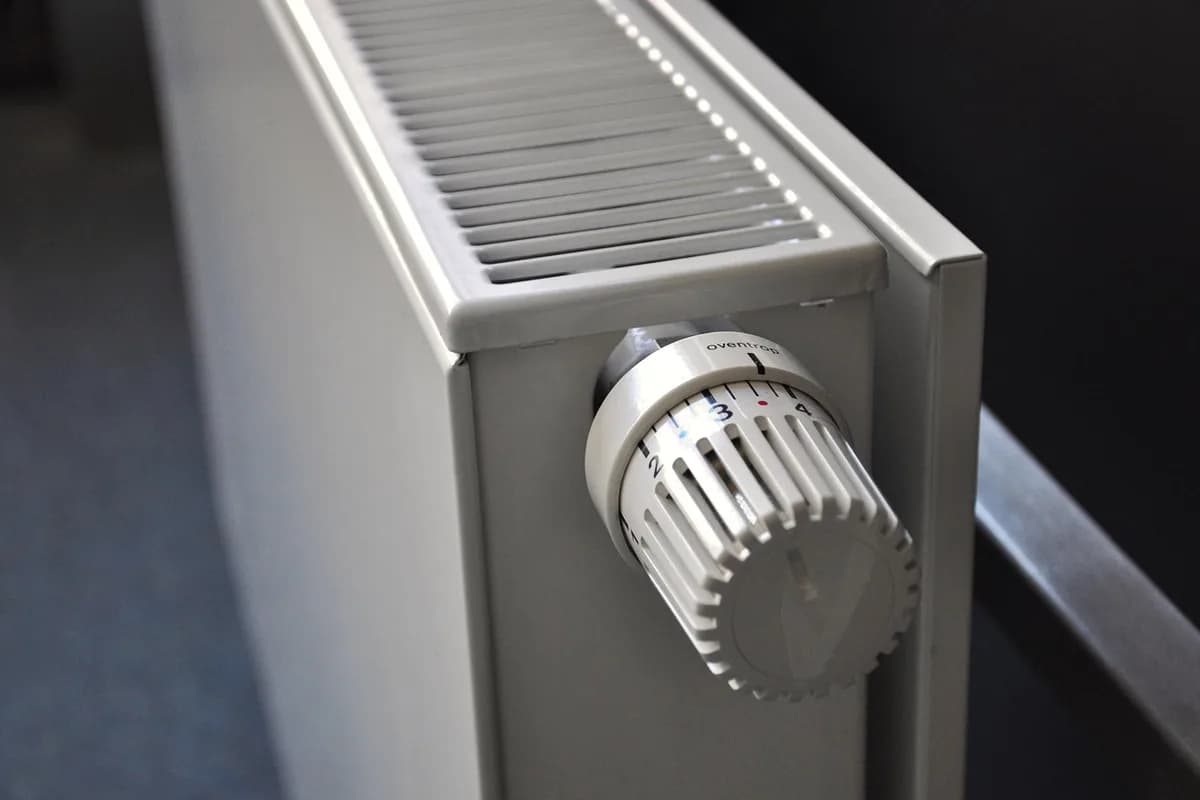
Photo: radiator, Pixabay, Pixabay Content License. Colour-graded.
Practical steps to warm cold homes without a big budget
- Check your room temperature. A cheap digital thermometer tells you more than guessing. Aim for at least 18°C in the rooms you use most.
- Heat the main room properly. A steady, moderate temperature is better for the body than heating in short blasts.
- Keep heat in. Draught strips on doors, thick curtains at night and a lid on the pan all help.
- Use the free help. Many areas have energy advice services and grants for insulation and heating support.
- Dress for the room. Warm layers and a hat at night can make a lower room temperature feel comfortable while you check the thermostat.
When to get help
Speak to a doctor promptly if you have chest pain, breathlessness that is getting worse, confusion, or very low body temperature. Those are signs of an emergency and need urgent care.
Frequently Asked Questions
What temperature is too cold for a home?
Most of the evidence points to a line around 18°C (64°F). A 2023 systematic review found that indoor temperatures below 18°C were associated with worse health outcomes in most of the studies it included. The review stopped short of setting one safe threshold for everyone, and people with lung or heart conditions may feel the effects sooner.
Does a cold house raise blood pressure?
A study that followed adults over time found that people living in homes below 18°C had a higher risk of high blood pressure, and the risk was greater in homes below 16°C. The studies are observational, so they show a link rather than proof that cold causes the rise, but warming a cold home is a sensible step while you check your blood pressure with your doctor.
Is it bad to sleep in a cold bedroom?
A bedroom that is too cold can make it harder to stay asleep and leave you stiff in the morning. Infants are different: the Lullaby Trust suggests about 16 to 20°C to lower the risk of overheating.
Do cold homes make you more likely to get sick?
The evidence is mixed. The 2023 review found no clear link between indoor temperature and viral infections in healthy adults and children in winter. People with chronic breathing conditions, however, showed more symptoms in colder rooms, which is why keeping the main rooms warm matters for them.
What is the cheapest way to warm a cold home?
Start with the free steps: check the temperature with a thermometer, close doors to unused rooms, add draught strips, and use thick curtains at night. Then look at local energy advice services, which often offer help with insulation and heating costs.
Rate this article
Click on a star to rate this article
Keep Reading
Box Breathing: What the Research Actually Shows
Box breathing for stress: what a Stanford trial and a 12-trial meta-analysis found, why cyclic sighing did slightly better, and how to try it safely.
Read article →
holistic wellnessRed Light Therapy Benefits: What the Evidence Actually Supports
Red light therapy has solid evidence for pain, pattern hair loss and modest skin gains. Fat loss and testosterone claims do not.
Read article →
holistic wellnessInfrared Sauna Benefits: What the Evidence Actually Supports
Infrared sauna benefits, checked against the nine clinical studies that exist: what holds up for heart failure, blood pressure and pain, and what does not.
Read article →

Vitality & Strength Editorial Team
Independent research synthesists — not licensed clinicians
Independent health writers and research synthesists. We are not doctors or registered dietitians; every claim we publish is sourced and linked to primary research, and we take no affiliate or industry money.