Glycemic Variability: Why Energy Crashes at 3pm
Your 3pm slump is glycemic variability, not just fatigue. See what CGM data reveals and the 4-step plate that flattens your blood sugar curve.

Glycemic variability is the swing between your blood sugar peaks and the dips that follow them, and it explains the 3pm energy crash far better than the usual story about being tired or under-caffeinated. When you eat a fast-digesting lunch, glucose climbs quickly, your body answers with a strong insulin response, and two to three hours later the level can drop below where it started. That trough is when focus thins, hunger creeps back, and the chair starts to feel heavy. Research using continuous glucose monitors now shows this pattern is measurable and surprisingly common in people who do not have diabetes. The encouraging part is that the size of the swing responds to a few practical choices: what sits on your plate, the order you eat it in, and how your morning meal was built. This article walks through what the data actually shows and what to change first.
⚕️ Medical Disclaimer
This article is for informational purposes only. Consult a qualified healthcare provider before changing any supplement, training, or dietary routine.The 3pm Crash Is a Glucose Story, Not a Willpower Story
The mid-afternoon slump feels like a personal failing. You promise yourself a productive block after lunch, then watch your attention slide off the screen by 3pm. A more useful frame is physiological. Several hours after a carbohydrate-heavy meal, blood sugar can fall into a relative low, and that low tracks closely with how alert and how hungry you feel. A large monitoring study found that the glucose dip two to three hours after eating predicted later hunger and higher food intake better than the initial peak did [postprandial glucose dips study].
The fatigue is partly fuel timing
Your brain runs almost entirely on glucose and stores very little of its own. When circulating glucose drops faster than your liver tops it back up, the tank reads low for a stretch, and concentration is usually the first thing to go. This is not the same as clinical hypoglycemia. It is a normal swing that happens to land at an inconvenient hour, often right when your calendar expects focused work.
It also shapes what you reach for next
The same research linked deeper dips to a shorter gap before the next meal and greater calorie intake hours later [appetite and energy intake]. So the crash is not only about feeling flat. It quietly steers you toward the vending machine, which sets up the next spike and the next dip. Once you treat the slump as a fuel-timing problem rather than a discipline problem, the fixes that follow start to make sense, and they tend to hold better than another cup of coffee.
What Continuous Glucose Monitors Reveal About Lunch

For years the only people wearing glucose sensors had diabetes. That has changed, and the picture from healthy users is instructive. One study followed 1,070 participants across more than 8,624 standardized meals and over 71,715 free-choice meals, recording the response with continuous glucose monitors [CGM appetite cohort]. The headline was not that everyone spikes. It was that two people can eat the identical meal and produce very different curves.
Same sandwich, different curve
A white roll with a thin filling might push one person to a sharp peak followed by a steep drop, while another barely moves. Genetics, sleep, muscle mass, and the previous meal all feed into the response. This is why generic advice to simply eat less sugar misses the point. The variable that matters for your afternoon is the shape of your own curve, especially the depth of the dip that arrives a couple of hours after you finish.
A typical fast lunch, think a large portion of refined starch with little protein or fiber, is close to a worst case for that shape. It digests fast, peaks high, and then overshoots downward. The Harvard reference table on the glycemic index of common foods is a practical way to see which staples digest quickly and which release more slowly [glycemic index for 60+ foods]. White bread, instant rice, and many breakfast cereals sit at the fast end. Lentils, intact grains, and most vegetables sit lower. Reading your lunch through that lens explains a lot about the hours that follow it, and it gives you something concrete to swap rather than a vague instruction to eat healthier.
Glycemic Variability and the Afternoon Dip
Glycemic variability describes how far and how fast your blood sugar moves over a day, not just the average number. Two people can share the same average glucose while one rides gentle waves and the other rides a roller coaster. The roller coaster is the one that produces the 3pm crash, because the deep troughs are what your brain and appetite register most strongly.
Why the trough matters more than the average
In the monitoring cohort, the average dip at two to three hours relative to baseline predicted an increase in hunger at that same window, a shorter time until the next meal, and greater energy intake both three to four hours later and across the full day [dip and intake associations]. The correlations were modest in size but consistent, and they held in a separate validation group. In plain terms, the bigger your downswing, the more likely you are to feel drained and to overeat later.
A daily pattern, not a single bad meal
Glycemic variability compounds. A spiky breakfast can prime a spiky lunch, and an afternoon snack grabbed during a dip extends the cycle into the evening. Flattening the curve is less about one perfect meal and more about reducing the height of each peak so the dips that follow are shallow. That is the lever you control. You cannot rewrite your genetics, but you can change the inputs that set the size of each swing, and the next sections cover the highest-yield ones in order.
Why the Dip Hits Harder Than the Spike
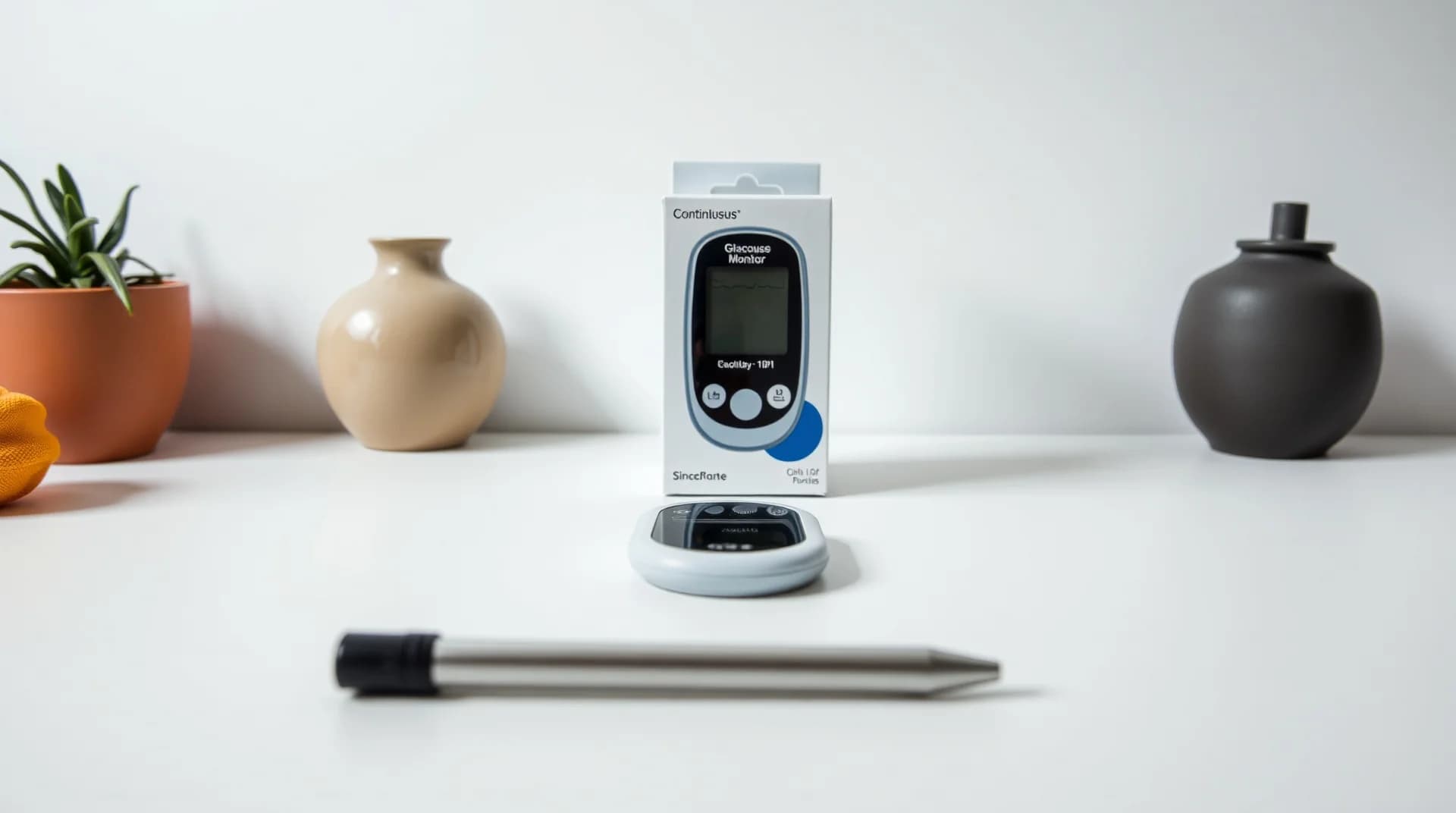
Most popular advice fixates on the spike, the tall peak right after eating. The newer data suggests the rebound low is the part you actually feel. The peak passes in under an hour. The dip lingers, and it arrives precisely when you are trying to think.
The rebound is an overcorrection
When a meal digests quickly, the pancreas releases a large slug of insulin to clear the surge. Insulin can slightly overshoot, pulling glucose down past the starting line before the system rebalances. That overshoot is the trough, and the steeper the original climb, the deeper the dip tends to be. The appetite study captured this directly, showing that people with larger dips reported more hunger and ate more later [glucose dip and hunger].
Sleepiness shows up in the workplace too
The slump is not only a feeling. A scoping review of food intake, blood glucose, and afternoon sleepiness examined how post-meal states affect work productivity, screening 521 papers and including nine that met strict criteria, six of which measured blood glucose directly [postprandial sleepiness review]. The reviewers noted that the relationships are real but still being mapped, which is a fair caution. What you can take from it is simple: the meal you eat at noon has measurable downstream effects on the alertness you bring to the afternoon, so it is worth building that meal with the dip in mind rather than only the spike.
The 4-Step Plate That Flattens the Curve
You do not need a sensor to build a steadier lunch. A simple plate template does most of the work by slowing how fast the meal digests. Think of it as four steps you assemble in order, every time.
Step one: anchor with protein
Start the plate with a palm-sized portion of protein, such as chicken, fish, eggs, tofu, or Greek yogurt. Protein digests slowly and blunts the speed at which the rest of the meal hits your bloodstream.
Step two: load half the plate with non-starchy vegetables
Vegetables bring fiber and volume with very little impact on blood sugar. The Harvard glycemic index reference shows most non-starchy vegetables sit at the low end, which is why they belong in the largest share of the plate [low glycemic foods].
Step three: add a thumb of fat
Olive oil, avocado, nuts, or seeds further slow gastric emptying, so the carbohydrate that follows arrives gradually rather than all at once.
Step four: keep starch to a quarter and prefer the slow kind
Hold refined starch to about a quarter of the plate, and choose intact options where you can. Lentils, beans, barley, and whole intact grains release glucose more slowly than white bread or instant rice. The goal is not zero carbohydrate. It is a smaller, slower carbohydrate load so the peak is lower and the dip behind it is shallow. People who shifted toward lower glycemic load eating in a controlled feeding trial reported less fatigue, which lines up with the plate logic here [glycemic load and fatigue]. Build the plate this way and the 3pm hour usually feels different within a day.
Food Order: Protein and Fiber Before Starch
Here is the detail that surprises people the most. The order in which you eat the same foods can change your glucose response, sometimes as much as changing the foods themselves. Eating protein and fiber first, then the starch last, tends to lower the peak that follows.
Why sequence changes the curve
When vegetables, protein, and fat reach the gut before the starch, they slow gastric emptying and the carbohydrate trickles in rather than flooding. A lower, more gradual peak means the insulin response is gentler, and a gentler response is less likely to overshoot into a deep trough. This is the same mechanism the four-step plate uses, applied to the act of eating rather than only the building.
Putting it to work at a real lunch
At a salad-and-grain bowl, eat the greens and protein before the rice. At a sandwich lunch, start with a side of vegetables or a handful of nuts, then the sandwich. At a restaurant, ask for the bread after the starter rather than before. None of this requires special food, only a small change in habit. Because the depth of the afternoon dip drives later hunger and intake [dip predicts intake], blunting the peak early in the meal pays off twice: a steadier afternoon and less pull toward a late-day snack. Order is the cheapest lever you have, since it costs nothing and uses the food already in front of you.
Build a Breakfast That Prevents the Afternoon Slide
The 3pm crash often begins at breakfast. A sweet, fast-digesting first meal sets a spiky tone that can carry through the day, while a protein-forward breakfast steadies the curve from the start.
The second-meal effect
What you eat in the morning influences how you handle the next meal, a pattern sometimes called the second-meal effect. A breakfast heavy on refined carbohydrate primes a sharper lunch response, which deepens the afternoon dip. A breakfast built on protein, fat, and fiber does the opposite, smoothing both the morning and the midday curve.
Practical morning swaps
Trade the large bowl of sweetened cereal or the pastry for eggs with vegetables, plain yogurt with nuts and berries, or whole grain toast topped with avocado and egg. Each pairs slow carbohydrate with protein and fat. The Harvard reference is useful here for spotting which breakfast staples digest fast and which release slowly [breakfast glycemic index]. Beyond steadier energy, the mood angle matters. In a 28-day controlled feeding study of 82 adults, the higher glycemic load diet produced a 38 percent higher score for depressive symptoms and a 26 percent higher fatigue score than the lower glycemic load diet [glycemic load mood study]. A calmer glucose curve, it turns out, is not only about alertness. It also tracks with how steady you feel overall, which is reason enough to give the first meal of the day this much attention.
When a CGM Is Worth It, and When It Is Not
Continuous glucose monitors have moved from the clinic to the consumer shelf, and the curiosity is understandable. Seeing your own curve in real time can make the abstract concrete and turn glycemic variability into a number you can watch.
What a sensor can teach you
Worn for two to four weeks, a sensor shows which of your usual meals spike hardest and which leave you steady. It can reveal personal surprises, since the large monitoring study made clear that responses to the same meal vary widely between people [individual glucose responses]. For someone who keeps crashing despite reasonable food, that feedback can be genuinely clarifying, and a short experiment is often enough to learn your patterns.
Where the limits are
For most healthy people, a sensor is a learning tool, not a long-term need. The core habits, balancing the plate, eating starch last, and building a protein-forward breakfast, work whether or not you measure them. There is also a risk of fixating on every small bump, when normal eating always produces some movement. If you have symptoms of true low blood sugar, frequent shakiness, sweating, or confusion, that is a conversation for a clinician rather than a gadget. Used briefly and with a clear question in mind, a monitor can sharpen your plan. Used as a permanent scoreboard, it tends to add anxiety without adding much you cannot already get from the steadier plate.
✅ Key Takeaway
- The 3pm crash is a rebound dip in blood sugar, and the dip predicts hunger and low energy better than the peak.
- Glycemic variability, the size of your daily swings, is the lever you control, not your average glucose number.
- Build every plate as protein, then vegetables, then a little fat, with refined starch held to a quarter.
- Eat protein and fiber before starch to lower the peak and shallow the dip behind it.
- A protein-forward breakfast steadies the whole day through the second-meal effect.
Frequently Asked Questions
Why do I crash after lunch?
The afternoon crash is usually a rebound low in blood sugar rather than simple tiredness. A fast-digesting lunch peaks quickly, triggers a strong insulin response, and can dip below baseline two to three hours later. Monitoring research found that this dip predicts hunger and lower energy better than the initial peak [postprandial dip study]. Building a slower, balanced lunch keeps the swing small and the afternoon steadier.
How do I stop blood sugar spikes?
Lower and slow the carbohydrate in each meal rather than cutting it entirely. Fill half the plate with non-starchy vegetables, add a palm of protein and a thumb of fat, and keep starch to a quarter, choosing intact grains and legumes over refined options. The Harvard glycemic index table helps you spot fast versus slow staples [glycemic index list]. A smaller peak is followed by a shallower dip, which is what steadies your energy.
Does eating order really matter?
Yes. Eating protein, fat, and fiber before the starch slows how fast carbohydrate reaches your bloodstream, which lowers the peak that follows. A lower peak means a gentler insulin response and a shallower rebound dip. Because the depth of that dip drives later hunger and intake [dip and intake link], saving the starch for last is a free, simple way to flatten your curve using the same food already on your plate.
Should I get a continuous glucose monitor?
For most healthy people a monitor is a short-term learning tool, not a long-term need. Worn for a few weeks it shows which meals spike you and which keep you steady, which is useful because responses to the same meal vary widely between people [variable responses]. The core habits work without one. If you have symptoms of genuine low blood sugar, see a clinician rather than relying on a consumer device.
What is the best afternoon snack?
Choose a snack that pairs protein or fat with fiber rather than a quick sugar hit, which only restarts the spike-and-dip cycle. Good options include Greek yogurt with nuts, an apple with a spoon of nut butter, or vegetables with hummus. These digest slowly and avoid deepening glycemic variability. Since a higher glycemic load also tracked with more fatigue in controlled feeding research, the steadier snack supports both focus and mood [glycemic load and energy].
Related Reading
- Zone 2 Cardio: The Forgotten Training Zone That Builds Mitochondria
- Cold Plunge Protocol: Time, Temperature and What the Research Actually Says
- Cortisol and Belly Fat: What the Research Actually Links
References
Rate this article
Click on a star to rate this article
Keep Reading
Anti-Inflammatory Diet: 7 Foods That Lower CRP
Build an anti-inflammatory diet around seven foods with documented effects on NF-kB, COX-2, and CRP, plus the everyday amounts that matter.
Read article →
nutritionProtein Timing: Why Total Daily Intake Wins
Protein timing matters far less than your daily total. See what the research says about the anabolic window and how much protein per meal.
Read article →
nutritionFiber Math: How 30g a Day Reshapes Your Gut
30g of fiber a day: 30g of fiber per day shifts your microbiome and lowers cardiovascular risk. What 30g looks like on a plate, why total volume beats the
Read article →

Vitality & Strength Editorial Team
Independent research synthesists — not licensed clinicians
Independent health writers and research synthesists. We are not doctors or registered dietitians; every claim we publish is sourced and linked to primary research, and we take no affiliate or industry money.