Box Breathing: What the Research Actually Shows
Box breathing for stress: what a Stanford trial and a 12-trial meta-analysis found, why cyclic sighing did slightly better, and how to try it safely.
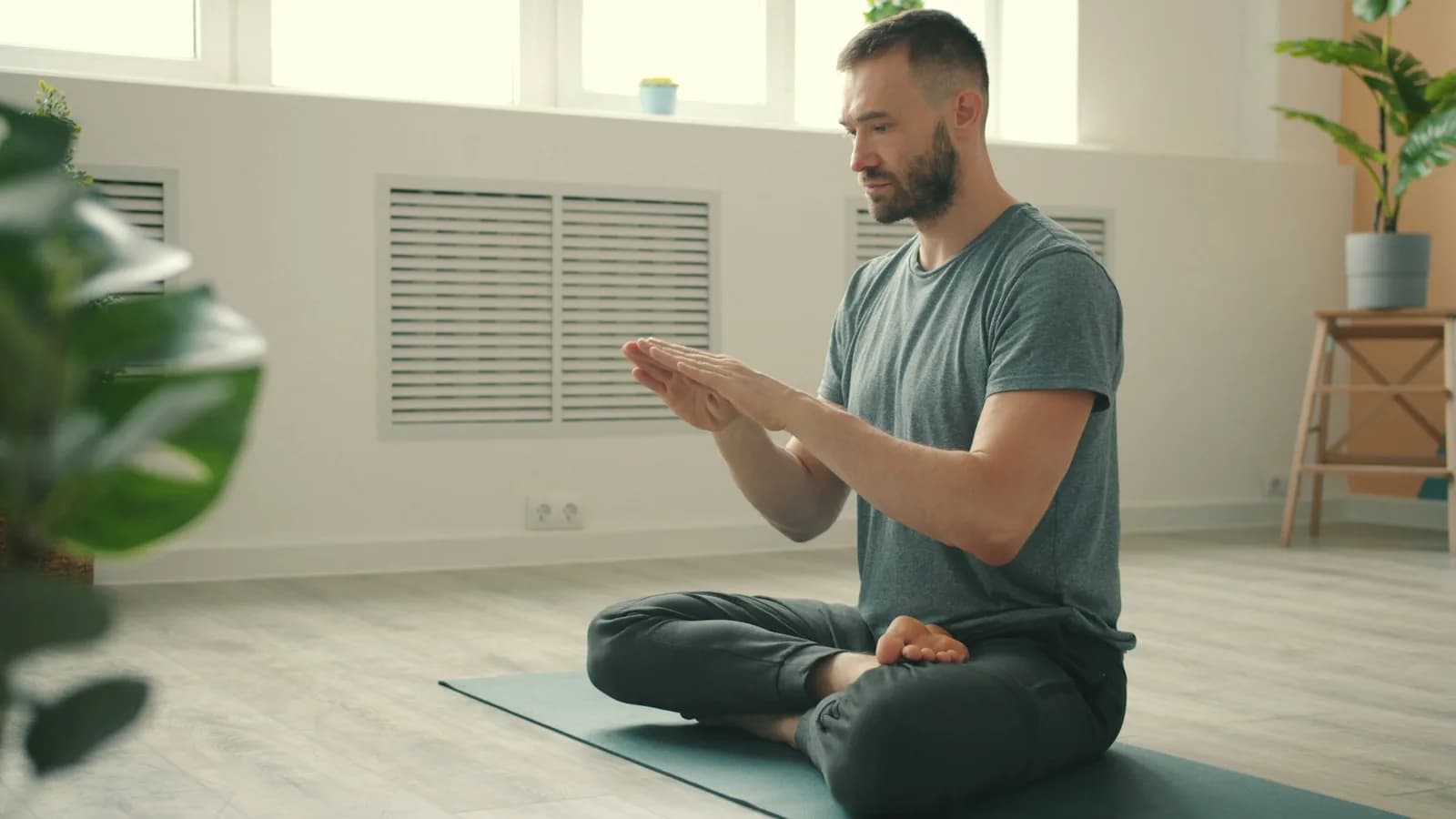
Box breathing is one of those techniques that gets passed around as if it were a cure for stress: breathe in for four, hold for four, out for four, hold for four, repeat. It is free, it takes minutes, and plenty of people find it calming. But what does the research say about box breathing specifically? The honest answer is more interesting than the hype: slow, deliberate breathing does seem to help with stress, but box breathing was not the winner in the best head-to-head test I could find. Here is what is known, what is not, and how to try it safely.
The short version
Controlled breathing practices are associated with lower stress, anxiety and low mood in trials, with small to medium effects. It is a reasonable, easy place to start. In one Stanford trial, though, a different exercise called cyclic sighing, which stresses long exhales, did a little better. If it feels good, keep doing it. If you want to experiment, try both for a week each and see which one you will actually stick with.
What is box breathing?
Box breathing means breathing in, holding, breathing out and holding again, with each part lasting the same time. The usual version is four seconds each, which is why people picture a square. You can use any count that feels comfortable. If four seconds feels like too much, three works just as well, and nothing says you have to hold your breath for long.
What the research shows about box breathing
The Stanford trial
In 2023, researchers at Stanford published a randomised trial in Cell Reports Medicine that is the closest thing to a direct comparison. Participants did one of three daily 5-minute breathing exercises, or an equal amount of mindfulness meditation, for a month. The three breathing exercises were cyclic sighing (long, drawn-out exhales), box breathing (equal inhale, hold and exhale), and a cyclic hyperventilation pattern with breath retention. Breathwork overall, and cyclic sighing in particular, produced greater improvement in mood and a bigger drop in breathing rate than mindfulness meditation (PubMed 36630953). It helped too, but the authors highlighted the exhale-focused exercise as the most promising.
Two things are worth knowing. The study was run remotely, so the researchers could not supervise how well people followed the instructions. And one of the authors disclosed becoming an advisor to a wearable-technology company, which is not a reason to dismiss the result, but is worth keeping in mind.
The bigger picture
A 2023 meta-analysis in Scientific Reports pooled 12 randomised trials with 785 adults and found that breathwork was associated with lower stress than comparison conditions. The effect was small to medium (g = -0.35, 95% CI -0.55 to -0.14). Breathwork was also linked with lower anxiety (20 studies) and fewer depressive symptoms (18 studies) (PubMed 36624160).
The same authors added a warning that is worth repeating: most of the studies were at moderate risk of bias, and they urged caution to avoid a miscalibration between hype and evidence. So the fair reading is "promising and low-risk", not "proven treatment".
How to do box breathing
The NHS describes a simple calming breath that takes a few minutes and can be done almost anywhere. This is the same idea with the holds added. Here is a gentle version:
- Sit in a chair that supports your back, or lie down, and loosen anything tight around your waist or chest.
- Breathe out fully.
- Breathe in through your nose for a count of four, letting the breath drop into your belly.
- Hold gently for a count of four.
- Breathe out slowly for a count of four.
- Hold gently for a count of four.
- Repeat for at least five minutes, which is the length the NHS suggests and the length used in the Stanford trial.
If you feel dizzy or light-headed, go back to normal breathing. Do not force the breath, and shorten the count if the holds feel uncomfortable.
Cyclic sighing: the alternative worth trying
Cyclic sighing is simple. Take a normal breath in through the nose, then add a second short top-up inhale, and then let a long, slow breath out through the mouth. The emphasis is on the exhale being longer than the inhale. In the Stanford trial this exhale-focused practice showed the biggest benefit for mood. It is a good option if the holds make you feel tense.
Who should be careful?
Slow breathing is gentle for most people, but not everyone. The faster, more forceful styles of breathwork, including the cyclic hyperventilation pattern from the trial, are different from box breathing. Speak to a doctor before trying them if you are pregnant, have a heart or lung condition, epilepsy, or a history of panic attacks that breathing triggers. Never practise breathwork in water or while driving. If anxiety is affecting your daily life, breathing exercises are a helpful extra, not a replacement for proper support. Our guide to managing anxiety without medication covers other options, and our piece on caffeine and anxiety explains one common trigger.
Making it a habit
The trial results come from a daily practice, not a one-off. Pick a cue you already have, such as after brushing your teeth or before opening your laptop, and do five minutes. If you enjoy movement as well, a few yoga poses for stress relief pair nicely with a breathing break.
⚕️ Medical Disclaimer
This article is for general information and is not medical advice. If you have a medical or mental health condition, are pregnant, or feel unwell while practising, speak with your doctor or a qualified professional.
Sources
- Balban MY et al. Brief structured respiration practices enhance mood and reduce physiological arousal. Cell Rep Med. 2023. PMID 36630953.
- Fincham GW et al. Effect of breathwork on stress and mental health: a meta-analysis of randomised-controlled trials. Sci Rep. 2023. PMID 36624160.
- NHS. Breathing exercises for stress.
Rate this article
Click on a star to rate this article
Keep Reading
Cold Homes and Your Health: What the Evidence Says About 18°C
Cold homes and health: research links indoor temperatures below 18°C to higher blood pressure and poorer sleep. What to do, in plain terms.
Read article →
holistic wellnessRed Light Therapy Benefits: What the Evidence Actually Supports
Red light therapy has solid evidence for pain, pattern hair loss and modest skin gains. Fat loss and testosterone claims do not.
Read article →
holistic wellnessInfrared Sauna Benefits: What the Evidence Actually Supports
Infrared sauna benefits, checked against the nine clinical studies that exist: what holds up for heart failure, blood pressure and pain, and what does not.
Read article →

Vitality & Strength Editorial Team
Independent research synthesists — not licensed clinicians
Independent health writers and research synthesists. We are not doctors or registered dietitians; every claim we publish is sourced and linked to primary research, and we take no affiliate or industry money.