Red Light Therapy Benefits: What the Evidence Actually Supports
Red light therapy has solid evidence for pain, pattern hair loss and modest skin gains. Fat loss and testosterone claims do not.
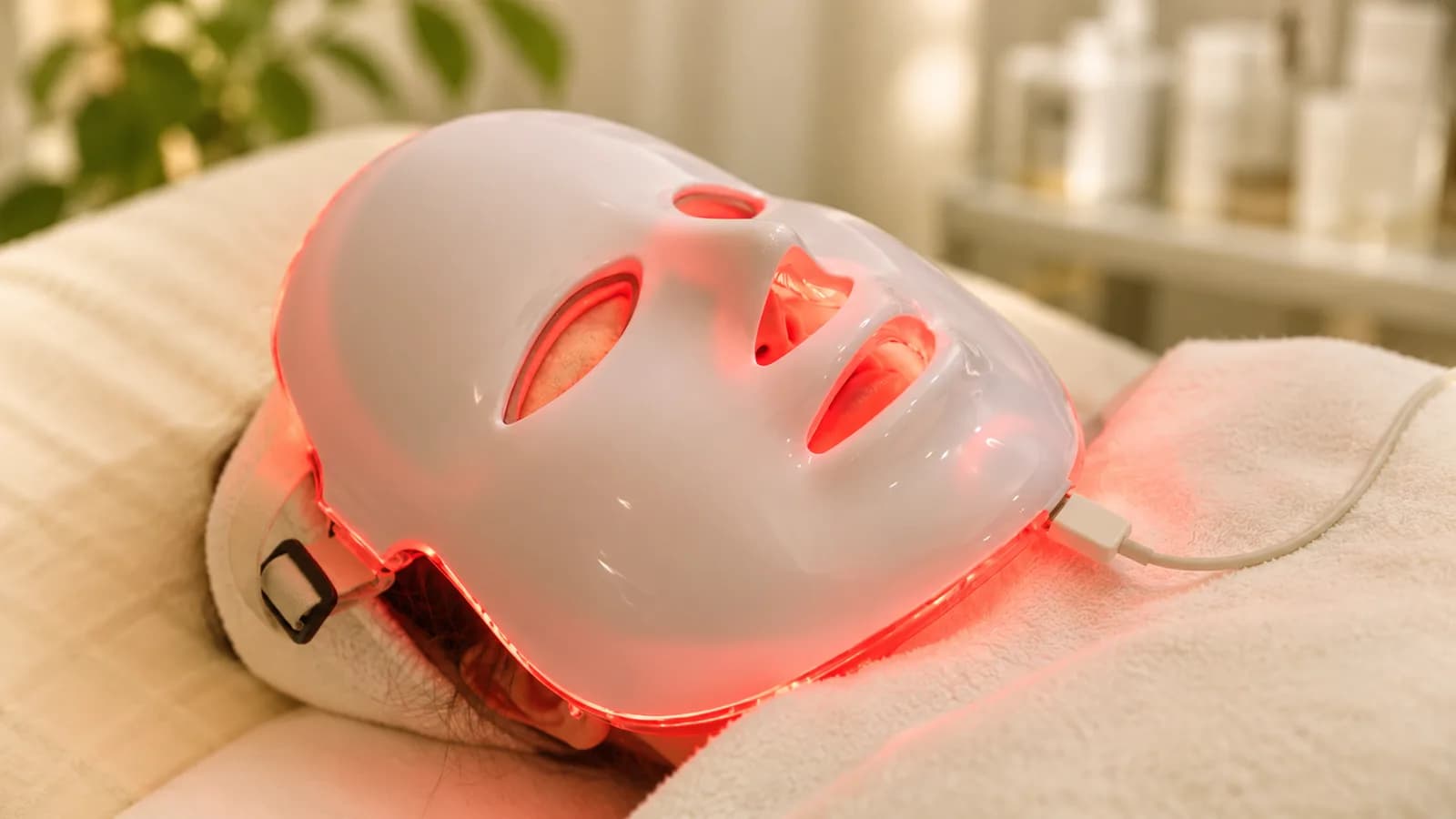
Red light therapy benefits are claimed for almost everything, from wrinkles to fat loss. This guide checks each claim against the published trials.
⚕️ Medical Disclaimer
This article is for general education and is not medical advice. Red light devices are not a substitute for diagnosis or treatment. If you have a skin condition, eye disease, a history of skin cancer, take photosensitising medication, or are pregnant, talk to a clinician before using one.Red light therapy has gone from physiotherapy clinics to bathroom shelves in about a decade. Face masks, handheld wands and full-length panels now promise everything from fewer wrinkles to fat loss, better sleep and higher testosterone. Search interest climbs every winter, when the days get short and the gift guides arrive.
The short answer: red and near-infrared light has real, measurable effects in a handful of areas, with decent trials behind them. Pain, hair regrowth in pattern hair loss, and some skin outcomes are the strongest. A long list of other claims rests on small studies, animal work or nothing at all. This guide sorts the two, using the studies themselves rather than the marketing.
What red light therapy actually is
Red light therapy, called photobiomodulation (PBM) or low-level laser therapy (LLLT) in research, means shining low-power red light (roughly 600 to 700 nm) or near-infrared light (roughly 780 to 1,000 nm) onto the skin. Unlike surgical lasers it does not heat or cut tissue. The leading explanation is that the light is absorbed inside cells by mitochondria, nudging energy production and signalling. Near-infrared penetrates deeper than visible red, which is why pain and muscle studies tend to use it. It is also different from heat: see our guide to infrared sauna benefits for that evidence.
Two details matter more than the brand name on the box:
- Wavelength: the studies below used specific red or near-infrared ranges, not "any red light".
- Dose: energy delivered per area or per spot (joules), which depends on the device's power and how long and how close you use it. Many positive results came from specific doses, and too little or too much can do nothing.
Red light therapy benefits with the strongest evidence
1. Pain: neck pain and knee osteoarthritis
This is the most robust area, and the one most consumers overlook.
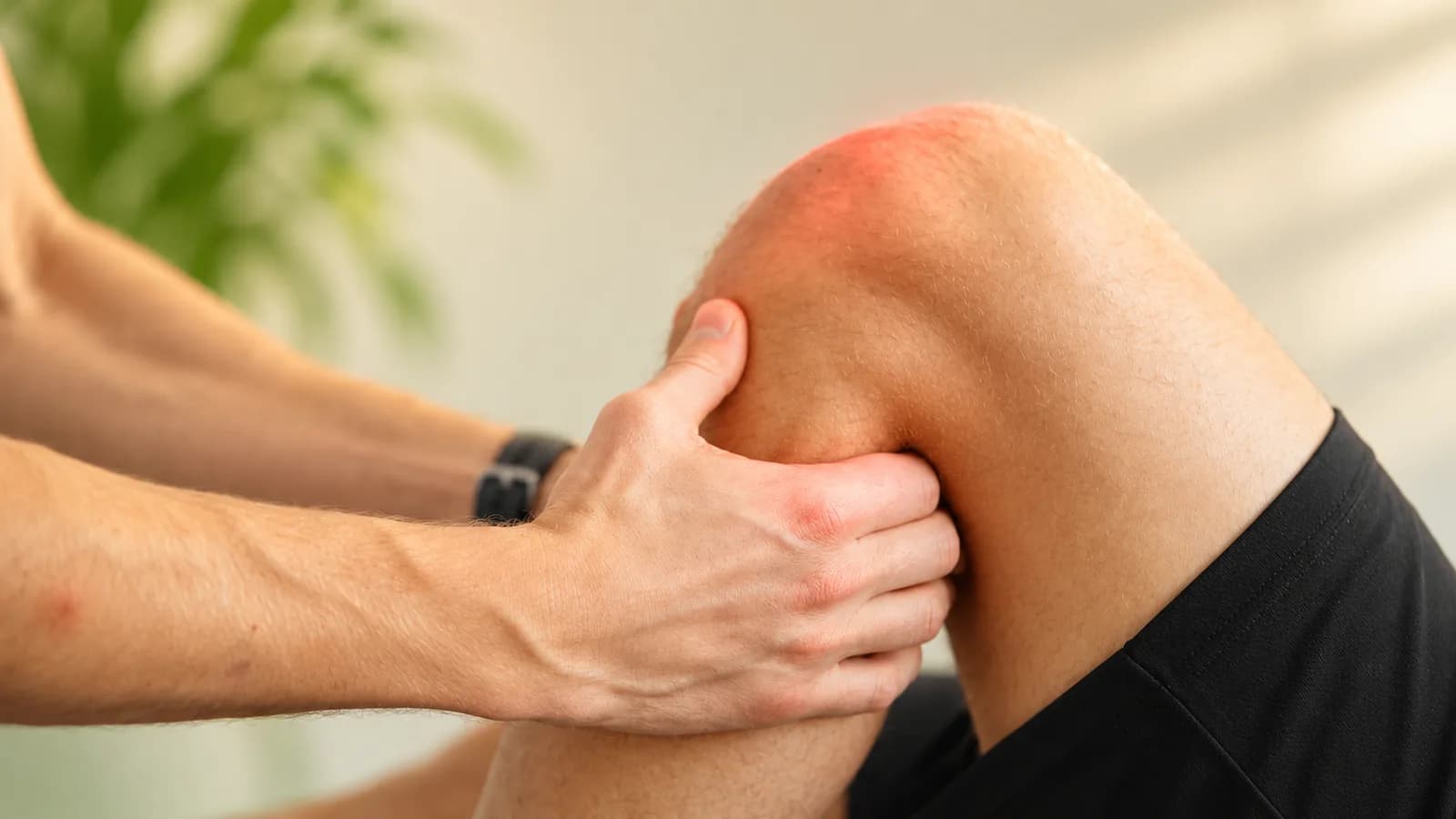
[A 2009 meta-analysis in The Lancet pooled 16 randomised trials (820 patients) of low-level laser therapy for neck pain. In chronic neck pain, pain intensity dropped by about 20 mm on a 100 mm scale compared with controls, and the relief was still present 1 to 22 weeks after treatment ended. Side effects did not differ from placebo.] [A 2019 BMJ Open meta-analysis of 22 placebo-controlled trials (1,063 people) in knee osteoarthritis found pain fell by about 14 mm on a 100 mm scale at the end of treatment. At the recommended doses the effect was larger, about 19 mm, and peaked 2 to 4 weeks after treatment.]The caveat: these trials mostly used clinical lasers at specific near-infrared wavelengths and doses applied to specific points, often by a therapist. A home panel waved in the general direction of a sore knee is not the same intervention. Low-level laser therapy is also still absent from major knee osteoarthritis guidelines, as the BMJ Open authors note.
✅ Key Takeaway
- Pain relief is the best-supported use, especially chronic neck pain and knee osteoarthritis.
- Results came from clinical devices with set wavelengths and doses, so home devices may not match them.
2. Hair regrowth in pattern hair loss
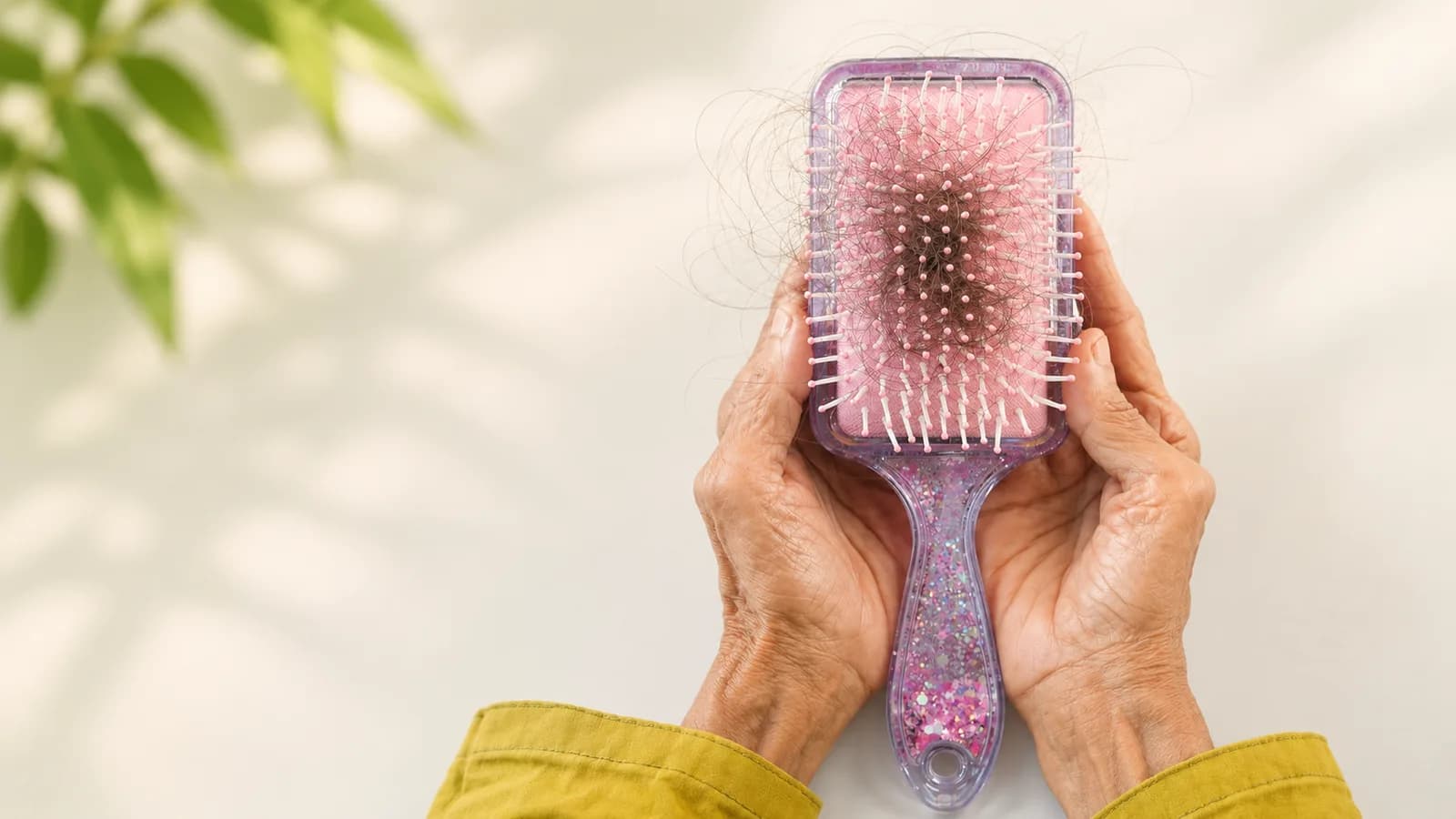
[A 2017 meta-analysis in the Journal of the American Academy of Dermatology found low-level laser therapy beat placebo for hair growth in men with androgenetic (pattern) hair loss, alongside minoxidil and finasteride.] Laser combs and caps have FDA clearance for this use.
[A 2025 meta-analysis of 38 studies (3,098 patients, most with androgenetic alopecia) found hair density increased significantly with laser or LED therapy over 4 to 26 weeks compared with placebo.] Heterogeneity between trials was high, and there was not enough data to judge other types of hair loss such as alopecia areata.
Realistic expectation: it can slow loss and thicken existing hair over months. It does not regrow hair on a long-bald scalp, and it works best as part of a plan with a dermatologist, often alongside minoxidil.
3. Skin: fine lines and collagen
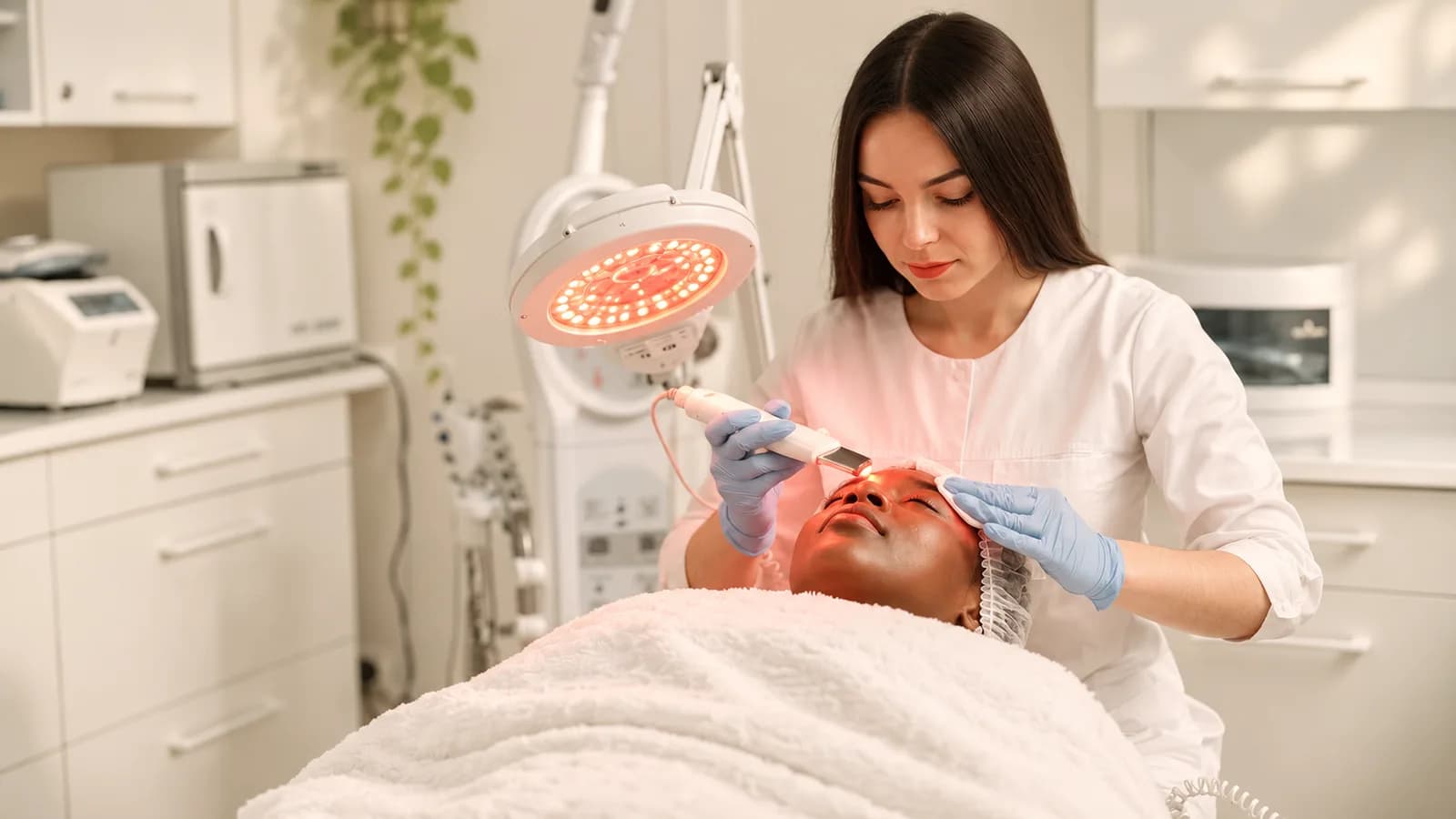
[In a 2014 controlled trial, 113 volunteers treated twice a week for 30 sessions with red light (611 to 650 nm) or a broader red plus near-infrared spectrum showed better skin roughness scores, higher ultrasound-measured collagen density and improved blinded photo ratings than 23 untreated controls.] The broader spectrum was no better than red light alone.
That is encouraging, but it is one trial with a small, unblinded control group. The effects are modest: smoother texture and slightly fewer fine lines, not a facelift. Skin results are also slow: the trial above ran 30 sessions, about 15 weeks at twice a week.
4. Preventing mouth sores during cancer treatment
This is the use with the most formal backing, though it is a clinical one.
[The international MASCC/ISOO guideline (2019) recommends photobiomodulation to prevent oral mucositis in people having stem cell transplants or head and neck radiotherapy, using specific clinical protocols.] It is mentioned here mainly because it shows the therapy is taken seriously in medicine. It is not a home-use application.
Where the evidence is promising but thin
Muscle performance and recovery
[A 2015 meta-analysis of 13 good-quality trials found that light applied before exercise increased repetitions by about 5.5 and time to exhaustion by about 4 seconds compared with placebo.] [A 2022 meta-analysis of 24 studies in athletes found improved lower-limb strength and lower soreness and muscle damage markers, but its authors said a definite effect is yet to be established and called for larger trials.]The pattern: small, real-looking effects, mostly when light is applied before training at specific doses. For most people, sleep, protein and sensible programming matter far more. See our evidence-based recovery protocol for what ranks first.
Sleep
The study most often quoted is small. [In 2012, 20 elite female basketball players were split into two groups; the 10 who had 30 minutes of red light every night for 14 days reported better sleep quality and had higher melatonin than the 10 who had no light.] There was no sham device, so a placebo effect cannot be ruled out. It is a reasonable hypothesis, not an established effect. Dim, warm light in the evening is still sensible sleep hygiene, which is a different thing from a therapy panel. Our guide to improving sleep quality naturally covers what is better supported.
Fat loss and body contouring
[A 2025 systematic review found only three randomised trials (160 people) on laser therapy for body circumference. Waist measurements fell by about 2.5 cm with treatment versus about 0.6 cm in controls, but protocols varied and long-term effects are unknown.] A couple of centimetres of measured circumference in clinic trials is not the same as fat loss you would see on a scale, and no evidence shows a home panel replaces a calorie deficit. Our calorie deficit guide explains what actually moves body weight.
Claims with little or no human evidence
- Testosterone and fertility: claims rest largely on animal studies and anecdotes. There are no good human trials showing a meaningful rise from home devices.
- "Detox", immunity or weight loss on its own: no trial evidence.
- Thyroid, brain fog, longevity: early or animal research only. Interesting, but not a reason to buy a device.
If a product page cites one of these as a proven benefit, treat that as a sign the marketing has run ahead of the science.
Safety: what to know before you buy
Red light therapy is generally low risk in trials, with side effects similar to placebo in the neck pain meta-analysis. Still:
- Protect your eyes. Bright LEDs and near-infrared (which you cannot fully see) can stress the retina. Use the goggles supplied and never stare into the panel.
- Photosensitivity: some medications (for example certain antibiotics, isotretinoin and some antidepressants) and conditions such as lupus increase light sensitivity. Check with a pharmacist.
- Skin cancer history or suspicious moles: get a dermatologist's advice first, and do not use a device to treat an undiagnosed spot.
- Heat: these should not burn. If a device gets hot, stop using it.
- Pregnancy: there is little safety data, so most manufacturers advise against use.
How to choose and use a device sensibly
- Match the device to the goal. Hair: an FDA-cleared cap or comb. Skin: a face mask or panel in the red range (around 630 to 660 nm). Pain: near-infrared (around 800 to 860 nm) usually matters more.
- Look for published specs: wavelength and irradiance (power per area, in mW/cm²) measured at a stated distance. Vague claims of "medical grade" mean little.
- Be consistent. The trials above typically used two or more sessions a week for several months. A few random sessions are unlikely to do anything.
- More is not better. Light therapy shows a dose-response window, so follow the instructions on time and distance.
- Judge results honestly. Take baseline photos or pain scores, then compare at 12 weeks. If nothing changed, stop spending money on it.
The bottom line
Red light therapy is not snake oil, and it is not a miracle. The real red light therapy benefits are narrower than the marketing. The best evidence supports it for pain (especially chronic neck pain and knee osteoarthritis), for slowing pattern hair loss, and for modest skin improvements, all with consistent use at the right wavelengths and doses. Muscle recovery and sleep are plausible but under-tested, and fat loss, testosterone and "detox" claims are well ahead of the data. If you buy a device, buy it for one of the well-supported uses, use it consistently, and measure whether it works for you.
Frequently Asked Questions
Does red light therapy actually work?
How long does red light therapy take to work?
Is red light therapy safe for your eyes?
Can red light therapy help you lose weight?
What wavelength is best for red light therapy?
Is red light therapy the same as infrared sauna?
Rate this article
Click on a star to rate this article
Keep Reading
Box Breathing: What the Research Actually Shows
Box breathing for stress: what a Stanford trial and a 12-trial meta-analysis found, why cyclic sighing did slightly better, and how to try it safely.
Read article →
holistic wellnessCold Homes and Your Health: What the Evidence Says About 18°C
Cold homes and health: research links indoor temperatures below 18°C to higher blood pressure and poorer sleep. What to do, in plain terms.
Read article →
holistic wellnessInfrared Sauna Benefits: What the Evidence Actually Supports
Infrared sauna benefits, checked against the nine clinical studies that exist: what holds up for heart failure, blood pressure and pain, and what does not.
Read article →

Vitality & Strength Editorial Team
Independent research synthesists — not licensed clinicians
Independent health writers and research synthesists. We are not doctors or registered dietitians; every claim we publish is sourced and linked to primary research, and we take no affiliate or industry money.