Turmeric and Curcumin: What the Research Shows
Turmeric and curcumin for joint pain, mood and blood sugar: what trials found, and the liver injury cases most labels do not mention.
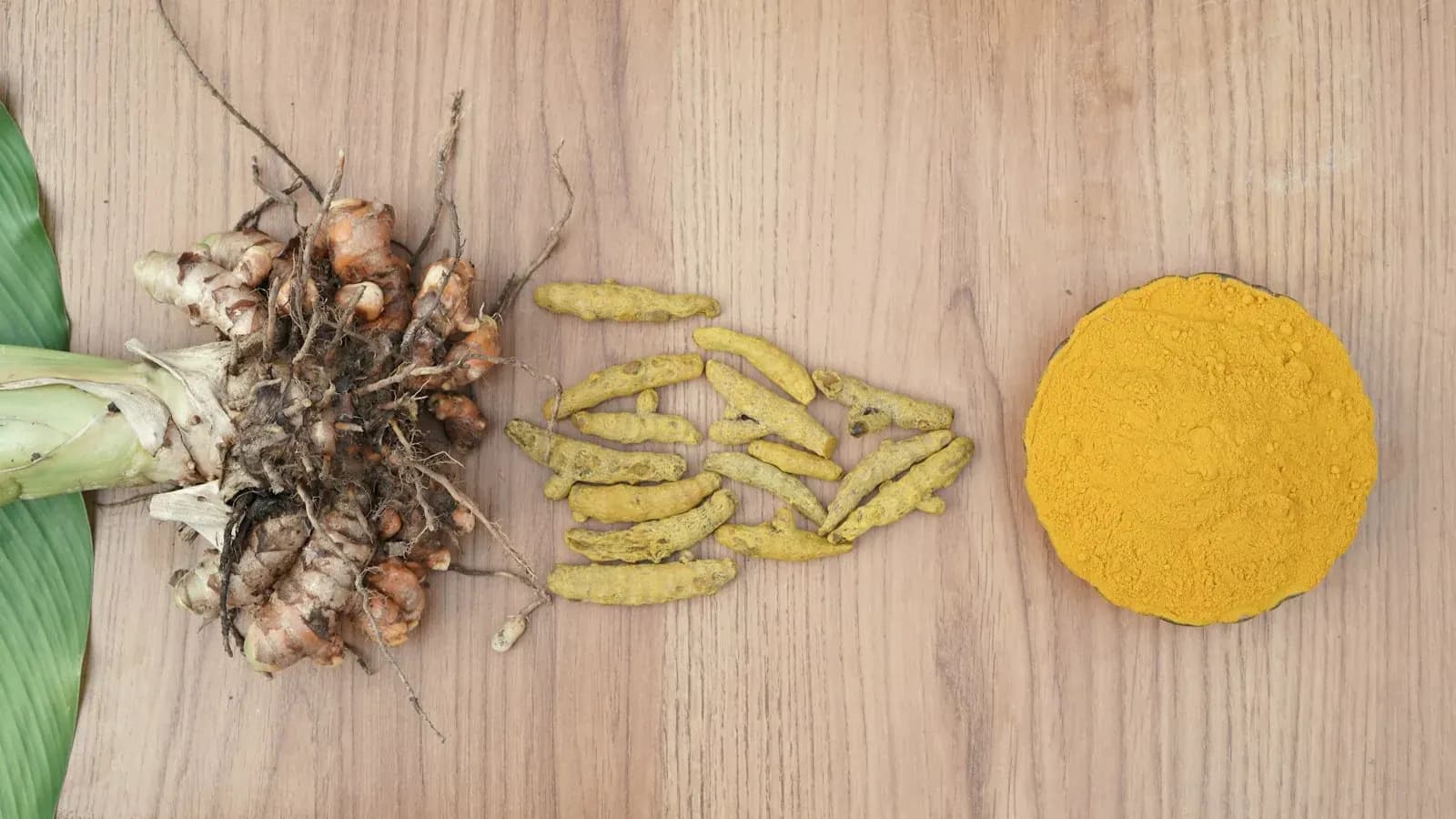
Turmeric is one of the best-selling supplements in the world, and curcumin, its main active compound, is marketed for joint pain, inflammation, mood and blood sugar. The research is mixed. Randomised trials suggest a modest benefit for knee osteoarthritis pain and some promise for mood and blood sugar, but the studies are small, vary a lot and are often of low quality. There is also a safety side that most labels do not mention: a growing number of cases of liver injury linked to turmeric supplements. This guide explains what the trials measured, how reliable the results are, and who should be careful.
⚕️ Medical Disclaimer
This article is general information, not medical advice. Turmeric supplements can cause liver injury in rare cases and may interact with blood thinners and other medicines. If you have liver disease, gallbladder problems, take regular medication, are pregnant or are due for surgery, speak to your doctor or pharmacist before taking turmeric or curcumin supplements.
The short version on turmeric
- For knee osteoarthritis, pooled trials found that curcumin and turmeric extract reduced pain and improved function compared with placebo, and looked similar to anti-inflammatory painkillers with fewer side effects. The trials are small and many are low quality.
- For depression, anxiety and stress, a 2026 meta-analysis of 26 trials reported symptom reductions, but the authors rated the certainty as moderate to low because results varied so much.
- For blood sugar in people with prediabetes, a 2026 network meta-analysis of 24 trials found lower fasting glucose with some turmeric extracts, again with low overall certainty.
- Curcumin is poorly absorbed, which is why many products add black pepper extract (piperine) or use special formulations.
- Turmeric supplements have been linked to liver injury. A US case series reported ten cases, including one death from acute liver failure.
- Cooking with the spice is a different matter from taking concentrated supplements, and the evidence for one does not carry over to the other.
What turmeric and curcumin are
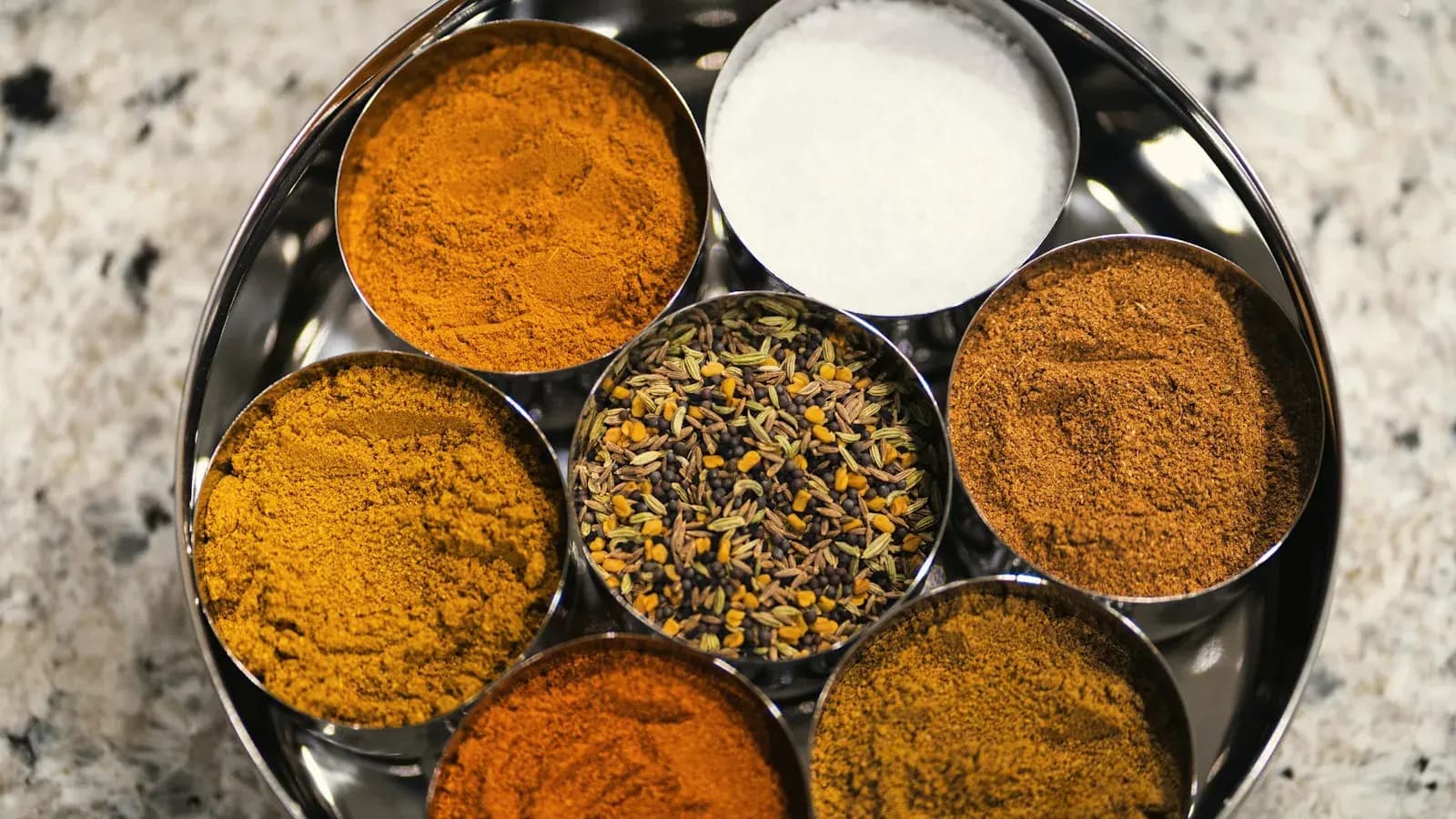
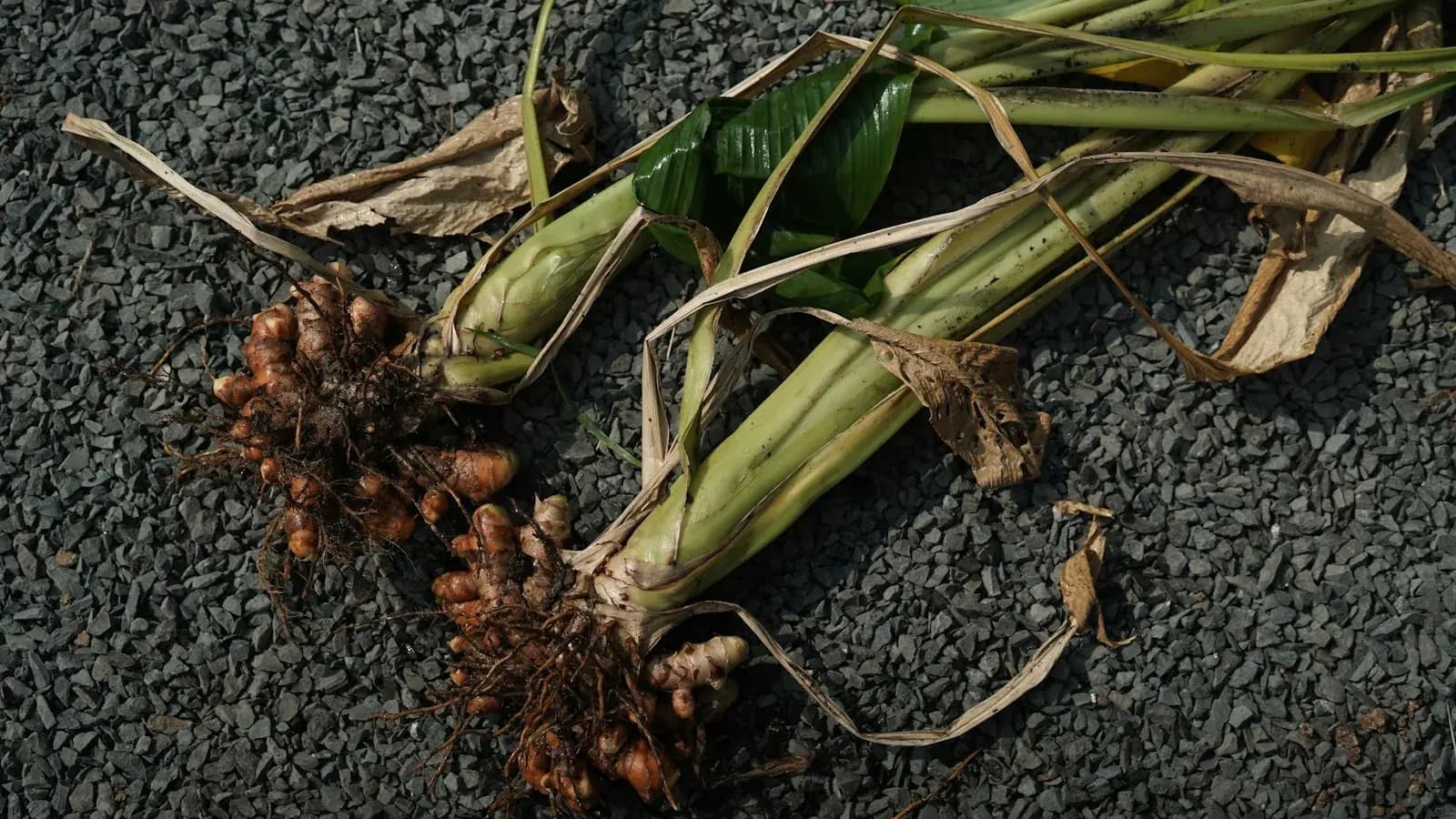
Turmeric is a yellow-orange spice made from the root of Curcuma longa. Curcumin is the best-studied of its active compounds, but it makes up only a small share of the spice by weight. Most supplements contain curcumin extract at a much higher concentration than you would ever get from food, which is why the results of supplement trials should not be applied to a curry.
The main problem with curcumin is absorption. A 2007 review of its bioavailability described poor absorption, rapid metabolism and rapid elimination as the reasons for low blood and tissue levels, even at high doses. The approaches it listed to improve this included piperine from black pepper, liposomal curcumin, nanoparticles and phospholipid complexes. These tricks matter for the safety section below.
[Anand et al., "Bioavailability of curcumin: problems and promises," Molecular Pharmaceutics, 2007. PMID: 17999464]What the research shows on joint pain
Joint pain is the best-supported use. A 2021 systematic review and meta-analysis of 15 randomised trials with 1,621 people with osteoarthritis found that curcumin and turmeric extract reduced pain scores and improved function and stiffness compared with placebo. Compared with anti-inflammatory painkillers (NSAIDs), the effects on pain, function and stiffness were similar, with fewer side effects. The authors suggested that supplements should be taken for more than 12 weeks to see a benefit.
[Zeng et al., "The efficacy and safety of Curcuma longa extract and curcumin supplements on osteoarthritis," Bioscience Reports, 2021. PMID: 34017975]A 2024 network meta-analysis of 23 studies with 2,175 people with knee osteoarthritis compared curcumin with placebo and with painkillers. Curcumin reduced the visual analogue pain score by 1.63 points (95% CI 0.45 to 2.91) and the total WOMAC score by 18.85 points compared with placebo. It also reduced use of rescue medication, and people on curcumin had fewer adverse reactions than people on NSAIDs. The authors noted that the combinations still needed confirmation in further research.
[Zhao et al., "Efficacy and safety of curcumin therapy for knee osteoarthritis: A Bayesian network meta-analysis," Journal of Ethnopharmacology, 2024. PMID: 38036015]For arthritis in general, a 2022 meta-analysis of 29 trials with 2,396 people (covering osteoarthritis, rheumatoid arthritis, ankylosing spondylitis, juvenile arthritis and gout) found that curcumin and turmeric extract may improve symptoms and inflammation, with doses between 120 mg and 1,500 mg for 4 to 36 weeks. The authors warned that the number and quality of trials were low, so the conclusions must be read with care.
[Zeng et al., "Efficacy and Safety of Curcumin and Curcuma longa Extract in the Treatment of Arthritis," Frontiers in Immunology, 2022. PMID: 35935936]What this means in practice: for knee osteoarthritis, a trial of curcumin is reasonable for many adults who have discussed it with a doctor, but it is not a replacement for exercise, weight management and medical care. If you are looking for dietary patterns that support joints, see our guide to anti-inflammatory foods.
What the research shows on mood, blood sugar and inflammation
Depression, anxiety and stress
A 2026 systematic review and dose-response meta-analysis in Food & Nutrition Research pooled 26 randomised trials with 1,491 adults. Curcumin was linked with lower symptoms of depression (SMD -1.53), anxiety (SMD -1.67) and stress (SMD -1.71) compared with placebo, and higher doses above 1.5 g per day were associated with larger reductions in depressive symptoms. The authors stressed that results varied a great deal between studies and that the certainty of the evidence was moderate to low. Those are large standardised effects, but they come from small trials and should not be treated as a substitute for therapy or medication. For other approaches, see our guide to managing anxiety without medication.
[Alsanie et al., "Effects of curcumin on depression, anxiety, and stress symptoms in adults," Food & Nutrition Research, 2026. PMID: 42859601]Prediabetes
A 2026 network meta-analysis in Complementary Therapies in Medicine pooled 24 trials with 1,952 adults with prediabetes. Turmeric extracts were linked with lower fasting blood sugar (about 10.6 to 10.7 mg/dL lower than placebo for the two best-performing groups), and one formulation was linked with lower HOMA-IR, a measure of insulin resistance. No significant effects were seen for inflammatory markers. The authors rated overall certainty as low because of differences between trials, short durations and variable formulations. For comparison with another widely marketed blood-sugar supplement, see our review of berberine.
[Khongphakdee et al., "Comparative effectiveness of turmeric and curcumin formulations in people with prediabetes," Complementary Therapies in Medicine, 2026. PMID: 42892340]Safety: liver injury and other risks
In 2023, the American Journal of Medicine published a case series from the US Drug-Induced Liver Injury Network (DILIN). Reviewing cases enrolled between 2004 and 2022, the authors found ten cases of liver injury in which turmeric was implicated, all since 2011 and six since 2017. Eight of the ten were women and the median age was 56. Injury was mostly hepatocellular, with a latency of one to four months. Five people were hospitalised and one died of acute liver failure. Turmeric was confirmed in all seven products that could be tested, and three of them also contained piperine. Seven of the ten patients carried the HLA-B*35:01 gene variant, far more often than the general population.
These are cases from a surveillance network, not a calculation of how common the problem is. Most people who take turmeric will not have this reaction. But the study is a strong reason to avoid high-dose supplements if you have liver disease, to stop and seek medical advice if you develop dark urine, yellow skin or eyes, abdominal pain or unusual tiredness, and to tell your doctor about any supplement you take. Another popular herbal supplement with published liver-injury case reports is ashwagandha: see our review of ashwagandha for stress and anxiety.
[Halegoua-DeMarzio et al., "Liver Injury Associated with Turmeric: A Growing Problem: Ten Cases from the Drug-Induced Liver Injury Network," American Journal of Medicine, 2023. PMID: 36252717]Other cautions are worth knowing. Curcumin may affect how blood clots, so people on blood thinners or heading for surgery should ask their doctor. High doses can cause stomach upset. And supplements are not tightly regulated, so the amount of curcumin and any added ingredients can differ from the label.
If you decide to try turmeric
- Talk to your doctor first if you have liver or gallbladder disease, take blood thinners, are pregnant, or take regular medication.
- Choose a product that is third-party tested, and check the label for the amount of curcuminoids, not just "turmeric root".
- Remember that black pepper extract raises absorption, which may also raise the risk of side effects. It was present in some of the products in the liver injury cases.
- Give it a fair test of about 12 weeks for joint pain, and stop if there is no benefit.
- Stop and get medical advice at once if you notice yellow skin or eyes, dark urine, pale stools, severe tiredness or abdominal pain.
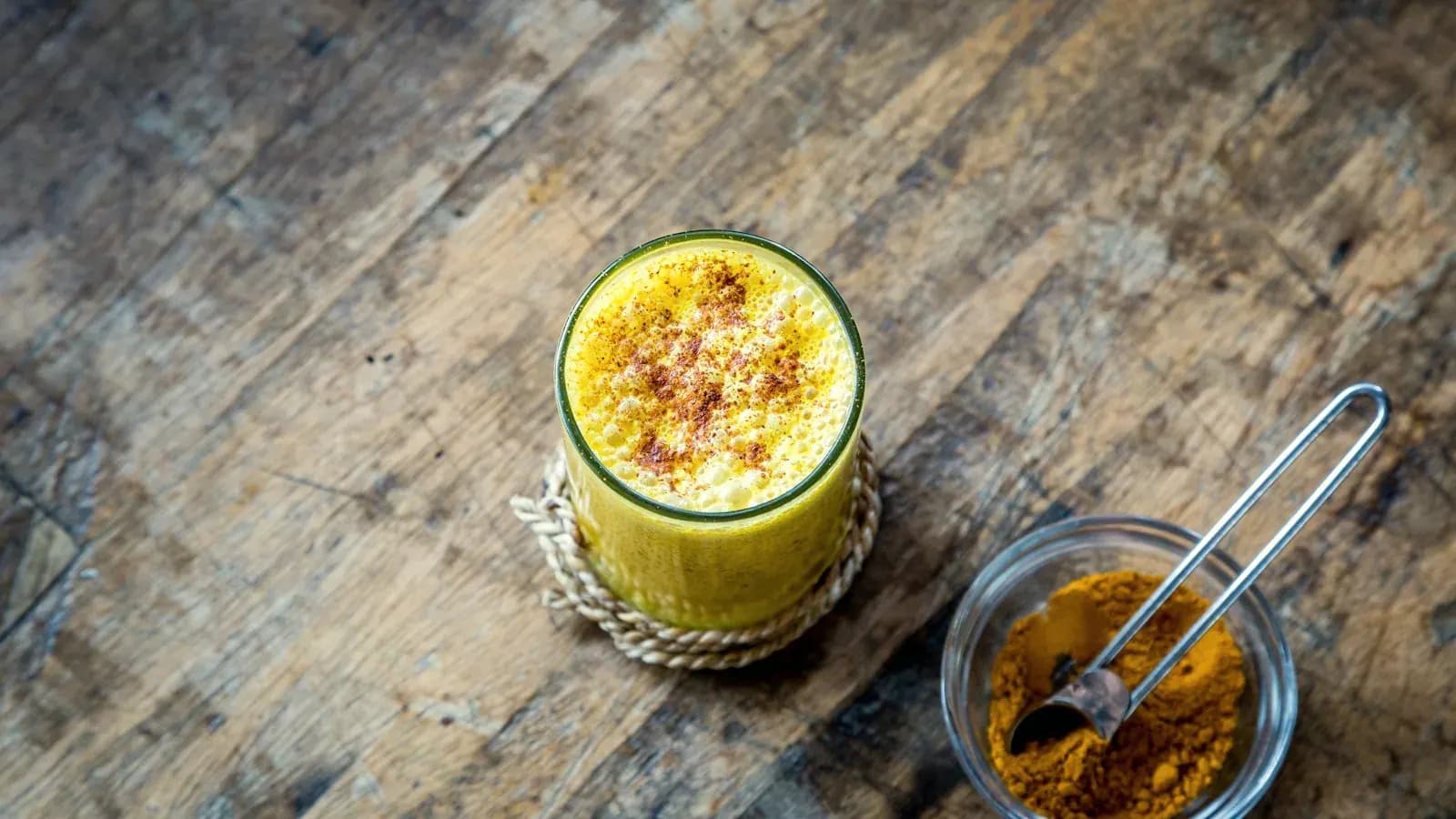
- Use the spice in cooking as much as you like. Normal food amounts are very different from supplement doses.
- Treat it as an extra, not a plan. For a bigger picture on diet, see our guide to anti-inflammatory foods backed by mechanism studies.
Frequently Asked Questions
Does turmeric really reduce inflammation?
Curcumin has anti-inflammatory activity in lab studies, and trials in knee osteoarthritis show modest pain relief. But a 2026 analysis in prediabetes found no significant effect on inflammatory markers, and the overall quality of trials is low, so the benefit depends on the condition and should not be overstated.
How much turmeric or curcumin should you take?
There is no established dose. Arthritis trials used between 120 mg and 1,500 mg of curcumin or turmeric extract a day for 4 to 36 weeks, and a 2026 mood meta-analysis linked doses above 1.5 g a day with larger effects. Higher is not always safer, so check with a doctor first.
Can turmeric supplements damage your liver?
In rare cases, yes. A US case series reported ten cases of turmeric-associated liver injury, including one death from acute liver failure, and many of the products also contained black pepper extract. Stop and seek medical advice if you develop yellow skin or eyes, dark urine or unusual tiredness.
Why do turmeric supplements contain black pepper?
Curcumin is poorly absorbed and quickly cleared from the body. Piperine from black pepper interferes with how the body breaks curcumin down, which raises levels in the blood. It may also raise the risk of side effects, and it was present in some of the products in liver injury cases.
Is turmeric as good as ibuprofen for joint pain?
In pooled trials of osteoarthritis, curcumin and turmeric extract had similar effects to anti-inflammatory painkillers on pain, function and stiffness, with fewer side effects. The trials are small and many are low quality, so do not stop prescribed medicine without talking to your doctor.
Is it safe to cook with turmeric every day?
Culinary amounts are very different from concentrated supplements, and the liver injury reports relate to supplements. Most people can use the spice in food. If you have liver disease, take blood thinners or are pregnant, ask your doctor about regular heavy use.
Bottom line
Turmeric and curcumin supplements may give a modest benefit for knee osteoarthritis pain, and there are early signs for mood and blood sugar, but the trials are small, mixed in quality and often short. The liver injury reports show that "natural" does not mean risk free. If you try a supplement, talk to your doctor first, watch for warning signs and give it a time-limited trial. For another supplement judged on its trial evidence, see our review of ashwagandha.
Rate this article
Click on a star to rate this article
Keep Reading
Tart Cherry Juice: What the Research Shows
Does tart cherry juice work? A review of 2021 to 2026 meta-analyses and trials on exercise recovery, sleep, gout, blood pressure, sugar and side effects.
Read article →
supplementsPsyllium Husk for Cholesterol: What the Research Shows
Does psyllium husk for cholesterol work? A review of 2018 to 2025 meta-analyses on LDL, blood pressure, blood sugar, weight, and how to take it safely.
Read article →
supplementsAshwagandha for Stress and Anxiety: What the Research Shows
Does ashwagandha for stress and anxiety work? A review of 2024 to 2026 meta-analyses, why cortisol falls but stress scores may not, and liver safety warnings.
Read article →

Vitality & Strength Editorial Team
Independent research synthesists — not licensed clinicians
Independent health writers and research synthesists. We are not doctors or registered dietitians; every claim we publish is sourced and linked to primary research, and we take no affiliate or industry money.