Tart Cherry Juice: What the Research Shows
Does tart cherry juice work? A review of 2021 to 2026 meta-analyses and trials on exercise recovery, sleep, gout, blood pressure, sugar and side effects.
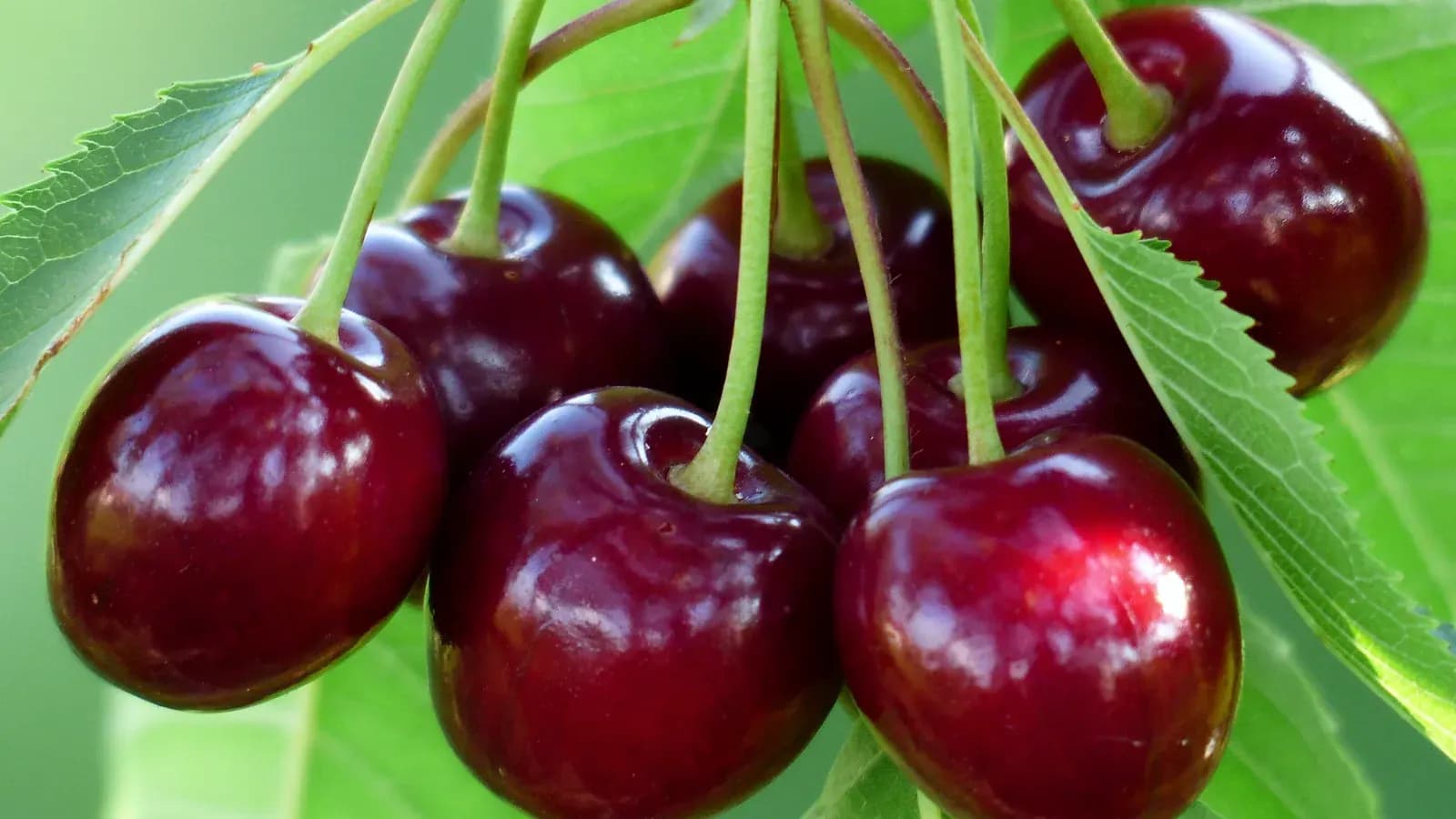
Tart cherry juice is sold as a sleep aid, a workout recovery drink and a gout remedy, and the research behind each claim is very different. This guide goes through the meta-analyses and trials, shows where tart cherry juice has real support, where the results are mixed or negative, and what to know about sugar, digestion and medicines before you add it to your day.
⚕️ Medical Disclaimer
This article is general information, not medical advice. The juice contains sugar and can cause stomach upset or diarrhoea in some people. If you have diabetes or gout, take regular medicines (especially blood thinners, blood pressure or cholesterol medicines, antibiotics or corticosteroids), or are pregnant or breastfeeding, speak to a doctor or pharmacist first. Do not stop or change a prescribed gout, blood pressure or sleep treatment because of anything you read here.
The short version
- For exercise recovery, tart cherry juice has the most support, but the results are inconsistent. A 2021 meta-analysis of 14 studies found a small reduction in muscle soreness and moderate benefits for strength and power recovery. A 2026 meta-analysis of 19 trials rated the certainty of evidence as very low to moderate.
- For sleep, the evidence is mixed. A small 2012 trial in 20 people found longer sleep, while a 2024 trial in 34 people with overweight or obesity found no effect on any measure.
- For gout, the best-controlled dose trial found no effect on serum urate or flares. A 2026 meta-analysis found only a modest drop in uric acid, with limited and inconsistent evidence.
- For blood pressure, a meta-analysis of seven trials found no significant effect. For cholesterol and blood sugar, effects are small or confined to subgroups.
- An 8-ounce cup of tart cherry juice has about 159 calories and 33 grams of sugar, and the sorbitol in it can cause diarrhoea.
What is tart cherry juice?
Tart cherry juice comes from sour cherries, usually the Montmorency variety grown in the United States. It is sold as a ready-to-drink juice, a thick concentrate you dilute, and as capsules or powder. Tart cherries contain anthocyanins and other polyphenols, which are plant pigments with antioxidant and anti-inflammatory properties in the lab. They also contain melatonin, the hormone that helps regulate the sleep-wake cycle.
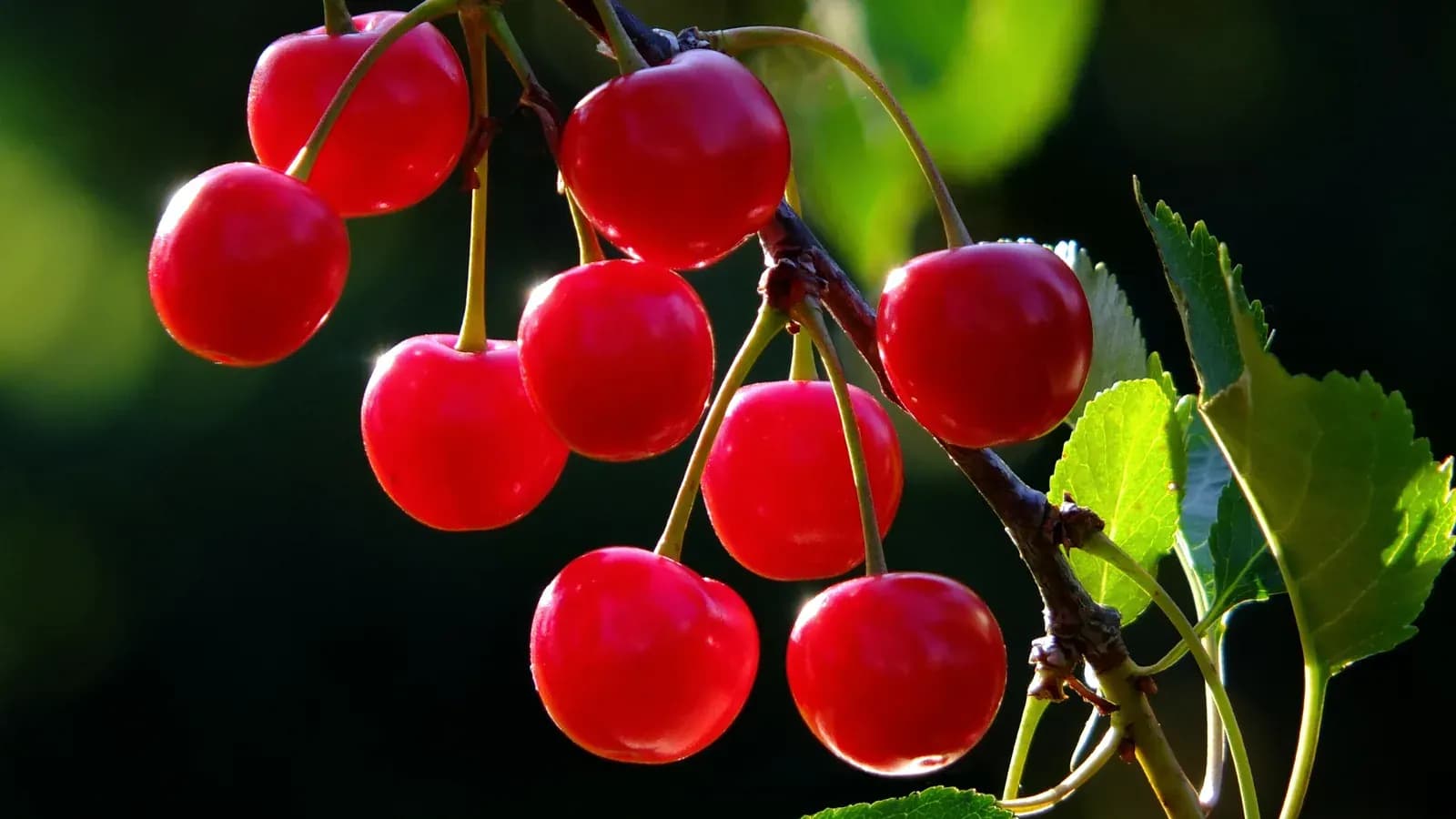
Lab properties do not prove a benefit in people, which is why this guide sticks to randomised trials and meta-analyses. A meta-analysis pools the results of several trials, but it is only as reliable as the trials inside it, and many tart cherry trials are small and short.
Tart cherry juice and exercise recovery
Exercise recovery is where it has been studied most, mostly in athletes and active adults who run, cycle or do hard strength sessions. After intense exercise the muscles are sore and weaker for a day or more, and researchers have tested whether the polyphenols in it speed that up.
The 2021 meta-analysis
A 2021 systematic review and meta-analysis in the International Journal of Sport Nutrition and Exercise Metabolism by Hill and colleagues pooled data from 14 studies. Compared with controls, tart cherry supplementation produced:
- A small reduction in muscle soreness (effect size -0.44, 95 percent confidence interval -0.87 to -0.02).
- A moderate benefit for recovery of muscular strength (effect size -0.78, 95 percent confidence interval -1.11 to -0.46).
- A moderate benefit for muscular power (effect size -0.53), including a large effect on jump height (-0.82) and a small effect on sprint time (-0.32).
- Small reductions in the inflammation markers C-reactive protein (-0.46) and interleukin-6 (-0.35).
- No significant effect on creatine kinase or tumour necrosis factor alpha.
The authors concluded that tart cherry supplementation can aid aspects of recovery from strenuous exercise.
The 2026 meta-analysis is more cautious
A 2026 systematic review and meta-analysis in Sports Medicine - Open by Daab and colleagues included 19 trials in trained athletes. The juice improved recovery of maximal voluntary contraction strength at every time point they tested, and it lowered C-reactive protein after exercise and up to 48 hours later. But it found no significant pooled effect on muscle soreness, creatine kinase, interleukin-6, tumour necrosis factor alpha or range of motion, and the countermovement jump improved only at 48 hours.
The heterogeneity was high (I-squared 69 to 93 percent for strength), some results depended on individual studies, and the certainty of evidence ranged from very low to moderate. The authors' conclusion was that it may support recovery of selected functional and inflammatory markers, with findings that are heterogeneous and need cautious interpretation.
Trials that found nothing
Not every trial is positive. One study in professional soccer players was titled "Tart Cherry Juice: No Effect on Muscle Function Loss or Muscle Soreness in Professional Soccer Players After a Match," and another in non-resistance-trained men found no effect of tart cherry juice or pomegranate juice on recovery from exercise-induced muscle damage. This fits the pattern in the meta-analyses: a benefit appears in some studies, vanishes in others, and may depend on the exercise, the product and the timing.
If you train hard and want to test it, it is a low-risk experiment for most people, but keep the basics first. Our recovery protocol guide and protein intake guide cover the habits with stronger evidence.
Does tart cherry juice help you sleep?
Tart cherries contain melatonin, so the idea that it helps sleep is natural. The trials are small, and the results disagree.
A 2012 randomised, double-blind, placebo-controlled crossover trial in the European Journal of Nutrition by Howatson and colleagues gave 20 volunteers tart cherry concentrate or a placebo for 7 days. Total urinary melatonin was higher with the juice, and time in bed, total sleep time and sleep efficiency all increased. The authors suggested the juice might help manage disturbed sleep.
A 2024 randomised crossover trial in Nutrients by Tucker and colleagues tested the opposite situation. It gave 34 people with sleep problems and overweight or obesity either 500 milligram Montmorency tart cherry capsules or a placebo one hour before bed for 14 days. They measured sleep with devices and questionnaires and found no significant effect on any outcome, including sleep time, deep and REM sleep, insomnia symptoms and inflammation markers. The authors suggested that people with overweight or obesity might need higher doses than those currently recommended, which is a hypothesis, not a finding.
One 2023 trial reported much bigger sleep gains (24 minutes shorter time to fall asleep), but it tested a blend of tryptophan, glycine, magnesium, tart cherry powder and L-theanine in 16 young adults, so the result cannot be credited to the cherries.
In short, the sleep evidence for tart cherry juice is weak and inconsistent. If sleep is your problem, start with the basics in our sleep quality guide, and compare with the evidence for melatonin itself and magnesium glycinate.
Tart cherry juice for gout and uric acid
Gout flares are caused by high uric acid forming crystals in joints, and cherries are a popular folk remedy. The evidence is much weaker than the marketing.
A 2020 randomised trial in Rheumatology by Stamp and colleagues tested exactly the question people ask: how much tart cherry concentrate lowers urate? Fifty people with gout were randomised to placebo or 7.5, 15, 22.5 or 30 millilitres of tart cherry concentrate twice daily for 28 days. There was no significant effect on serum urate, urine urate excretion or the number of gout flares, and the dose made no difference. The authors concluded that tart cherry concentrate had no effect on serum urate.
A 2026 meta-analysis in the Asia Pacific Journal of Clinical Nutrition by Zhang and colleagues pooled four randomised trials (eight comparisons, 392 participants). It found a modest reduction in serum uric acid (standardised mean difference -0.22, 95 percent confidence interval -0.43 to -0.01) with substantial heterogeneity, and concluded that the evidence is limited in quantity and consistency.
A 2023 trial in Arthritis Research and Therapy tested a tart cherry and citrate mixture in 282 men with gout who were starting urate-lowering treatment with febuxostat. It was open-label, with no placebo. Urine pH and serum urate improved about equally with the cherry mixture, a citrate mixture and sodium bicarbonate. The cherry mixture group had lower C-reactive protein at week 12, and the cherry and citrate groups had fewer flares than the bicarbonate group. That is interesting, but it does not show that cherry juice alone prevents gout flares.
If you have gout, it is not a substitute for urate-lowering treatment. Raise it with your doctor, and do not stop prescribed medicine.
Blood pressure, cholesterol and blood sugar
Tart cherries are often promoted for the heart, and the meta-analyses are underwhelming.
- A 2022 meta-analysis of seven randomised trials (201 participants) of tart and sweet cherries found no significant decrease in systolic or diastolic blood pressure.
- A 2022 meta-analysis in Complementary Therapies in Medicine pooled 10 trials of tart cherry products. It found a tiny fall in fasting blood sugar (weighted mean difference -0.51 milligrams per decilitre) and no effect on total cholesterol, triglycerides, HDL or LDL cholesterol, insulin, body mass index or blood pressure.
- A 2024 dose-response meta-analysis of 12 trials found generally no significant effects on cardiometabolic risk factors. In subgroups of people with unhealthy baseline values, it found lower total cholesterol (-0.33 millimoles per litre), triglycerides (-0.19) and LDL cholesterol (-0.36), with the largest effects at 20 millilitres of concentrate. Subgroup findings are weaker evidence than a main result.
A 0.5 milligram per decilitre change in fasting blood sugar is far too small to matter in daily life. If your cholesterol is high, our review of psyllium husk for cholesterol covers a supplement with larger trial support.
Sugar, side effects and medicines
The juice is mostly sugar and water. WebMD lists one cup as 159 calories and 32.8 grams of sugar, with no fibre. A typical serving is 8 ounces, and some brands add sugar, so check the label for added sugar. People with diabetes or other blood sugar problems should talk to a doctor first. In the gout dose trial, one hyperglycaemia event among 24 adverse events was considered possibly related to the cherry concentrate.
Tart cherries contain sorbitol, a sugar alcohol that can cause stomach discomfort and diarrhoea in some people, according to WebMD. WebMD also says tart cherry juice may interact with some medicines, including blood pressure and cholesterol medicines, blood thinners, antibiotics and corticosteroids, and advises speaking to a doctor. WebMD does not name specific medicines or explain the mechanism, so treat it as a reason to ask your pharmacist, especially if you take a blood thinner.
How to try tart cherry juice sensibly
- Pick a goal. It has the best (still mixed) support for exercise recovery, weaker support for sleep and the least for gout and blood pressure.
- Choose unsweetened juice or capsules if sugar is a concern. Capsules avoid the sugar but have their own trial results, such as the negative 2024 sleep trial at 500 milligrams.
- Count the sugar as part of your day, not an add-on: a cup has about 33 grams.
- Test for two to four weeks and track one outcome, such as soreness the day after a hard session or the time it takes you to fall asleep.
- Stop if you get diarrhoea, bloating or stomach pain.
Who should skip it or ask first
Ask a doctor or pharmacist before using it regularly if you have diabetes or prediabetes or gout, take blood thinners or other regular medicines, or are pregnant or breastfeeding. Do not give concentrate or supplements to children without medical advice.
Bottom line
Tart cherry juice is a reasonable, low-risk thing to try for exercise recovery, where meta-analyses show small to moderate benefits that are inconsistent between studies. The case for sleep is weak and contradictory, and for gout the best dose trial found no effect on serum urate or flares. It is not a treatment for high blood pressure or cholesterol. Watch the sugar and the sorbitol, and keep the evidence-backed basics, sleep, protein, training and prescribed treatment, ahead of any juice.
References
[Hill et al., "Tart Cherry Supplementation and Recovery From Strenuous Exercise: A Systematic Review and Meta-Analysis," International Journal of Sport Nutrition and Exercise Metabolism, 2021. PMID 33440334] [Daab et al., "Effects of Tart Cherry Juice Supplementation on Recovery from Exercise-Induced Muscle Damage in Athletes: A Systematic Review and Meta-Analysis," Sports Medicine - Open, 2026. PMID 41945263] ["Tart Cherry Juice: No Effect on Muscle Function Loss or Muscle Soreness in Professional Soccer Players After a Match," International Journal of Sports Physiology and Performance, 2020. PMID 31188696] ["No Effect of Tart Cherry Juice or Pomegranate Juice on Recovery from Exercise-Induced Muscle Damage in Non-Resistance Trained Men," Nutrients, 2019. PMID 31337122] [Howatson et al., "Effect of tart cherry juice (Prunus cerasus) on melatonin levels and enhanced sleep quality," European Journal of Nutrition, 2012. PMID 22038497] [Tucker et al., "Commonly Used Dose of Montmorency Tart Cherry Powder Does Not Improve Sleep or Inflammation Outcomes in Individuals with Overweight or Obesity," Nutrients, 2024. PMID 39683518] [Langan-Evans et al., "Nutritional Modulation of Sleep Latency, Duration, and Efficiency: A Randomized, Repeated-Measures, Double-Blind Deception Study," Medicine and Science in Sports and Exercise, 2023. PMID 36094342] [Stamp et al., "Lack of effect of tart cherry concentrate dose on serum urate in people with gout," Rheumatology, 2020. PMID 31891407] [Zhang et al., "Tart cherry intake and serum uric acid: Meta-analysis of randomized controlled trials and evidence from network pharmacology," Asia Pacific Journal of Clinical Nutrition, 2026. PMID 42242852] ["Efficacy and safety of tart cherry supplementary citrate mixture on gout patients: a prospective, randomized, controlled study," Arthritis Research and Therapy, 2023. PMID 37679816] ["Effect of cherry consumption on blood pressure: a systematic review and meta-analysis of randomized controlled trials," Diabetes and Metabolic Syndrome, 2022. PMID 35108661] ["Effects of tart cherry juice consumption on cardio-metabolic risk factors: A systematic review and meta-analysis of randomized-controlled trials," Complementary Therapies in Medicine, 2022. PMID 36038032] ["Dose-dependent effect of tart cherry on selected cardiometabolic risk factors: A GRADE-assessed systematic review and dose-response meta-analysis of randomized controlled trials," Diabetes and Metabolic Syndrome, 2024. PMID 38759306] [WebMD, "What Is Tart Cherry Juice?" (calories, sugar, sorbitol and medicine interaction guidance)]Frequently Asked Questions
Does tart cherry juice help with muscle recovery?
Possibly. A 2021 meta-analysis of 14 studies found a small reduction in muscle soreness and moderate benefits for strength and power recovery, but a 2026 meta-analysis of 19 trials found no significant pooled effect on soreness and rated the certainty of evidence as very low to moderate. Some trials, including one in professional soccer players, found no effect.
Does tart cherry juice help you sleep?
The evidence is mixed. A small 2012 trial in 20 people found longer sleep time and better sleep efficiency after a week of tart cherry concentrate, but a 2024 trial in 34 people with overweight or obesity found no effect of 500 milligram tart cherry capsules on any sleep measure. It should not be relied on as a sleep treatment.
Can tart cherry juice treat gout?
Not reliably. In a 2020 trial of 50 people with gout, doses from 7.5 to 30 millilitres of concentrate twice daily had no effect on serum urate or gout flares over 28 days. A 2026 meta-analysis found only a modest uric acid reduction with limited and inconsistent evidence. Do not replace prescribed gout treatment with it.
Does tart cherry juice lower blood pressure or cholesterol?
Generally no. A meta-analysis of seven trials found no significant effect of cherries on blood pressure, and a meta-analysis of 10 tart cherry trials found no effect on total, LDL or HDL cholesterol or blood pressure. A 2024 dose-response analysis found lower cholesterol only in subgroups of people with unhealthy baseline values.
How much sugar is in tart cherry juice?
According to WebMD, one cup has 159 calories and 32.8 grams of sugar, with no fibre. Some brands add sugar, so check the label. People with diabetes should talk to a doctor before adding it to their diet.
What are the side effects of tart cherry juice?
The main reported side effects are stomach discomfort and diarrhoea, linked to the sorbitol in tart cherries, according to WebMD. It also contains a lot of sugar. WebMD says it may interact with blood pressure and cholesterol medicines, blood thinners, antibiotics and corticosteroids, so ask a doctor or pharmacist if you take regular medicines.
Rate this article
Click on a star to rate this article
Keep Reading
Magnesium for Sleep: Glycinate vs Citrate vs Threonate
Compare magnesium for sleep across glycinate, citrate, and threonate forms: absorption rates, dose ranges, side effects, and which form fits your goals.
Read article →
supplementsPsyllium Husk for Cholesterol: What the Research Shows
Does psyllium husk for cholesterol work? A review of 2018 to 2025 meta-analyses on LDL, blood pressure, blood sugar, weight, and how to take it safely.
Read article →
supplementsAshwagandha for Stress and Anxiety: What the Research Shows
Does ashwagandha for stress and anxiety work? A review of 2024 to 2026 meta-analyses, why cortisol falls but stress scores may not, and liver safety warnings.
Read article →

Vitality & Strength Editorial Team
Independent research synthesists — not licensed clinicians
Independent health writers and research synthesists. We are not doctors or registered dietitians; every claim we publish is sourced and linked to primary research, and we take no affiliate or industry money.