Beetroot Juice and Blood Pressure: What the Research Shows
Beetroot juice and blood pressure: what meta-analyses of trials found for systolic and diastolic pressure, dose and duration, and who it may not help.
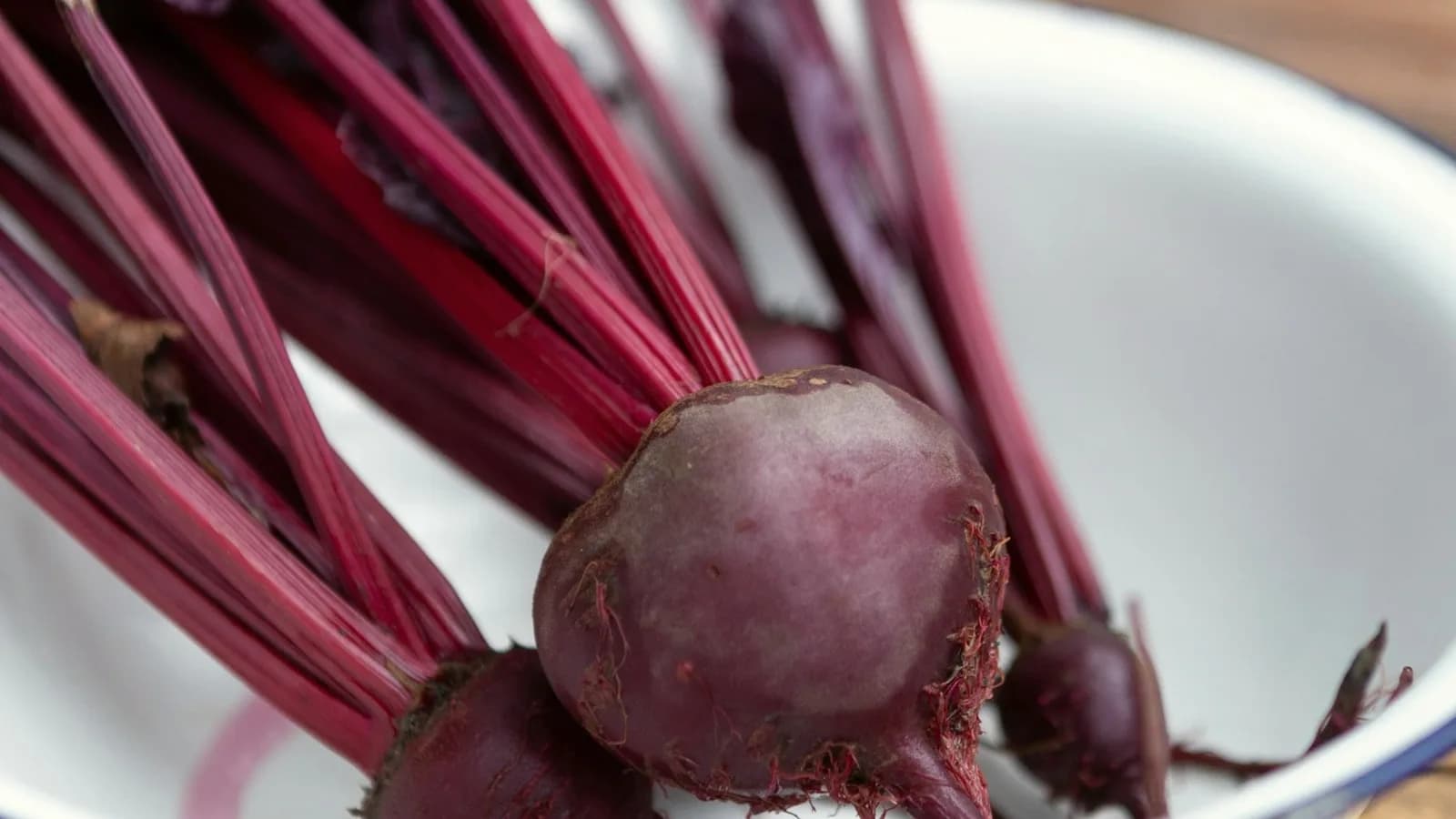
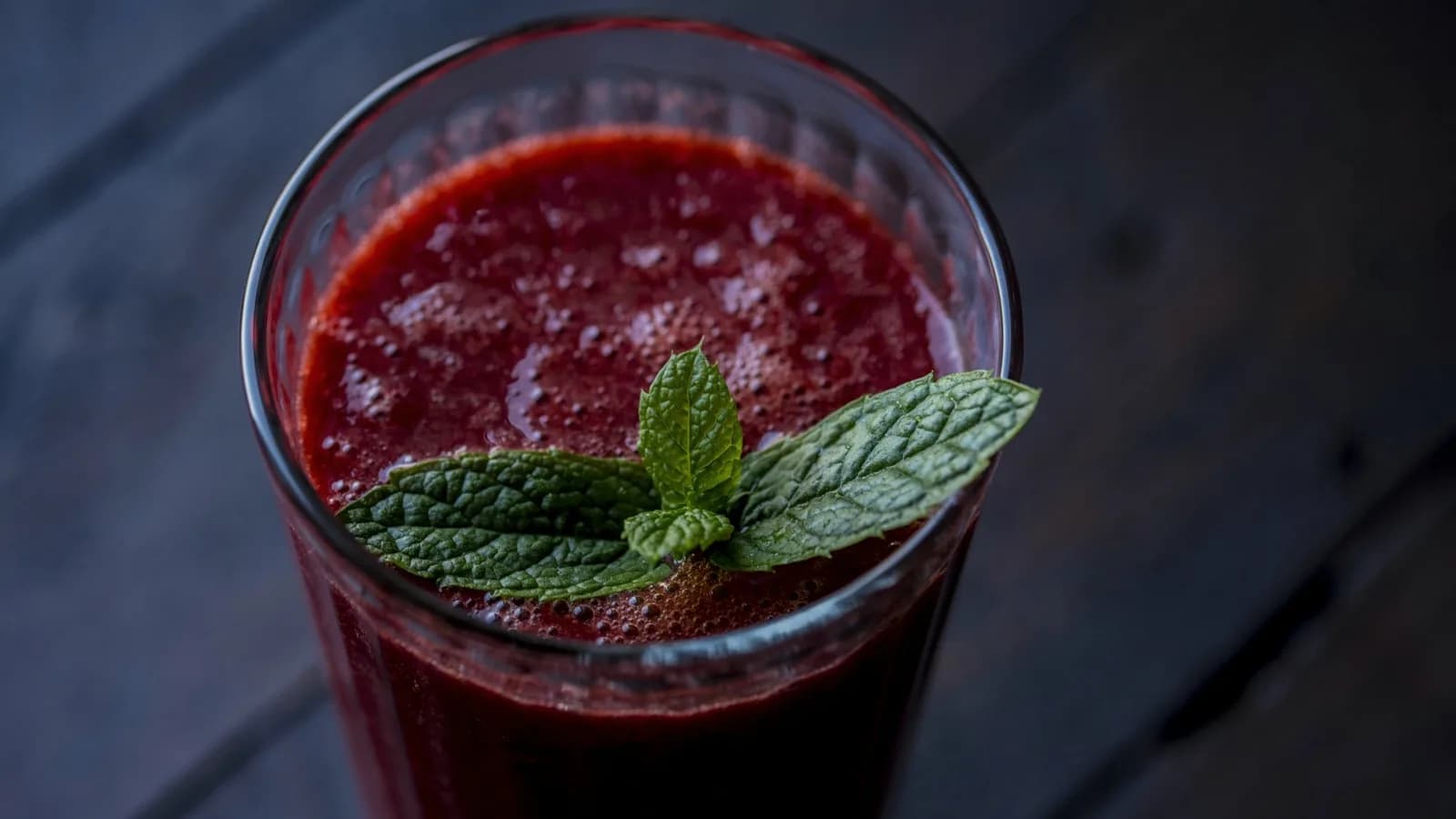
Beetroot juice and blood pressure is one of the better-studied pairings in nutrition research: dozens of small trials have asked whether drinking beetroot juice lowers blood pressure, and several meta-analyses have pooled the results. This guide to beetroot juice and blood pressure goes through what those reviews measured, how big the changes were, what the doses and timelines looked like, and where the evidence is still weak.
⚕️ Medical Disclaimer
This article is general information, not medical advice. Beetroot juice is not a treatment for high blood pressure and should not replace prescribed medicine. If you have high blood pressure, take blood pressure or nitrate-containing medicines, have kidney problems or kidney stones, or are pregnant, talk to your doctor before adding beetroot juice to your routine.
The short version
- A 2013 meta-analysis of 16 trials and 254 adults found that inorganic nitrate and beetroot juice lowered systolic blood pressure (the top number) by about 4.4 mmHg on average.
- A 2017 meta-analysis of 22 trials found a drop of about 3.55 mmHg in systolic and 1.32 mmHg in diastolic pressure. Effects were larger when people took it for 14 days or more and at higher doses.
- A 2024 meta-analysis in people with hypertension found a systolic drop of about 5.31 mmHg in clinic readings, but no clear effect on diastolic pressure or on 24-hour blood pressure, and the authors rated the certainty of the evidence as low.
- The trials are small and mostly short. They show a modest average change in the lab and clinic, not proof that beetroot juice prevents heart attacks or strokes.
Why beetroot juice and blood pressure are linked
Beetroot is rich in dietary nitrate. When you drink the juice, bacteria in the mouth and gut convert some of that nitrate into nitrite, and the body can then turn nitrite into nitric oxide. Nitric oxide relaxes blood vessels, and wider vessels mean lower resistance to blood flow. That is the main mechanism researchers point to, which is why many trials report blood levels of nitrate or nitrite alongside blood pressure.
Blood pressure is written as two numbers: systolic, the pressure when the heart beats, and diastolic, the pressure between beats. Most of the beetroot juice trials found the clearest changes in the systolic number. For background on how everyday habits move these numbers, see our guides to how to reduce cortisol levels naturally and the Mediterranean diet.
What the research shows about beetroot juice and blood pressure
The 2013 meta-analysis: the first big pooled result
Siervo and colleagues published one of the early pooled analyses in the Journal of Nutrition in 2013. It combined 16 randomized trials with 254 participants and compared inorganic nitrate or beetroot juice with a control. Systolic blood pressure fell by 4.4 mmHg (95 percent confidence interval 2.8 to 5.9). The drop in diastolic pressure was 1.1 mmHg, which was not statistically significant. The size of the daily nitrate dose was linked to the size of the systolic change.
The authors were careful about the limits. All of the included studies used a crossover design, the trials were small, with between 7 and 30 participants each, and the authors said the findings need to be tested in long-term trials and in people at higher cardiovascular risk.
The 2017 meta-analysis: dose and duration matter
Bahadoran and colleagues pooled 22 trials in a 2017 review in Advances in Nutrition, with 650 people in the beetroot juice groups and 598 in the control groups. Overall, systolic pressure was 3.55 mmHg lower and diastolic pressure 1.32 mmHg lower.
Two details stand out. Systolic pressure dropped by 5.11 mmHg when people took the juice for 14 days or longer, compared with 2.67 mmHg for shorter trials. And the highest doses gave a 4.78 mmHg drop compared with 2.37 mmHg at the lowest. The review also looked at trials that used nitrate-depleted beetroot juice as the placebo and found smaller effects there, which led the authors to suggest that something other than nitrate may contribute. They describe that explanation as only a possibility.
People with hypertension: a moderate drop, with caution
Two more recent reviews focused on people with raised blood pressure. Benjamim and colleagues, in Frontiers in Nutrition in 2022, pooled 7 studies with 218 participants and found a systolic drop of 4.95 mmHg. The diastolic change, 0.90 mmHg, was not clearly different from zero. The authors graded the certainty of the evidence as moderate.
Grönroos and colleagues, in Nutrition, Metabolism and Cardiovascular Diseases in 2024, pooled 11 trials with 349 patients using the European Society of Hypertension definitions. Clinic systolic blood pressure was 5.31 mmHg lower than with placebo (95 percent confidence interval 3.16 to 7.46). There was no significant effect on clinic diastolic pressure or on 24-hour blood pressure, and the authors described the certainty of the evidence as low and the results as needing cautious interpretation because the trials differed a lot from each other.
That difference between clinic readings and 24-hour readings matters. A drop that shows up a few hours after a drink may not last through the full day, which is what a 24-hour monitor measures.
Age may change the effect
Siervo and colleagues also ran an individual participant meta-analysis in 2015, in the journal Nitric Oxide, that pooled 4 trials with 85 older adults aged 55 to 76. Across all blood pressure outcomes the pooled effect was not significant. In people under 65, the variability of night-time systolic pressure fell by 2.8 mmHg, but in those 65 and older the change was only 1.0 mmHg and was not significant. This came from subgroup analyses in a small sample, so it is a hint and not a firm conclusion.
How the studies were done
Most of the trials gave beetroot juice, often about 250 to 500 millilitres a day, for anywhere from a few hours to several weeks. Many used a crossover design in which each person tried both the juice and a placebo. Many of the placebos were nitrate-depleted beetroot juice made to look and taste the same.
Some practical points that come up in the reviews:
- Dose. The size of the effect tended to follow the nitrate dose, so the juice and the amount of nitrate it contains matter more than the word beetroot on the label.
- Duration. Longer trials, of 14 days or more, showed larger systolic drops than shorter ones in the 2017 review.
- Who was studied. Some trials looked at healthy adults, others at people with raised blood pressure, and the findings for these groups were not identical.
What beetroot juice and blood pressure research cannot tell us
- It does not show a lasting effect. Most trials were short, and the 2024 review found no clear change in 24-hour blood pressure.
- It does not show fewer heart attacks or strokes. The trials measured blood pressure, not health events.
- The evidence is small and varied. The 2013 review included crossover trials of 7 to 30 people, and the 2024 review described the certainty of its findings as low.
- It does not replace medicine. A drop of about 4 to 5 mmHg in systolic pressure is modest compared with what prescribed treatment typically achieves.
- It is not a general answer for every group. A 2021 meta-analysis of beetroot juice in people with chronic obstructive pulmonary disease, a lung condition, found no significant difference from placebo in systolic or diastolic blood pressure.
What this means in practice
If you are a healthy adult and like beetroot juice, the research suggests that it can lower blood pressure a little, mainly the systolic number, and that taking it regularly for a couple of weeks may matter more than a single glass. If you have high blood pressure, the better use of the research is as a conversation starter with your doctor, not as a replacement for the plan you already have.
Some things are worth knowing before you try it. Beetroot juice is high in natural sugars, so a large daily glass adds calories, and juice does not give you the fibre of whole beetroot. It can turn urine or stools pink or red, which is harmless in most people. Beetroot is also high in oxalates, which is a reason people prone to kidney stones are usually advised to ask their doctor first. For more everyday blood pressure support, regular movement such as walking and better fitness, which we cover in our guide to VO2 max, have far stronger evidence behind them.
Bottom line
Across meta-analyses of randomized trials, beetroot juice lowered systolic blood pressure by roughly 3.5 to 5 mmHg on average, with a smaller and less certain effect on diastolic pressure, and larger changes with higher doses and longer use. The evidence is small and of low to moderate certainty, and it comes from short trials. Beetroot juice looks like a reasonable food-based extra for some adults, not a replacement for medical care.
Sources
[Grönroos et al., "Effects of beetroot juice on blood pressure in hypertension according to European Society of Hypertension Guidelines: A systematic review and meta-analysis," Nutr Metab Cardiovasc Dis, 2024. PMID: 39069465] [Bahadoran et al., "The Nitrate-Independent Blood Pressure-Lowering Effect of Beetroot Juice: A Systematic Review and Meta-Analysis," Adv Nutr, 2017. PMID: 29141968] [Benjamim et al., "Nitrate Derived From Beetroot Juice Lowers Blood Pressure in Patients With Arterial Hypertension: A Systematic Review and Meta-Analysis," Front Nutr, 2022. PMID: 35369064] [Siervo et al., "Inorganic nitrate and beetroot juice supplementation reduces blood pressure in adults: a systematic review and meta-analysis," J Nutr, 2013. PMID: 23596162] [Siervo et al., "Ageing modifies the effects of beetroot juice supplementation on 24-hour blood pressure variability: An individual participant meta-analysis," Nitric Oxide, 2015. PMID: 25937622] [Alshafie et al., "Efficacy of dietary nitrate-rich beetroot juice supplementation in patients with chronic obstructive pulmonary disease (COPD): A systematic review and meta-analysis," Clin Nutr ESPEN, 2021. PMID: 33745600]Frequently Asked Questions
Does beetroot juice lower blood pressure?
On average, yes, by a small amount. Meta-analyses of randomized trials found systolic blood pressure (the top number) was lower by about 3.5 to 5 mmHg, with a smaller and less certain change in diastolic pressure. The certainty of the evidence ranges from low to moderate, and the trials were small and short.
How much beetroot juice should you drink for blood pressure?
The research does not give a single proven dose. A 2017 meta-analysis found that the highest doses gave a larger systolic drop (4.78 mmHg) than the lowest (2.37 mmHg), and the effect followed the amount of nitrate in the juice. Check the label for nitrate content and ask your doctor what is suitable for you.
How long does beetroot juice take to lower blood pressure?
Some trials measured changes within hours of a single drink, but the 2024 meta-analysis found no clear effect on 24-hour blood pressure. In a 2017 review, trials of 14 days or longer showed a larger systolic drop (5.11 mmHg) than shorter ones (2.67 mmHg), so regular use appears to matter more than a one-off glass.
Is beetroot juice as good as blood pressure medicine?
No. A drop of roughly 4 to 5 mmHg in systolic pressure is modest, and the trials did not measure heart attacks or strokes. Beetroot juice should not replace prescribed medicine. If you take blood pressure medicine or nitrate-containing medicines, check with your doctor before adding it.
Does beetroot juice work for everyone?
Not necessarily. A 2015 individual participant analysis found that the effect on night-time blood pressure variability was seen in people under 65 but not clearly in those aged 65 and older, though the sample was small. A 2021 meta-analysis in people with COPD found no significant difference from placebo in blood pressure.
Are there side effects of drinking beetroot juice?
Beetroot juice can turn urine or stools pink or red, which is usually harmless. It also contains natural sugars and is high in oxalates, so people prone to kidney stones or with kidney problems should ask a doctor first. The herbal supplement review we looked at also noted possible digestive side effects with some supplements.
Rate this article
Click on a star to rate this article
Keep Reading
Electrolytes: What the Research Shows
Electrolytes explained: what trials found for sports drinks, thirst, rehydration solutions and blood pressure, and who should not take supplements blindly.
Read article →
nutritionIBS Diet: What to Eat, What to Limit and What the Evidence Says
An evidence-based IBS diet: how to run a low FODMAP trial, why psyllium beats bran, peppermint oil, exercise, a sample day of meals, and red-flag symptoms.
Read article →
nutritionGlycemic Variability: Why Energy Crashes at 3pm
Your 3pm slump is glycemic variability, not just fatigue. See what CGM data reveals and the 4-step plate that flattens your blood sugar curve.
Read article →

Vitality & Strength Editorial Team
Independent research synthesists — not licensed clinicians
Independent health writers and research synthesists. We are not doctors or registered dietitians; every claim we publish is sourced and linked to primary research, and we take no affiliate or industry money.