IBS Diet: What to Eat, What to Limit and What the Evidence Says
An evidence-based IBS diet: how to run a low FODMAP trial, why psyllium beats bran, peppermint oil, exercise, a sample day of meals, and red-flag symptoms.
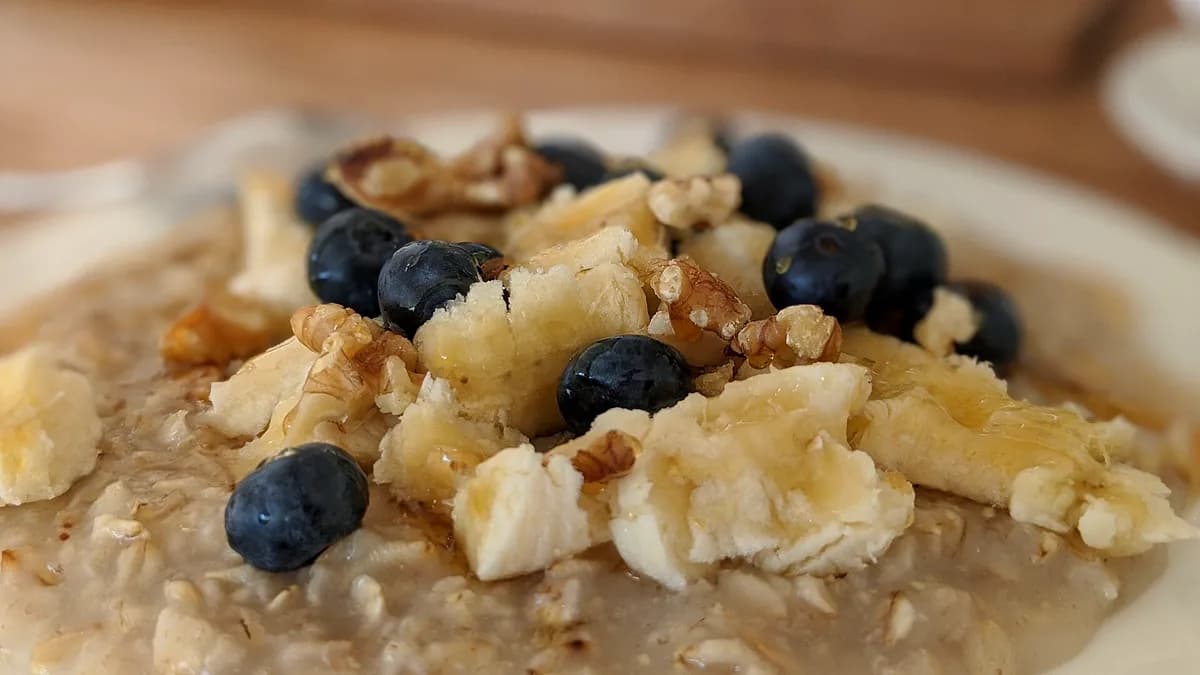
If your gut has a mind of its own, you are far from alone, and the right IBS diet can make a real difference. A large 2020 analysis covering more than 400,000 adults across dozens of countries put the global prevalence of irritable bowel syndrome at about 4 to 9 percent, depending on which diagnostic criteria were used. That is a lot of people quietly planning their day around the nearest bathroom.
The good news is that food is one of the most useful levers you have, which is why an IBS diet is usually the first thing doctors and dietitians discuss. The less good news is that most online advice is a long list of "bad foods" with no explanation of why, how long to avoid them, or what the research actually supports. This guide fixes that.
⚕️ Medical Disclaimer
This article is for general education and is not medical advice. IBS is diagnosed after other conditions are ruled out. If you have not been diagnosed, or your symptoms change, speak to a doctor before changing your diet. A registered dietitian is the best guide for an elimination diet.
The short answer: what a good IBS diet looks like
For most people with IBS, the best-supported plan looks like this:
- Get a proper diagnosis first, so you are not treating coeliac disease, inflammatory bowel disease or something else with a diet.
- Start with basics: regular meals, smaller portions, less alcohol, fewer fizzy drinks and less very fatty or spicy food if they bother you.
- If symptoms persist, run a short low FODMAP trial, ideally with a dietitian, then reintroduce foods to find your personal triggers.
- Use the right fibre: soluble fibre such as psyllium tends to help; coarse wheat bran often does not.
- Add proven non-food helpers: regular physical activity, stress management, and possibly enteric-coated peppermint oil.
The rest of this article explains each step and how to do it without ending up on a needlessly tiny diet.
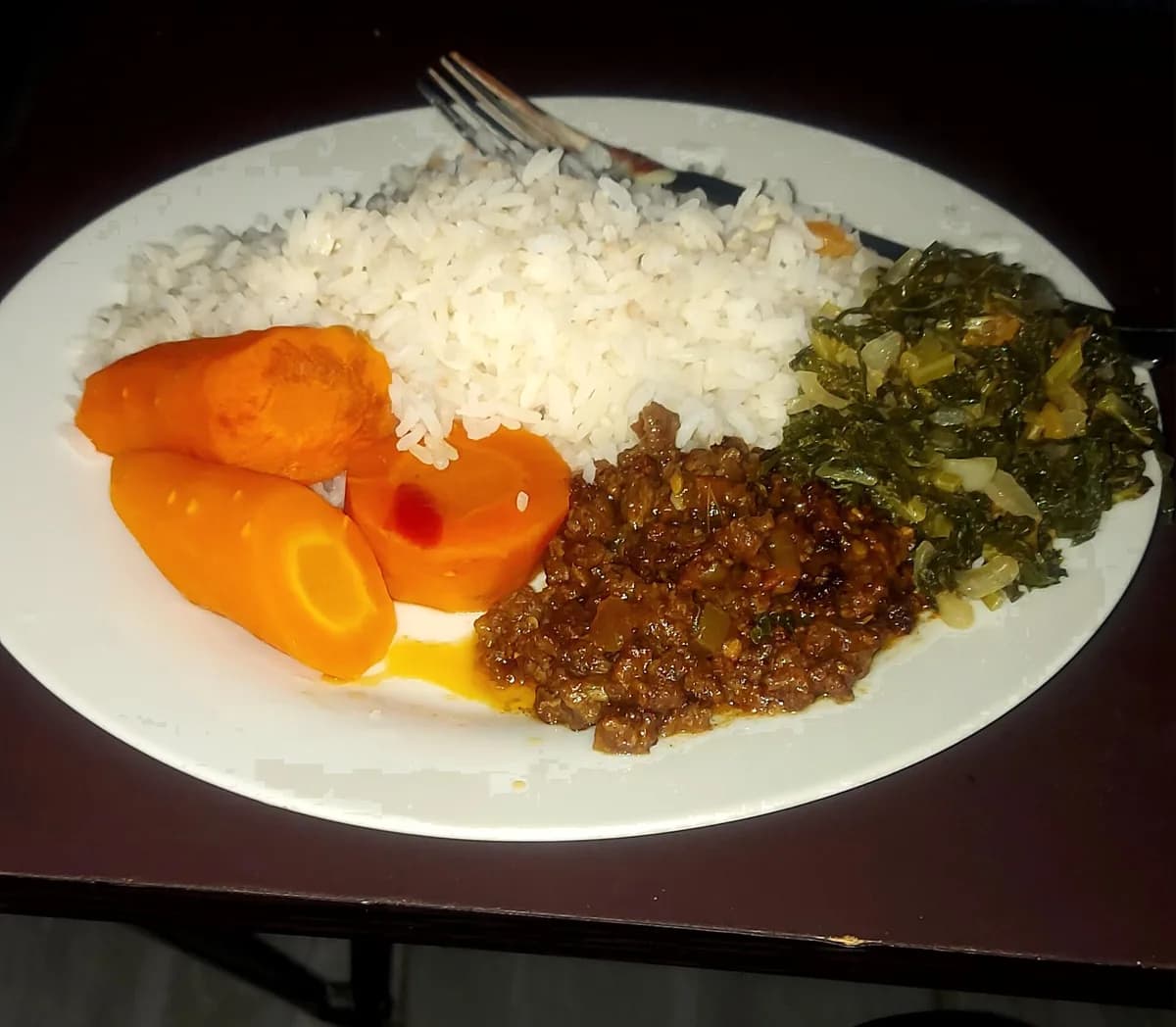
Photo: "A balanced garden meal" by Deborah Tjituka, CC BY-SA 4.0, via Wikimedia Commons. Colour-graded.

Why food affects IBS at all
IBS is a disorder of gut-brain interaction. The bowel of someone with IBS is often more sensitive to stretching and gas, and the signalling between gut and brain is turned up. Food does not usually cause the condition, but it can trigger symptoms in two main ways:
- Fermentation and water. Certain short-chain carbohydrates are poorly absorbed in the small intestine. They draw water into the bowel and are fermented by gut bacteria, producing gas. In a sensitive gut, that extra stretch shows up as bloating, pain and urgency.
- Volume, fat and timing. Large meals, high-fat meals, alcohol and caffeine can speed up or exaggerate the normal gut response to eating.
Those fermentable carbohydrates are what the acronym FODMAP stands for: fermentable oligosaccharides, disaccharides, monosaccharides and polyols.
Step one: rule out other causes
Before any diet, it is worth confirming the diagnosis. Coeliac disease, inflammatory bowel disease, thyroid problems, bile acid diarrhoea and, less commonly, bowel cancer can all look like IBS. A blood test for coeliac disease should be done while you are still eating gluten, because cutting it first can make the test falsely negative.
Red-flag symptoms: see a doctor promptly
- Blood in your stool or black, tarry stools
- Unexplained weight loss
- Anaemia or unusual tiredness
- Symptoms that wake you from sleep
- A new, lasting change in bowel habit after about age 50
- Fever or persistent vomiting
- A family history of bowel cancer, coeliac disease or inflammatory bowel disease
These are not IBS features and deserve a proper check.
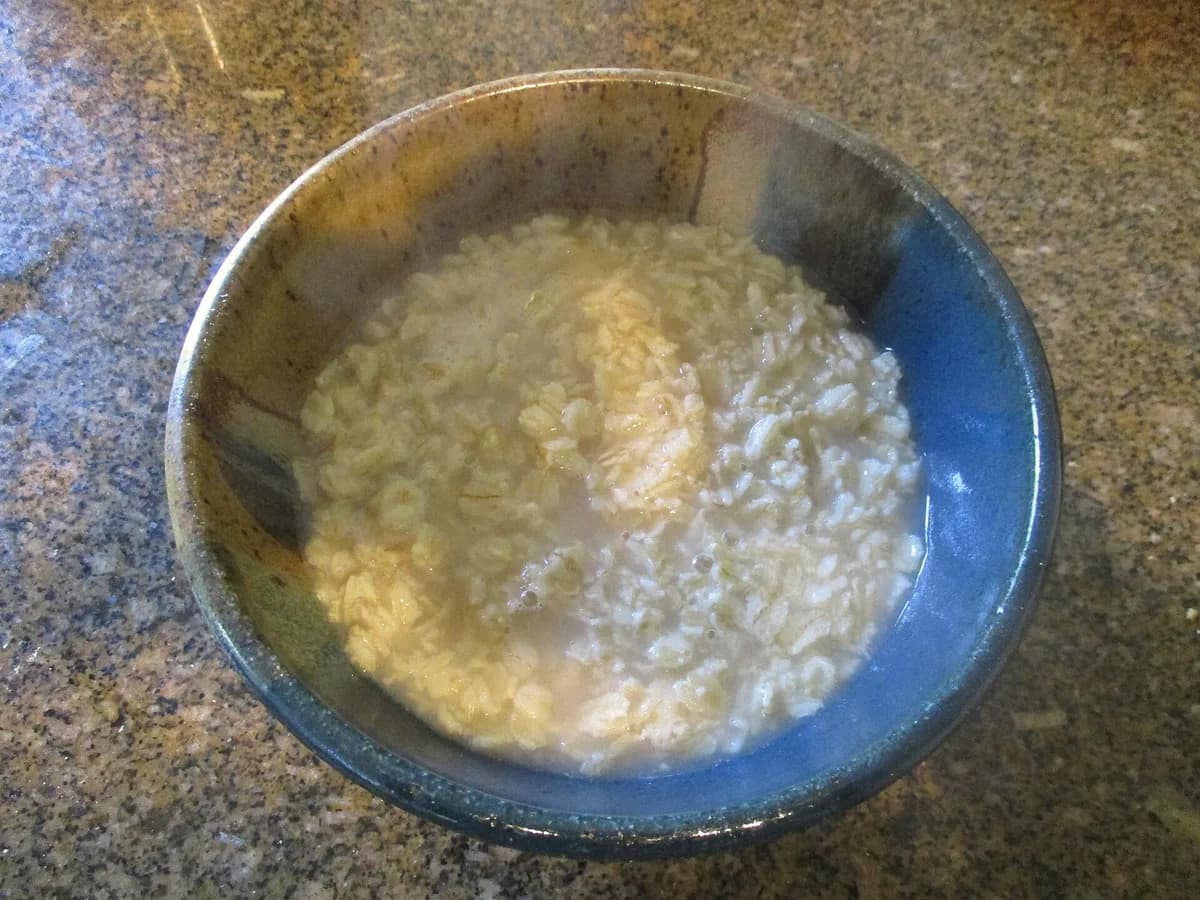
Photo: "Cooked oatmeal in bowl" by Bodhi Peace, CC BY-SA 4.0, via Wikimedia Commons. Colour-graded.

Step two: the everyday basics
Many people improve with simple habits before trying anything restrictive:
- Eat at regular times and avoid skipping meals, then overloading later.
- Go smaller and slower. Smaller meals and unhurried eating reduce the load on a sensitive gut.
- Watch alcohol, caffeine and fizzy drinks. Not everyone reacts, but they are common culprits.
- Notice fatty and very spicy meals. Try smaller portions before cutting them out entirely.
- Limit sugar-free sweets and gum containing sorbitol, mannitol or xylitol. These polyols are a classic, easily missed trigger.
- Drink enough water, especially if you are adding fibre.
Before changing your IBS diet further, keep a simple two-week food and symptom diary. Note what you ate, portion size, stress level, sleep and symptoms. Patterns are often clearer on paper than in memory.
Step three: a low FODMAP IBS diet trial, done properly
The low FODMAP diet has the strongest evidence of any IBS diet approach. In a well-known randomised crossover trial from Monash University, 30 people with IBS ate either a low FODMAP diet or a typical Australian diet for three weeks each, with almost all food provided. Overall symptom scores were roughly halved on the low FODMAP diet, with less bloating, pain and wind. The American College of Gastroenterology now suggests a limited low FODMAP trial for global IBS symptoms.
The key word is limited. It is a short diagnostic process, not a lifelong diet. It has three phases.
Phase 1: elimination (2 to 6 weeks)
Swap high FODMAP foods for lower FODMAP alternatives. Common examples:
| Food group | Often high FODMAP | Lower FODMAP swaps |
|---|---|---|
| Vegetables | Onion, garlic, cauliflower, mushrooms | Carrot, courgette, spinach, peppers, green parts of spring onion |
| Fruit | Apple, pear, mango, watermelon | Banana (firm), blueberries, oranges, kiwi, grapes |
| Dairy | Regular milk, soft cheese, yoghurt | Lactose-free milk and yoghurt, hard cheeses |
| Grains | Wheat and rye in larger amounts | Oats, rice, quinoa, sourdough spelt, gluten-free bread |
| Protein | Many beans and lentils | Eggs, tofu, fish, chicken, small portions of canned lentils |
| Sweeteners | Honey, agave, sorbitol, xylitol | Maple syrup, table sugar in small amounts |
Portion size matters: many foods are fine in small amounts and only become a problem in larger servings. The Monash University FODMAP app is the most detailed reference for portions.
Phase 2: reintroduction (6 to 8 weeks)
If your symptoms improved, test one FODMAP group at a time over three days with increasing portions, then return to the base diet for a few days before the next test. You are looking for which groups you react to and at what dose.
If symptoms did not improve after a fair trial, stop the diet. FODMAPs are probably not your main trigger, and staying restricted brings no benefit.
Phase 3: personalisation
Bring back everything you tolerate. Most people end up avoiding only one or two groups, often in large portions only.
Why not just stay low FODMAP?
Many FODMAPs feed beneficial gut bacteria. Long, unnecessary restriction can reduce the variety of your diet and may affect your gut microbiome. It can also be risky for anyone with a history of disordered eating, who should only attempt this with professional support.
Step four: the right fibre for your IBS diet
Fibre advice for IBS confuses a lot of people, because fibre can help or hurt depending on the type.
A 2014 meta-analysis of 14 randomised trials with 906 patients found that fibre overall improved IBS symptoms, but the benefit came from soluble fibre. Psyllium-type fibre helped, with roughly one extra person improving for every seven treated. Wheat bran showed no clear benefit.
Practical takeaways:
- Psyllium husk is the best-studied option. Start with about half a teaspoon a day in a large glass of water and build up over a few weeks.
- Oats, chia seeds, carrots, oranges and kiwi are food sources of gentler fibre that suit most people.
- Go slowly. A sudden jump in fibre usually means more gas for a week or two.
- Be cautious with bran-heavy cereals if they seem to make bloating worse.
For more on how fibre shapes your gut bacteria, see our guide to how 30 g of fibre a day changes your gut microbiome.
Step five: evidence-backed helpers beyond the plate
Peppermint oil
Peppermint oil relaxes the smooth muscle of the gut. A 2019 meta-analysis of 12 randomised trials with 835 patients found enteric-coated capsules clearly improved both overall symptoms and abdominal pain compared with placebo, with side effects similar to placebo. It can worsen heartburn, and as a supplement it varies in quality, so choose an enteric-coated product and check with a pharmacist if you take other medication.
Physical activity
In a Swedish randomised trial, adults with IBS who were coached to do 20 to 60 minutes of moderate activity three to five days a week reported significantly better symptom scores after 12 weeks than a control group, and their symptoms were less likely to get worse. Walking, cycling and swimming all count.
Stress and the gut-brain axis
Stress does not "cause" IBS, but it reliably amplifies symptoms. Gut-directed hypnotherapy and cognitive behavioural therapy have good evidence and are recommended in major guidelines. Even daily breathing exercises or a short walk after meals can help. Our article on the gut-brain connection goes deeper.
Probiotics
Results are mixed and strain-specific, and guidelines do not currently recommend them routinely for IBS. If you try one, choose a single product, give it four weeks, and stop if nothing changes. Our guide to probiotics and prebiotics explains the difference.
Tailoring your IBS diet by IBS type
- IBS with constipation (IBS-C): prioritise soluble fibre, water and movement. Kiwi fruit, two a day, is a well-tolerated food option many people find helpful.
- IBS with diarrhoea (IBS-D): regular meals, less caffeine and alcohol, and a low FODMAP trial are often most useful. Avoid large amounts of polyol sweeteners.
- Mixed IBS (IBS-M): a food diary is especially useful, since triggers can differ from week to week.
A sample IBS diet day (low FODMAP phase)
This is an example during the elimination phase, not a fixed plan:
- Breakfast: porridge made with oats and lactose-free milk, topped with blueberries and a teaspoon of maple syrup.
- Snack: a firm banana and a handful of walnuts.
- Lunch: rice salad with grilled chicken, spinach, cucumber, carrot, olive oil and lemon.
- Snack: lactose-free yoghurt with a sprinkle of chia seeds.
- Dinner: baked salmon, roasted potatoes and courgette with herbs instead of garlic and onion.
- Drinks: water, peppermint tea, one coffee if tolerated.
Common IBS diet mistakes to avoid
- Cutting out many foods at once without a plan, then never reintroducing them.
- Going gluten-free before being tested for coeliac disease.
- Adding a large amount of fibre overnight.
- Assuming every symptom is food-related and ignoring stress, sleep and activity.
- Ignoring red-flag symptoms because "it is probably just IBS".
The bottom line
IBS is common and very real, but it is manageable, and a well-planned IBS diet is one of the most effective tools you have. Start with a diagnosis and simple habits. If symptoms persist, a short, structured low FODMAP trial with careful reintroduction has the best evidence, ideally with a dietitian. Pair it with the right fibre, regular movement and attention to stress, and consider peppermint oil. The goal is not the strictest diet possible. It is the most varied diet your gut is comfortable with.
Frequently Asked Questions
What is the best diet for IBS?
There is no single IBS diet, but a short, structured low FODMAP trial followed by careful reintroduction has the strongest evidence. Guidelines recommend doing it with a dietitian where possible, and adding soluble fibre such as psyllium if constipation or mixed symptoms are a problem.
How long should I stay on a low FODMAP diet?
The strict elimination phase usually lasts two to six weeks. If symptoms improve, foods are brought back one FODMAP group at a time to find personal triggers. The long-term goal is the widest diet you can tolerate, not permanent restriction.
Is fibre good or bad for IBS?
It depends on the type. Soluble fibre, especially psyllium, helped IBS symptoms in a meta-analysis of randomised trials, while wheat bran did not. Increase fibre slowly and drink enough water.
Does peppermint oil help IBS?
Enteric-coated peppermint oil capsules improved overall symptoms and abdominal pain compared with placebo in a 2019 meta-analysis of 12 trials. It can worsen heartburn in some people, and it is a supplement, so check with a pharmacist if you take other medicines.
Can exercise help IBS symptoms?
Yes. In a randomised trial, people with IBS who increased moderate physical activity reported clearly better symptom scores after 12 weeks than those who kept their usual routine.
When should IBS-like symptoms be checked by a doctor?
See a doctor promptly for blood in the stool, unexplained weight loss, anaemia, symptoms that wake you at night, a new change in bowel habit after age 50, fever, or a family history of bowel cancer, coeliac disease or inflammatory bowel disease.
Sources
[Oka P, et al. Global prevalence of irritable bowel syndrome according to Rome III or IV criteria: a systematic review and meta-analysis. Lancet Gastroenterol Hepatol. 2020;5(10):908-917. PMID: 32702295. View on PubMed
] [Halmos EP, et al. A diet low in FODMAPs reduces symptoms of irritable bowel syndrome. Gastroenterology. 2014;146(1):67-75. PMID: 24076059. View on PubMed
] [Lacy BE, et al. ACG Clinical Guideline: Management of Irritable Bowel Syndrome. Am J Gastroenterol. 2021;116(1):17-44. PMID: 33315591. View on PubMed
] [Moayyedi P, et al. The effect of fiber supplementation on irritable bowel syndrome: a systematic review and meta-analysis. Am J Gastroenterol. 2014;109(9):1367-1374. PMID: 25070054. View on PubMed
] [Alammar N, et al. The impact of peppermint oil on the irritable bowel syndrome: a meta-analysis of the pooled clinical data. BMC Complement Altern Med. 2019;19(1):21. PMID: 30654773. View on PubMed
] [Johannesson E, et al. Physical activity improves symptoms in irritable bowel syndrome: a randomized controlled trial. Am J Gastroenterol. 2011;106(5):915-922. PMID: 21206488. View on PubMed
]Rate this article
Click on a star to rate this article
Keep Reading
Electrolytes: What the Research Shows
Electrolytes explained: what trials found for sports drinks, thirst, rehydration solutions and blood pressure, and who should not take supplements blindly.
Read article →
nutritionGlycemic Variability: Why Energy Crashes at 3pm
Your 3pm slump is glycemic variability, not just fatigue. See what CGM data reveals and the 4-step plate that flattens your blood sugar curve.
Read article →
nutritionAnti-Inflammatory Diet: 7 Foods That Lower CRP
Build an anti-inflammatory diet around seven foods with documented effects on NF-kB, COX-2, and CRP, plus the everyday amounts that matter.
Read article →

Vitality & Strength Editorial Team
Independent research synthesists — not licensed clinicians
Independent health writers and research synthesists. We are not doctors or registered dietitians; every claim we publish is sourced and linked to primary research, and we take no affiliate or industry money.