Mouth Taping for Sleep: What the Research Shows
Mouth taping for sleep explained: what studies found for snoring and sleep apnea, how small the evidence is, who should avoid it, and what to try first.

Mouth taping for sleep is one of the most shared sleep trends online, but the research is thin and the safety questions are real. The idea is simple: a strip of tape over the lips keeps the mouth closed overnight so you breathe through your nose. This guide to mouth taping for sleep goes through what the published studies actually found, how small they were, who has more to lose than to gain, and what to try first if your real problem is snoring, a blocked nose or poor sleep.
⚕️ Medical Disclaimer
This article is general information, not medical advice. Do not tape your mouth if your nose is blocked, if you have or suspect sleep apnea, asthma, a lung condition, reflux or a tendency to vomit, if you have been drinking alcohol or taking sedatives, or if you are giving it to a child. Snoring, gasping, choking at night and heavy daytime sleepiness are reasons to see a doctor, not to try a social media hack.
The short version
- A 2025 systematic review in PLoS One found only 10 studies of mouth taping, with 213 patients in total. Two showed a statistically significant improvement in sleep apnea measures and the others found no difference.
- The best-known positive result is a small 2022 study of 20 people with mild sleep apnea who were already mouth breathers. Their median apnea-hypopnea index (AHI) fell from 8.3 to 4.7 events per hour over one week of taping.
- That study had no control group and ran for a short time, so it cannot tell us whether mouth taping for sleep helps healthy people or lasts.
- A 2025 scoping review found 177 studies and only nine that met its criteria, while the most common claims on TikTok, such as better sleep and oral health, had rarely been tested.
- The reviewers warn of potential harm, including a risk of asphyxiation when the nose is blocked.
- If you want to breathe better at night, treating a blocked nose and checking for sleep apnea are safer first steps than tape.
Why people try mouth taping for sleep
Most people try mouth taping for sleep because they wake with a dry mouth, snore, or have read that nose breathing is healthier. Breathing through the nose does filter and humidify air, and many people with mild sleep-disordered breathing breathe through the mouth at night. The leap from "nose breathing is normal" to "taping my lips shut will fix my sleep" is where the evidence gets weak.
The trend grew mainly through video platforms. The 2025 scoping review in the American Journal of Otolaryngology looked at the medical literature and at the first 50 qualifying TikTok videos on the topic. The most common claims in those videos were better sleep and better oral health, and the authors noted that few of these claims had been evaluated in studies.
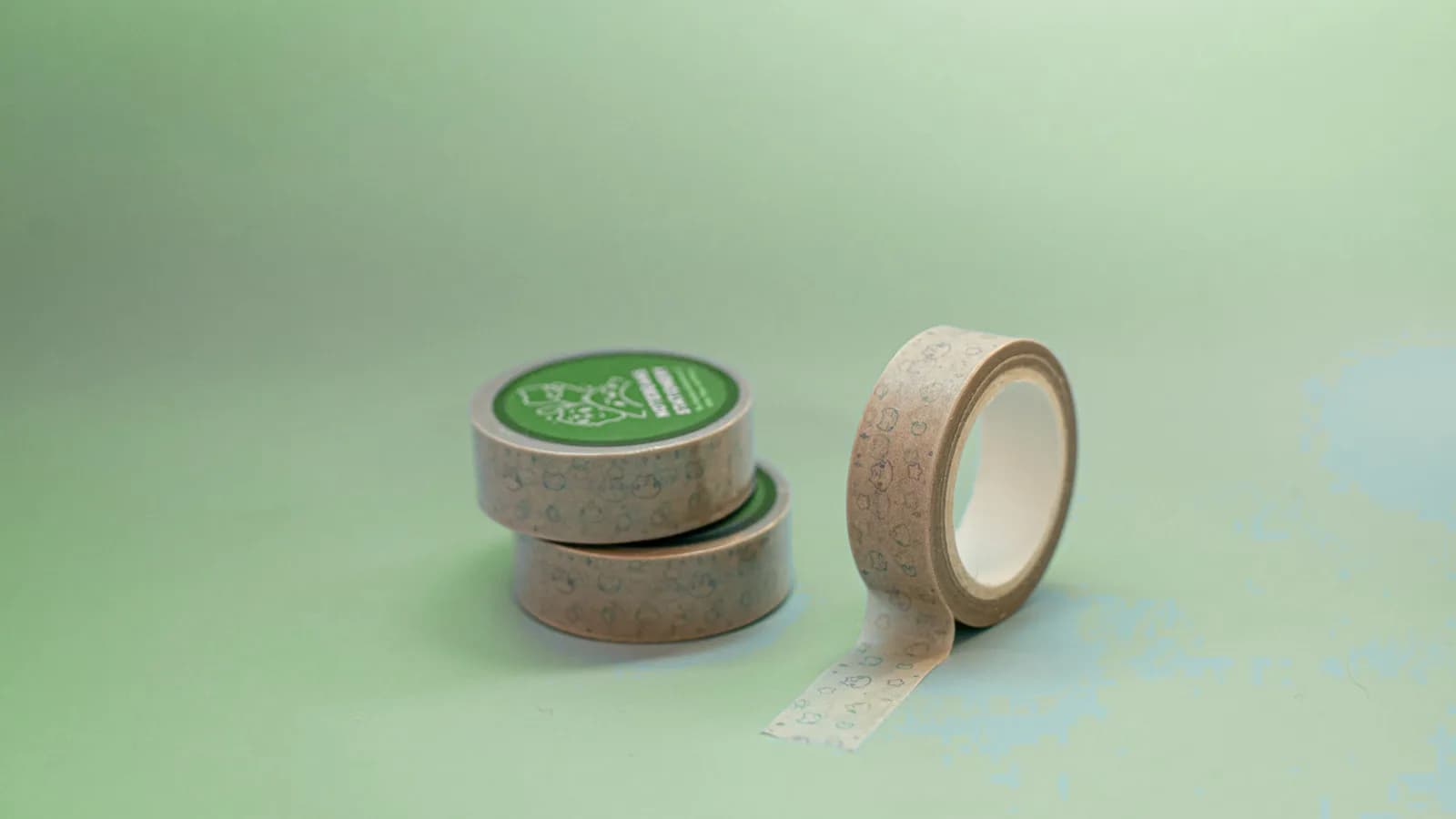
What the research shows about mouth taping for sleep
The systematic review
The most complete summary is the 2025 PLoS One systematic review by Rhee and colleagues. The authors searched MEDLINE, Embase and Google Scholar for studies from 1999 to 2024. After screening, 10 studies with 213 patients were included. Two of them showed a statistically significant improvement in measures of sleep apnea such as the AHI or oxygen desaturations. The others found no difference, and some described risks. Many of the studies had excluded people with nasal obstruction or other nasal problems. The authors concluded that indiscriminate use carries a potentially serious risk of harm and that more research is needed.
The small positive study
The study that is quoted most often is a 2022 preliminary study in the journal Healthcare. It enrolled 20 mouth breathers with mild obstructive sleep apnea. Each person had a home sleep test at baseline and a second one a week later with the mouth taped using 3M silicone hypoallergenic tape. Thirteen of the 20 (65%) were "responders", meaning their snoring index fell by at least half.
The numbers moved in the right direction. The median AHI fell from 8.3 to 4.7 events per hour (a 47% reduction), and the median snoring index fell from 303.8 to 121.1 events per hour. The oxygen desaturation index improved from 8.7 to 5.8, and the lowest oxygen saturation rose from 82.5% to 87%. Mean oxygen saturation did not change significantly. The authors suggested mouth taping might be an alternative for mild sleep apnea before CPAP or surgery, but they described the work as preliminary because it was small, short and uncontrolled.
What other reviews added
A 2026 systematic review and meta-analysis in OTO Open looked at nasal obstruction and sleep apnea. It found that nasal obstruction was associated with an AHI that was higher by 13.78 events per hour and an oxygen desaturation index higher by 7.45 events per hour. For mouth taping it narratively reviewed only two studies, and these found a lower AHI in people with mild sleep apnea. The authors pointed out that the studies differed too much to generalise.
The scoping review mentioned above reached a similar picture. Of nine studies that met its criteria, two found significant improvements in sleep apnea measures: one with tape alone and one with tape plus a mandibular advancement device. One non-apnea study reported less snoring when taping was combined with other measures, an asthma study found no benefit, and one study found that tape reduced mouth leak during bilevel ventilation. The authors described the literature as varied, with little consensus.

Why mouth breathing happens
A 2023 study in Sleep and Breathing used video recording to detect "mouth puffing" in 10 people who had a sleep study. Intermittent mouth puffing was seen in 38% of people with severe sleep apnea, 65% of people with mild to moderate sleep apnea and 95% of the controls. That tells us that some mouth opening during sleep is common even in people without sleep apnea, so it is not automatically a problem that needs taping shut.
The 2026 meta-analysis gives the more important clue. If nasal obstruction is linked with a much higher AHI, then a blocked nose may be the thing to fix. Closing the mouth over a nose that cannot carry the air is exactly the situation the systematic review flags as dangerous.
Who should not try mouth taping for sleep
The reviews and commentaries do not give a checklist, but they point to groups where the risk is clearest. Based on the safety concerns in the systematic review, do not use tape if any of these apply:
- Your nose is blocked or you often have congestion. The systematic review linked mouth taping with a risk of asphyxiation when the nose is obstructed.
- You have, or may have, obstructive sleep apnea. Loud snoring, witnessed pauses in breathing and heavy daytime sleepiness need testing, and a 2024 commentary in JAMA Otolaryngology asked whether mouth taping and sleep apnea therapies should be regulated at all.
- You have asthma or another breathing condition. One asthma study in the scoping review found no benefit.
- You have been drinking alcohol or taking sleeping pills. These can make it harder to wake and react if breathing is difficult. This is a general safety point, not a finding from a mouth taping trial.
- The sleeper is a child. None of the studies we reviewed supports it.
If you tape and then feel panicky, short of breath or unable to breathe comfortably through the nose, remove the tape and stop.
What to try first for night-time breathing and sleep
If the real aim is better sleep, these steps have more behind them than tape and carry less risk:
- Find out why you mouth breathe. Persistent congestion, allergies, a deviated septum or enlarged tonsils are medical questions that a doctor or ear, nose and throat specialist can assess.
- Ask about a sleep test. If you snore loudly, gasp or feel unrefreshed, ask about sleep apnea testing. A 2025 study in Sleep Medicine examined mouth taping alongside positive airway pressure therapy in severe sleep apnea; we could not read its abstract, so we do not quote its numbers, but it shows that researchers study tape as an add-on to treatment, not a replacement for it.
- Work on the basics. Our guide to improving sleep quality naturally covers a regular schedule, light and caffeine, and the piece on sleep architecture explains why deep sleep and REM compete across the night.
- Get morning light. Ten minutes of morning sunlight helps anchor your body clock.
- Look at supplements with care. Our reviews of magnesium for sleep and melatonin explain what trials do and do not show.
What the research does not show
- It does not show that mouth taping for sleep improves sleep in healthy people without sleep apnea. The positive studies were in people with mild sleep apnea who already breathed through the mouth.
- It does not show that the benefit lasts beyond the length of the studies, which were short.
- It does not show that mouth taping is safe for everyone. Reviewers warn about harm when the nose is blocked, and no large safety trial exists.
- It does not show that mouth taping improves oral health, which is one of the most common claims on social media.
- It does not show that tape is better than established treatments such as CPAP or a mandibular advancement device.
Sources
[Rhee et al., "Systematic review of mouth taping's safety and efficacy in mouth breathing, sleep-disordered breathing, and OSA," PLoS One, 2025. PMID: 40397877] [Lee et al., "Preliminary study of mouth taping in mouth breathers with mild obstructive sleep apnea," Healthcare (Basel), 2022. PMID: 36141367] [Fangmeyer et al., "Scoping review of nocturnal mouth taping and social media evidence," Am J Otolaryngol, 2025. PMID: 39662104] [Alshehri et al., "Nasal obstruction and mouth taping effects on sleep apnea indicators: meta-analysis," OTO Open, 2026. PMID: 42662994] [Jau et al., "Video observation of mouth puffing in obstructive sleep apnea patients," Sleep Breath, 2023. PMID: 35277783] [Chadwick and Huang, "Commentary on whether mouth taping and OSA therapies should be regulated," JAMA Otolaryngol Head Neck Surg, 2024. PMID: 39361319] [Sumner and Cano, "Mouth taping with PAP therapy in severe OSA," Sleep Med, 2025. PMID: 40132384]Frequently Asked Questions
Does mouth taping for sleep work?
The evidence is limited. A 2025 systematic review of 10 studies with 213 patients found that two showed a statistically significant improvement in sleep apnea measures and the others found no difference. The best-known positive study had only 20 people with mild sleep apnea and no control group, so it does not show that mouth taping for sleep works for most people.
Is mouth taping safe?
Not for everyone. The 2025 systematic review described a potentially serious risk of harm from indiscriminate use, including asphyxiation when the nose is obstructed. Many studies excluded people with nasal problems. Do not tape your mouth if your nose is blocked, if you may have sleep apnea, or if you have a breathing condition, and stop if you feel any difficulty breathing.
Can mouth taping cure sleep apnea?
No study we reviewed shows a cure. In a 2022 study of 20 mouth breathers with mild sleep apnea, the median AHI fell from 8.3 to 4.7 events per hour after a week of taping, which is still not zero. Sleep apnea needs a proper diagnosis, and treatments such as CPAP or a mandibular advancement device have much more evidence behind them.
Does mouth taping stop snoring?
It may reduce snoring in some people who already breathe through the mouth. In the 2022 study, the median snoring index fell from 303.8 to 121.1 events per hour and 13 of 20 people (65%) were responders. The study was small, uncontrolled and lasted a week, so loud snoring should still be checked by a doctor.
What tape do people use for mouth taping?
The 2022 study used 3M silicone hypoallergenic tape. We do not recommend copying this at home, because the study was supervised and limited to people with mild sleep apnea who were mouth breathers. Social media suggestions vary, and none of the reviews we read tested different products or found a best choice.
What should I do instead of mouth taping?
Start by finding out why you breathe through your mouth at night. A blocked nose, allergies or a possible sleep apnea problem are things to raise with a doctor. Sleep basics such as a regular schedule, morning light and limiting caffeine have more support than tape and carry no breathing risk.
Rate this article
Click on a star to rate this article
Keep Reading
Deep Sleep vs REM: How Your Sleep Architecture Works
Deep sleep vs REM: how the two compete across the night, when each peaks, and how to support both without sabotaging the other in your sleep architecture.
Read article →
sleep recoveryMelatonin for Sleep: Benefits, Risks and What the Research Shows
Melatonin for sleep: what trials show, where it helps most, side effects, drug interactions and label problems, plus when to see a doctor first.
Read article →
sleep recoveryHow to Improve Sleep Quality Naturally: Complete Guide
Learn science-backed strategies to improve sleep quality naturally. Discover habits, supplements, and lifestyle changes that promote better rest.
Read article →

Vitality & Strength Editorial Team
Independent research synthesists — not licensed clinicians
Independent health writers and research synthesists. We are not doctors or registered dietitians; every claim we publish is sourced and linked to primary research, and we take no affiliate or industry money.