Ultra-Processed Foods and Health: What the Research Shows
Ultra-processed foods and health: what umbrella reviews and a controlled trial found, how strong the evidence is, and what is reasonable to do.
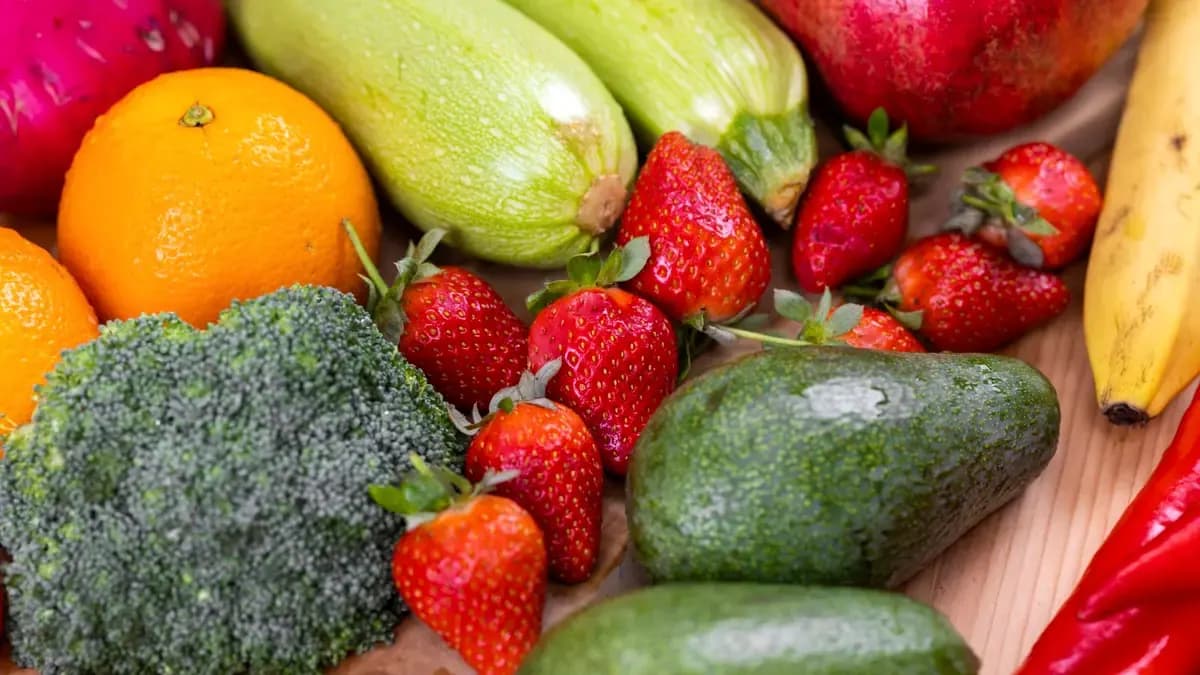
Ultra-processed foods make up a large share of many people's diets, and the research linking ultra-processed foods to health is consistent but mostly observational. Large umbrella reviews associate higher intake with more heart disease, type 2 diabetes, obesity and poor mental health, while the best controlled experiment found people ate about 500 more calories a day on an ultra-processed diet. The evidence is graded low to moderate in most reviews, and the authors disagree about whether processing itself is the cause. This guide explains what the main studies found, what the numbers do and do not mean, and what is reasonable to do about it.
⚕️ Medical Disclaimer
This article is general information, not medical advice. Associations in observational studies do not prove that ultra-processed foods cause disease. Do not make major changes to your diet if you have a medical condition, are pregnant, or have a history of disordered eating without speaking to your doctor or a dietitian. Some people rely on convenient or fortified foods for good reasons.
The short version
- A 2024 BMJ umbrella review of 45 pooled analyses covering nearly 9.9 million people linked higher ultra-processed food intake to cardiovascular mortality, type 2 diabetes, anxiety and common mental disorders, with other outcomes rated highly suggestive, including all-cause mortality and obesity.
- Most of those analyses were rated low or very low certainty, and only four were rated moderate.
- A 2025 umbrella review found moderate-certainty links to all-cause mortality, cardiovascular disease, type 2 diabetes and colorectal cancer, but the effect per serving was small.
- A 2019 inpatient trial of 20 adults found people ate about 508 more calories a day and gained 0.9 kg on an ultra-processed diet compared with an unprocessed one over two weeks.
- The authors of the 2025 review said it is unclear whether processing itself raises health risks.
What counts as ultra-processed foods?
Ultra-processed foods are industrial formulations that usually contain ingredients rarely used in home cooking, such as flavour enhancers, emulsifiers or modified starches, and they are often ready to eat. Examples commonly given include packaged snacks, sugary drinks, instant noodles and many ready meals. The studies below mostly use a food classification system based on the degree of processing, which sorts foods into groups rather than measuring nutrients. That matters because many ultra-processed foods are also high in sugar, salt, saturated fat or calories, so it is hard to separate processing from nutrient content.

What the reviews found
The 2024 BMJ umbrella review
A 2024 umbrella review in the BMJ summarised 45 pooled analyses with a combined total of 9,888,373 people. Evidence it classed as convincing linked higher ultra-processed food intake to cardiovascular mortality (relative risk 1.50, 95% confidence interval 1.37 to 1.63), type 2 diabetes (dose-response relative risk 1.12, 1.11 to 1.13), anxiety (odds ratio 1.48, 1.37 to 1.59) and common mental disorders (1.53, 1.43 to 1.63). Highly suggestive evidence linked it to all-cause mortality (relative risk 1.21, 1.15 to 1.27), obesity (odds ratio 1.55, 1.36 to 1.77), depressive outcomes (hazard ratio 1.22, 1.16 to 1.28) and sleep problems (odds ratio 1.41, 1.24 to 1.61). The authors noted that 22 analyses were of low quality, 19 of very low quality and only four of moderate quality.
Other umbrella reviews
A 2024 review in Clinical Nutrition of 39 meta-analyses and 122 additional articles reported convincing evidence for a decline in kidney function (odds ratio 1.25, 1.18 to 1.33) and wheezing in children and adolescents (1.42, 1.34 to 1.49), with highly suggestive links to diabetes, overweight, obesity, depression and common mental disorders. A 2025 review in Critical Reviews in Food Science and Nutrition of 16 publications found moderate-certainty associations per 50 grams a day with all-cause mortality (relative risk 1.02, 1.01 to 1.03), cardiovascular disease incidence (1.04, 1.02 to 1.06) and, per 10 percentage points of intake, type 2 diabetes (1.12, 1.10 to 1.13) and colorectal cancer (1.04, 1.01 to 1.07). Certainty was limited for obesity, mental health and several other outcomes.
The controlled trial
A 2019 trial in Cell Metabolism admitted 20 weight-stable adults to a research centre for two weeks on an ultra-processed diet and two weeks on an unprocessed diet, in random order, eating as much as they liked. Energy intake was 508 calories a day higher on the ultra-processed diet (plus or minus 106). Participants gained 0.9 kg on the ultra-processed diet and lost 0.9 kg on the unprocessed diet. A correction notice was later published for the paper. The trial was small and short, so it cannot show long-term effects.

What the evidence does not show
Most of the findings come from observational studies, which cannot rule out other differences between people who eat more ultra-processed food and people who eat less, such as income, activity or smoking. Food frequency questionnaires are imprecise. The reviews also use somewhat different definitions and outcomes. The authors of the 2025 review concluded that it is unclear whether processing, rather than the nutrient profile or overall diet quality, drives the risk. The trial lasted only a month in total and used a controlled hospital setting.
What this means in practice
The evidence supports a modest, realistic aim: build more meals around minimally processed foods such as vegetables, fruit, legumes, whole grains, eggs, fish and plain dairy, and treat sugary drinks and packaged snacks as occasional items. You do not need to avoid every processed food, and some, such as tinned beans or frozen vegetables, can be useful. You may also want to read our guides to the Mediterranean diet, fibre and your gut microbiome and the gut-brain connection. Speak to a doctor or dietitian if you have a condition that affects what you can eat.
Frequently asked questions
Frequently Asked Questions
Are ultra-processed foods bad for you?
Higher intake is associated with more heart disease, type 2 diabetes, obesity and poor mental health in large reviews, but most of the evidence is observational and rated low to moderate certainty, so it cannot prove cause.
Do ultra-processed foods make you eat more?
In a 2019 inpatient trial of 20 adults, people ate about 508 more calories a day on an ultra-processed diet and gained 0.9 kg over two weeks, but it was a small, short study.
Is it the processing or the sugar, salt and fat?
It is unclear. The authors of a 2025 umbrella review said it is not known whether processing itself raises health risks, because these foods also tend to be high in sugar, salt and saturated fat.
How much ultra-processed food is too much?
The reviews report risks per serving or per 10 percentage points of intake, not a safe threshold. In a 2025 review, risks rose slightly with each 50 grams a day.
Are all processed foods unhealthy?
No. Processing covers a wide range, and foods such as frozen vegetables or tinned beans can be part of a healthy diet. The studies focus on ultra-processed products.
Does ultra-processed food affect mental health?
The 2024 BMJ review linked higher intake to anxiety, common mental disorders and depressive outcomes, but these are associations from observational studies and cannot prove cause.
Sources
- Lane et al., BMJ 2024, ultra-processed food and adverse health outcomes
- Dai et al., Clinical Nutrition 2024, ultra-processed foods and human health
- Barbaresko et al., Critical Reviews in Food Science and Nutrition 2025, umbrella review
- Hall et al., Cell Metabolism 2019, inpatient randomized controlled trial
Rate this article
Click on a star to rate this article
Keep Reading
Anti-Inflammatory Diet: 7 Foods That Lower CRP
Build an anti-inflammatory diet around seven foods with documented effects on NF-kB, COX-2, and CRP, plus the everyday amounts that matter.
Read article →
nutritionProtein Timing: Why Total Daily Intake Wins
Protein timing matters far less than your daily total. See what the research says about the anabolic window and how much protein per meal.
Read article →
nutritionFiber Math: How Much Fiber You Need and What 30g Looks Like
Fiber math: what a 2019 Lancet review found about 25 to 29 g a day, what a 30 g day looks like, and what gut research can and cannot show.
Read article →

Vitality & Strength Editorial Team
Independent research synthesists — not licensed clinicians
Independent health writers and research synthesists. We are not doctors or registered dietitians; every claim we publish is sourced and linked to primary research, and we take no affiliate or industry money.