Exercise for Depression: What the Research Shows
Exercise for depression: what meta-analyses found for symptoms, how it compares with antidepressants, which types ranked highest, and the limits.
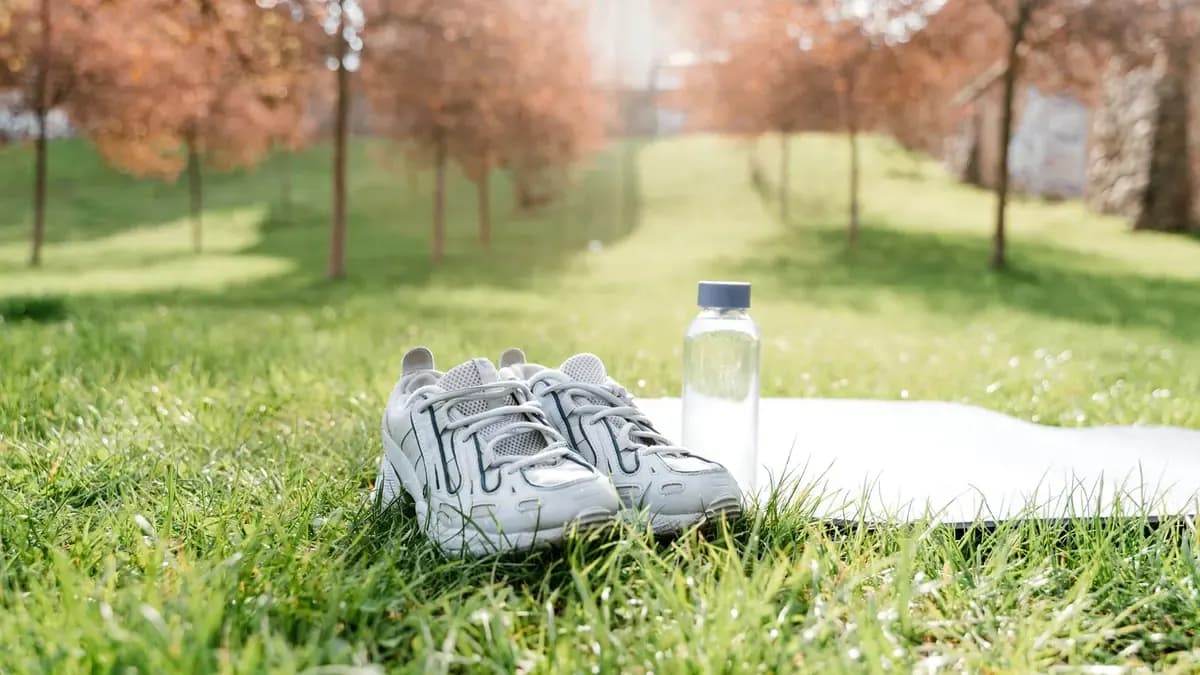
Exercise for depression is one of the most studied non-drug options, and the research suggests it can reduce depressive symptoms, though how much depends on the type of exercise, the intensity and the person. A large 2024 network meta-analysis found moderate benefits for walking or jogging, yoga, strength training and other activity compared with control conditions, while a 2022 analysis found exercise performed about as well as antidepressants in non-severe depression. This guide explains what the main reviews found, which kinds of exercise ranked highest, and the limits of the evidence.
⚕️ Medical Disclaimer
This article is general information, not medical advice. Depression is a medical condition. If you feel persistently low, hopeless or have thoughts of harming yourself, contact your doctor or a local crisis service straight away. Do not stop or change antidepressants or other treatment without speaking to your doctor, and ask a clinician before starting a new exercise programme if you have a health condition.
The short version
- A 2024 BMJ network meta-analysis of 218 studies with 14,170 participants found walking or jogging, yoga, strength training, mixed aerobic exercise and tai chi or qigong all reduced depressive symptoms compared with active controls, and effects were larger with higher prescribed intensity.
- A 2022 analysis of 21 trials with 2,551 people with non-severe depression found no clear difference between exercise and antidepressants, although dropout was higher with exercise.
- A 2023 review of 35 trials in children and adolescents found larger benefits in young people who were already depressed.
- A 2024 review of home-based exercise after stroke found mind-body exercise showed a benefit while aerobic exercise alone did not.
- The BMJ analysis has a published erratum, so exact figures should be checked against the corrected paper.
How exercise for depression might help
Researchers have proposed several routes, including changes in brain chemistry, better sleep, social contact and a sense of achievement. The reviews below do not test these explanations. They simply compare depression scores in people who exercised with people who did not, or who received another treatment, which is the evidence that matters most for deciding whether to try it.
What the reviews found
The 2024 BMJ network meta-analysis
A 2024 network meta-analysis in the BMJ pooled 218 randomised trials with 495 study arms and 14,170 participants. Compared with active control conditions, walking or jogging had a standardised effect of about minus 0.62, yoga about minus 0.55, strength training about minus 0.49, mixed aerobic exercise about minus 0.43 and tai chi or qigong about minus 0.42, where larger negative numbers mean a larger reduction in depression. The authors reported that effects were proportional to the intensity prescribed. A published erratum from May 2024 accompanies this paper, and the details of the correction were not available when this article was written, so treat these figures as approximate and consult the journal's corrected version.
Exercise compared with antidepressants
A 2022 network meta-analysis in the British Journal of Sports Medicine looked at 21 randomised trials with 2,551 participants who had non-severe depression. The difference between exercise and antidepressants was small and not statistically significant (standardised mean difference minus 0.12, 95% confidence interval minus 0.33 to 0.10). Combining exercise with an antidepressant was not clearly different from exercise alone (0.00, minus 0.33 to 0.33). Dropout was higher in the exercise arms than with antidepressants (risk ratio 1.31, 1.09 to 1.57), which may mean that sticking with a programme is harder than taking a tablet.
Children, teenagers and stroke survivors
A 2023 review in BMC Public Health of 35 trials with 5,393 children and adolescents found a standardised mean difference of minus 0.75 (minus 1.32 to minus 0.19) in young people with depression, and minus 0.42 (minus 0.66 to minus 0.18) when exercise took place three times a week. A 2024 review in the International Journal of Nursing Studies looked at 9 trials with 517 people recovering from stroke who exercised at home. Mind-body exercise showed a benefit (Hedges g minus 0.59, minus 1.16 to minus 0.02) while aerobic exercise alone did not (minus 0.07, minus 0.81 to 0.67).
What the evidence does not show
Many exercise trials cannot blind participants to what they are doing, and people who volunteer for them may differ from those who do not. Different reviews use different control groups and depression scales, so the numbers cannot be lined up exactly. The network analyses rely partly on indirect comparisons and some compared groups were small. The 2022 analysis covered non-severe depression, so it cannot tell us how exercise compares with medication for severe depression. Finally, these are averages, and some people benefit more than others.
What this means in practice
For people with mild to moderate low mood, the evidence supports building regular movement into the week, such as brisk walking, jogging, yoga or strength training, with intensity increased gradually and a type you can keep doing. Exercise is best seen as an option to discuss with your doctor alongside therapy or medication rather than a replacement for them. You may also want to read our guides to omega-3 and depression, vitamin D and depression and journaling for anxiety. Speak to a doctor if low mood lasts more than two weeks.
Frequently asked questions
Frequently Asked Questions
Does exercise help with depression?
Yes, on average. A 2024 BMJ network meta-analysis of 218 trials with 14,170 participants found several types of exercise reduced depressive symptoms compared with control conditions, with larger effects at higher intensity.
Is exercise as good as antidepressants?
In a 2022 analysis of 21 trials in non-severe depression, the difference between exercise and antidepressants was small and not statistically significant, but dropout was higher with exercise. It does not cover severe depression.
Which type of exercise is best for depression?
In the 2024 BMJ analysis, walking or jogging ranked highest, followed by yoga and strength training, but the confidence ranges overlap, so the best exercise is probably one you will keep doing.
How often should I exercise for depression?
A 2023 review in young people found a benefit with exercise three times a week. Reviews do not give one schedule for all adults, so agree a plan with your doctor.
Can exercise replace my antidepressants?
These reviews do not support stopping medication. Never stop or reduce an antidepressant without speaking to your doctor.
Is the BMJ review reliable?
It is a large analysis of 218 trials, but it has a published erratum, so check the corrected version for exact figures. Like all exercise trials, participants could not be blinded to their treatment.
Sources
- Noetel et al., BMJ 2024, exercise for depression network meta-analysis
- Recchia et al., British Journal of Sports Medicine 2022, exercise versus antidepressants
- Li et al., BMC Public Health 2023, exercise and depression in young people
- Chen et al., International Journal of Nursing Studies 2024, home-based exercise after stroke
Rate this article
Click on a star to rate this article
Keep Reading
Vitamin D and Depression: What the Research Shows
Vitamin D and depression: what recent meta-analyses of randomised trials found, how big the effects were, why results vary, and who should be careful.
Read article →
mental healthOmega-3 and Depression: What the Research Shows
Omega-3 and depression: what a 2025 meta-analysis found, how small the effect was, and why it is not a replacement for treatment.
Read article →
mental healthSaffron and Mood: What the Research Shows
Saffron and mood: what 2026 and 2019 meta-analyses found, how large the drop in self-reported symptoms was, and why clinician scales need care.
Read article →

Vitality & Strength Editorial Team
Independent research synthesists — not licensed clinicians
Independent health writers and research synthesists. We are not doctors or registered dietitians; every claim we publish is sourced and linked to primary research, and we take no affiliate or industry money.