Saffron and Mood: What the Research Shows
Saffron and mood: what 2026 and 2019 meta-analyses found, how large the drop in self-reported symptoms was, and why clinician scales need care.
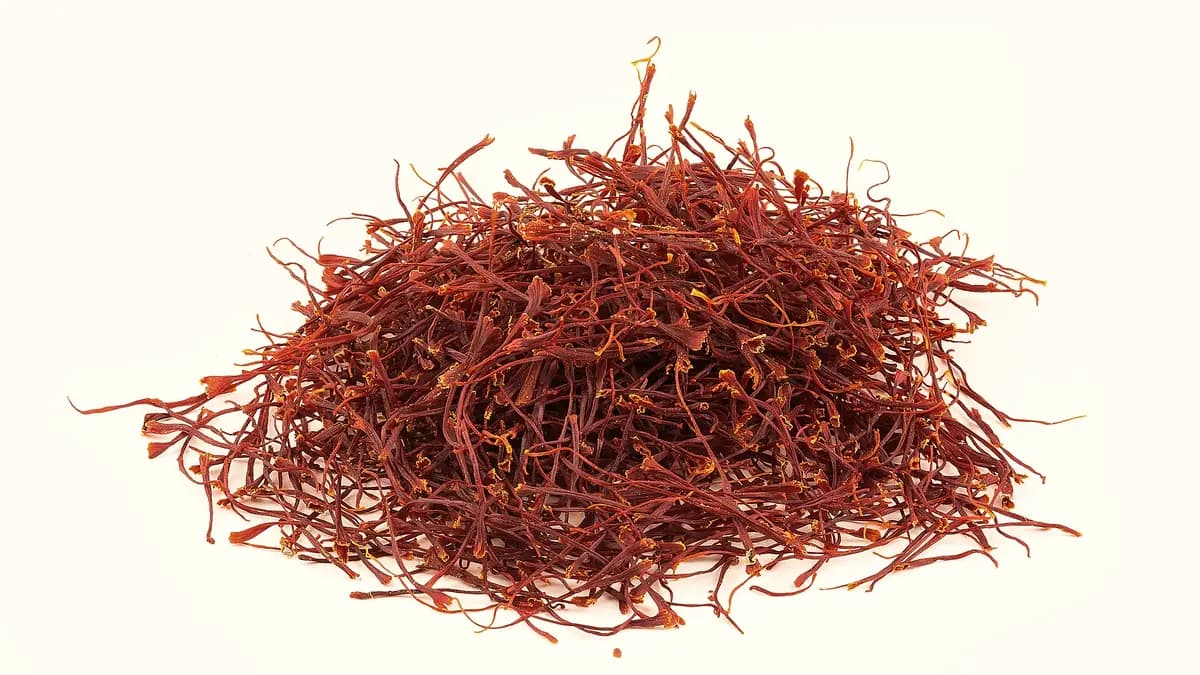
Saffron and mood is one of the more unusual wellness questions, because the spice is better known from paella and rice dishes than from psychiatry. Over the last decade, a number of small trials have tested saffron extract against placebo for low mood and anxiety, and several meta-analyses have pooled them. The results are encouraging for self-reported symptoms, but they are modest, the trials are small, and the clinician-rated findings are weaker. This guide explains what the 2019 and 2026 reviews found, how large the effects were, and where caution is needed.
⚕️ Medical Disclaimer
This article is general information, not medical advice. Saffron supplements are not a replacement for treatment of depression or anxiety. If you have depression, anxiety or bipolar disorder, speak to a doctor or mental health professional before using saffron. Saffron can interact with antidepressants and other medicines that affect serotonin, and high doses are unsafe, particularly in pregnancy. Seek urgent help if you have thoughts of harming yourself.
The short version
- A 2026 meta-analysis in Nutritional Neuroscience pooled 34 randomised placebo-controlled trials with 1,769 adults. Saffron reduced scores on the Beck Depression Inventory and the Beck Anxiety Inventory, which are self-report questionnaires.
- The same review found no significant effect on clinician-rated depression and anxiety scales, which is an important limit.
- A 2019 systematic review in Nutrition Reviews found large effects against placebo for depressive and anxiety symptoms, and a large effect when saffron was added to antidepressants. The authors also reported signs of publication bias.
- In short, saffron and mood research points to help with the feeling of low mood and worry, but the evidence is moderate in quality and does not show that it treats depression.
What kind of saffron are the trials testing?
Saffron comes from the stigmas of the crocus flower, Crocus sativus. Most of the trials used standardised saffron extract capsules, not the threads or powder used in cooking. The active compounds that researchers focus on include crocin and safranal, but the trials did not all use the same dose or product, which makes direct comparisons difficult. Culinary amounts of saffron in food are very different from the doses used in trials, so a saffron risotto should not be treated as a mood supplement.
Saffron and depression: what the 2026 review found
Self-reported symptoms
The 2026 review searched databases up to July 2025 and included 34 randomised trials with 1,769 participants. For depression, 14 trials with 817 people showed that saffron lowered Beck Depression Inventory scores by an average of about 4.4 points (95% confidence interval 2.2 to 6.6 points lower). For anxiety, six trials with 339 people showed an average drop of about 5.1 points on the Beck Anxiety Inventory (95% confidence interval 1.7 to 8.4 points lower). The authors rated the certainty of evidence as moderate under the GRADE system, with high variation between trials.

Clinician-rated scales
This is the most important limit. When the authors looked at scales that a clinician scores, such as the Hamilton depression and anxiety ratings, they found no significant effect. The same was true for the Profile of Mood States. The authors concluded that clinician-rated effects need to be tested in better trials. In practice, that means the saffron and mood results may reflect a change in how people feel about their symptoms, rather than a change in how a clinician assesses them.
Saffron and mood: what the 2019 review found
A 2019 systematic review in Nutrition Reviews included 23 studies. Compared with placebo, saffron had a large effect on depressive symptoms (effect size 0.99) and on anxiety symptoms (effect size 0.95). When saffron was added to an antidepressant, the effect on depressive symptoms was larger again (effect size 1.23), though based on fewer trials. The authors found evidence of publication bias, which means small positive trials may be more likely to be published than small negative ones, and they called for more trials from more regions.
Why the results should be read with care
Several things keep the enthusiasm about saffron and mood in check. Most trials were small, often with fewer than 100 people, and many lasted only a few weeks. Participants were often aged 18 to 60, and many were not severely depressed. Self-report questionnaires are influenced by expectation, and placebo responses in depression trials are often large. Trial designs, doses and extracts differed, and heterogeneity between studies was high. Publication bias, which the 2019 review detected, can make the averages look better than the true effect.
Safety and medicines
Saffron is generally well tolerated at the doses used in trials, but high doses are not safe. Large amounts can be toxic, and saffron is traditionally avoided in pregnancy because high doses have been linked with uterine stimulation. Saffron may also interact with antidepressants, especially those that raise serotonin, so people taking them should not add supplements without medical advice. Anyone with bipolar disorder should be especially cautious, because mood-active supplements can shift mood in some people. Children and people with bleeding disorders or who take blood thinners should check with a doctor first.
How to think about saffron in everyday life
Saffron in cooking is unlikely to matter for mood, and the trial doses are far above culinary amounts. If you are considering a supplement, look for the evidence on the specific product and the dose, and discuss it with a clinician. The larger, better-established steps for mood are usually sleep, regular activity and talking therapy. Our vitamin D and depression guide covers another supplement with mixed but researched evidence, and our magnesium for anxiety guide explains what the trials of that mineral found.

Who should avoid saffron supplements
People who are pregnant or trying to conceive, people with bipolar disorder, anyone taking antidepressants, blood thinners or other medicines that affect serotonin or bleeding, and people with a history of allergy to crocus or related plants should not use saffron supplements without medical advice.
Frequently Asked Questions
Does saffron help with depression?
Some trials show that saffron reduces self-reported depressive symptoms. A 2026 review of 34 trials found a drop of about 4.4 points on the Beck Depression Inventory, but clinician-rated scales showed no significant effect, so it is not an established treatment.
Does saffron help with anxiety?
A 2026 review found a reduction of about 5 points on the Beck Anxiety Inventory across six trials. The evidence is limited by small trials and self-report measures, so it should not replace treatment for anxiety disorders.
Is saffron safe to take every day?
Trial doses are generally well tolerated in the short term, but high doses are unsafe and saffron is avoided in pregnancy. Check with a doctor before daily use, especially if you take antidepressants or blood thinners.
Can I take saffron with antidepressants?
Not without medical advice. Saffron may interact with medicines that affect serotonin. The 2019 review found larger effects when saffron was added to antidepressants in trials, but this must be supervised by a clinician.
How much saffron is in a normal meal?
Culinary amounts of saffron are very small and are not the doses used in trials. Cooking with saffron is not a mood treatment, and the research does not apply to saffron added to food.
References
[Systematic review and meta-analysis of saffron and depression, anxiety and mood disorders, Nutritional Neuroscience, 2026. PMID 41693488] [Systematic review and meta-analysis of saffron supplementation and symptoms of depression and anxiety, Nutrition Reviews, 2019. PMID 31135916] [Photo: Hubertl, CC BY-SA 4.0, via Wikimedia Commons (cropped and colour-graded)] [Photo: Rainer Zenz, public domain, via Wikimedia Commons (cropped and colour-graded)] [Photo: ulleo, CC0, via Wikimedia Commons (cropped and colour-graded)]Rate this article
Click on a star to rate this article
Keep Reading
Omega-3 and Depression: What the Research Shows
Omega-3 and depression: what a 2025 meta-analysis found, how small the effect was, and why it is not a replacement for treatment.
Read article →
mental healthVitamin D and Depression: What the Research Shows
Vitamin D and depression: what recent meta-analyses of randomised trials found, how big the effects were, why results vary, and who should be careful.
Read article →
mental healthMagnesium for Anxiety: What the Research Shows
Magnesium for anxiety: what systematic reviews and a 2022 clinical guideline found, who might benefit, and why the evidence is rated poor.
Read article →

Vitality & Strength Editorial Team
Independent research synthesists — not licensed clinicians
Independent health writers and research synthesists. We are not doctors or registered dietitians; every claim we publish is sourced and linked to primary research, and we take no affiliate or industry money.