Boswellia for Knee Osteoarthritis: What the Research Shows
Boswellia for knee osteoarthritis: what 2024-2026 meta-analyses found for pain, stiffness and function, how it compares with curcumin, and safety.
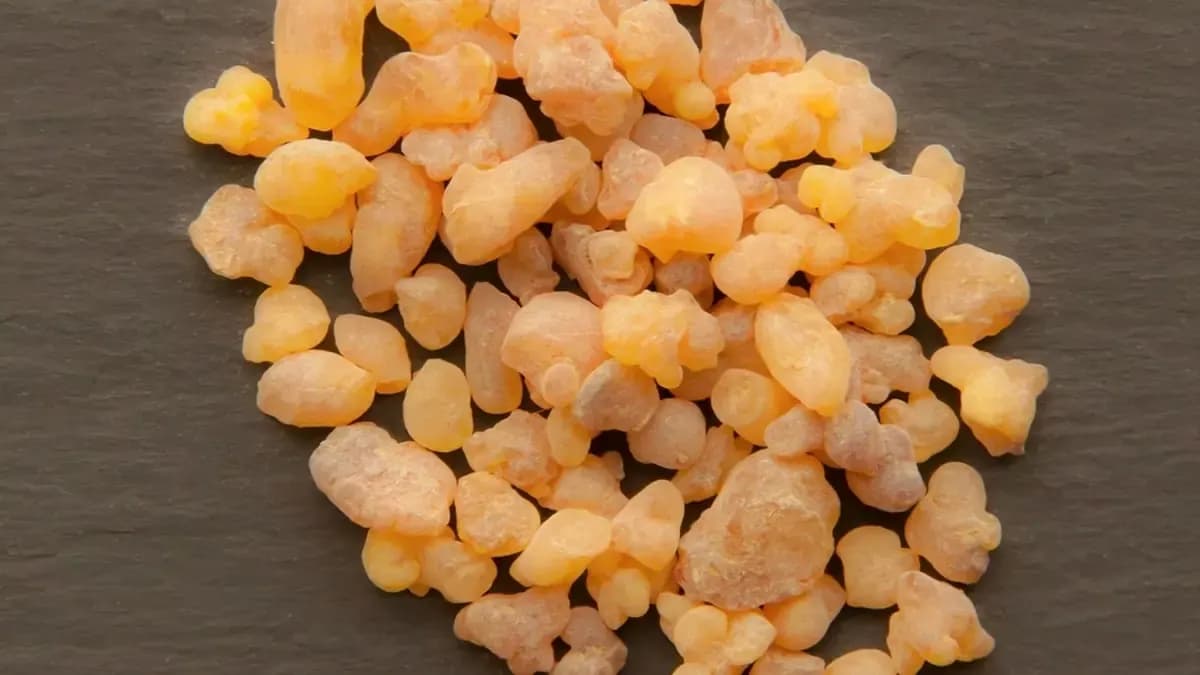
Boswellia, also called Indian frankincense, is a tree resin extract sold for joint pain, and boswellia for knee osteoarthritis is one of its best-studied uses. The research suggests a hopeful but uneven picture. Several meta-analyses report lower pain scores and better joint function than placebo, but one 2024 analysis found no significant overall effect until trials were split into subgroups, and the studies differ in extract, dose and quality. Safety looks reassuring in the trials reviewed. This guide explains what the main reviews found, how boswellia compares with curcumin and other supplements, and what to check before trying it.
⚕️ Medical Disclaimer
This article is general information, not medical advice. Boswellia is not a cure for osteoarthritis, and it should not replace exercise, weight management or treatment from your doctor. Seek medical advice for new or worsening joint pain, swelling, locking, or pain at night or at rest. People who take regular medicines, including anti-inflammatory painkillers, and anyone who is pregnant or breastfeeding, should ask a doctor or pharmacist before starting a supplement.
The short version
- A 2025 network meta-analysis of 39 trials with 4,599 people found boswellia improved WOMAC pain, stiffness and function and visual analog scale pain compared with placebo, and ranked highest among seven supplements for pain and stiffness.
- A 2024 meta-analysis of nine trials with 712 people found boswellia lowered pain and stiffness scores, with a branded extract (Aflapin) showing larger reductions than other extracts.
- A separate 2024 meta-analysis of 13 studies found no significant overall effect because the trials differed so much, although subgroup analysis favoured boswellia on WOMAC scores.
- A 2026 network meta-analysis of 20 trials with 1,633 people found boswellia, especially modified formulations, improved joint function in mild to moderate knee osteoarthritis, with no significant difference in adverse events.
- Extract type and dose differ between trials, so results for one product may not apply to another.
What is boswellia?
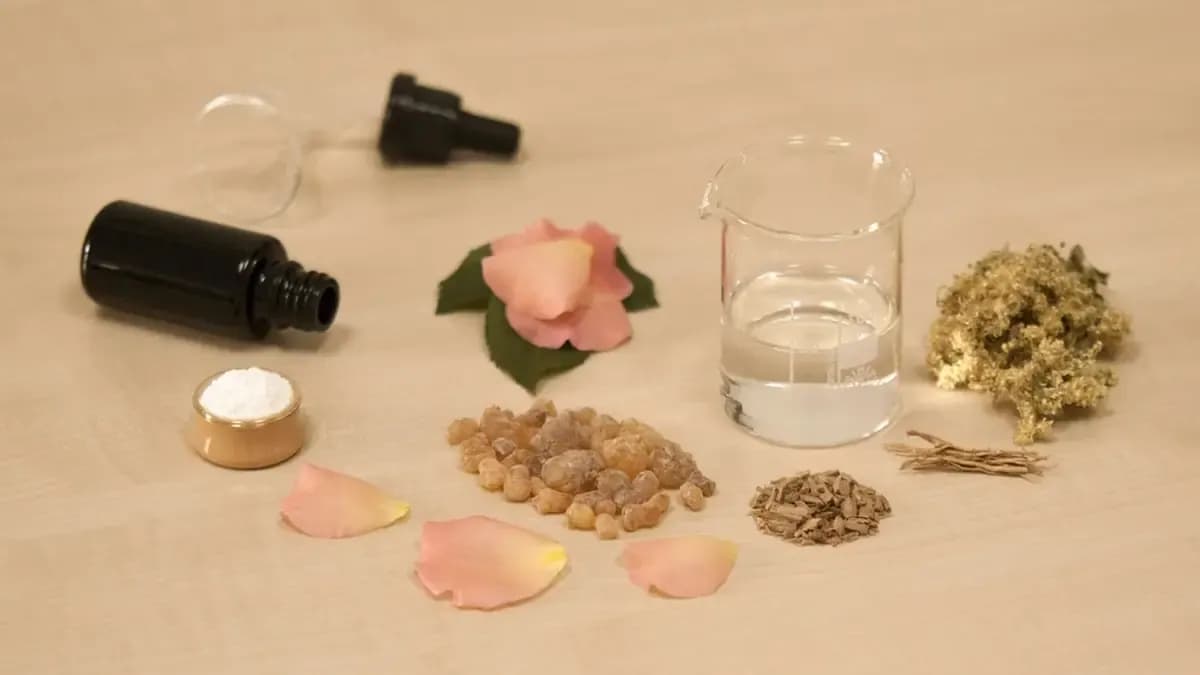
Boswellia serrata is a tree native to India, and its gum resin has long been used in traditional medicine. Supplements usually contain extracts standardised for boswellic acids, the compounds thought to reduce inflammation. Some products are modified to be absorbed better, and some are combined with curcumin from turmeric. Because the extracts and doses vary, it is important to look at what was actually tested in trials rather than assume that any boswellia product behaves the same way.
What the reviews found
The 2025 comparison of seven supplements
A network meta-analysis in Nutrients in 2025 compared seven supplements for knee osteoarthritis: eggshell membrane, vitamin D, boswellia, curcumin, ginger, krill oil and collagen. It included 39 randomised trials with 4,599 patients. Against placebo, boswellia showed improvements in WOMAC pain (mean difference 10.58, 95% confidence interval 6.45 to 14.78), stiffness (9.47, 6.39 to 12.74), function (14.00, 7.74 to 20.21) and visual analog scale pain (17.26, 8.06 to 26.52). Curcumin, collagen, ginger and krill oil also showed benefits in some outcomes. No supplement was associated with more adverse events than placebo, and boswellia had the highest probability of being most effective for pain and stiffness. The authors said larger trials with standard doses and longer follow-up are needed.
[Comparative effectiveness of nutritional supplements in the treatment of knee osteoarthritis: a network meta-analysis, Nutrients, 2025.]A 2024 meta-analysis of boswellia extracts
A meta-analysis in Explore in 2024 pooled nine randomised trials with 712 participants with osteoarthritis. Boswellia reduced pain on the visual analog scale (mean difference -10.71), Lequesne functional index scores (-2.99), WOMAC pain (-10.69), WOMAC stiffness (-5.49) and WOMAC function (-10.69) compared with control treatment. In a subgroup analysis, a standardised extract called Aflapin showed larger reductions than other boswellia products, for example WOMAC pain -18.68 compared with -7.07. This result needs confirmation in head-to-head trials, since a branded product comparison can reflect study differences as well as the product.
[Efficacy evaluation of standardized Boswellia serrata extract (Aflapin) in osteoarthritis: systematic review and sub-group meta-analysis, Explore, 2024.]A more cautious 2024 analysis
Another 2024 meta-analysis in Phytotherapy Research looked at 13 studies with 850 patients for WOMAC and 1,185 for visual analog scale pain. It did not find a significant overall effect (p = 0.0865 for WOMAC and p = 0.3966 for pain), which the authors attributed to high heterogeneity between studies. Subgroup analysis and meta-regression did show a lower WOMAC score with boswellia than placebo. The authors noted the finding could matter for people who cannot tolerate anti-inflammatory painkillers, but they called for higher-quality studies before drawing firm conclusions.
[Efficacy of extracts of oleogum resin of Boswellia in the treatment of knee osteoarthritis: systematic review and meta-analysis, Phytotherapy Research, 2024.]
Boswellia, curcumin and combinations
A 2026 network meta-analysis in Complementary Therapies in Medicine compared curcumin, boswellia and combined products in 20 randomised trials with 1,633 participants. Modified boswellia formulations improved WOMAC pain, stiffness and function compared with other groups, and modified curcumin formulations reduced pain on the visual analog scale compared with placebo. There were no significant differences in adverse events. The authors concluded that boswellia, especially in modified formulations, improves joint function in mild to moderate knee osteoarthritis, and that combined preparations deserve further study. You can read more in our guide to turmeric and curcumin.
[Curcuma longa, Boswellia serrata and their mixed formulation in knee osteoarthritis: systematic review and network meta-analysis, Complementary Therapies in Medicine, 2026.]How much boswellia do trials use?
The reviews do not give one recommended dose. Trials used different extracts, doses, standardisation levels and durations, and some used branded or modified products designed to improve absorption. If you want to try boswellia, look for a product that states the extract and the amount of boswellic acids per serving, and note that results from one branded extract may not carry over to another. Keep the trial length in mind too: judging benefit usually needs a few weeks, and you can agree with your doctor how you will decide whether it is helping.
Is boswellia safe?
In the 2025 and 2026 network meta-analyses, adverse events with boswellia were not higher than with placebo. Even so, trial durations are limited, supplements vary in quality and the authors of these reviews asked for longer and larger studies. Long-term safety and interactions with medicines are not well established in these reviews, so it is sensible to ask a doctor or pharmacist before using boswellia, particularly if you take regular medicines, are pregnant or breastfeeding, or have a long-term condition.
What this means in practice
The evidence for boswellia in knee osteoarthritis is better than for many supplements, but it is not uniform. The most consistent findings are modest improvements in pain and function over placebo in trials of a few weeks to months, with an important caveat about heterogeneity and product differences. Exercise, strength training and weight management remain the foundation of care. If you are weighing options, you may also want to read our guides to glucosamine for knee osteoarthritis, collagen peptides and vitamin K2 for bones. Speak to a doctor about persistent knee pain.
Frequently asked questions
Frequently Asked Questions
Does boswellia work for knee osteoarthritis?
Possibly. Several meta-analyses found lower pain and better function than placebo, including a 2025 network meta-analysis of 39 trials, but a 2024 analysis found no overall significant effect because the studies differed so much.
Is boswellia better than curcumin for knee pain?
In a 2025 comparison of seven supplements, boswellia ranked highest for pain and stiffness, with curcumin showing benefits in some outcomes. Results depend on the extract, so there is no clear winner for every product.
How long does boswellia take to work?
The reviews do not give a standard time. Trials ran for varying periods, so it is best to agree with your doctor how long to try it and how you will judge whether it is helping.
Is boswellia safe?
In the network meta-analyses adverse events were not higher than with placebo, but trials were limited in length and size. Ask a doctor or pharmacist first if you take medicines or are pregnant.
Is a branded boswellia extract better?
One 2024 subgroup analysis found larger reductions with a branded extract called Aflapin, but this needs confirmation in head-to-head trials and should not be taken as proof that it is better.
Can I take boswellia with glucosamine?
The reviews here did not test that combination, so there is no evidence either way from them. Ask a doctor or pharmacist if you are thinking of combining supplements.
Rate this article
Click on a star to rate this article
Keep Reading
Glucosamine for Knee Osteoarthritis: What the Research Shows
Glucosamine and chondroitin for knee osteoarthritis: what 2023-2025 meta-analyses found for pain, function and exercise, and what to know about safety.
Read article →
supplementsCollagen Peptides: What the Research Shows
Collagen peptides explained: what meta-analyses found for skin, joints, muscle and bones, the effect sizes, who funded the trials and what is unproven.
Read article →
supplementsChamomile for Sleep: What the Research Shows
Chamomile for sleep: what 2019-2025 reviews found for sleep quality, anxiety and safety, how it compares with valerian, and who should avoid it.
Read article →

Vitality & Strength Editorial Team
Independent research synthesists — not licensed clinicians
Independent health writers and research synthesists. We are not doctors or registered dietitians; every claim we publish is sourced and linked to primary research, and we take no affiliate or industry money.