Selenium and Thyroid: What the Research Shows
Selenium and thyroid health: what 2024-2026 meta-analyses found for Hashimoto antibodies, TSH and Graves eye disease, and what to know about safety.
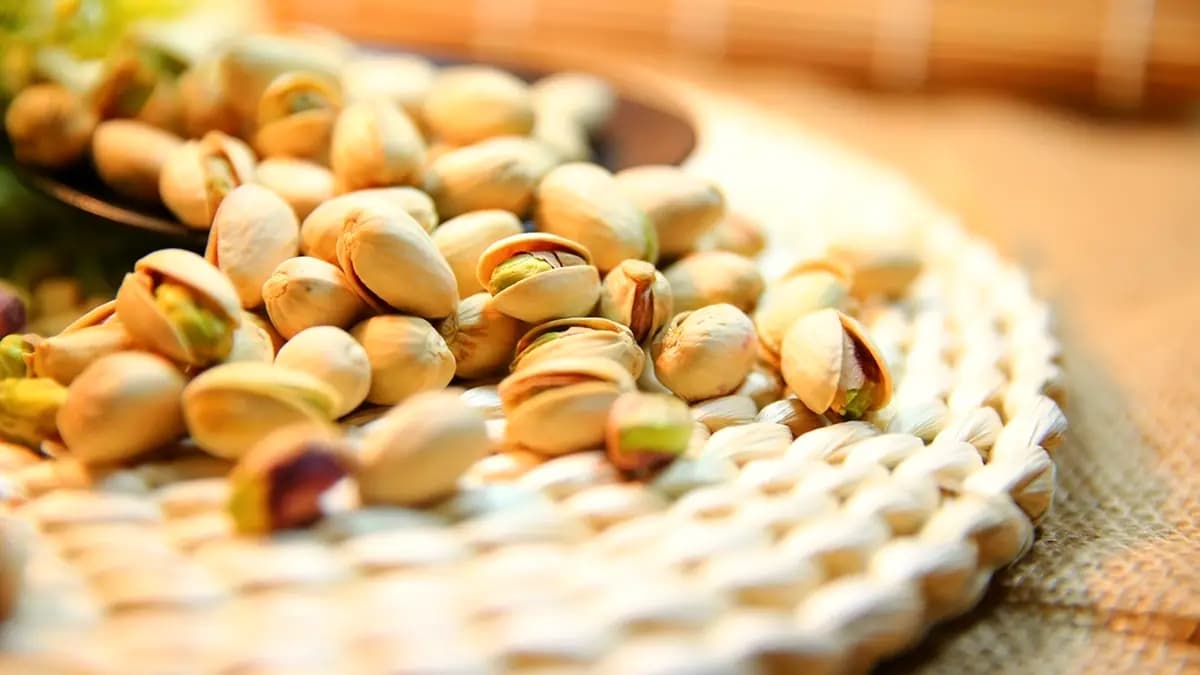
Selenium is a trace mineral that the thyroid gland uses more heavily than almost any other organ, which is why it is often suggested for thyroid problems, especially Hashimoto thyroiditis. Randomised trials have tested it, and pooled results show a fairly consistent fall in thyroid antibodies, a small fall in thyroid-stimulating hormone in some groups, and less clear benefit on symptoms. This guide explains what the 2024 to 2026 meta-analyses found, who the results apply to, and the safety points worth knowing before buying a supplement.
⚕️ Medical Disclaimer
This article is general information, not medical advice. Do not start, stop or change thyroid medicine because of what you read here. Selenium supplements are not a treatment for an underactive or overactive thyroid, and too much selenium can cause harm. Speak to a doctor or pharmacist before taking it, especially if you have a thyroid condition, take regular medicines, are pregnant or breastfeeding, or already take a multivitamin containing selenium.
The short version
- A 2024 meta-analysis in the journal Thyroid pooled 35 studies in people with Hashimoto thyroiditis and found selenium lowered thyroid peroxidase antibodies and, in people not taking thyroid hormone, lowered TSH slightly, with moderate certainty of evidence.
- A 2025 meta-analysis of 21 studies with 1,610 people found antibodies fell at 3 and 6 months, and TSH fell slightly at 6 months.
- Antibody levels are a lab marker, not a symptom, and the reviews did not show that lowering them makes people feel better or prevents the disease from progressing.
- A 2026 meta-analysis of five trials in Graves orbitopathy, a thyroid-related eye condition, found a small improvement in a clinical activity score but no consistent benefit for quality of life or vision.
- A 2026 review of 52 treatment arms with 10,916 people found selenium lowered fasting insulin and insulin resistance markers, but had no clear effect on blood glucose or HbA1c, and may matter mostly for people with low selenium status.
Why does the thyroid need selenium?
The thyroid contains selenium-dependent enzymes that help convert thyroid hormones into their active form and protect the gland from the oxidative stress its own hormone production creates. Selenium is found in Brazil nuts, fish, eggs, meat and some grains, and the amount in plant foods depends on the soil. Many people get enough from food, and the research suggests the people most likely to benefit are those who start with low selenium levels. That is why the same supplement can look helpful in one trial and do little in another.

What the meta-analyses found
The 2024 Thyroid meta-analysis
The most detailed review of selenium in Hashimoto thyroiditis was published in 2024 in the journal Thyroid. The authors screened 687 records and included 35 unique studies. In people not taking thyroid hormone replacement, selenium lowered TSH by a small amount (standardised mean difference -0.21, 95% confidence interval -0.43 to -0.02, seven cohorts, 869 people). Across people with and without thyroid hormone replacement, thyroid peroxidase antibodies fell substantially (standardised mean difference -0.96, 29 cohorts, 2,358 people), although the studies differed a great deal (I2 of 90 percent). There were no significant changes in free thyroxine, total thyroxine, free or total triiodothyronine, thyroglobulin antibodies or thyroid volume. Adverse effects were similar between selenium and control groups, and the authors rated the overall certainty of evidence as moderate.
[Huwiler et al., Thyroid, 2024, selenium supplementation in patients with Hashimoto thyroiditis: systematic review and meta-analysis of randomised clinical trials.]The 2025 meta-analysis
A 2025 analysis in the journal Medicine included 21 studies with 1,610 people with Hashimoto thyroiditis. Thyroid peroxidase antibodies fell at 3 months (standardised mean difference -0.46) and at 6 months (-0.80). Thyroglobulin antibodies fell at 3 months but not at 6 months, and TSH fell slightly at 6 months (-0.18). The authors reported that selenomethionine appeared more effective than sodium selenite or selenium yeast, but that comparison comes from a small number of trials and should be treated cautiously. They also suggested the antibody changes might lead to improvements in well-being or mood, a claim that the trials themselves did not show directly.
[Zhang et al., Medicine, 2025, clinical efficacy of selenium supplementation in patients with Hashimoto thyroiditis: systematic review and meta-analysis.]
Graves orbitopathy
Graves orbitopathy is an eye condition linked to autoimmune thyroid disease. A 2026 meta-analysis in the Journal of Clinical Medicine pooled five randomised trials with 303 people. Selenium was linked with a lower clinical activity score (mean difference -1.05, 95% confidence interval -1.61 to -0.48), but there were no significant differences in palpebral aperture, quality of life or visual function. The authors said the result should be interpreted cautiously because there were few trials and they differed clinically, and they called for larger trials that take account of baseline selenium status and disease severity.
[Selenium supplementation in Graves orbitopathy: systematic review and meta-analysis of randomised controlled trials, Journal of Clinical Medicine, 2026.]Blood sugar and metabolism
A 2026 review in Nutrition Journal looked at selenium and metabolic markers in adults. It included 52 treatment arms with 10,916 participants. Selenium lowered fasting insulin, HOMA-IR and HOMA-B and raised QUICKI, a measure of insulin sensitivity, but there was no clear overall effect on fasting plasma glucose or HbA1c. Some antioxidant and inflammatory markers improved, lipids changed modestly and only diastolic blood pressure fell. The authors said the findings may apply most to people with low selenium status and should be extrapolated cautiously to people who already get enough.
[Yang et al., Nutrition Journal, 2026, selenium supplementation on glycaemic indices and oxidative stress biomarkers in adults: systematic review, meta-analysis and dose-response analysis.]How strong is the evidence?
For Hashimoto thyroiditis, the antibody result is consistent in direction across reviews, but antibody levels are a marker, not a symptom. The TSH change is small, and it appeared in people not taking thyroid hormone, so it does not tell us what would happen for someone already on levothyroxine. The trials used different forms and doses, ran for different lengths of time and enrolled people with different baseline selenium levels, which explains the high heterogeneity. For Graves orbitopathy and metabolic markers, the evidence is thinner and more mixed. None of the reviews shows that selenium cures or reverses thyroid disease.
Is selenium safe?
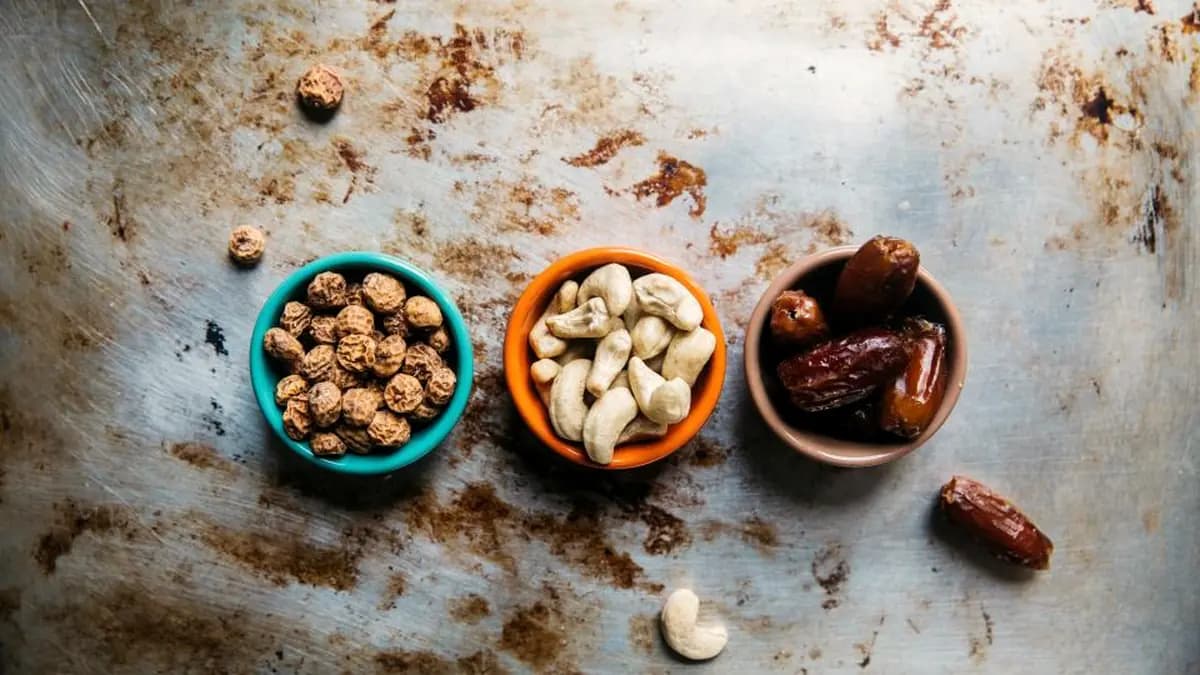
Selenium is essential in small amounts, but the margin between enough and too much is narrow. The 2024 Thyroid meta-analysis found adverse effects were similar between selenium and control groups in the trials it covered, but trial doses are controlled and short term. Long-term high intake can cause problems, and the dose-response work in the 2026 metabolic review emphasises that safe dose ranges and long-term safety still need better trials. Because many multivitamins and Brazil nuts also contain selenium, it is easy to take more than you intend. Check labels, avoid combining several products, and speak to a doctor or pharmacist before use, especially if you take thyroid medicine or have a thyroid condition.
What to do first instead
If you have thyroid symptoms, the first step is a blood test and a clinician, not a supplement. Eating a varied diet with fish, eggs and nuts usually covers selenium needs. If you are comparing other supplements for related concerns, see our reviews of iron and fatigue, zinc and vitamin B12 deficiency.
Frequently Asked Questions
Does selenium help Hashimoto thyroiditis?
It lowers thyroid antibodies and slightly lowers TSH in some groups, according to meta-analyses of randomised trials. A 2024 review of 35 studies rated the certainty as moderate. It does not cure the condition, and the trials do not show that lower antibodies mean fewer symptoms.
Does selenium lower TSH?
Slightly. The 2024 meta-analysis found a small fall in TSH in people not taking thyroid hormone, and a 2025 meta-analysis found a small fall at 6 months. The effect in people already taking thyroid medicine is less clear.
Does selenium help Graves eye disease?
Possibly a little. A 2026 meta-analysis of five trials with 303 people found a lower clinical activity score, but no consistent benefit for quality of life or visual function, so more trials are needed.
Does selenium help with blood sugar?
Not clearly. A 2026 review of 52 treatment arms found lower fasting insulin and insulin resistance markers but no clear effect on fasting glucose or HbA1c, and the benefit may be mostly in people with low selenium status.
Is it safe to take selenium every day?
Selenium is safe at the amounts in food, and trial adverse effects were similar to placebo in a 2024 meta-analysis, but too much can cause harm and long-term safety is not well studied. Check multivitamin labels and speak to a doctor or pharmacist before using a supplement.
What foods contain selenium?
Brazil nuts, fish, eggs, meat and some grains are common sources. The amount in plant foods depends on the soil, and Brazil nuts vary a lot, so they are best eaten in small amounts.
Rate this article
Click on a star to rate this article
Keep Reading
Vitamin C and Colds: What the Research Shows
Vitamin C and colds: what the Cochrane review and 2023 meta-analysis found on prevention, duration and severity, who may benefit, and safety.
Read article →
supplementsMagnesium and Blood Pressure: What the Research Shows
Magnesium and blood pressure: what 2024-2026 meta-analyses found, why the dose advice differs, who may benefit, and who should ask a doctor first.
Read article →
supplementsCitrulline Supplements: What the Research Shows
Citrulline supplements: what meta-analyses found for exercise, blood pressure and weight, how strong the evidence is, and who should ask a doctor first.
Read article →

Vitality & Strength Editorial Team
Independent research synthesists — not licensed clinicians
Independent health writers and research synthesists. We are not doctors or registered dietitians; every claim we publish is sourced and linked to primary research, and we take no affiliate or industry money.