Vitamin C and Colds: What the Research Shows
Vitamin C and colds: what the Cochrane review and 2023 meta-analysis found on prevention, duration and severity, who may benefit, and safety.

Vitamin C is the classic cold remedy, recommended for generations, yet the research is less simple than the advice. Large reviews find that taking it every day does not stop most people catching colds, but it may make colds a little shorter and milder. This guide explains what the main reviews found, who may notice a difference, what the evidence says about taking it only once you feel ill, and the safety points worth knowing.
⚕️ Medical Disclaimer
This article is general information, not medical advice. Do not use supplements in place of care for a high fever, breathing difficulty, chest pain or symptoms that last more than about ten days. People with kidney stones, kidney disease or iron overload conditions should speak to a doctor or pharmacist before taking these supplements. Check with a pharmacist if you take regular medicines.
The short version
- A Cochrane review of 29 trials with 11,306 people found that regular supplementation did not reduce the number of colds in the general population (risk ratio 0.97, 95% confidence interval 0.94 to 1.00).
- In five trials of marathon runners, skiers and soldiers on subarctic exercises, the risk of a cold was about halved (risk ratio 0.48).
- Regular use shortened colds by about 8% in adults and 14% in children, and it also reduced severity.
- Starting it only after symptoms began showed no consistent benefit in the few trials that tested it.
- A 2023 meta-analysis found that doses of 1 gram a day or more reduced the severity of colds by about 15%.
What does vitamin C do in the body?
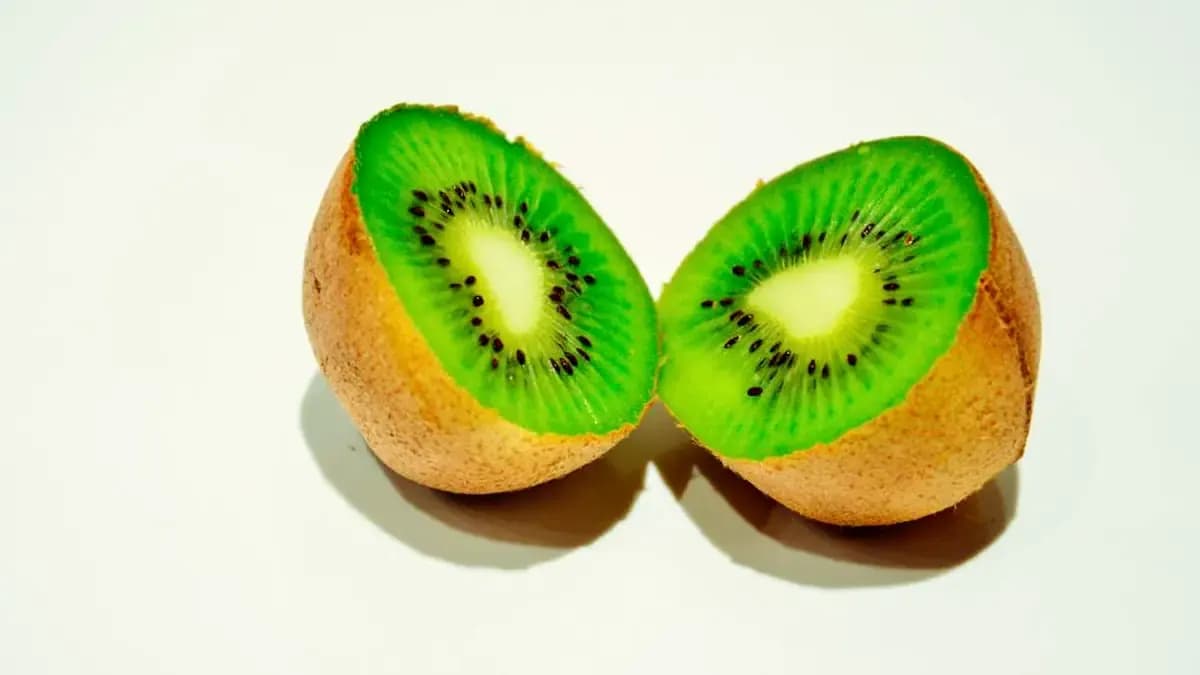
Vitamin C, also called ascorbic acid, is a vitamin that helps the body make collagen and acts as an antioxidant. White blood cells hold high levels of it, which is why people suspected it might help the immune system fight infection. Most people get enough from food such as citrus fruit, peppers, kiwi fruit, broccoli and strawberries. That background matters, because the trials mostly tested supplements of 200 mg to several grams a day, far above what a normal diet supplies.
What the reviews found
The Cochrane review
The most cited review is a Cochrane analysis updated in 2013. It included placebo-controlled trials that used at least 0.2 grams of vitamin C a day. Across 29 comparisons and 11,306 participants, regular supplementation did not clearly reduce how many colds people caught in the general community (pooled risk ratio 0.97, 0.94 to 1.00). The exception was people under brief periods of severe physical stress: five trials with 598 marathon runners, skiers and soldiers found a pooled risk ratio of 0.48 (0.35 to 0.64). When people did catch a cold, regular supplementation reduced its duration by 8% in adults (3% to 12%) and by 14% in children (7% to 21%). In children, 1 to 2 grams a day shortened colds by 18%. The authors concluded that routine supplementation is not justified for the general population, but that some people may want to test it for themselves. Most of the trials are older, so the findings should be read with that in mind.
[Hemila and Chalker, Cochrane Database of Systematic Reviews, 2013, vitamin C for preventing and treating the common cold.]Severity of colds
A 2023 meta-analysis in BMC Public Health looked at placebo-controlled trials of oral supplements at doses of at least 1 gram a day in healthy people. It identified 15 comparisons from 10 randomised, double-blind trials and found that it decreased the severity of colds by 15% (9% to 21%). In the smaller set of five comparisons that could be compared directly, it shortened the duration of severe symptoms but had no significant effect on the duration of mild symptoms. This is a useful detail, because it suggests the benefit may be about how bad a cold gets, not about avoiding it. The analysis used a fixed-effect method and was limited to trials that reported both severity and duration, so the result is not a promise for any one person.
[Hemila and Chalker, BMC Public Health, 2023, vitamin C reduces the severity of common colds: a meta-analysis.]
Taking it once you are ill
The Cochrane review also looked at seven comparisons, involving 3,249 cold episodes, in which vitamin C was started after symptoms appeared. It found no consistent effect on how long colds lasted or how severe they were. The authors noted that more therapeutic trials are needed. In other words, the evidence for waiting until you feel ill, then taking a large dose, is weaker than the evidence for regular use over a period.
Pneumonia is a different question
A 2024 meta-analysis in Scientific Reports looked at vitamin C for adults being treated for community-acquired pneumonia, a serious lung infection treated in hospital. It pooled six randomised trials and found a trend towards lower mortality that did not reach statistical significance (risk ratio 0.51, 0.24 to 1.09). The authors called for better trials. Because these were hospital patients, the result does not apply to a common cold, and nobody should treat pneumonia at home with supplements.
[Sharma et al., Scientific Reports, 2024, vitamin C supplementation in the treatment of community-acquired pneumonia: systematic review and meta-analysis.]Who might notice a difference?
The evidence points to a few groups. People doing brief bursts of severe exercise or exposed to extreme cold showed the clearest reduction in colds in the Cochrane review. Children appeared to get a slightly larger reduction in duration than adults. For most adults, the realistic expectation is a small trim to the length and severity of colds, with taking vitamin C regularly rather than only when ill.
Is it safe?
At everyday food levels, it is safe for most people, and the body excretes extra amounts in urine. An umbrella review of 76 meta-analyses found that dietary intake was linked with several beneficial outcomes, but also reported harmful associations with kidney stones for supplement intake. A review on kidney stone prevention in Advances in Nutrition advises people at risk of stones to avoid these supplements. Large doses can also cause diarrhoea and stomach upset. For these reasons, people with a history of kidney stones, kidney disease or conditions that cause iron overload should ask a clinician before taking supplements.
[Xu et al., International Journal of Food Sciences and Nutrition, 2022, vitamin C intake and multiple health outcomes: umbrella review.] [Peerapen and Thongboonkerd, Advances in Nutrition, 2023, kidney stone prevention.]What to do first instead
For a cold, the basics carry most of the benefit: rest, fluids and time, plus seeing a clinician if symptoms are severe or prolonged. If you are comparing other options, see our reviews of zinc, elderberry syrup for colds and vitamin D and respiratory infections.
Frequently Asked Questions
Does vitamin C prevent colds?
Not for most people. The Cochrane review of 29 trials found no clear reduction in how many colds people caught in the general population. The exception was people under brief severe physical stress, such as marathon runners and soldiers on subarctic exercises, where the risk was about halved.
Does it shorten a cold?
Slightly. Regular daily use shortened colds by about 8% in adults and 14% in children in the Cochrane review. A 2023 meta-analysis found that doses of at least 1 gram a day reduced severity by about 15%.
Should I take it once I feel a cold coming on?
The evidence is weak. In seven therapeutic comparisons covering 3,249 episodes, the Cochrane review found no consistent effect on duration or severity when it was started after symptoms began.
How much did the studies use?
The Cochrane review included trials of at least 0.2 grams a day, and the 2023 severity analysis used at least 1 gram a day. In children, 1 to 2 grams a day shortened colds by 18%. These are supplement doses, much higher than most diets supply, so ask a pharmacist before using them.
Who should avoid vitamin C supplements?
People with a history of kidney stones, kidney disease or iron overload conditions should speak to a doctor first. A kidney stone prevention review advises avoiding vitamin C supplements, and large doses can cause diarrhoea and stomach upset.
Is it useful for pneumonia?
It is not a home treatment. A 2024 meta-analysis of six trials in hospital patients with pneumonia found a trend towards lower mortality that was not statistically significant, so more research is needed.
Rate this article
Click on a star to rate this article
Keep Reading
Vitamin D and Respiratory Infections: What the Research Shows
Vitamin D and respiratory infections: why a 2021 benefit faded in the 2025 update, what the Cochrane child review found, and what it means for colds.
Read article →
supplementsZinc Benefits and Risks: What the Research Shows
Zinc explained: what trials found for colds and type 2 diabetes, how much is too much, and who needs a supplement. A plain-English review of the evidence.
Read article →
supplementsMagnesium and Blood Pressure: What the Research Shows
Magnesium and blood pressure: what 2024-2026 meta-analyses found, why the dose advice differs, who may benefit, and who should ask a doctor first.
Read article →

Vitality & Strength Editorial Team
Independent research synthesists — not licensed clinicians
Independent health writers and research synthesists. We are not doctors or registered dietitians; every claim we publish is sourced and linked to primary research, and we take no affiliate or industry money.