Citrulline Supplements: What the Research Shows
Citrulline supplements: what meta-analyses found for exercise, blood pressure and weight, how strong the evidence is, and who should ask a doctor first.

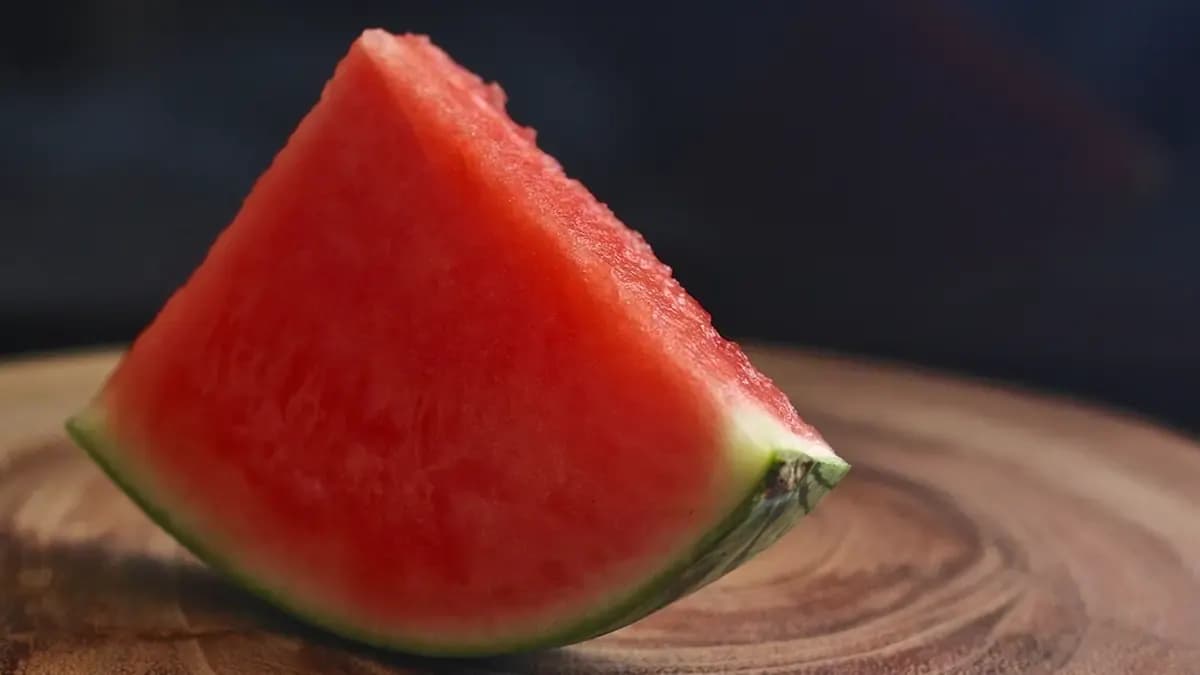
Citrulline is sold as a pre-workout supplement and as a way to support healthy blood pressure, and it is also the amino acid that gives watermelon its name. The popular claim is that it boosts nitric oxide, helps blood flow and improves exercise. Several meta-analyses of randomised trials now let us check that claim. This guide explains what they found for exercise, blood pressure and body composition, where the evidence is weak, and who should talk to a doctor first.
⚕️ Medical Disclaimer
This article is general information, not medical advice. Do not stop or change blood pressure medicine because of what you read here. Citrulline may lower blood pressure a little, so anyone taking medicines for high blood pressure, or who has a heart condition, should speak to a doctor or pharmacist before starting a supplement. Chest pain, severe breathlessness or fainting needs urgent medical assessment.
The short version
- Citrulline is an amino acid found in watermelon. The body turns it into arginine, which is used to make nitric oxide, a molecule that helps blood vessels relax.
- A 2026 meta-analysis of 30 trials found that citrulline malate was linked with a small improvement in exercise performance, but the certainty of the evidence was rated low to very low.
- A 2023 meta-analysis of 9 studies found no significant benefit of a single dose of citrulline for endurance performance in young healthy adults.
- A 2025 meta-analysis of 15 trials found that citrulline supplements or watermelon intake lowered blood pressure by a few mmHg in middle-aged and older adults, with a larger drop in a small subgroup that combined citrulline with arginine.
- A 2025 meta-analysis of 21 trials found no overall effect of citrulline on body weight or fat mass.
What is citrulline?
Citrulline is a non-essential amino acid, which means the body can make it. It is found in high amounts in watermelon, and it is sold as L-citrulline, or as citrulline malate, which pairs it with malic acid. Once absorbed, it is converted to arginine, and arginine is used to make nitric oxide. That chain is why it is marketed for blood flow, muscle pump and exercise recovery.

Does citrulline improve exercise performance?
The 2026 review of citrulline malate
A 2026 systematic review and meta-analysis in Nutrients pooled 30 randomised trials, with 138 effect sizes from 644 participants, on citrulline malate. Supplementation was associated with a small improvement in overall exercise performance (effect size 0.16), but the authors noted that the prediction intervals were wide and the statistical power was limited. The effect on perceived exertion was not statistically significant. Evidence looked more stable for single doses than for longer courses, and exploratory results hinted at benefits for aerobic endurance and short anaerobic tasks, but these did not hold up across sensitivity analyses. The certainty of evidence ranged from low to very low, and reliable doses, timing and target groups have not been established.
[Wang X et al., Nutrients, 2026, effects of citrulline malate supplementation on exercise performance: a systematic review and three-level meta-analysis.]The 2023 review of endurance exercise
An earlier meta-analysis in the Journal of the International Society of Sports Nutrition focused on endurance. It pooled 9 trials with 158 recreationally active adults, measuring time to exhaustion or time to complete a steady, moderate-intensity effort. After a single dose, citrulline made no significant difference compared with placebo for either time to exhaustion or time to completion. The authors concluded that there was no significant benefit for endurance performance, although the evidence base was small and more research was needed, especially in women and with higher doses taken for a week or more.
[Harnden CS et al., Journal of the International Society of Sports Nutrition, 2023, effects of citrulline on endurance performance in young healthy adults: a systematic review and meta-analysis.]
Taken together, the exercise evidence is thin. If it helps at all, the effect is small and may depend on the type of exercise. It is not a substitute for training, sleep and food. Our guide to performance supplements that actually work compares it with better-supported options.
Does citrulline lower blood pressure?
This is the area with the more consistent signal, although the evidence is smaller than it first appears. An earlier, widely cited 2019 meta-analysis that reported larger drops has since been retracted, so it is not relied on here. Retractions are uncommon, but they are a reminder to treat any single review with some caution, and to check that its authors, methods and conclusions still stand.
The main analysis now available is a 2025 meta-analysis in Clinical Nutrition ESPEN, which looked at middle-aged and older adults. It included 15 trials, with 24 datasets and 415 participants, covering L-citrulline and watermelon intake. Systolic pressure fell by about 4.0 mmHg and diastolic pressure by about 2.5 mmHg. In a subgroup that combined it with arginine, systolic pressure dropped by about 10.4 mmHg, although that comes from a small number of trials.
[Luo P et al., Clinical Nutrition ESPEN, 2025, does L-citrulline supplementation and watermelon intake reduce blood pressure in middle-aged and older adults? A systematic review and meta-analysis of randomized controlled trials.]These reductions are modest and the trials were small, so citrulline cannot replace prescribed treatment. Our guides to beetroot juice and blood pressure and walking after meals cover other low-risk steps with their own evidence.
Does citrulline help with weight or body composition?
A 2025 systematic review and dose-response meta-analysis in Nutrients included 21 randomised trials. Overall, citrulline had no substantial effect on body mass index, body weight, fat mass, waist circumference, body fat percentage or fat-free mass. Some subgroups looked better, including a reduction in fat mass in people over 40 and in those taking more than 6 grams a day, and a gain in fat-free mass over 3 to 8 weeks, but the authors described these findings as exploratory. It should not be relied on for weight loss.
[Ashtary-Larky D et al., Nutrients, 2025, effects of citrulline or watermelon supplementation on body composition: a systematic review and dose-response meta-analysis.]How much citrulline do people take?
The trials used a range of doses and forms, so there is no single proven amount. The blood pressure meta-analysis combined many different doses and forms, while the body composition review looked at doses above 6 grams a day in subgroups. The latest exercise review found no significant differences by dose or timing. Labels vary a lot between L-citrulline and citrulline malate, so check the amount of actual citrulline in a serving before comparing products.
Safety and who should check first
The reviews cited here were designed to test benefit rather than long-term safety, so safety over long periods or at high doses is not well established. Because it can lower blood pressure, people who already take blood pressure medicines should check with a doctor or pharmacist first, in case their treatment needs monitoring. The same applies to people with heart or kidney conditions and to anyone who is pregnant or breastfeeding. Eating watermelon is a food choice rather than a supplement, and the amount of citrulline in a portion of fruit is likely to be lower than in a supplement dose.
What to do first instead
For blood pressure, the basics have the strongest evidence: regular activity, less salt and alcohol, a healthy weight, enough sleep and taking prescribed medicine as directed. For performance, consistent training, enough protein and recovery matter far more than any supplement. If you are interested in nitrate and nitric oxide, beetroot juice is another well-studied option, and omega-3 supplements are covered in our complete guide.
Frequently Asked Questions
Does citrulline lower blood pressure?
A little. A 2025 meta-analysis of 15 trials in middle-aged and older adults found systolic pressure fell by about 4.0 mmHg and diastolic by about 2.5 mmHg with citrulline or watermelon intake. The trials were small, so it is not a replacement for prescribed treatment.
Does citrulline improve workouts?
Possibly slightly. A 2026 meta-analysis of 30 trials found a small improvement in exercise performance with citrulline malate, but the certainty of evidence was low to very low. A 2023 meta-analysis found no significant benefit for endurance performance after a single dose.
Is citrulline the same as arginine?
No, but the body converts citrulline into arginine, which is then used to make nitric oxide. The reviews in this article tested citrulline supplements, and one subgroup that combined citrulline with arginine showed larger blood pressure drops, based on a small number of trials.
Does citrulline help you lose weight?
Not overall. A 2025 meta-analysis of 21 trials found no substantial effect on body weight, BMI, fat mass or waist circumference. Some subgroups looked more promising, but those results were described as exploratory.
How much citrulline should I take?
There is no single proven dose. The blood pressure trials used many different doses and forms, and the latest exercise review found no significant differences by dose or timing. Ask a doctor or pharmacist for advice, especially if you take regular medicines.
Does watermelon give you enough citrulline?
Watermelon is a natural source and it was included in some of the blood pressure trials, but a serving of fruit is likely to contain less citrulline than a typical supplement dose. It is a healthy food in its own right rather than a replacement for a supplement.
Rate this article
Click on a star to rate this article
Keep Reading
Taurine Supplements: What the Research Shows
Taurine supplements: what meta-analyses found for blood pressure, blood sugar and exercise, what did not work, safe dose and who should ask a doctor.
Read article →
supplementsMagnesium and Blood Pressure: What the Research Shows
Magnesium and blood pressure: what 2024-2026 meta-analyses found, why the dose advice differs, who may benefit, and who should ask a doctor first.
Read article →
supplementsLutein and Eye Health: What the Research Shows
Lutein and eye health: what the 2023 Cochrane review and 2024-2026 meta-analyses found for macular degeneration and vision, and what to know about safety.
Read article →

Vitality & Strength Editorial Team
Independent research synthesists — not licensed clinicians
Independent health writers and research synthesists. We are not doctors or registered dietitians; every claim we publish is sourced and linked to primary research, and we take no affiliate or industry money.