Green Tea and Weight Loss: What the Research Shows
Green tea and weight loss: what 2024 and 2025 meta-analyses of trials found, how small the effect was, and why extracts are not the same as a cup of tea.
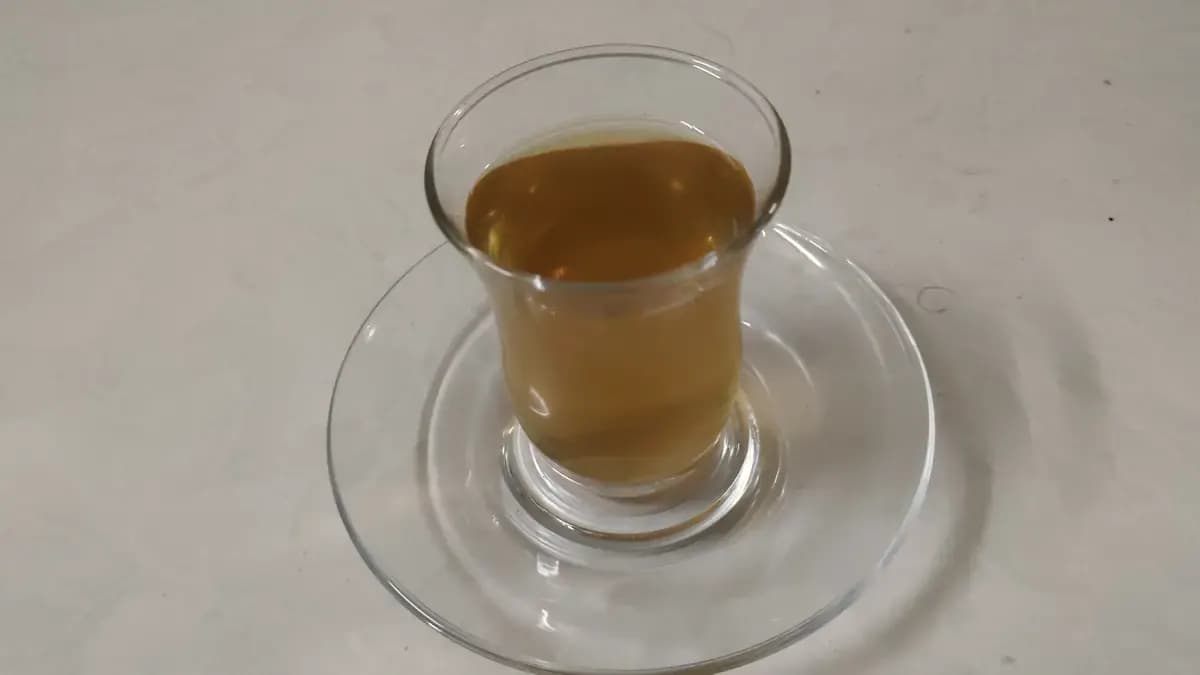
Green tea and weight loss is one of the most-searched drink questions in wellness, and the claims range from modest to miraculous. The trials show a real but small effect, and most of them tested concentrated green tea extracts rather than the tea you drink. This guide goes through what recent meta-analyses found about the effect on body weight, how big the effects were, and where the evidence is weaker, including blood pressure and fat-related markers.
⚕️ Medical Disclaimer
This article is general information, not medical advice. Concentrated green tea extracts have been linked with rare but serious liver problems, so avoid high-dose extract supplements unless a doctor agrees. Green tea contains caffeine, and it can reduce absorption of iron. If you are pregnant, have liver or kidney disease, take blood thinners or other medicines, or have heart rhythm problems, speak to a doctor before using green tea supplements.
The short version
- A 2024 meta-analysis in the British Journal of Nutrition pooled 59 randomised trials with 3,802 participants. Green tea extract reduced body mass, body fat percentage and BMI, and increased adiponectin, but did not change fat mass, leptin or ghrelin.
- A 2025 meta-analysis in the International Journal of Food Sciences and Nutrition, found green tea supplementation reduced body weight by about 0.74 kg, BMI by about 0.29, waist circumference by about 1.04 cm and body fat percentage by about 0.65 percentage points.
- A 2025 meta-analysis in Blood Pressure, covering 36 trials, found small reductions in systolic and diastolic blood pressure of about 1 mm Hg each, with high heterogeneity.
- In short, green tea and weight loss show a consistent but small effect, measured in kilograms and centimetres, not a fat-burning breakthrough.
What is green tea, and what are the trials testing?
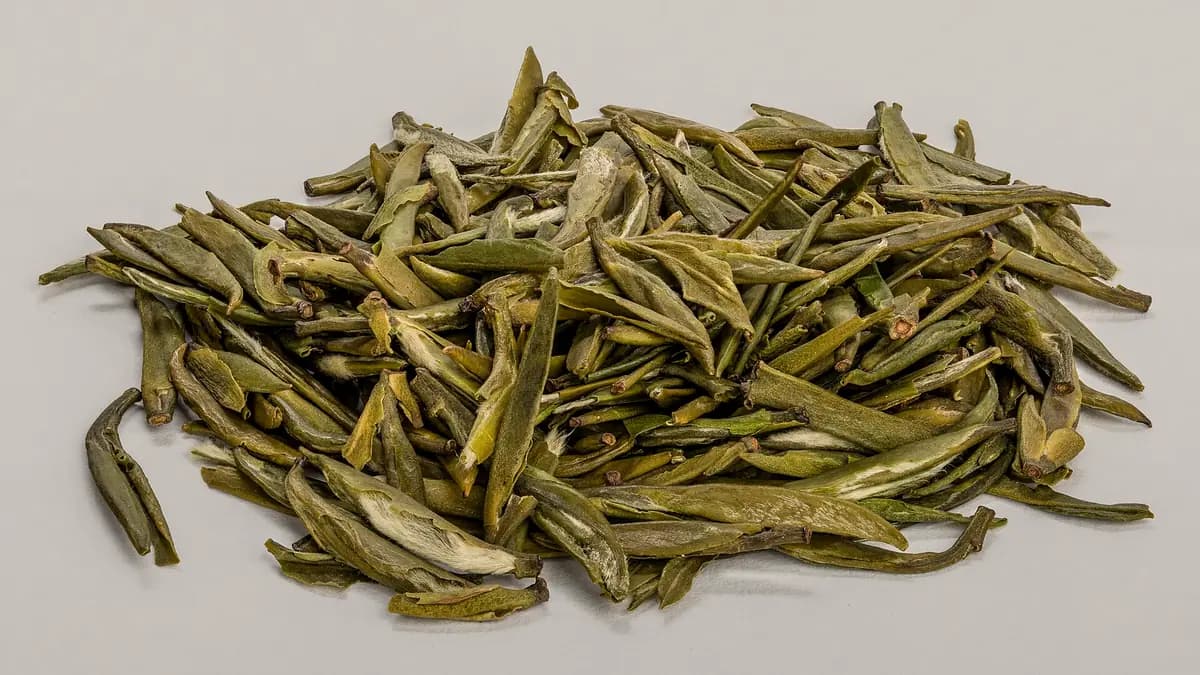
Green tea is made from the leaves of Camellia sinensis, the same plant as black tea, but the leaves are not fermented. That leaves more catechins, a group of plant compounds that includes epigallocatechin gallate (EGCG), and these are the compounds most often linked with metabolic effects. Most of the weight-loss trials did not test a cup of tea. They tested green tea extract capsules, which deliver much more catechin and some caffeine than a typical cup. That difference matters, because the results of extract trials do not automatically carry over to drinking tea.
Green tea and weight loss: what the 2024 and 2025 reviews found
Body composition in the 2024 review
A 2024 meta-analysis pooled 59 randomised trials with 3,802 participants. Green tea extract significantly reduced body mass, body fat percentage and BMI, and reduced the oxidative stress marker malondialdehyde. It increased adiponectin, a hormone linked with insulin sensitivity, and total antioxidant capacity. It did not change fat mass, leptin or ghrelin. The authors rated the certainty of evidence as ranging from low to high across outcomes, so the strength of each finding differs.
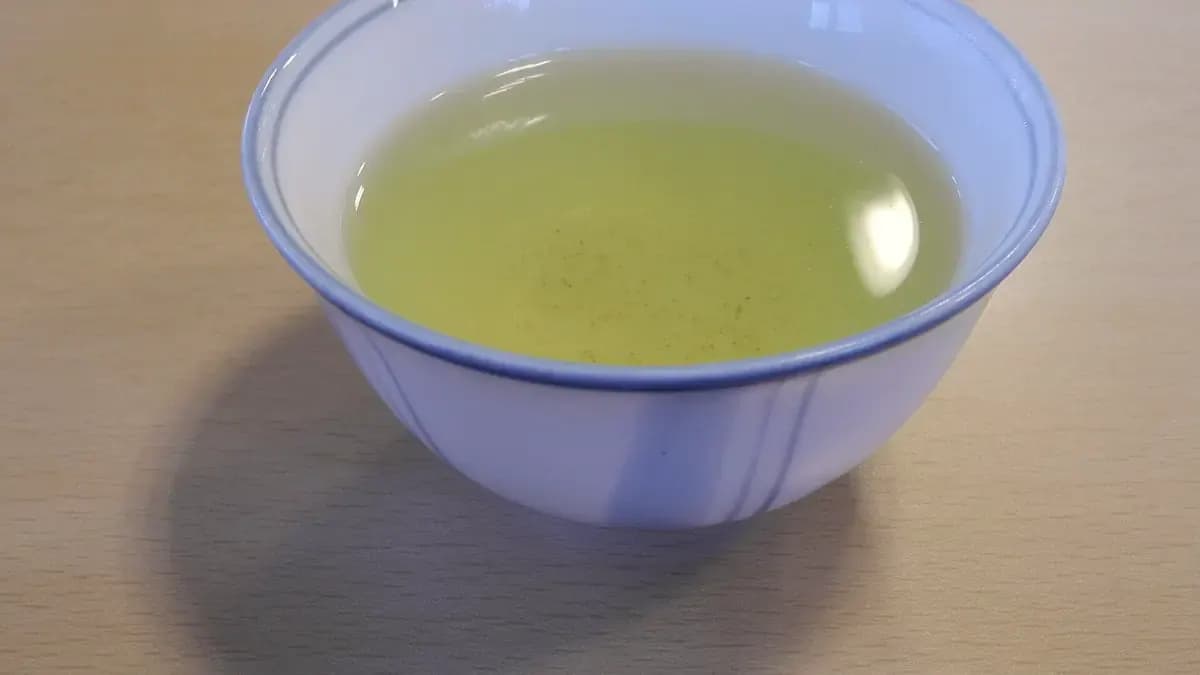
Weight, BMI and waist in the 2025 review
A 2025 meta-analysis in the International Journal of Food Sciences and Nutrition pooled trials on obesity measures. Green tea supplementation reduced body weight by 0.74 kg, BMI by 0.29 kg per square metre, waist circumference by 1.04 cm and body fat percentage by 0.65 percentage points. It also reduced leptin, but did not change adiponectin. The effects are real but small, and a difference of under a kilogram over a study period is unlikely to change how anyone looks or feels by itself.
Blood pressure in the 2025 review
A 2025 meta-analysis in Blood Pressure included 36 randomised trials and found that green tea reduced systolic pressure by about 1.08 mm Hg and diastolic by about 1.09 mm Hg. Heterogeneity was high (I2 of 85 percent for systolic). The stronger effects appeared in people with higher baseline blood pressure, in Asian populations, in women, and in shorter studies, This is a useful reminder that green tea and weight loss are not the only health claims worth checking.
Why the green tea and weight loss effect is probably small
Several factors explain why the numbers are modest. Catechins and caffeine can slightly raise energy expenditure, but the amounts in trials are small relative to daily energy intake. The studies often ran for weeks rather than years, and most participants were not following a structured diet. Heterogeneity was high in several reviews, which means the trials disagreed about how much weight they lost. And many participants were tested in trials where the results were compared with placebo, which controls for expectation but not for the rest of their diet.
Safety: why extracts are not the same as tea
Green tea is widely drunk without problems, but concentrated green tea extracts have been linked with liver injury in rare cases, and supplement labels rarely give a clear dose. Extracts can also contain more caffeine than you expect. Tea itself can reduce absorption of iron, especially if you drink it with meals, so people with low iron or who are at risk of iron deficiency should time their tea away from iron-rich foods. Supplements of any kind deserve the same caution. If you take medicines, check for interactions before using extracts.
How much green tea, and how to try it without hype
If you already enjoy green tea, a few cups a day is a reasonable habit for most healthy adults, and it fits well with the wider evidence on food and drink. For weight loss, the trial effects are small, so tea works best as part of a whole plan that includes food quality, protein and movement. Our potassium and blood pressure guide covers a nutrient with a clearer link to blood pressure. If you also drink coffee, our coffee and mortality guide explains what the large cohort studies found.
Who should be careful
People with liver disease, pregnant or breastfeeding women, people with anaemia or iron deficiency, people with heart rhythm problems or anxiety, and anyone taking blood thinners or other medicines should be cautious with green tea extracts. Children should not use extracts without medical advice.
How to judge green tea and weight loss claims
Because green tea is popular, claims go far beyond the trials. A few questions help.
- Was it a tea or an extract? Most trials used concentrated extract capsules.
- How big was the effect? Kilograms and centimetres, not dramatic losses.
- How long did it last? Most trials were weeks, not years.
- What about the rest of the diet? Trials often controlled diet loosely, which affects how much tea itself mattered.
- Was there high variation? Several reviews reported high heterogeneity, so averages hide a lot of spread.
The most defensible summary of green tea and weight loss is that the effects are consistent but modest, that they come mostly from extracts in trials, and that drinking green tea is a safe, mild habit rather than a fat-loss strategy.
Frequently Asked Questions
Does green tea help you lose weight?
Modestly, according to meta-analyses of randomised trials. A 2025 review found green tea supplementation reduced body weight by about 0.74 kg and waist circumference by about 1 cm, but these changes are small and most trials tested extracts rather than tea.
Is green tea extract safe?
Concentrated extracts have been linked with rare liver injury, and labels rarely give a clear dose. Avoid high-dose extract supplements unless a doctor agrees, especially if you have liver disease or take other medicines.
How much green tea should I drink?
Most healthy adults can enjoy a few cups a day. The trials used extract doses that are much higher than a cup, so drinking tea does not reproduce the trial conditions exactly.
Does green tea lower blood pressure?
Only slightly. A 2025 meta-analysis of 36 trials found reductions of about 1 mm Hg in systolic and diastolic pressure, with high variation between studies.
Can green tea affect iron?
Yes. Tea can reduce how much iron your body absorbs, especially with meals. People with low iron should drink tea between meals rather than alongside iron-rich food, and should check with a clinician.
References
[Systematic review and meta-analysis of green tea extract and body composition, British Journal of Nutrition, 2024. PMID 38031409] [Systematic review and meta-analysis of green tea and obesity indices, International Journal of Food Sciences and Nutrition, 2025. PMID 40326418] [Systematic review and meta-analysis of green tea and blood pressure, Blood Pressure, 2025. PMID 40497293] [Photo: Nizil Shah, CC BY-SA 4.0, via Wikimedia Commons (cropped and colour-graded)] [Photo: Douglas P Perkins, CC BY 3.0, via Wikimedia Commons (cropped and colour-graded)] [Photo: CEphoto, Uwe Aranas, CC BY-SA 4.0, via Wikimedia Commons (cropped and colour-graded)]Rate this article
Click on a star to rate this article
Keep Reading
Potassium and Blood Pressure: What the Research Shows
Potassium and blood pressure: what 2017 to 2026 meta-analyses of trials found, how big the drop was, and why food is safer than a supplement.
Read article →
nutritionHigh Protein Dinner Recipes for Weight Loss (8 Meals)
Eight high protein dinner recipes for weight loss with protein, fibre and calorie estimates, plus what meta-analyses say about protein, appetite and muscle.
Read article →
nutritionBeetroot Juice and Blood Pressure: What the Research Shows
Beetroot juice and blood pressure: what meta-analyses of trials found for systolic and diastolic pressure, dose and duration, and who it may not help.
Read article →

Vitality & Strength Editorial Team
Independent research synthesists — not licensed clinicians
Independent health writers and research synthesists. We are not doctors or registered dietitians; every claim we publish is sourced and linked to primary research, and we take no affiliate or industry money.