High Protein Dinner Recipes for Weight Loss (8 Meals)
Eight high protein dinner recipes for weight loss with protein, fibre and calorie estimates, plus what meta-analyses say about protein, appetite and muscle.
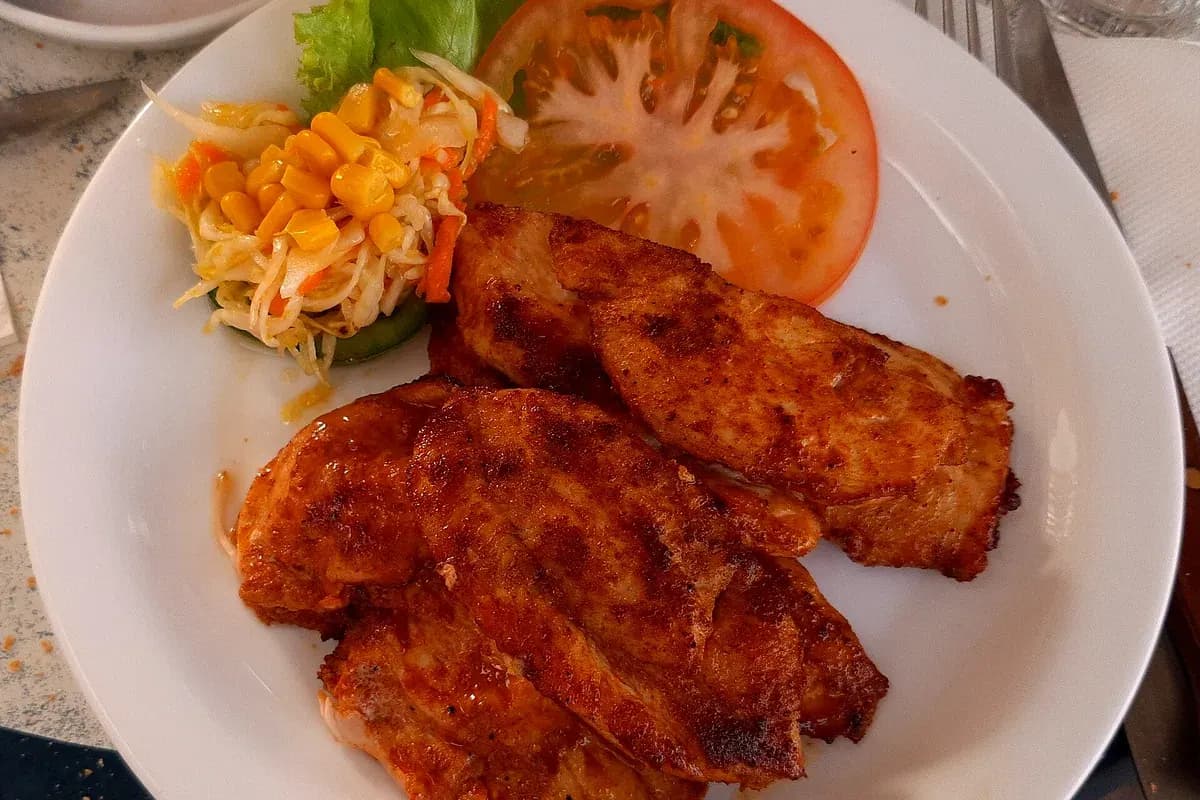
High protein dinner recipes for weight loss are popular because protein is the most filling nutrient and the one most likely to protect muscle while you eat less. The evidence is more modest than the headlines: pooled trials show a small extra benefit, not magic. This guide gives eight dinners built around 30 to 48 grams of protein and 8 to 16 grams of fibre per serving, with estimated numbers you can check, then goes through what the research actually shows about protein, appetite and muscle during weight loss.
⚕️ Medical Disclaimer
This article is general information, not medical advice. The nutrition figures are estimates from standard food-composition values for the quantities listed, not laboratory analyses, and real portions vary by 10 to 15 percent. If you have kidney disease, are pregnant, are under 18, take diabetes medicines or have an eating disorder, speak to a doctor or registered dietitian before changing your protein intake or calorie level.
The short version
- A 2012 meta-analysis of 24 trials (1,063 adults, about 12 weeks) found energy-restricted high protein diets gave 0.79 kg more weight loss and 0.87 kg more fat loss than standard protein diets, which the authors called modest benefits.
- A 2024 meta-analysis of randomised trials in adults with overweight or obesity found higher protein intake reduced the loss of muscle mass during weight loss; intakes above 1.3 g per kg a day were linked to more muscle mass, and below 1.0 g per kg to a higher risk of losing it.
- A 2020 meta-analysis found a single protein dose suppresses appetite for a few hours, but the long-term trials were inconclusive, so protein is a tool for fullness, not a replacement for a calorie deficit.
- Aim for about 30 to 40 grams of protein at dinner from whole foods and add fibre from beans, lentils or vegetables, which are covered in our guide to fibre and the gut microbiome.
What the research says about protein and weight loss
More fat loss and less lean mass loss, but modestly
The 2012 meta-analysis in the American Journal of Clinical Nutrition compared energy-restricted high protein, low fat diets with standard protein, low fat diets in 24 trials. High protein gave 0.79 kg more weight loss (95% CI 0.08 to 1.50 kg) and 0.87 kg more fat mass loss (95% CI 0.48 to 1.26 kg). People on the higher protein diets lost 0.43 kg less fat-free mass, their resting energy expenditure fell less, and triglycerides dropped more. Glucose, insulin, blood pressure and cholesterol did not differ. Over about 12 weeks, these are small differences, which is why we describe the benefit as modest rather than transformative.
Protecting muscle while you lose weight
A 2024 systematic review and meta-analysis in Clinical Nutrition ESPEN covered 47 studies with 3,218 adults with overweight or obesity. Higher protein intake significantly reduced muscle mass loss during weight loss (standardised mean difference 0.75, 95% CI 0.41 to 1.10). It did not significantly change strength or physical function. In subgroup analysis, intakes above 1.3 grams per kilogram per day were linked to increased muscle mass, and below 1.0 gram per kilogram to a higher risk of muscle loss. For a 70 kg person, 1.3 g per kg is about 91 grams a day, which you can estimate with our protein calculator.
Appetite: real in the short term, unclear in the long term
A 2020 systematic review in Physiology and Behavior looked at protein and appetite in healthy adults: 49 publications on acute effects and 19 on long-term effects. A protein meal lowered hunger by about 7 mm and raised fullness by about 10 mm on visual analogue scales compared with an equal-calorie control, and it lowered ghrelin while raising cholecystokinin and GLP-1. The long-term trials did not show these changes, apart from a decrease in GLP-1, and the authors said more trials are needed. So a high protein dinner may help you feel full that evening, but there is no proof it fixes appetite for months. If you are curious about whether protein-related hormones can be mimicked by supplements, see our GLP-1 supplements review.
Protein does not replace a calorie deficit
Weight loss still depends on eating fewer calories than you use. Protein helps you hold that deficit and keep muscle, but a large high protein dinner on top of an unchanged diet will not cause weight loss. Our guide to a safe calorie deficit explains how to size it, and protein timing explains why total daily protein matters more than a precise meal window.
How we calculated the recipes
Each recipe is built from the quantities listed, and the numbers per serving are estimates from standard food-composition values (USDA-style averages for raw meat and cooked legumes). We did not send them for lab analysis, so treat them as a guide. Oil, salt and seasoning are included where listed. Swap ingredients and the numbers change, so recheck them if you do.
Eight high protein dinner recipes
1. Sheet-pan chicken with chickpeas and broccoli
About 48 g protein, 480 kcal, 10 g fibre, 35 minutes. Toss 170 g raw chicken breast, 100 g drained canned chickpeas and 150 g broccoli florets with 1 tablespoon olive oil, lemon zest, garlic powder and salt. Roast at 220 C (425 F) for 22 to 25 minutes, until the chicken reaches 75 C (165 F) in the centre. Squeeze over lemon and serve straight from the tray.
2. Cottage cheese pasta with spinach
About 35 g protein, 435 kcal, 8 g fibre, 20 minutes. Cook 70 g dry wholewheat pasta. Blend 150 g low-fat cottage cheese with 15 g grated parmesan, black pepper and a splash of pasta water until smooth, then warm it gently with 80 g spinach until the leaves wilt. Toss with the pasta. Do not boil the sauce hard or it will split.
3. Turkey and black bean chilli
About 36 g protein, 400 kcal, 14 g fibre, 35 minutes. Brown 120 g raw lean turkey mince with 100 g chopped onion and pepper, add 150 g chopped tomatoes, 120 g cooked black beans, chilli powder and cumin, and simmer for 20 minutes. Serve with a spoonful of plain yogurt.
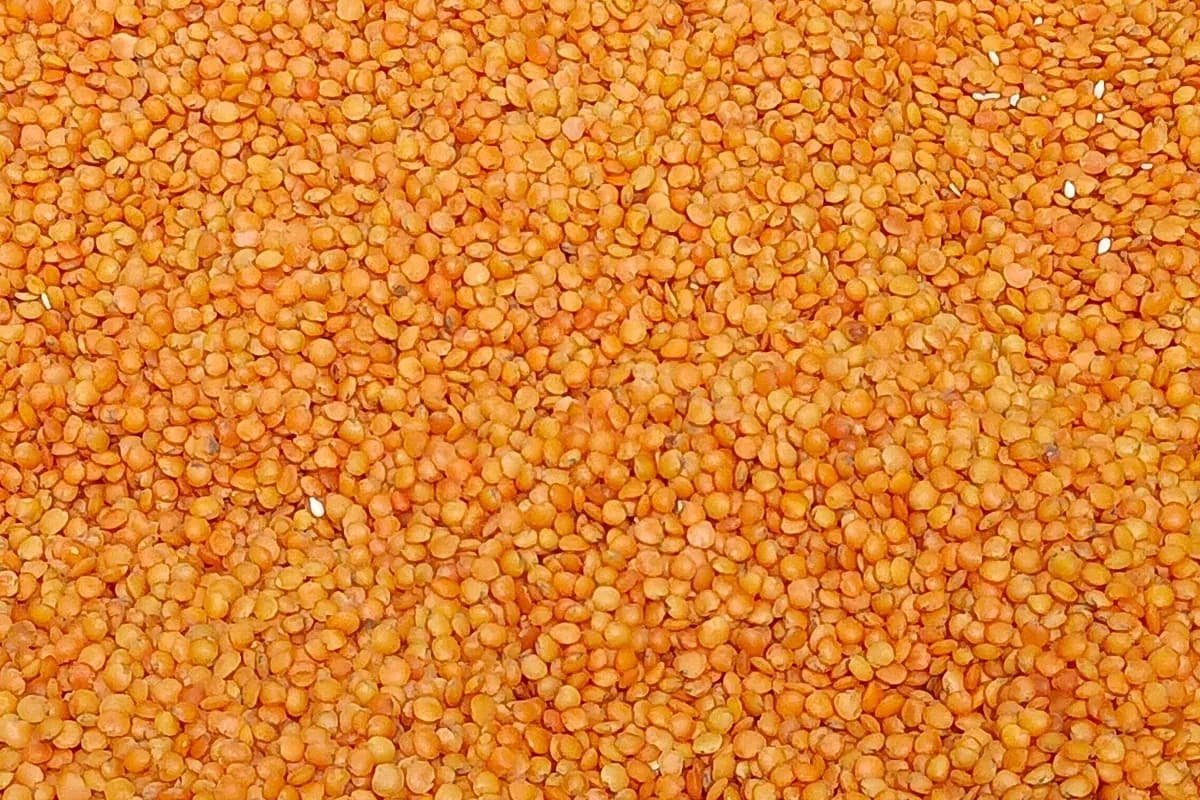
4. Baked salmon with lentils and greens
About 44 g protein, 535 kcal, 11 g fibre, 25 minutes. Bake a 150 g salmon fillet at 200 C (400 F) for 12 to 14 minutes. Warm 120 g cooked lentils with 100 g spinach and half a tablespoon of olive oil, and season with lemon and black pepper. Salmon adds omega-3 fats as well as protein.
5. Egg and edamame fried rice
About 30 g protein, 510 kcal, 10 g fibre, 20 minutes. Scramble 2 eggs, then stir-fry 100 g thawed shelled edamame, 100 g mixed vegetables and 150 g cooked brown rice in 1 teaspoon oil, finish with a little soy sauce, and fold the egg back in. Use day-old rice for better texture.
6. Tuna and white bean salad
About 37 g protein, 415 kcal, 10 g fibre, 10 minutes. Mix 120 g drained tuna in water with 120 g drained cannellini beans, 100 g chopped tomato, cucumber and red onion, 1 tablespoon olive oil, lemon juice and parsley. It needs no cooking, so it suits busy evenings. People who eat tuna often should vary it with other fish.
7. Tofu and vegetable peanut stir-fry
About 31 g protein, 535 kcal, 9 g fibre, 25 minutes. Press and cube 200 g firm tofu, brown it in 1 teaspoon oil, then stir-fry 200 g mixed vegetables, add a sauce of soy, lime and 15 g crushed peanuts, and serve over 100 g cooked brown rice. A plant-based option with less protein than the meat dishes but still near 30 g.
8. Beef and lentil bolognese
About 44 g protein, 530 kcal, 16 g fibre, 35 minutes. Brown 120 g raw lean (5 percent fat) beef mince, add 100 g cooked lentils, 150 g tomato passata, garlic and oregano, and simmer for 20 minutes. Serve over 60 g dry wholewheat spaghetti. Lentils stretch the meat and lift the fibre.
How to build your own high protein dinner
- Start with a palm-sized portion of a protein source: chicken, fish, eggs, tofu, lean beef, cottage cheese or Greek yogurt.
- Add 100 to 150 g of beans, lentils or vegetables for fibre and volume.
- Keep the carbohydrate portion modest and wholegrain.
- Count added oil: one tablespoon is about 120 kcal, which can quietly double the fat in a meal.
- Batch cook two of the recipes above on a Sunday, which our meal prep guide covers in detail.
Who should be careful with high protein diets
Healthy adults can usually eat these amounts, but people with chronic kidney disease are often advised to limit protein, so check with a doctor first. Pregnant women, teenagers, and anyone with a history of disordered eating should not follow a calorie deficit without professional support. If you take insulin or other diabetes medicines, changes in food intake can change your dosing needs.
Key takeaway
High protein dinner recipes for weight loss are a sensible tool: trials show modestly more fat loss, less muscle loss and a short-term fullness effect, especially when intake is above roughly 1.3 g per kg a day. They work alongside a calorie deficit, not instead of one. Pick two or three of the recipes above, check the numbers against your own ingredients and keep fibre high so dinner stays filling.
If you are also thinking about when you eat, see our review of 12 hour fast benefits and what the trials on meal timing found.
If you lift weights alongside a high protein diet, our review of creatine monohydrate benefits covers what trials found for strength and lean mass.
Frequently Asked Questions
How much protein should I eat at dinner to lose weight?
There is no single proven number per meal. A 2024 meta-analysis linked intakes above 1.3 g per kg of body weight a day to more muscle mass during weight loss, and below 1.0 g per kg to a higher risk of muscle loss. Spreading that over three meals gives roughly 25 to 40 grams at dinner for many adults, but your total for the day matters more than the exact amount at one meal.
Do high protein diets really help weight loss?
A 2012 meta-analysis of 24 trials found about 0.79 kg more weight loss and 0.87 kg more fat loss than standard protein diets over roughly 12 weeks, which the authors described as modest. Protein helps most when you are already eating fewer calories than you use.
Is a high protein diet safe?
For most healthy adults, yes, at the intakes discussed here. People with kidney disease, pregnancy, a history of eating disorders or those under 18 should speak to a doctor or dietitian first, and anyone on diabetes medicines should check how food changes affect their doses.
Is cottage cheese or Greek yogurt better for protein?
Both are useful. Low-fat cottage cheese gives roughly 12 g of protein per 100 g, and plain Greek yogurt about 9 to 10 g per 100 g, depending on the brand, so check the label. Cottage cheese works well in sauces and bowls, while yogurt suits toppings and dressings.
Can I get enough protein at dinner on a vegetarian diet?
Yes, but it takes planning. Lentils, beans, tofu, edamame, eggs and dairy can provide 25 to 35 grams of protein in a dinner. The tofu stir-fry and egg and edamame rice above are examples, and combining beans or lentils with grains or other protein foods helps cover amino acids across the day.
References
[Wycherley TP et al., "Effects of energy-restricted high-protein, low-fat compared with standard-protein, low-fat diets: a meta-analysis of randomized controlled trials," American Journal of Clinical Nutrition, 2012. PMID 23097268] [Kokura Y et al., "Enhanced protein intake on maintaining muscle mass, strength, and physical function in adults with overweight/obesity: a systematic review and meta-analysis," Clinical Nutrition ESPEN, 2024. PMID 39002131] [Kohanmoo A et al., "Effect of short- and long-term protein consumption on appetite and appetite-regulating gastrointestinal hormones, a systematic review and meta-analysis of randomized controlled trials," Physiology and Behavior, 2020. PMID 32768415] [USDA FoodData Central, food composition values used for the estimates] [Photo: Gerda Arendt, CC0, via Wikimedia Commons (cropped and colour-graded)] [Photo: Fumikas Sagisavas, CC0, via Wikimedia Commons (cropped and colour-graded)] [Photo: Gerda Arendt, CC0, via Wikimedia Commons (cropped and colour-graded)]Rate this article
Click on a star to rate this article
Keep Reading
Green Tea and Weight Loss: What the Research Shows
Green tea and weight loss: what 2024 and 2025 meta-analyses of trials found, how small the effect was, and why extracts are not the same as a cup of tea.
Read article →
nutritionProtein Timing: Why Total Daily Intake Wins
Protein timing matters far less than your daily total. See what the research says about the anabolic window and how much protein per meal.
Read article →
nutritionBest Protein Sources for Muscle Growth, and How Much You Need
The measured protein content of common foods from USDA data, plus the two meta-analyses that put the ceiling at about 1.6 g/kg/day.
Read article →

Vitality & Strength Editorial Team
Independent research synthesists — not licensed clinicians
Independent health writers and research synthesists. We are not doctors or registered dietitians; every claim we publish is sourced and linked to primary research, and we take no affiliate or industry money.