Black Seed: What the Research Shows
Black seed (Nigella sativa): what 2025-2026 meta-analyses found for blood sugar, cholesterol and blood pressure, how big the effects are, and safety.
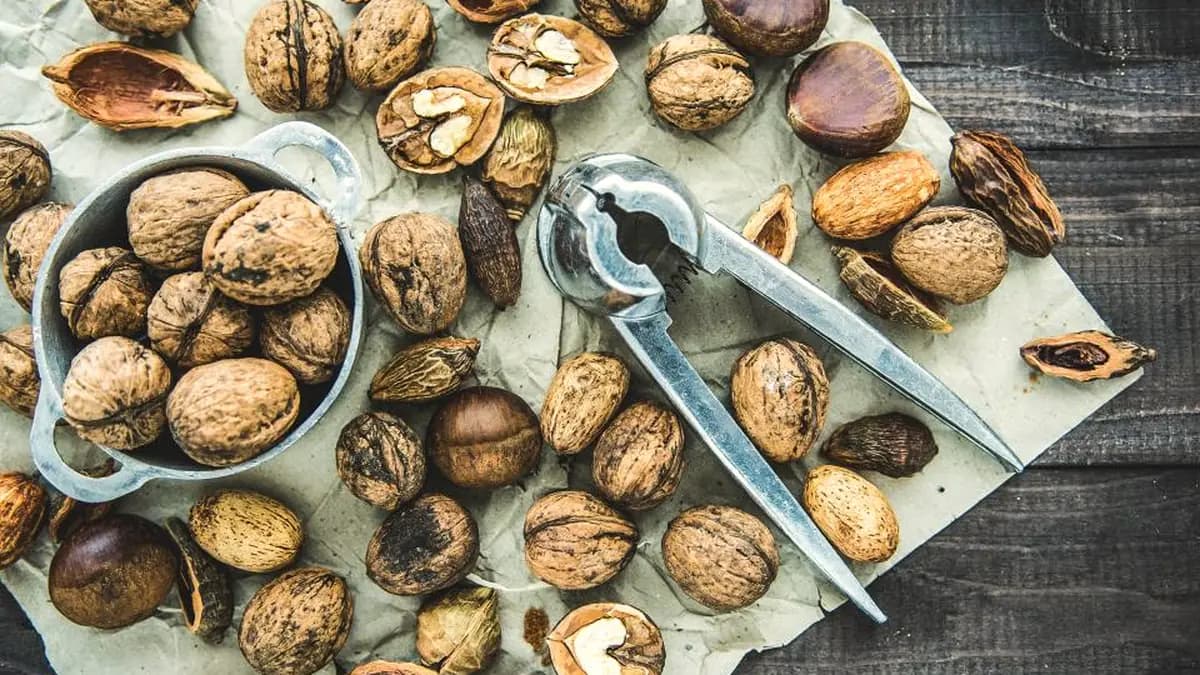
Black seed, also sold as black cumin or Nigella sativa, is a small dark seed used for centuries in cooking and traditional medicine. In recent years it has become a popular supplement, usually as oil or capsules, with claims about blood sugar, cholesterol and blood pressure. Pooled results from randomised trials do show modest improvements in some of those markers. They also show gaps, large differences between trials and several outcomes that did not change. This guide explains what the 2025 and 2026 meta-analyses found, how big the effects were, and what to check before taking it.
⚕️ Medical Disclaimer
This article is general information, not medical advice. Do not stop or change medicine for diabetes, blood pressure or cholesterol because of what you read here. Black seed can affect blood sugar and blood pressure, so people taking medicine for either, people who are pregnant or breastfeeding, and anyone with liver or kidney disease should speak to a doctor or pharmacist before using it. Supplements vary in strength and quality.
The short version
- A 2025 meta-analysis of 82 studies with 5,026 participants, using doses from 200 to 4,600 mg a day for 1 to 48 weeks, found improvements in blood pressure, blood sugar, cholesterol, body weight and several inflammation markers.
- A 2026 meta-analysis of 31 trials with 2,145 people with metabolic conditions found systolic blood pressure fell by about 3.3 mmHg and diastolic by about 2.8 mmHg, with falls in fasting blood sugar and HbA1c, but no effect on insulin resistance or waist size.
- A 2025 meta-analysis of 16 trials in people with type 2 diabetes found lower fasting blood glucose, HbA1c, total cholesterol and LDL cholesterol, but no clear effect on triglycerides, HDL cholesterol or body weight.
- The trials differ a lot in dose, form and quality, so the numbers are best read as modest, not guaranteed.
What is black seed?
Black seed comes from the plant Nigella sativa, which is grown across South and West Asia and the Middle East. The seeds are used as a spice and pressed into oil. Their best-known compound is thymoquinone, which has been studied in laboratory and animal work for effects on inflammation and oxidative stress. Those lab findings are a reason for interest, not proof that a supplement helps people, which is why the human trials below matter most.
What the meta-analyses found
The 2025 cardiovascular risk factor review
The largest recent analysis was published in 2025 in Pharmacological Research. It pooled 82 studies, including 79 quantitative ones, with 5,026 participants. Doses ranged from 200 mg to 4,600 mg a day and trials lasted from 1 to 48 weeks. Black seed supplementation was linked with improvements in body fat percentage, body mass index, waist circumference, systolic and diastolic blood pressure, fasting blood sugar, HbA1c, total and LDL cholesterol, triglycerides, HDL cholesterol and markers of inflammation such as C-reactive protein. The authors used GRADE to rate the certainty of evidence and concluded that black seed could be a promising adjunct therapy for cardiovascular risk factors. The abstract does not give effect sizes for every outcome, and combining so many different trials means the results hide wide variation.
[Jafari et al., Pharmacological Research, 2025, Nigella sativa supplementation and cardiovascular disease risk factors: GRADE-assessed systematic review and dose-response meta-analysis of 82 randomised trials.]People with metabolic conditions
A 2026 meta-analysis in Endocrinology, Diabetes and Metabolism focused on people with conditions such as type 2 diabetes and obesity. It pooled 31 trials with 2,145 participants. Black seed was linked with a weight loss of about 1.6 kg (95% confidence interval 0.15 to 3.03), a lower body mass index (about 0.5 points), a systolic blood pressure drop of about 3.25 mmHg and a diastolic drop of about 2.75 mmHg. Fasting blood sugar fell by about 18.6 mg/dL and HbA1c by about 0.56 percentage points. There were no significant effects on waist circumference, hip circumference, waist-to-hip ratio, insulin or insulin resistance. The authors urged caution because study quality and outcomes varied and said more well-designed trials were needed.
[Musazadeh et al., Endocrinology, Diabetes and Metabolism, 2026, Nigella sativa supplementation and cardiometabolic health in patients with metabolic diseases: GRADE-assessed systematic review and meta-analysis.]
People with type 2 diabetes
A 2025 meta-analysis in Complementary Therapies in Medicine pooled 16 randomised trials in adults with type 2 diabetes. Black seed reduced fasting blood glucose by about 21 mg/dL, HbA1c by about 0.44, total cholesterol by about 19 mg/dL and LDL cholesterol by about 20 mg/dL. It did not significantly change two-hour post-meal glucose, fasting insulin, insulin resistance, triglycerides, HDL cholesterol, liver enzymes, kidney markers, body weight or body mass index. Subgroup analyses suggested effects varied with dose, duration and whether the oil or another form was used, but subgroup results from small sets of trials are easy to over-read. The authors described black seed as a possible adjunct for glucose and lipid control that needs further research.
[Karimi et al., Complementary Therapies in Medicine, 2025, black seed on cardiometabolic indices in type 2 diabetes: systematic review and meta-analysis of randomised trials.]How big are the effects, really?
Taken together, the effects are modest. A fall of about 3 mmHg in blood pressure is small for any one person, and a drop of 0.4 to 0.6 in HbA1c is meaningful in some contexts but smaller than most diabetes medicines achieve. The reviews were done by overlapping research groups, many of the included trials were small, and the doses and products varied widely, from oil to capsules to ground seed. High heterogeneity means the average hides trials that found little and trials that found more. These are good reasons to treat black seed as a possible add-on, not a replacement for treatment.
Is black seed safe?
At the amounts used in cooking it is generally considered safe, but the evidence for long-term use of concentrated supplements is less complete. A 2021 review in Nutrients covered the pharmacology of black cumin and its main compound thymoquinone, and noted that questions about herb-drug interactions, delivery and safety remain to be answered before clinical use. Because black seed can lower blood sugar and blood pressure, anyone taking medicine for either should speak to a doctor first, so the doses can be monitored. Pregnant and breastfeeding people, and anyone with liver or kidney disease, should ask a clinician before using it. Choose products that are tested by a third party, since supplements are not all checked before sale.
[Hannan et al., Nutrients, 2021, black cumin (Nigella sativa L.): review on phytochemistry, health benefits, molecular pharmacology and safety.]
What to do first instead
For blood sugar, cholesterol and blood pressure, the strongest evidence is for the basics: regular activity, fibre, a varied diet, a healthy weight and taking prescribed medicine as directed. If you are comparing other options, see our reviews of berberine, cinnamon and blood sugar and psyllium husk for cholesterol. A short walk after meals can also help, as explained in walking after meals.
Frequently Asked Questions
Does black seed lower blood sugar?
Modestly, according to pooled trials. A 2025 meta-analysis of 16 trials in people with type 2 diabetes found fasting glucose fell by about 21 mg/dL and HbA1c by about 0.44, and a 2026 meta-analysis found similar direction. The trials vary a lot, so it is not a substitute for treatment.
Does black seed lower blood pressure?
A little. A 2026 meta-analysis of 31 trials in people with metabolic conditions found systolic pressure fell by about 3.25 mmHg and diastolic by about 2.75 mmHg. That is a small change, and nobody should stop blood pressure medicine because of it.
Does black seed help with weight loss?
Slightly in some analyses. The 2026 review found about 1.6 kg of weight loss, but the 2025 review in people with type 2 diabetes found no significant effect on body weight or body mass index, and neither found a clear effect on waist size in people with metabolic conditions.
How much black seed was used in the trials?
It varied widely. The largest review included doses from 200 to 4,600 mg a day, for 1 to 48 weeks, in forms including oil and capsules. The best dose is unknown, so ask a doctor or pharmacist for advice.
Is black seed safe with diabetes medicine?
Speak to your doctor or pharmacist first. Black seed may lower blood sugar, so taking it with diabetes medicine could change your readings, and a review of its pharmacology notes that herb-drug interactions need more study.
Is black seed the same as black cumin?
Yes, the names usually describe the same plant, Nigella sativa. It is different from ordinary cumin, and the main compound that researchers study is thymoquinone.
Rate this article
Click on a star to rate this article
Keep Reading
Berberine Benefits: What the Research Shows
Berberine benefits explained: what trials found for blood sugar, weight and cholesterol, how big the effects are, side effects, and who should ask first.
Read article →
supplementsPsyllium Husk for Cholesterol: What the Research Shows
Does psyllium husk for cholesterol work? A review of 2018 to 2025 meta-analyses on LDL, blood pressure, blood sugar, weight, and how to take it safely.
Read article →
supplementsVitamin C and Colds: What the Research Shows
Vitamin C and colds: what the Cochrane review and 2023 meta-analysis found on prevention, duration and severity, who may benefit, and safety.
Read article →

Vitality & Strength Editorial Team
Independent research synthesists — not licensed clinicians
Independent health writers and research synthesists. We are not doctors or registered dietitians; every claim we publish is sourced and linked to primary research, and we take no affiliate or industry money.