Lactoferrin Supplements: What the Trials Actually Show
Lactoferrin supplements for iron deficiency and immunity: what meta-analyses and trials show versus ferrous sulfate, plus who should avoid them.
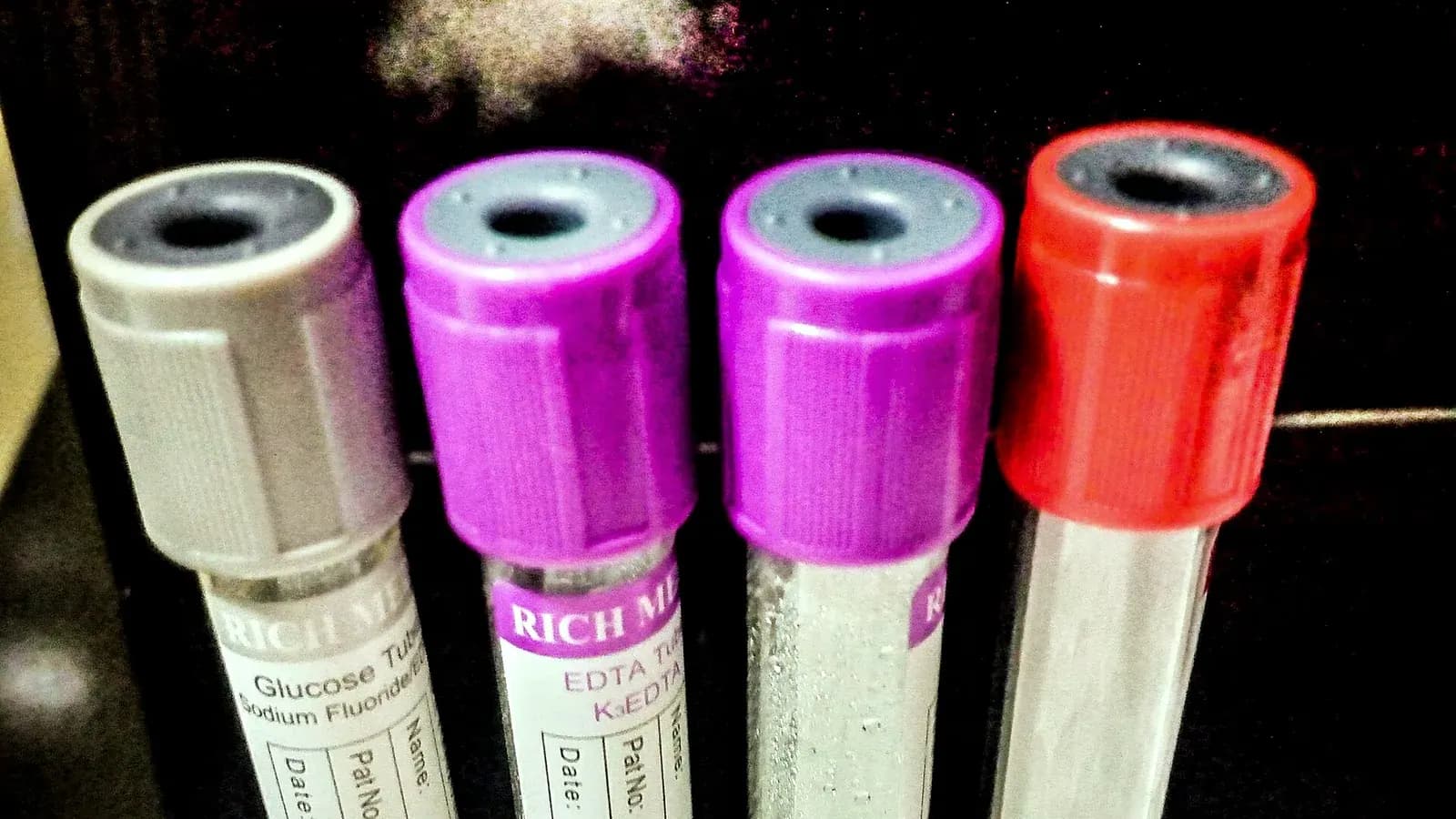
Lactoferrin supplements are being marketed for immunity, gut health and low iron, and searches for them have jumped sharply this year. Lactoferrin is an iron-binding protein found in milk, and the supplements are usually made from cow's milk. The best human evidence is not for immunity at all but for iron deficiency anemia, where several meta-analyses compare it with ferrous sulfate. This guide goes through what those trials found, what the immunity and infection trials showed, and what is still unknown.
⚕️ Medical Disclaimer
This article is general information, not medical advice. Iron deficiency anemia needs a diagnosis and a treatment plan from a doctor, because low iron can have causes that need investigating. Lactoferrin is made from milk, so avoid it if you have a cow's milk allergy, and ask a doctor or pharmacist first if you are pregnant or take medicines.
The short version
- A 2024 systematic review of 19 trials found that oral bovine lactoferrin supplements raised hemoglobin more than ferrous sulfate in a meta-analysis of 7 trials, but the studies varied a lot (I-squared 95.8%).
- A 2022 meta-analysis found better serum iron, ferritin and hemoglobin with lactoferrin than with ferrous sulfate, and lower IL-6 levels.
- A 2017 meta-analysis of 4 trials in 600 pregnant women found a small hemoglobin advantage for lactoferrin at 4 weeks and fewer gut side effects.
- In a 12-week Japanese trial in childcare workers, acute gut symptoms were lower on lactoferrin (13 of 112 on 600 mg a day and 13 of 107 on 200 mg a day, versus 26 of 116 on placebo).
- In a trial of 214 ventilated ICU patients, lactoferrin did not reduce infections or improve any outcome.

What lactoferrin supplements are
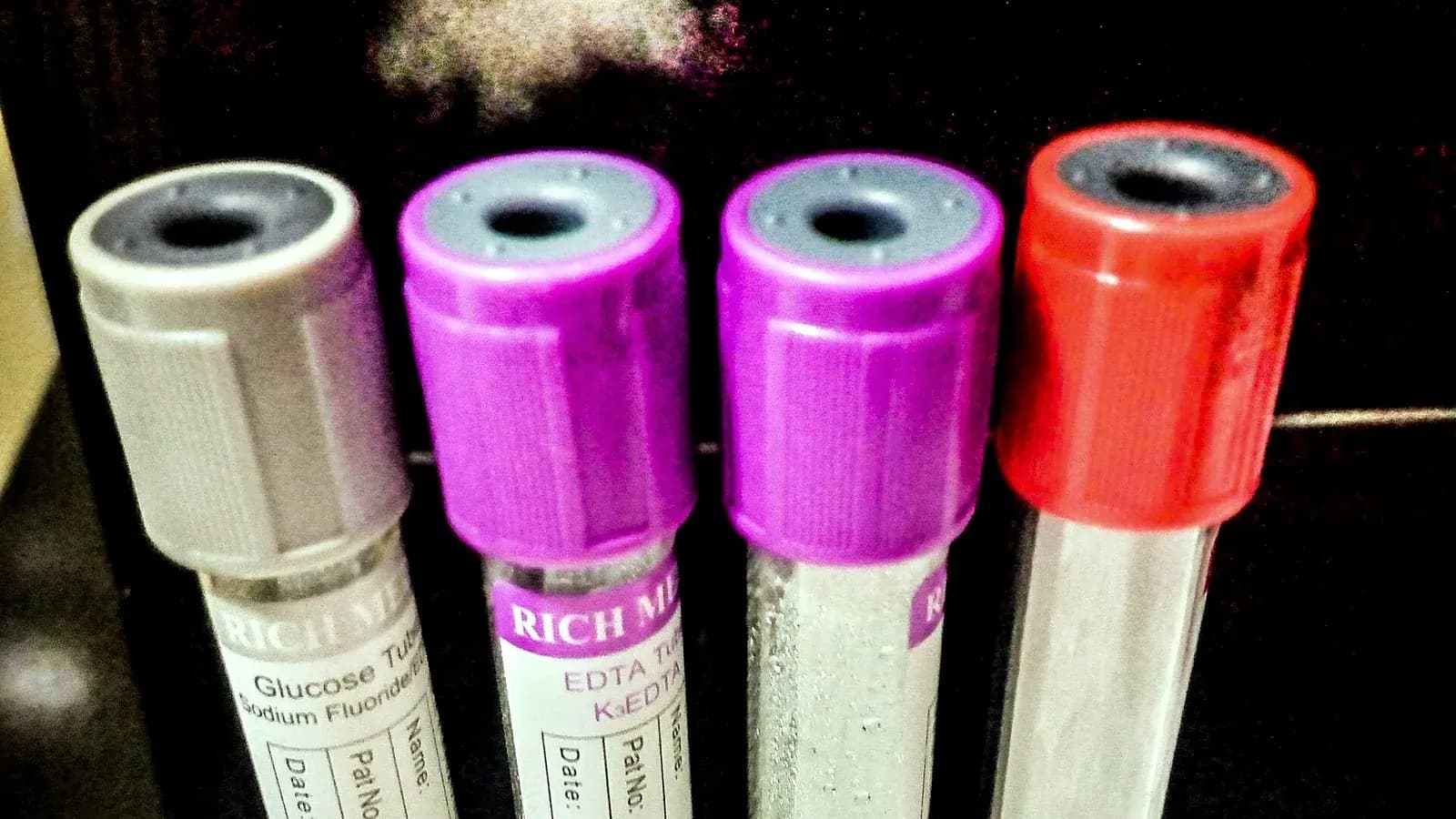
Lactoferrin supplements contain a glycoprotein in the transferrin family that binds iron. It is found in milk and other body fluids, and the supplement form is usually bovine lactoferrin purified from cow's milk. The reason it is studied for anemia is that it may change how the body handles iron, though the 2022 meta-analysis noted that its mechanism is unclear and that lactoferrin actually reduced fractional iron absorption compared with ferrous sulfate. The authors suggested an anti-inflammatory effect, since IL-6 was lower, as one possible explanation.
Lactoferrin supplements for iron deficiency anemia
This is where the evidence is strongest, and it is still not simple.
Lactoferrin compared with ferrous sulfate
The 2022 meta-analysis in Nutrients compared oral lactoferrin with ferrous sulfate on iron status. Lactoferrin did better on serum iron (weighted mean difference 41.44 micrograms per deciliter), ferritin (13.60 nanograms per milliliter) and hemoglobin, and IL-6 was lower. A 2024 systematic review in BMC Nutrition identified 19 trials published between 2006 and 2022 and pooled 7 that compared lactoferrin with ferrous sulfate. Hemoglobin was significantly higher with lactoferrin (standardized mean difference -0.81, 95% CI -1.21 to -0.42), but heterogeneity was very high at 95.8%, which means the trials disagreed a lot and the pooled number should be read cautiously. The authors concluded that lactoferrin may be an option for people who cannot tolerate iron tablets.
Lactoferrin in pregnancy
A 2017 meta-analysis in the European Journal of Obstetrics and Gynecology and Reproductive Biology pooled 4 randomized trials with 600 pregnant women with iron deficiency anemia. At 4 weeks, hemoglobin was higher with daily oral lactoferrin than with ferrous sulfate (mean difference 0.77, 95% CI 0.04 to 1.55). In mild anemia there was no significant difference (3 trials, 372 women), and the significant advantage came from a single trial in moderate anemia (228 women). Gastrointestinal side effects were significantly lower with lactoferrin. The authors' conclusion that it should be the agent of choice is a strong one for 4 trials, so pregnant women should discuss any iron plan with their midwife or doctor. Our guide to vitamin B12 deficiency covers another common cause of low blood counts that iron does not fix.
Lactoferrin supplements for immunity and infections
The immunity claims for lactoferrin supplements rest on much thinner evidence.
Winter gut symptoms in adults
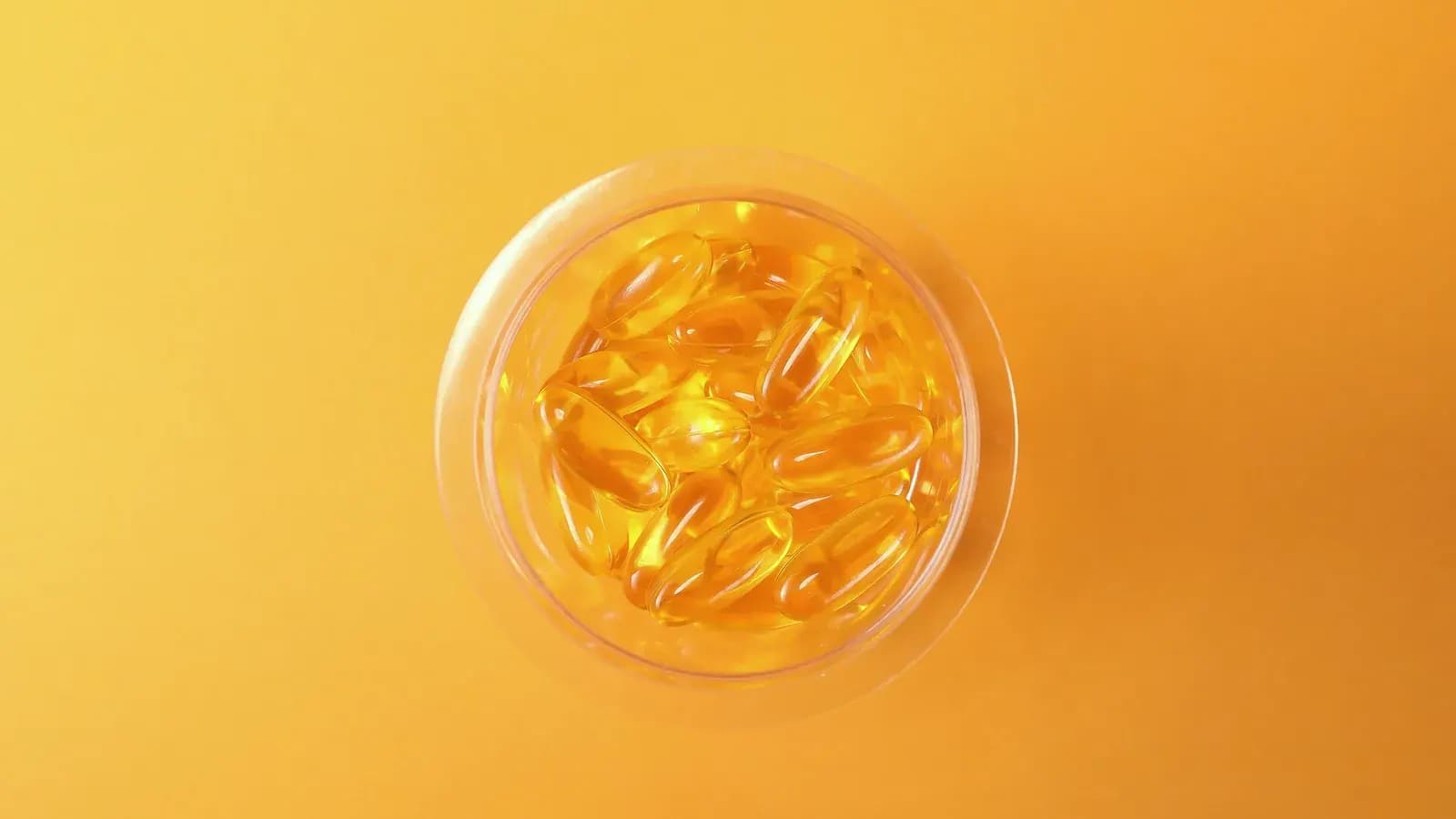
A 2020 randomized, double-blind, placebo-controlled trial of lactoferrin supplements in International Journal of Environmental Research and Public Health followed healthy kindergarten and nursery school staff in Japan for 12 weeks over winter. Participants took placebo, 200 mg a day or 600 mg a day of lactoferrin. Acute gastrointestinal symptoms occurred in 26 of 116 people on placebo, 13 of 107 on 200 mg and 13 of 112 on 600 mg. The adjusted odds ratio for symptoms on placebo compared with high-dose lactoferrin was 2.78 (95% CI 1.19 to 6.47). This was a single trial in a specific workplace group and the outcome was subjective symptoms, so it is a signal and not proof.
Critically ill patients
A phase 2 trial in Critical Care Medicine randomized 214 adults on invasive mechanical ventilation to lactoferrin or placebo for up to 28 days. Antibiotic-free days were 17.3 on lactoferrin and 18.5 on placebo, nosocomial infections did not differ, and the authors said the data did not support a larger phase 3 trial. This was a very sick population and a different delivery route, so it does not show what happens in healthy adults, but it does show lactoferrin is not a general infection shield.
For general immune support, a well-supported routine usually starts with the basics. Our post on 7 superfoods that support your immune system covers food, and the elderberry syrup review covers a popular cold remedy with the same level of scrutiny.
What is still missing from lactoferrin supplements research
- Long-term safety data in healthy adults. Most trials are short, ranging from weeks to a few months.
- Product quality. Trials used defined bovine lactoferrin preparations. Supplements on shelves vary in purity and dose.
- High heterogeneity. The 2024 review pooled studies that disagreed strongly, so the average hides a range of results.
- Who really needs it. Iron deficiency has causes, and treating the number without finding the cause can miss serious problems.
Practical points
- If a blood test shows low iron, ask your doctor whether oral iron, lactoferrin or another option fits you, and get the cause investigated.
- Avoid lactoferrin supplements with a cow's milk allergy.
- Do not expect lactoferrin supplements to prevent colds or infections based on the current trials.
- Gut health basics such as fibre matter more than any single supplement. See our guide to probiotics versus prebiotics.
Key takeaway
Lactoferrin supplements have real, if inconsistent, trial evidence as an alternative to ferrous sulfate for iron deficiency anemia, with fewer gut side effects reported. The immunity case is much weaker: one workplace trial of gut symptoms was positive and an ICU trial was null. It is a reasonable topic to discuss with a doctor if you cannot tolerate iron tablets, and not a replacement for finding out why your iron is low.
Frequently Asked Questions
Does lactoferrin work better than iron tablets?
Several meta-analyses found higher hemoglobin or ferritin with lactoferrin than with ferrous sulfate, for example in a 2022 meta-analysis of serum iron, ferritin and hemoglobin. However, a 2024 pooled analysis had very high heterogeneity (95.8%), and a 2017 pregnancy meta-analysis found no significant difference in mild anemia. Results depend on the trials included.
Can lactoferrin prevent colds and infections?
The evidence is limited. A 2020 trial in childcare workers found fewer acute gut symptoms over 12 weeks (13 of 112 on 600 mg a day versus 26 of 116 on placebo), but a trial in 214 ventilated ICU patients found no reduction in infections. Neither shows that lactoferrin prevents colds.
Is lactoferrin safe during pregnancy?
A 2017 meta-analysis of 4 trials in 600 pregnant women with iron deficiency anemia reported fewer gastrointestinal side effects with lactoferrin than with ferrous sulfate. Pregnancy still needs medical supervision, so ask your doctor or midwife before using it.
What dose of lactoferrin was used in trials?
Doses varied. The Japanese winter trial used 200 mg and 600 mg a day for 12 weeks. Trials in anemia used different preparations, and the 2024 review pooled studies with a wide range of designs, so there is no single proven dose. Follow professional advice and the product label.
Who should avoid lactoferrin supplements?
People with a cow's milk allergy should avoid bovine lactoferrin, since it is made from milk. Anyone who is pregnant, on medication or has a medical condition should check with a doctor or pharmacist first, and low iron should be investigated rather than self-treated.
References
["Comparative Effects between Oral Lactoferrin and Ferrous Sulfate Supplementation on Iron-Deficiency Anemia: A Comprehensive Review and Meta-Analysis of Clinical Trials," Nutrients, 2022. PMID 35276902] ["Lactoferrin or ferrous salts for iron deficiency anemia in pregnancy: A meta-analysis of randomized trials," European Journal of Obstetrics, Gynecology, and Reproductive Biology, 2017. PMID 29059584] ["The effectiveness of oral bovine lactoferrin compared to iron supplementation in patients with a low hemoglobin profile: A systematic review and meta-analysis of randomized clinical trials," BMC Nutrition, 2024. PMID 38291525] ["Effects of Lactoferrin on Prevention of Acute Gastrointestinal Symptoms in Winter: A Randomized, Double-Blinded, Placebo-Controlled Trial for Staff of Kindergartens and Nursery Schools in Japan," International Journal of Environmental Research and Public Health, 2020. PMID 33371454] ["Prevention of Nosocomial Infections in Critically Ill Patients With Lactoferrin: A Randomized, Double-Blind, Placebo-Controlled Study," Critical Care Medicine, 2018. PMID 30015668] [Photo: Shixart1985, CC BY 2.0, via Wikimedia Commons (modified)] [Photo: Jernej Furman, CC BY 2.0, via Wikimedia Commons (modified)]Rate this article
Click on a star to rate this article
Keep Reading
Vitamin D Dosage: Why 2000 IU Is Wrong for Most Adults
Vitamin D dosage research has moved past the old 2000 IU floor. What the actual blood-level data shows about how much most adults really need to hit a
Read article →
supplementsTart Cherry Juice: What the Research Shows
Does tart cherry juice work? A review of 2021 to 2026 meta-analyses and trials on exercise recovery, sleep, gout, blood pressure, sugar and side effects.
Read article →
supplementsPsyllium Husk for Cholesterol: What the Research Shows
Does psyllium husk for cholesterol work? A review of 2018 to 2025 meta-analyses on LDL, blood pressure, blood sugar, weight, and how to take it safely.
Read article →

Vitality & Strength Editorial Team
Independent research synthesists — not licensed clinicians
Independent health writers and research synthesists. We are not doctors or registered dietitians; every claim we publish is sourced and linked to primary research, and we take no affiliate or industry money.