Vitamin D and Depression: What the Research Shows
Vitamin D and depression: what recent meta-analyses of randomised trials found, how big the effects were, why results vary, and who should be careful.
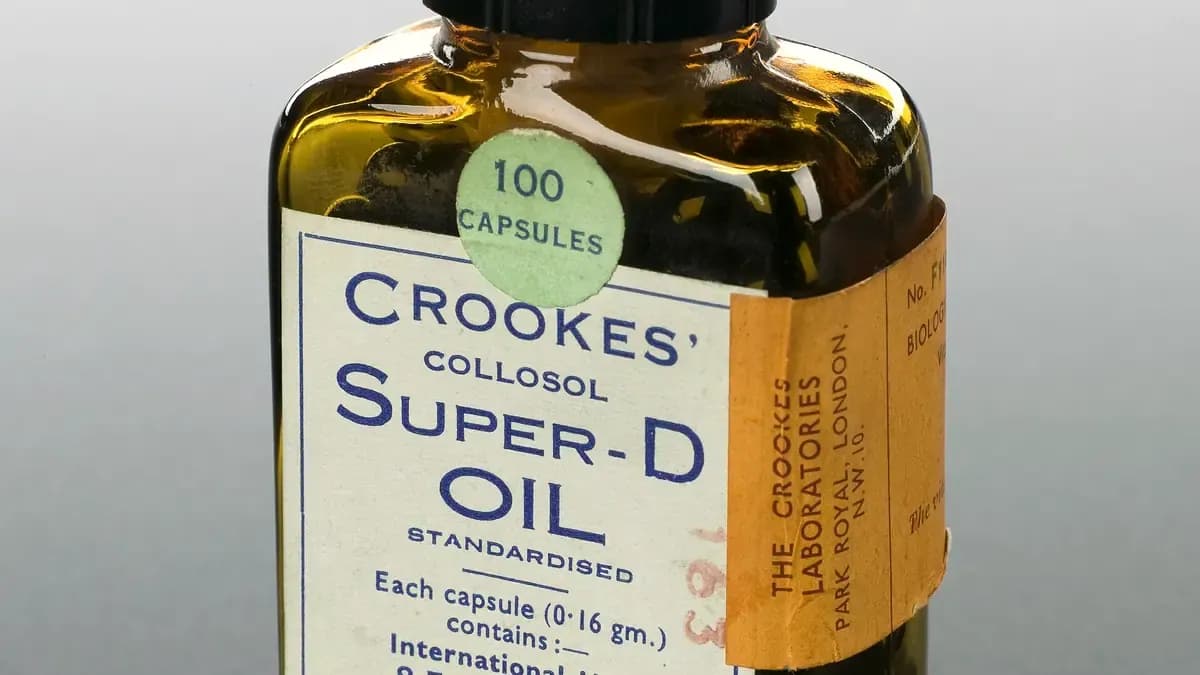
Vitamin D and depression is one of the most searched supplement questions, because low vitamin D is common and low mood is common, and the two seem like they should be connected. The research, however, is more cautious than the headlines. This guide goes through what recent systematic reviews and meta-analyses of randomised trials found about vitamin D and depression, how large the effects were, why the results are uncertain, and what that means if you are thinking about taking a supplement. If you are also weighing herbal options, the saffron and mood review covers what the trials found.
⚕️ Medical Disclaimer
This article is general information, not medical advice. Depression is a serious medical condition. If you feel persistently low, hopeless or have thoughts of harming yourself, contact a doctor or a local emergency or crisis service straight away. Vitamin D is not a substitute for treatment, and you should not stop or change prescribed medicines because of what you read here.
The short version
- A 2024 systematic review and dose-response meta-analysis in Psychological Medicine pooled 31 randomised trials with 24,189 participants. Each 1,000 IU per day of vitamin D3 slightly reduced depressive symptoms (standardised mean difference -0.32, 95% CI -0.43 to -0.22), and the authors rated the certainty of evidence as moderate.
- In that review the effect was larger in people who already had depressive symptoms (SMD -0.57, 15 trials), stronger in trials lasting up to 24 weeks, and not significant in trials longer than 24 weeks.
- A 2026 dose-response meta-analysis of 15 studies with 962 participants found a large pooled benefit in people diagnosed with depression (SMD -0.98), but heterogeneity was high (I2 of 79 percent).
- A 2026 Bayesian review of 13 randomised studies found a favourable but heterogeneous signal, and noted that the predictive intervals crossed the null, meaning a new trial could still find no effect.
- In short, the evidence on vitamin D and depression is promising but not settled, and no review supports using vitamin D instead of treatment.
What is the link between vitamin D and depression?
Vitamin D is a fat-soluble vitamin that your skin makes in sunlight and that you also get from some foods and supplements. It acts like a hormone, and receptors for it are found in many tissues, including the brain. Observational studies have often found that people with depression have lower vitamin D levels, which fits the idea that the two are related. But an association does not show that low vitamin D causes depression. People who feel low may spend less time outdoors, eat differently, or be less active, all of which can lower vitamin D. That is why researchers turn to randomised trials, where one group gets vitamin D and the other gets a placebo.
What the big reviews found about vitamin D and depression
The 2024 dose-response meta-analysis
Ghaemi and colleagues searched trials up to December 2022 and included 31 randomised trials of vitamin D3 in adults, with 24,189 participants in total. Using a random-effects model, they calculated the effect for each 1,000 IU per day of vitamin D3. Overall, each 1,000 IU per day slightly reduced depressive symptoms in people with and without depression (SMD -0.32, 95% CI -0.43 to -0.22), and the certainty of the evidence was graded as moderate.
The effect was more pronounced in the 15 trials that enrolled people who had depressive symptoms (SMD -0.57, 95% CI -0.69 to -0.44). The authors reported that the largest reduction occurred at 8,000 IU per day, but the confidence interval around that point was very wide (SMD -2.04, 95% CI -3.77 to -0.31), so it should not be read as a recommended dose. Doses that high are well above typical supplement labels, and you should speak to a clinician before taking large amounts.
Short trials looked better than long ones
One of the most important findings is about time. Trials with follow-up of up to 8 weeks (SMD -0.45) and of 8 to 24 weeks (SMD -0.47) showed clear effects. Trials lasting 24 to 52 weeks showed a smaller effect that was not statistically significant (SMD -0.13, 95% CI -0.28 to 0.02), and the three trials longer than 52 weeks showed no benefit (SMD 0.14, 95% CI -0.16 to 0.44). The difference between these groups was statistically significant.
The authors concluded that vitamin D3 may effectively reduce depressive symptoms in the short term. A benefit that fades over longer periods could reflect true waning, differences in who was enrolled, or the placebo response, so the safest reading is that the long-term effect remains unproven.
Anxiety was not helped
The same review also looked at anxiety. Vitamin D3 supplementation had no significant effects on anxiety symptoms, and the authors said more high-quality trials were needed for a conclusive assessment. If anxiety is your main concern, our review of magnesium for anxiety and our guide to journaling for anxiety cover other approaches that have been studied.

The 2026 dose-response meta-analysis in diagnosed patients
Liu and colleagues restricted their review to patients diagnosed with depression. They found 15 studies with 962 participants and reported that vitamin D supplementation improved depressive symptoms compared with placebo (SMD -0.98, 95% CI -1.28 to -0.68). That is a large number, but statistical heterogeneity was high (I2 of 79 percent), meaning the trials disagreed with each other considerably. Secondary outcomes showed reductions in parathyroid hormone and in the inflammatory marker TNF-alpha, while BMI, weight and IL-6 did not change.
The authors suggested that higher daily doses, up to around 5,000 IU per day, were linked to the greatest symptom reduction within the populations studied. Dose-response estimates from small trials with high heterogeneity are uncertain, and 5,000 IU per day is a dose that should be taken only with medical advice.
The 2026 Bayesian review
Xu and colleagues searched up to April 2026 and retained 13 randomised studies published between 2013 and 2024. Seven studies contributed to the main Bayesian analysis of oral vitamin D, which favoured lower depressive symptom severity (posterior median SMD -0.88, 95% credible interval -1.38 to -0.35). They stressed that between-study heterogeneity was substantial and that the predictive intervals crossed the null. They also found that the treatment network was fragmented, so claims about which combination of nutrients works best were not defensible.
Why the results on vitamin D and depression are uncertain
Putting the reviews side by side, several reasons for caution stand out.
- Heterogeneity is high. Trials differed in dose, length, population and how depression was measured, so pooled averages hide a lot of variation.
- Effects fade in longer trials. The 2024 review found significant effects only in shorter trials, which makes long-term benefit unclear.
- Baseline vitamin D matters. The 2026 Bayesian review called for trials stratified by vitamin D status. A supplement may help most in people who are deficient and do little for people who are not.
- Small trials can exaggerate. The large effect of SMD -0.98 came from 15 studies with 962 people, while the larger set of 31 trials with 24,189 people gave a much smaller effect of -0.32 per 1,000 IU.
- Placebo effects are strong in depression. Mood measures respond to expectation, so well-blinded trials matter.
So the most defensible summary is that it may give a small benefit in the short term, especially for people with symptoms, but it is not a proven treatment.

Who might consider vitamin D?
If you have little sun exposure, live at a high latitude, have darker skin, or have been told by a doctor that your level is low, correcting a deficiency is sensible for your bones and general health regardless of mood. A blood test can show your level, and a clinician can advise a dose. Our review of sleep and alcohol and our guide to weighted blankets cover other low-risk habits people try for mood and rest, though none replace treatment.
Who should be careful
Vitamin D is fat-soluble and high doses over time can raise calcium levels. People with kidney disease, sarcoidosis, high calcium or on certain medicines should check with a doctor before supplementing. High doses should not be started on your own, particularly the 5,000 to 8,000 IU per day figures that appear in some of these dose-response results.
How to read claims about vitamin D and depression
Because supplements are heavily marketed, claims often outrun the evidence. A few questions help.
- Were the participants deficient? Results in people with low levels may not apply to people with normal levels.
- How long did the trial last? The 2024 review found benefit mostly in trials of 24 weeks or less.
- What was the dose? Be wary of dose figures drawn from a handful of small trials.
- Was it an add-on or a replacement? The authors describe vitamin D as an adjunctive strategy, not a treatment on its own.
- How consistent were the trials? A heterogeneity figure of 79 percent means the trials disagreed with each other.
For the basics, see our guides to vitamin D dosage and to vitamin D deficiency signs, and our guide to a light therapy lamp for seasonal depression.
Frequently Asked Questions
Does vitamin D help with depression?
It may help a little in the short term. A 2024 meta-analysis of 31 randomised trials with 24,189 participants found each 1,000 IU per day of vitamin D3 slightly reduced depressive symptoms (SMD -0.32), with moderate certainty, but benefits were not significant in trials longer than 24 weeks.
Can vitamin D replace antidepressants or therapy?
No review supports that. The authors of the reviews describe vitamin D as a possible adjunctive strategy, and the 2026 Bayesian review said the evidence supports cautious pairwise synthesis rather than clinical treatment ranking. Do not stop prescribed treatment without medical advice.
Does vitamin D help anxiety?
The same 2024 review found vitamin D3 supplementation had no significant effects on anxiety symptoms, and the authors said more high-quality trials were needed.
How much vitamin D is used in depression trials?
Doses varied. The 2024 review calculated effects per 1,000 IU per day, and a 2026 review linked doses up to about 5,000 IU per day with the largest improvement, but these estimates are uncertain and high doses should only be taken with medical advice.
Are the results consistent across trials?
Not very. The 2026 meta-analysis of 15 studies reported high heterogeneity (I2 of 79 percent), and a 2026 Bayesian review found substantial heterogeneity with predictive intervals that crossed the null, so a new trial could still show no benefit.
References
[Ghaemi S et al., "The effect of vitamin D supplementation on depression: a systematic review and dose-response meta-analysis of randomized controlled trials," Psychological Medicine, 2024. PMID 39552387] [Liu HH et al., "Efficacy of vitamin D supplementation in patients diagnosed with depression: a dose-response meta-analysis of randomized controlled trials," Frontiers in Nutrition, 2026. PMID 41923913] [Xu G et al., "Vitamin D-containing supplementation and depressive symptom severity in adults: a Bayesian systematic review and evidence-structure assessment," Clinical Nutrition, 2026. PMID 42594843] [Photo: Wellcome Collection, CC BY 4.0, via Wikimedia Commons (cropped and colour-graded)] [Photo: Samsule2, CC BY-SA 4.0, via Wikimedia Commons (cropped and colour-graded)] [Photo: Corn cheese, CC BY-SA 4.0, via Wikimedia Commons (cropped and colour-graded)]Rate this article
Click on a star to rate this article
Keep Reading
Omega-3 and Depression: What the Research Shows
Omega-3 and depression: what a 2025 meta-analysis found, how small the effect was, and why it is not a replacement for treatment.
Read article →
mental healthSaffron and Mood: What the Research Shows
Saffron and mood: what 2026 and 2019 meta-analyses found, how large the drop in self-reported symptoms was, and why clinician scales need care.
Read article →
mental healthMagnesium for Anxiety: What the Research Shows
Magnesium for anxiety: what systematic reviews and a 2022 clinical guideline found, who might benefit, and why the evidence is rated poor.
Read article →

Vitality & Strength Editorial Team
Independent research synthesists — not licensed clinicians
Independent health writers and research synthesists. We are not doctors or registered dietitians; every claim we publish is sourced and linked to primary research, and we take no affiliate or industry money.