Weighted Blanket for Sleep: What the Research Shows
Weighted blanket for sleep: what a 120-person insomnia trial, a melatonin study and reviews found, plus safety limits and how to try one.
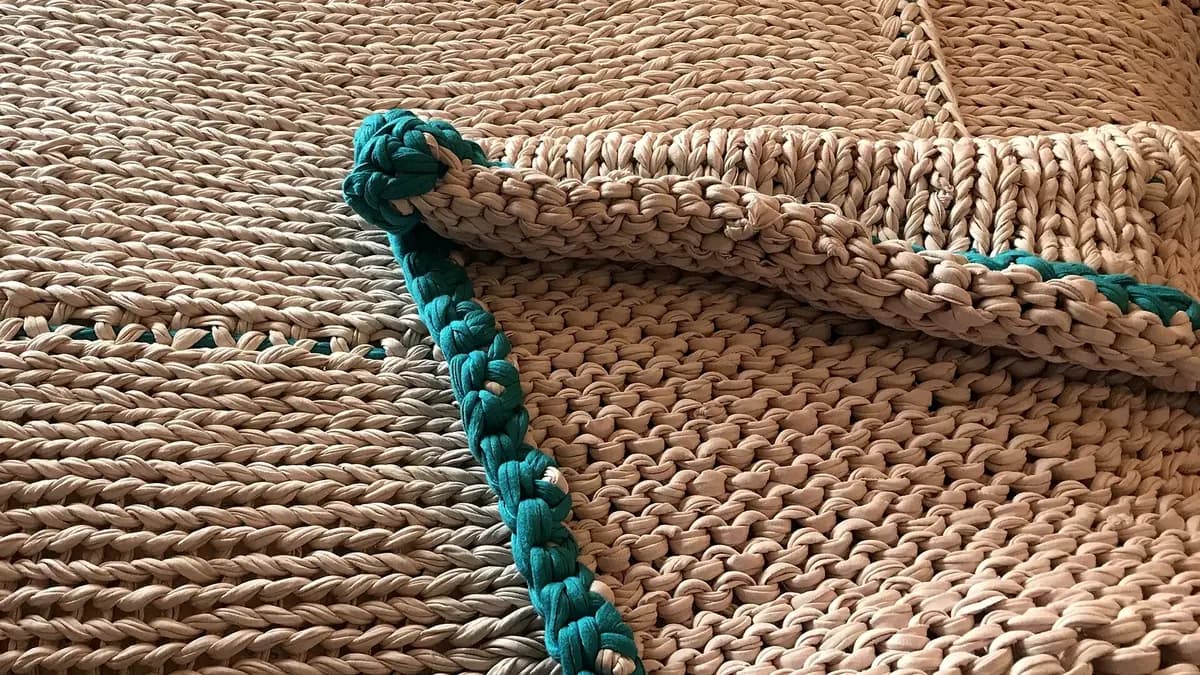
A weighted blanket for sleep is one of the few bedtime products with real trials behind it, but the trials are small, short and mostly done in specific groups. The best result so far came from a 4-week randomised trial in 120 people with psychiatric diagnoses, where a weighted chain blanket beat a light one on an insomnia scale by a large margin. Evidence in healthy adults is much thinner: one laboratory study found a rise in melatonin at bedtime but no difference in how long people slept. This guide walks through what each study found, what it cannot tell you, and how to try one without wasting money.
⚕️ Medical Disclaimer
This article is general information, not medical advice. Weighted blankets are not suitable for everyone, and insomnia can be a sign of a treatable condition. If you have long-lasting sleep problems, a breathing condition such as sleep apnoea, circulation or mobility problems, or you are thinking about a blanket for a baby or young child, speak to a doctor first.
The short version
- A 2020 randomised trial in Sweden (120 patients with depression, bipolar disorder, anxiety or ADHD) found a weighted chain blanket improved insomnia scores over a light chain blanket after 4 weeks, with no serious adverse events. The effect was still present in a 12-month open follow-up.
- A 2020 systematic review that found only 8 studies concluded weighted blankets may reduce anxiety but that there was not enough evidence to say they help insomnia. A 2024 scoping review of 18 overnight studies found positive outcomes in adults and mixed ones in children, with variable study quality.
- In 26 healthy young adults, a blanket at about 12 percent of body weight raised bedtime melatonin about 32 percent more than a light blanket, but sleepiness and total sleep time did not differ.
- There is no validated rule for how heavy a blanket should be. The reviews found no specific guidelines for use.
What a weighted blanket for sleep is meant to do
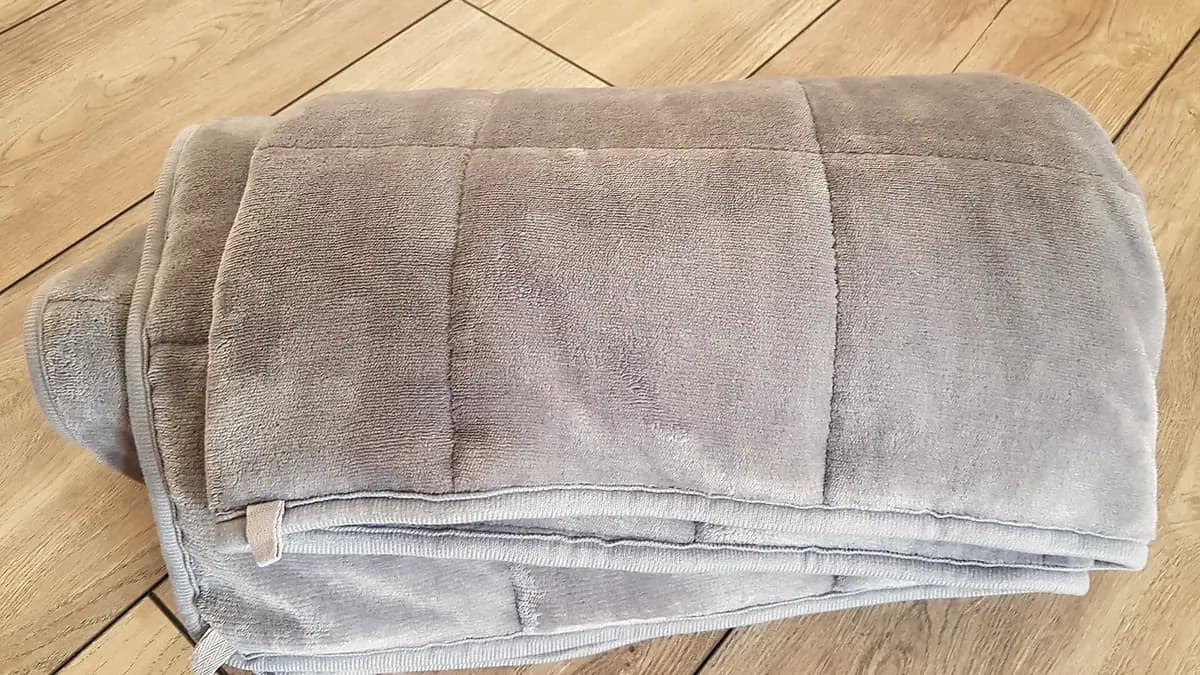
A weighted blanket spreads extra weight across your body, usually with glass beads, plastic pellets or metal chains stitched into pockets. The idea is deep pressure: a firm, even squeeze that some people find calming, similar to a long hug. The proposed mechanism is that this pressure lowers arousal, so it is easier to settle and stay asleep. That mechanism has been suggested for years, but the 2023 laboratory study we cover below describes the hormonal explanations as alleged and previously lacking experimental evidence.
A weighted blanket for sleep is used in occupational therapy, which is where much of the research comes from. They are not a medicine, and they do not treat the cause of insomnia. At best they are a comfort tool that makes a calm bedtime easier.
What the trials found on using a weighted blanket for sleep
The strongest trial: psychiatric patients and insomnia
The Karolinska Institutet trial published in the Journal of Clinical Sleep Medicine in 2020 randomised 120 patients with major depression, bipolar disorder, generalised anxiety disorder or ADHD to a weighted metal chain blanket or a light plastic chain blanket for 4 weeks. On the Insomnia Severity Index, the weighted blanket group did significantly better (P below .001), with a very large effect size (Cohen's d 1.90). Sleep maintenance was better, daytime activity was higher, and fatigue, depression and anxiety symptoms were lower. No serious adverse events occurred. In the 12-month open follow-up, people who kept using the blanket kept the sleep benefit, and people who switched from the light blanket gained a similar benefit.
That is an unusually strong result for a weighted blanket for sleep. Three cautions apply. The participants all had psychiatric diagnoses, so the result may not carry over to a healthy sleeper with occasional bad nights. The blankets were chain blankets, not the bead-filled duvet-style ones most people buy. And it is very hard to hide a heavy blanket from the person under it, so expectation may have played a part, which is a limit the authors cannot fully remove.
The healthy-adult study: melatonin up, sleep unchanged
A 2023 crossover study in the Journal of Sleep Research tested 26 healthy young adults, 15 men and 11 women, with a weighted blanket of about 12 percent of body weight against a light blanket of about 2.4 percent. The rise in salivary melatonin between 22:00 and lights off at 23:00 was about 32 percent higher with the weighted blanket (p = 0.011). Nothing else differed significantly, including subjective sleepiness and total sleep duration.
The authors describe this as the first study to suggest a weighted blanket may increase melatonin release at bedtime, and they say it remains to be determined whether the increase is therapeutically relevant. In plain terms: a hormone moved, but the study did not show that people slept longer or better. If you are curious about the hormone itself, our guide to melatonin supplements, benefits and risks covers what extra melatonin does and does not do.
Reviews: promising, but the evidence base is small
The 2020 systematic review in the American Journal of Occupational Therapy found only 8 studies (4 Level I, 2 Level III and 2 Level IV). Its conclusion was that weighted blankets may be an appropriate tool for reducing anxiety, but that there was not enough evidence to suggest they help with insomnia.
A 2024 scoping review in the same journal covered 18 studies of overnight use. It reported improved sleep, reduced medication use and better mood in adults, mixed sleep outcomes in children and adolescents, and variable study quality. It also noted that no specific guidelines for use were included in the studies, which is why any weight advice you read online is a rule of thumb rather than a tested standard.
Sleep medication use: an observational signal
A Swedish register study of 1,785 adults with psychiatric diagnoses who received a prescribed weighted blanket compared their medicine use before and after. The share of people with no sleep-medication prescription rose by 3.3 percent (95% CI 0.2 to 6.4), and the share with no benzodiazepine receptor agonist or antihistamine sleep medication rose by 5.5 percent. Melatonin prescriptions rose by 3.6 percent, and the rate of sedative substance use disorder diagnoses rose by 0.7 percent. Because everyone was their own control and there was no comparison group, this shows an association, not that the blanket caused the change.
Children with ADHD
A 2024 study in 94 children with ADHD (average age 9) followed a 16-week intervention with weighted blankets. Children who used the blanket at least four nights a week had larger improvements in parent-reported and child-reported sleep problems than those who used it three nights or fewer, and their total sleep time stayed stable while it fell in the other group. Adherence was not randomised, so children who liked the blanket may simply have been better sleepers to begin with. The review evidence for children is mixed, so this is a reason to discuss options with a paediatrician, not to buy one for a young child on your own.
What the research does not show
- It does not show that a weighted blanket for sleep cures insomnia. The best trial was in patients with other diagnoses.
- It does not show a best weight for a weighted blanket for sleep. The 12 percent figure comes from one laboratory study, not a safety or effectiveness standard.
- It does not show long-term benefit in healthy sleepers, or that a melatonin rise translates into better sleep.
- It does not show that any particular fill, brand or price works better than another.
How to try a weighted blanket for sleep without overspending
If you want to test a weighted blanket for sleep, treat it as a low-risk experiment rather than a treatment.
- Choose a weight you can move under. The study blanket was about 12 percent of body weight, but there is no tested rule. Pick something you can easily push off with your arms or legs.
- Think about heat. A thick weighted blanket can run warm. If you already sleep hot, a breathable cover and a cooler room matter more. Our guide to sleep architecture explains why a cool bedroom helps deep sleep.
- Give it two to four weeks. The psychiatric trial measured at 4 weeks, and the children's study saw an early response by 4 weeks.
- Fix the basics first. Caffeine timing, alcohol and light matter more than any blanket. See our caffeine cutoff calculator and the evidence on alcohol and sleep.
- Stop if it feels wrong. If you feel trapped, short of breath, too hot, or unable to move the blanket on your own, stop using it.
Safety note: weighted blankets are generally not advised for babies and toddlers, or for anyone who cannot remove the blanket by themselves. If you have a breathing, heart or circulation condition, ask your doctor before trying one.
Where it fits with other sleep options
A weighted blanket for sleep sits in the comfort and calming category, alongside a dark room, a cool temperature and a regular schedule. It is not a substitute for treating a cause such as sleep apnoea, and it is not the same kind of tool as a supplement. If your main problem is falling asleep after a stressful day, you may also want to read how magnesium glycinate for sleep and ashwagandha for stress performed in trials, and decide whether a calmer bedtime routine or a supplement fits your situation better. Mouth taping is another bedtime trend, and we cover what the research says in mouth taping for sleep.
If you are weighing sleep supplements too, our review of the melatonin dose for adults covers what the trials found about dose, timing and safety.
Frequently Asked Questions
Do weighted blankets actually help you sleep?
Sometimes, in some groups. A 2020 randomised trial in 120 psychiatric patients found a weighted chain blanket improved insomnia scores over a light blanket after 4 weeks. In healthy adults the evidence is thinner: a 2023 study found higher bedtime melatonin but no change in sleep duration or sleepiness. Reviews call the evidence promising but limited and of variable quality.
How heavy should a weighted blanket be?
There is no validated rule. The 2024 scoping review found no specific guidelines for use in the studies it covered. The healthy-adult laboratory study used about 12 percent of body weight, and many sellers suggest about 10 percent, but these are rules of thumb. Choose a weight you can easily move under, especially if you share a bed or have any mobility or breathing problems.
Are weighted blankets safe?
In the 120-person Swedish trial no serious adverse events occurred. Even so, they are generally not advised for babies and toddlers or for anyone who cannot take the blanket off alone, and people with breathing, heart or circulation conditions should ask a doctor first. Heat is a common practical problem.
Do weighted blankets help with anxiety?
The 2020 systematic review concluded weighted blankets may be an appropriate tool for reducing anxiety, although it also said the research is sparse. The Swedish trial also reported lower anxiety and depression symptoms alongside better sleep in psychiatric patients. This is not a replacement for treatment of an anxiety disorder.
Do weighted blankets raise melatonin?
One small study did find it. In 26 healthy young adults, melatonin rose about 32 percent more in the hour before lights off with a weighted blanket (about 12 percent of body weight) than with a light one. Sleep time and sleepiness did not differ, and the authors say it is not yet known whether the increase matters for sleep.
References
[Eron K et al., "Weighted Blanket Use: A Systematic Review," American Journal of Occupational Therapy, 2020. PMID 32204779] [Ekholm B, Spulber S, Adler M, "A randomized controlled study of weighted chain blankets for insomnia in psychiatric disorders," Journal of Clinical Sleep Medicine, 2020. PMID 32536366] [Meth EMS et al., "A weighted blanket increases pre-sleep salivary concentrations of melatonin in young, healthy adults," Journal of Sleep Research, 2023. PMID 36184925] [Steingrimsson S et al., "Weighted blanket and sleep medication use among adults with psychiatric diagnosis: a population-based register study," Nordic Journal of Psychiatry, 2022. PMID 34106812] [Dawson S et al., "Weighted Blankets as a Sleep Intervention: A Scoping Review," American Journal of Occupational Therapy, 2024. PMID 39163284] [Lonn M et al., "Changed sleep according to weighted blanket adherence in a 16-week sleep intervention among children with ADHD," Journal of Clinical Sleep Medicine, 2024. PMID 38656790] [Photo: Timesoup, CC BY-SA 4.0, via Wikimedia Commons (cropped and colour-graded)] [Photo: KylliTI2019, CC BY-SA 4.0, via Wikimedia Commons (cropped and colour-graded)] [Photo: Shixart1985, CC BY 2.0, via Wikimedia Commons (cropped and colour-graded)]Rate this article
Click on a star to rate this article
Keep Reading
Melatonin Dose for Adults: What the Research Shows
Melatonin dose for adults: what a 2024 dose-response meta-analysis of 26 trials found about the best dose, timing, safety and label accuracy.
Read article →
sleep recoveryMelatonin for Sleep: Benefits, Risks and What the Research Shows
Melatonin for sleep: what trials show, where it helps most, side effects, drug interactions and label problems, plus when to see a doctor first.
Read article →
sleep recoveryGlycine for Sleep: What the Research Shows
Glycine for sleep: what small trials found on falling asleep, next-day fatigue and the usual 3 g dose, plus safety limits and who should skip it.
Read article →

Vitality & Strength Editorial Team
Independent research synthesists — not licensed clinicians
Independent health writers and research synthesists. We are not doctors or registered dietitians; every claim we publish is sourced and linked to primary research, and we take no affiliate or industry money.