CLA Supplements: What the Research Shows
Do CLA supplements work? What meta-analyses show on weight, body fat, exercise, cholesterol, blood sugar and liver enzymes.
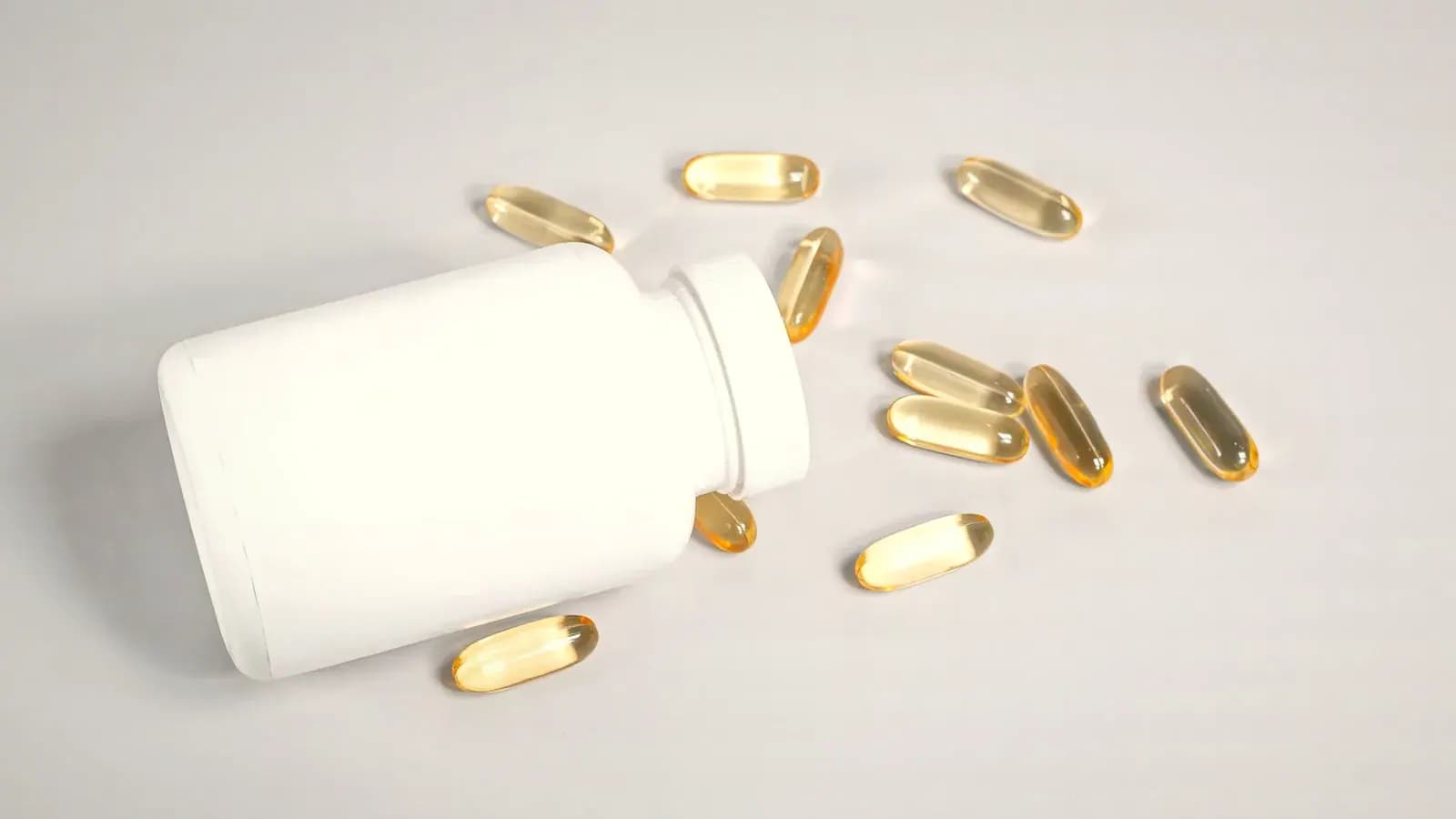
CLA supplements are marketed as a way to burn fat and keep muscle, usually at doses of several grams a day. Conjugated linoleic acid (CLA) is a type of fat found in beef and dairy, and it does reduce body fat in animals. The real question is what happens in people. This guide goes through the meta-analyses of randomised trials to show how big the effects on weight, body fat, blood fats, blood sugar and the liver really are.
⚕️ Medical Disclaimer
This article is general information, not medical advice. Do not start, stop or change any medicine because of anything you read here. Ask your doctor or pharmacist before taking CLA, especially if you have diabetes or prediabetes, liver disease, high cholesterol, are pregnant or breastfeeding, or take blood sugar or cholesterol medicines.
The short version
- A 2024 meta-analysis of 70 randomised trials with 4,159 adults found that CLA supplements reduced body weight by about 0.35 kg and body fat by about 0.44 kg on average, but in the highest-quality studies the changes in fat mass and body fat percentage disappeared.
- A 2007 meta-analysis of 18 trials estimated a modest fat loss of about 0.09 kg a week compared with placebo at 3.2 g a day.
- A 2023 meta-analysis found that CLA combined with exercise lowered body fat and insulin resistance more than exercise alone, but did not change body weight, exercise performance or blood fats.
- A 2023 meta-analysis of 13 trials in people at risk of heart disease found a rise in fasting blood glucose of about 4.5 mg/dL and in the liver enzyme AST.
- Overall, CLA supplements give a small effect on body composition and a mixed picture on metabolic health, which is a long way from the marketing.
What are CLA supplements?
Conjugated linoleic acid is a group of slightly altered forms of linoleic acid, an omega-6 fat. The main sources in food are meat and milk from ruminant animals such as cows, sheep and goats. Supplements usually contain a mix of two main forms, cis-9,trans-11 and trans-10,cis-12, often made from safflower oil. Because the amount in food is small, trials of CLA supplements use much higher doses than a normal diet provides.

Do CLA supplements help you lose weight or body fat?
The largest recent analysis is a 2024 systematic review and dose-response meta-analysis by Asbaghi and colleagues in the British Journal of Nutrition. It pooled 70 randomised trials with 96 effect sizes and 4,159 participants. On average, CLA supplements reduced body mass by 0.35 kg (95% CI -0.54 to -0.15), BMI by 0.15 (95% CI -0.24 to -0.06), waist circumference by 0.62 (95% CI -1.04 to -0.20), fat mass by 0.44 kg (95% CI -0.66 to -0.23) and body fat percentage by 0.77 points (95% CI -1.09 to -0.45). Fat-free mass rose by 0.27 kg (95% CI 0.09 to 0.45).
Those numbers are small. A third of a kilogram over the length of a trial is not what most people expect from a fat-loss supplement. The authors also reported that in the subgroup of high-quality studies, CLA failed to change fat mass and body fat percentage, though small decreases in body mass and BMI and a small increase in fat-free mass remained.
Older analyses pointed the same way. A 2007 meta-analysis by Whigham and colleagues in the American Journal of Clinical Nutrition identified 18 eligible placebo-controlled trials and concluded that at about 3.2 g a day, CLA produced a modest loss of body fat, around 0.09 kg a week compared with placebo. A 2009 follow-up by Schoeller and colleagues in the same trials found fat-free mass rose by about 0.3 kg, a change of less than 1 percent.
Does CLA work better with exercise?
A 2023 systematic review and meta-analysis by Liang and colleagues in Nutrition Reviews pooled 18 randomised trials and 2 crossover trials of CLA combined with exercise. Compared with exercise alone, adding CLA lowered body fat (standardised mean difference -0.42, 95% CI -0.70 to -0.14) and insulin resistance (SMD -0.25, 95% CI -0.44 to -0.06). The benefit was seen in people with a BMI of 25 or more, in women, and in trials lasting longer than four weeks.
CLA during exercise did not help with body weight control, exercise performance or lipid profile. The risk of adverse events was not significantly higher (risk ratio 1.32, 95% CI 0.94 to 1.84), although that confidence interval is wide. For the exercise side of fat loss, see our guides to dead hangs and rucking for beginners.
What do CLA supplements do to blood fats and blood sugar?
The results are mixed and in places unflattering. A 2022 dose-response meta-analysis by Asbaghi and colleagues in Frontiers in Nutrition pooled 56 randomised trials on blood lipids. Changes in triglycerides, total cholesterol and LDL cholesterol were not statistically significant, and the abstract reports small changes in HDL cholesterol whose direction is described inconsistently, so it is not a result to rely on.
A 2024 meta-analysis in Frontiers in Nutrition of 35 trials with 1,476 participants compared CLA with olive oil and with placebo. Compared with olive oil, CLA raised triglycerides slightly (0.05 mmol/L), while compared with placebo it lowered total cholesterol slightly (-0.08 mmol/L), with high heterogeneity. These are tiny changes in opposite directions.
For blood sugar, a 2023 meta-analysis by Ghodoosi and colleagues in Nutrition Journal pooled 13 trials in people at risk of cardiovascular disease. CLA supplementation increased fasting blood glucose by 4.49 mg/dL (95% CI 2.39 to 6.59) and the liver enzyme AST by 2.54 IU/L (95% CI 0.06 to 5.01), while HbA1c, HOMA-IR and ALT did not change. For people with diabetes or prediabetes, a rise in fasting glucose is a reason to ask a doctor before trying CLA.
Is CLA good or bad for the liver and inflammation?
A 2022 meta-analysis of 22 trials by Haghighat and colleagues in Pharmacological Research found that CLA lowered malondialdehyde, a marker of oxidative stress, but did not change ALT or AST. For inflammation, a 2023 meta-analysis in Frontiers in Immunology of 42 studies with 1,109 participants found that CLA decreased IL-6 and TNF-alpha but slightly increased CRP, leading the authors to conclude that CLA may have both pro-inflammatory and anti-inflammatory roles.
The evidence on the liver is therefore mixed: no change in ALT and AST in the broad analysis, but a small rise in AST in the analysis of people at cardiovascular risk. That inconsistency is a good reason to be cautious rather than a proven harm.
Getting CLA from food
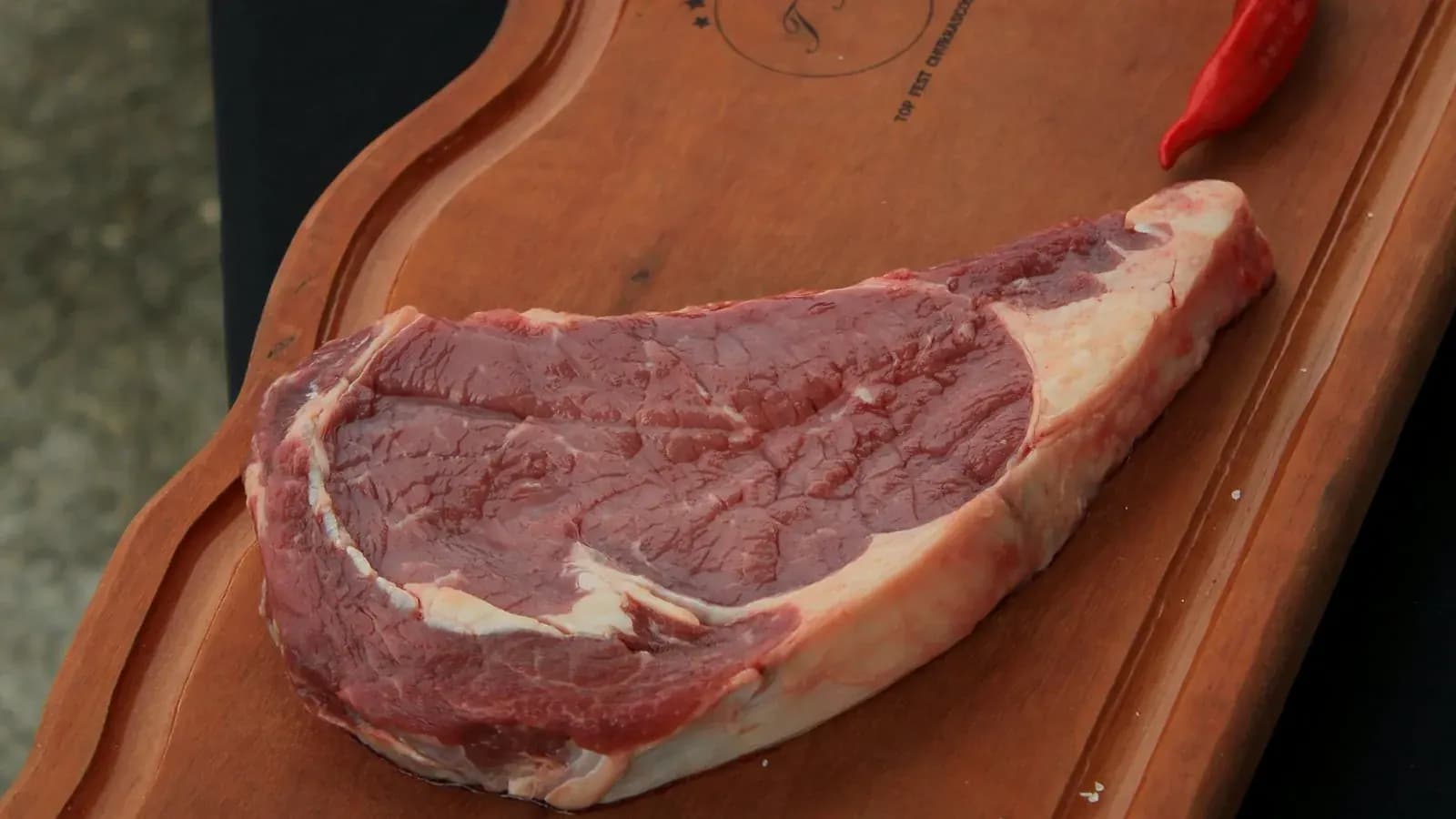
Beef, lamb and full-fat dairy such as milk, butter and cheese contain CLA, but only in small amounts compared with the several grams a day used in supplement trials. No trial here shows that a normal diet delivers the effects seen with supplements, and meat and dairy have other health considerations. For a broader view of fat loss, see our guide on protein timing and total daily intake.
Who should be careful with CLA?
The cautions in the research are around blood sugar and the liver. People with diabetes, prediabetes, fatty liver or liver disease, and people taking medicines for blood sugar or cholesterol, should speak to a doctor or pharmacist first. Pregnant and breastfeeding women should also check with a professional, since the trials above were not designed to prove safety in those groups.
Practical takeaways on CLA supplements
- Expect a small change at best: a few tenths of a kilogram of weight or fat in pooled analyses.
- High-quality studies showed weaker effects on fat mass than the overall analysis.
- CLA plus exercise may lower body fat and insulin resistance slightly more than exercise alone, but not body weight.
- Watch blood sugar and liver enzymes if you have risk factors.
- A good diet, strength training, sleep and total energy balance matter far more.
Frequently Asked Questions
Do CLA supplements help you lose weight?
A little at best. A 2024 meta-analysis of 70 trials found an average reduction of about 0.35 kg in body weight and 0.44 kg in fat mass, and in the highest-quality studies the fat mass and body fat percentage changes disappeared.
Does CLA work with exercise?
Slightly. A 2023 meta-analysis found that CLA combined with exercise lowered body fat and insulin resistance more than exercise alone, but it did not change body weight, exercise performance or lipid profile.
Does CLA affect cholesterol or blood sugar?
Not in a helpful way in the larger analyses. A 2022 meta-analysis of 56 trials found no clear change in triglycerides, total or LDL cholesterol, and a 2023 meta-analysis of 13 trials found fasting blood glucose rose by about 4.5 mg/dL.
Is CLA safe for the liver?
The evidence is mixed. A 2022 meta-analysis of 22 trials found no change in ALT or AST, while a 2023 analysis in people at cardiovascular risk found a small rise in AST of about 2.5 IU/L. People with liver disease should ask a doctor first.
How much CLA did the trials use?
Doses varied. The 2007 meta-analysis adjusted its estimate to a median dose of 3.2 g a day, which is far more than food provides. These are trial doses, not recommendations.
What foods contain CLA?
Beef, lamb and full-fat dairy such as milk, butter and cheese contain small amounts of CLA, produced by bacteria in the stomachs of ruminant animals.
The bottom line
CLA supplements produce small average changes in body weight and body fat, weaker in the best-quality studies, with no clear benefit for blood fats and a possible rise in fasting glucose and liver enzymes in people at risk. They are not a shortcut for fat loss. If you want to try them, discuss it with a doctor first, and put your effort into diet, strength training and sleep instead.
References
[Asbaghi O et al., "The effects of conjugated linoleic acid supplementation on anthropometrics and body composition indices in adults: a systematic review and dose-response meta-analysis," British Journal of Nutrition, 2024. PMID: 37671495] [Whigham LD et al., "Efficacy of conjugated linoleic acid for reducing fat mass: a meta-analysis in humans," American Journal of Clinical Nutrition, 2007. PMID: 17490954] [Schoeller DA et al., "A meta-analysis of the effects of conjugated linoleic acid on fat-free mass in humans," Applied Physiology, Nutrition, and Metabolism, 2009. PMID: 19935864] [Liang CW et al., "Effects of conjugated linoleic acid and exercise on body composition and obesity: a systematic review and meta-analysis," Nutrition Reviews, 2023. PMID: 36048508] [Asbaghi O et al., "The effects of conjugated linoleic acid supplementation on lipid profile in adults: A systematic review and dose-response meta-analysis," Frontiers in Nutrition, 2022. PMID: 36438733] [Akhgarjand C et al., "The effect of conjugated linoleic acid supplementation in comparison with omega-6 and omega-9 on lipid profile: a graded, dose-response systematic review and meta-analysis of randomized controlled trials," Frontiers in Nutrition, 2024. PMID: 38567248] [Ghodoosi N et al., "The effects of conjugated linoleic acid supplementation on glycemic control, adipokines, cytokines, malondialdehyde and liver function enzymes in patients at risk of cardiovascular disease: a GRADE-assessed systematic review and dose-response meta-analysis," Nutrition Journal, 2023. PMID: 37794481] [Haghighat N et al., "The effects of conjugated linoleic acid supplementation on liver function enzymes and malondialdehyde in adults: A GRADE-assessed systematic review and dose-response meta-analysis," Pharmacological Research, 2022. PMID: 36270407] [Rastgoo S et al., "The effects of conjugated linoleic acid supplementation on inflammatory cytokines and adipokines in adults: A GRADE-assessed systematic review and dose-response meta-analysis," Frontiers in Immunology, 2023. PMID: 36911696]Rate this article
Click on a star to rate this article
Keep Reading
Spirulina Supplements: What the Research Shows
Do spirulina supplements work? What meta-analyses show on cholesterol, blood pressure, weight, blood sugar and contamination.
Read article →
supplementsBerberine Benefits: What the Research Shows
Berberine benefits explained: what trials found for blood sugar, weight and cholesterol, how big the effects are, side effects, and who should ask first.
Read article →
supplementsVitamin A Supplements: What the Research Shows
Do vitamin A supplements work? What research shows for children, beta-carotene and lung cancer, bones, eyes and pregnancy, and who should ask a doctor first.
Read article →

Vitality & Strength Editorial Team
Independent research synthesists — not licensed clinicians
Independent health writers and research synthesists. We are not doctors or registered dietitians; every claim we publish is sourced and linked to primary research, and we take no affiliate or industry money.