Astaxanthin Supplements: What the Research Shows
Do astaxanthin supplements work? What meta-analyses show on skin, cholesterol, exercise, fatigue and a small liver enzyme signal.
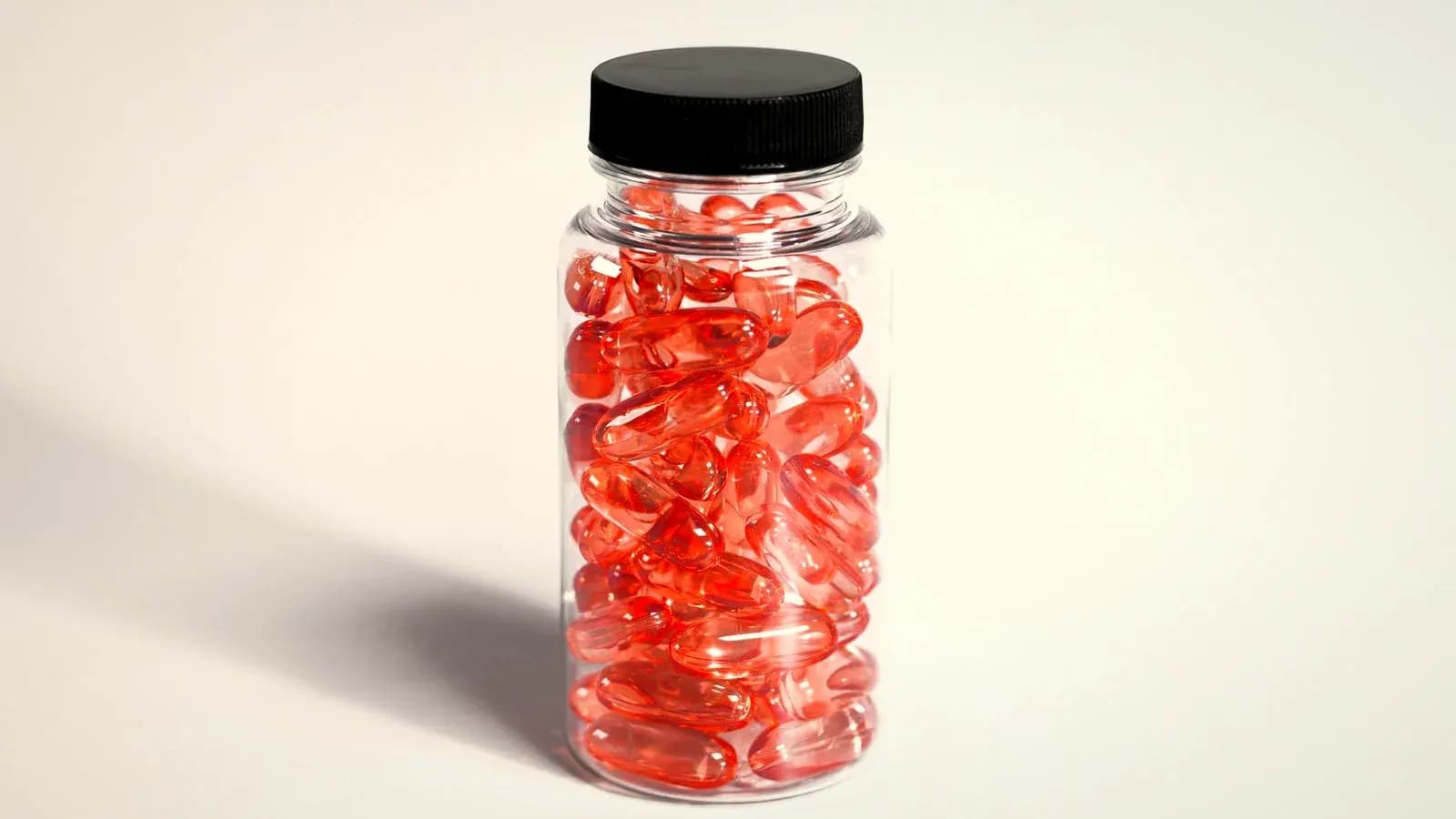
Astaxanthin supplements are sold as an antioxidant for glowing skin, better workouts, healthier blood fats and less tiredness. The red pigment that colours salmon and shrimp does have interesting biology, but what do randomised trials in people actually show? This guide goes through the meta-analyses and systematic reviews to separate the results that hold up from the claims that are still thin.
⚕️ Medical Disclaimer
This article is general information, not medical advice. Do not start, stop or change any medicine because of anything you read here. Ask your doctor or pharmacist before taking astaxanthin, especially if you take blood pressure or cholesterol medicines, have liver problems, are pregnant or breastfeeding, or have an eye or skin condition under treatment.
The short version
- A 2021 meta-analysis of randomised trials found that oral astaxanthin improved skin moisture and elasticity compared with placebo, but did not significantly reduce wrinkle depth.
- A 2020 meta-analysis of 14 trials found no significant effect on blood sugar, total or LDL cholesterol, triglycerides, body weight or blood pressure, but a small rise in HDL cholesterol and a lower CRP only in longer, higher-dose trials.
- A 2024 meta-analysis of 11 trials with 346 healthy people found that astaxanthin combined with regular training improved aerobic exercise performance and fat oxidation.
- A 2024 meta-analysis of 5 trials found that astaxanthin slightly raised the liver enzyme ALT, by about 1.9 U/L, with no change in AST, GGT or ALP.
- Many trials are small, short and funded by supplement companies, so the findings are early rather than settled.
What is astaxanthin?
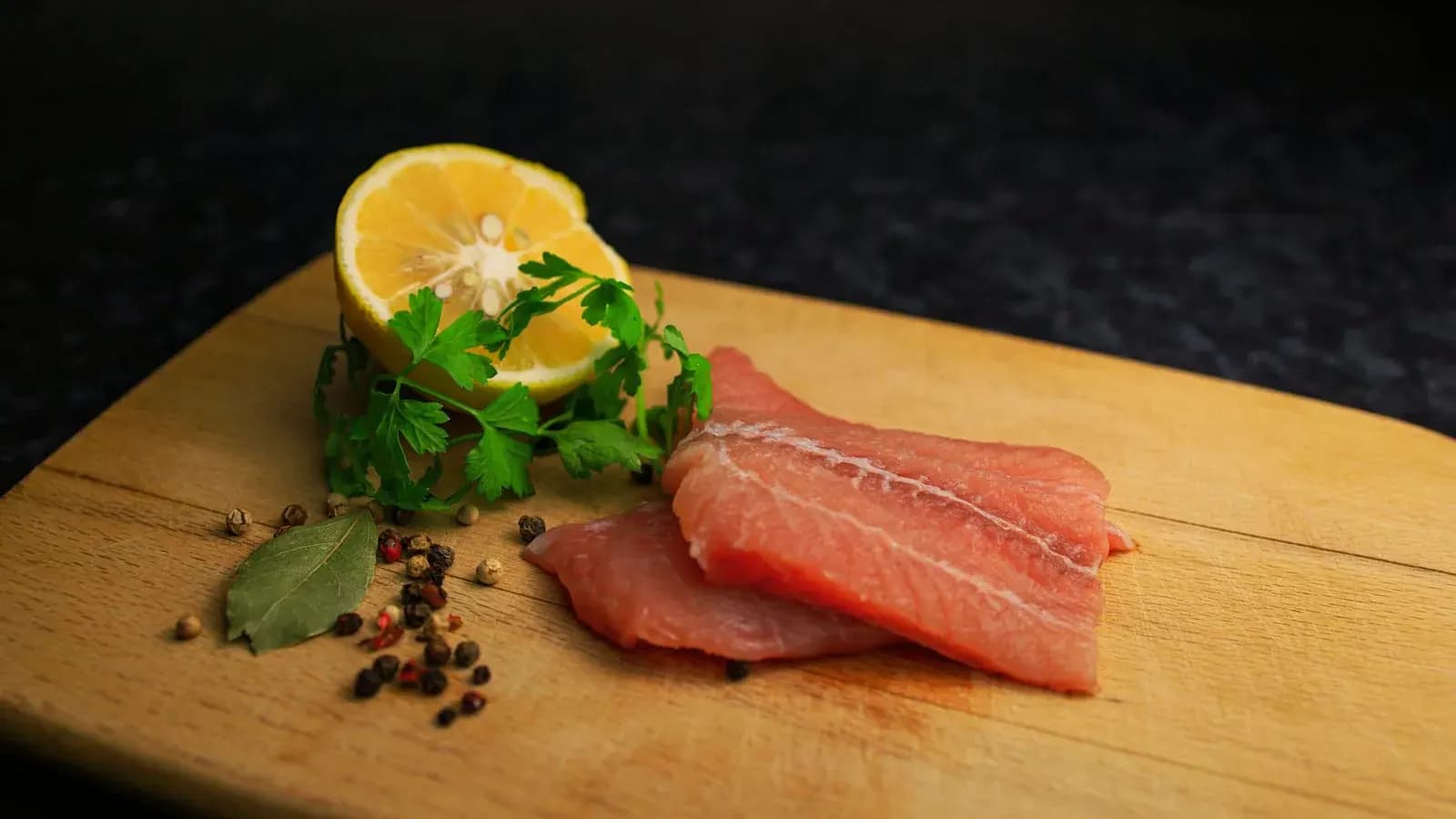
Astaxanthin is a red carotenoid, a type of pigment made by microalgae such as Haematococcus pluvialis. It builds up in the animals that eat those algae, which is why salmon, trout, shrimp and krill are pink. Supplements are usually made from algae extract. In the lab, astaxanthin acts as a strong antioxidant and can reduce inflammatory signals, which is why researchers have tested astaxanthin supplements for skin, metabolic health, exercise and fatigue.
Do astaxanthin supplements help skin ageing?
Skin is the best-studied area. A 2021 systematic review and meta-analysis by Zhou and colleagues in Nutrients found eleven human studies. Nine were randomised controlled trials of oral astaxanthin. Pooling those trials, astaxanthin significantly improved skin moisture content (standardised mean difference 0.53, 95% CI 0.05 to 1.01) and elasticity (SMD 0.77, 95% CI 0.19 to 1.35) compared with placebo. It did not significantly reduce wrinkle depth (SMD -0.26, 95% CI -0.58 to 0.06).
An earlier systematic review by Ng and colleagues in the Journal of Dietary Supplements of eleven clinical studies, six of them randomised double-blind placebo-controlled trials, reported improvements in skin texture, wrinkles and moisture in many of the trials, and some protection against UV-induced skin damage. No serious adverse events were reported in any of the studies. The doses discussed were in the range of 3 to 6 mg a day.
The same review listed clear limits. Most studies were small, most were done in healthy Japanese women, and many were funded by commercial entities, which the authors said was hard to account for. Better hydration and elasticity are real findings, but the effect on visible wrinkles was not statistically significant in the pooled analysis. For a different approach to skin, see our guide to collagen peptides.
Do astaxanthin supplements improve cholesterol or blood sugar?
Mostly not. A 2020 meta-analysis by Xia and colleagues in Pharmacological Research pooled 14 randomised trials. Astaxanthin was not associated with fasting blood sugar, HbA1c, total cholesterol, LDL cholesterol, triglycerides, BMI, body weight, or systolic and diastolic blood pressure. It did find an overall increase in HDL cholesterol of 1.47 mg/dL (95% CI 0.32 to 2.63).
For C-reactive protein (CRP), an inflammation marker, the effect depended on how the trial was run. CRP fell by 0.53 mg/L (95% CI -0.99 to -0.07) in trials lasting 12 weeks or longer, and by 0.39 in trials using more than 12 mg a day. Those are subgroup findings, so treat them as leads.
A 2022 systematic review by Leung and colleagues in Nutrients looked at adults at risk of metabolic syndrome. It found 7 trials with 321 participants and reported marginal effects on total cholesterol and systolic blood pressure and a significant lowering of LDL cholesterol, while calling for more robust evidence. Taken together, the data suggest at most small changes in blood fats, and the larger analysis does not support a LDL effect.
Can astaxanthin improve exercise performance and fatigue?
A 2024 meta-analysis by Liu and colleagues in Biological Research for Nursing pooled 11 randomised trials with 346 healthy participants. Two trials suggested a positive trend for subjective fatigue relief. For thinking, the effect on cognitive accuracy after 8 to 12 weeks was marginal (SMD 0.12, 95% CI -0.02 to 0.26), and reaction time did not change significantly (SMD -0.08).
The clearest signal was for exercise. When astaxanthin was combined with regular training, fat oxidation increased (SMD 2.56, 95% CI 1.24 to 3.89) and physical performance improved (SMD 0.62, 95% CI 0.17 to 1.06). The benefit was greater for aerobic exercise (SMD 0.45), with doses of 20 mg or more (SMD 0.37) and with supplementation longer than 12 weeks. The authors concluded that astaxanthin could enhance aerobic exercise efficiency, especially at higher doses and for longer durations, and called for larger studies.
Treat these numbers carefully: the number of trials per outcome was small and the confidence intervals are wide. The dose of 20 mg or more is also higher than the 3 to 6 mg a day discussed for skin, so the results for different goals are not interchangeable. For other evidence on performance supplements, see our guide to beta-alanine.
Is there a liver safety signal?
A 2024 meta-analysis by Arefpour and colleagues in the International Journal for Vitamin and Nutrition Research examined liver enzymes in 5 trials with 196 participants. Doses ranged from 6 to 12 mg a day and trials lasted 4 to 48 weeks. ALT was higher in the astaxanthin groups than in the control groups (weighted mean difference 1.92 U/L, 95% CI 0.16 to 3.68), while AST, GGT and ALP showed no significant change.
An increase of under 2 U/L is small and may not be clinically meaningful in healthy people, and the authors asked for longer and better-designed trials. Still, it is a reason to be cautious if you already have liver disease or take medicines that affect the liver, and to mention astaxanthin to your doctor if you have routine liver tests.
What do broader reviews say about inflammation?
A 2026 systematic review by Malcangi and colleagues in the International Journal of Molecular Sciences included 15 human studies published between 2020 and 2025. It reported that astaxanthin consistently reduced inflammatory cytokines such as IL-6 and TNF-alpha and oxidative stress markers, and raised antioxidant capacity. It also described benefits for body composition and immune recovery when combined with exercise, and for oocyte and embryo quality in women with PCOS or endometriosis.
That is a more optimistic picture than the pooled analyses above, but it is a narrative review of many different small studies, not a pooled test with consistent outcomes. The authors themselves said further well-designed trials are needed to confirm optimal dosing and mechanisms.
How much astaxanthin do the trials use?
Doses vary by goal. The skin reviews discuss about 3 to 6 mg a day, the liver analysis covered 6 to 12 mg a day, the cholesterol analysis found CRP effects above 12 mg a day, and the exercise analysis saw bigger effects at 20 mg or more. These are what trials used, not recommendations, and astaxanthin supplements differ in algae source and formulation.
Getting astaxanthin from food
Wild salmon, trout, shrimp and krill contain astaxanthin, though the amount in a normal serving is much smaller than the supplement doses above. Eating seafood has other known benefits, and no trial here shows that capsules beat food. If you already take a vitamin supplement, our guide to vitamin E supplements covers another antioxidant where more is not always better.
Practical takeaways on astaxanthin supplements
- Skin: some evidence for better moisture and elasticity, not for fewer wrinkles.
- Cholesterol and blood sugar: do not expect much, apart from a small HDL rise.
- Exercise: early evidence of a benefit when combined with training, at higher doses.
- Liver: a small ALT rise in a meta-analysis, so mention it to your doctor if you have liver disease.
- Evidence quality: small trials, some industry funding, so watch for larger independent studies.
Frequently Asked Questions
Does astaxanthin help your skin?
Some. A 2021 meta-analysis found that oral astaxanthin improved skin moisture and elasticity compared with placebo, but did not significantly reduce wrinkle depth. Many trials were small and industry funded.
Does astaxanthin lower cholesterol?
Not clearly. A 2020 meta-analysis of 14 trials found no significant change in total cholesterol, LDL or triglycerides, but a small rise in HDL cholesterol of about 1.5 mg/dL.
Does astaxanthin improve exercise performance?
Possibly. A 2024 meta-analysis of 11 trials found that astaxanthin combined with regular training improved aerobic exercise performance and fat oxidation, with larger effects at 20 mg or more and over more than 12 weeks.
Is astaxanthin safe for the liver?
A 2024 meta-analysis of 5 trials found a small increase in ALT of about 1.9 U/L with astaxanthin and no change in AST, GGT or ALP. It is not a clear harm, but people with liver disease should check with a doctor first.
How much astaxanthin should I take?
There is no single proven dose. Trials used about 3 to 6 mg a day for skin and up to 12 mg or more for other outcomes, while the exercise analysis found larger effects at 20 mg or more. Ask a doctor or pharmacist what suits you.
What foods contain astaxanthin?
Wild salmon, trout, shrimp and krill contain astaxanthin, which comes from the microalgae they eat. A normal serving contains much less than supplement doses.
The bottom line
Astaxanthin supplements have some support for skin moisture and elasticity and for aerobic exercise performance, little effect on cholesterol and blood sugar beyond a small HDL rise, and a small liver enzyme signal that deserves attention. The trials are small and often industry funded, so the honest summary is promising but unproven. Food sources like salmon are a reasonable place to start.
References
[Zhou X et al., "Systematic Review and Meta-Analysis on the Effects of Astaxanthin on Human Skin Ageing," Nutrients, 2021. PMID: 34578794] [Ng QX et al., "Effects of Astaxanthin Supplementation on Skin Health: A Systematic Review of Clinical Studies," Journal of Dietary Supplements, 2021. PMID: 32202443] [Xia W et al., "The effects of astaxanthin supplementation on obesity, blood pressure, CRP, glycemic biomarkers, and lipid profile: A meta-analysis of randomized controlled trials," Pharmacological Research, 2020. PMID: 32755613] [Leung LY et al., "Astaxanthin Influence on Health Outcomes of Adults at Risk of Metabolic Syndrome: A Systematic Review and Meta-Analysis," Nutrients, 2022. PMID: 35631193] [Liu C et al., "Effects of Astaxanthin Supplementation on Fatigue, Motor Function and Cognition: A Meta-Analysis of Randomized Controlled Trials," Biological Research for Nursing, 2024. PMID: 38243785] [Arefpour H et al., "The effects of astaxanthin supplementation on liver enzyme levels," International Journal for Vitamin and Nutrition Research, 2024. PMID: 38407143] [Malcangi G et al., "The Role of Astaxanthin as an Antioxidant and Anti-Inflammatory Agent in Human Health: A Systematic Review," International Journal of Molecular Sciences, 2026. PMID: 41596351]Rate this article
Click on a star to rate this article
Keep Reading
Quercetin Supplements: What the Research Shows
Do quercetin supplements work? What meta-analyses show on blood pressure, cholesterol, inflammation, COVID-19 and why absorption varies so much.
Read article →
supplementsVitamin E Supplements: What the Research Shows
Do vitamin E supplements work? What meta-analyses show on fatty liver, stroke, Alzheimer's, inflammation and the high-dose mortality warning.
Read article →
supplementsAlpha-Lipoic Acid: What the Research Shows
Does alpha-lipoic acid work? A review of a Cochrane review and meta-analyses on diabetic neuropathy, blood sugar, weight, fatty liver and safety.
Read article →

Vitality & Strength Editorial Team
Independent research synthesists — not licensed clinicians
Independent health writers and research synthesists. We are not doctors or registered dietitians; every claim we publish is sourced and linked to primary research, and we take no affiliate or industry money.