Spirulina Supplements: What the Research Shows
Do spirulina supplements work? What meta-analyses show on cholesterol, blood pressure, weight, blood sugar and contamination.
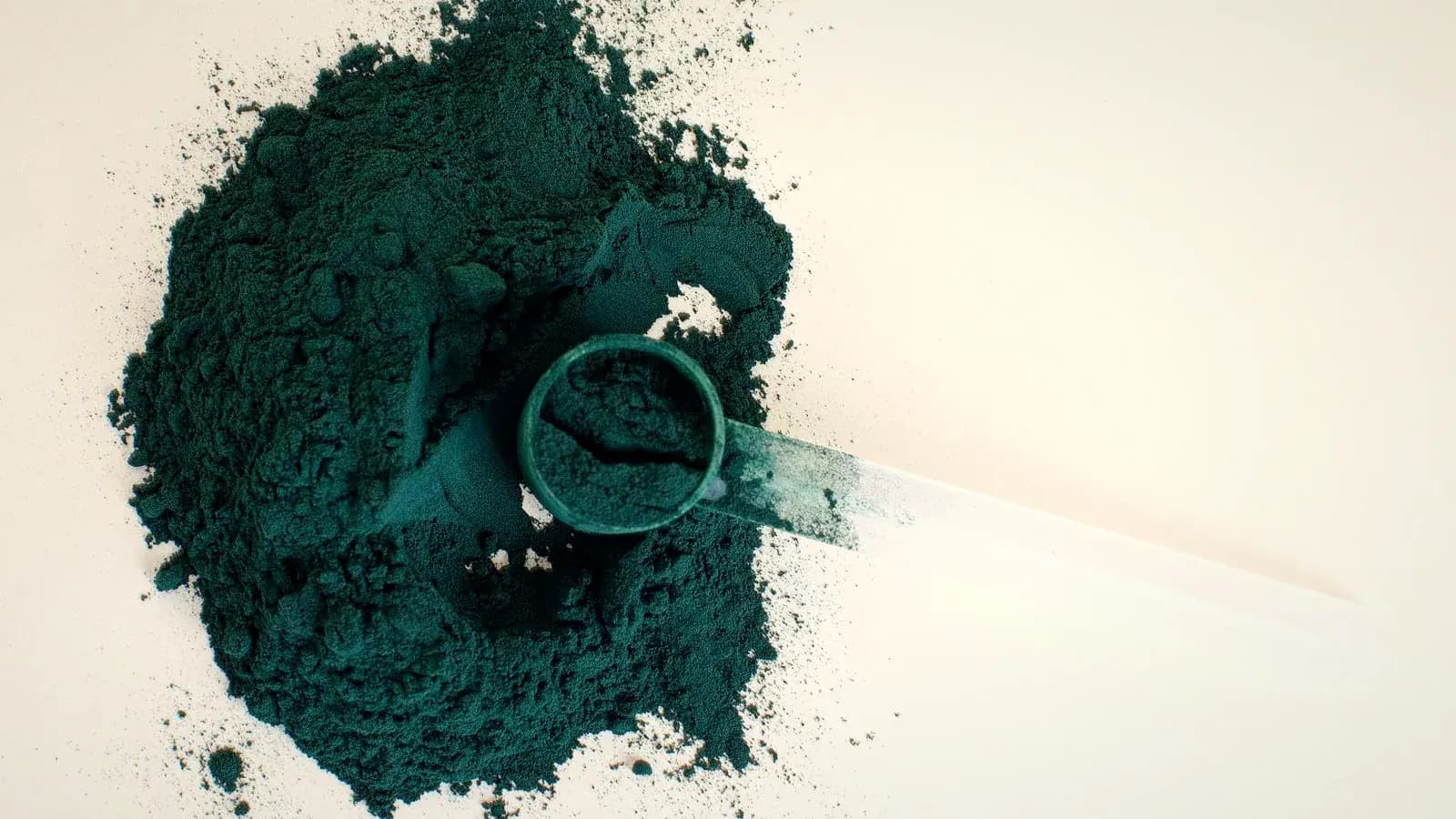
Spirulina supplements are sold as a green "superfood" that supposedly lowers cholesterol and blood pressure, helps weight loss and steadies blood sugar. Unlike many supplements, spirulina supplements do have a stack of meta-analyses of randomised trials behind it, and most report benefits. This guide looks at what they found, how reliable the numbers are, and the contamination warning that comes with an algae grown in ponds.
⚕️ Medical Disclaimer
This article is general information, not medical advice. Do not start, stop or change any medicine because of anything you read here. Ask your doctor or pharmacist before taking spirulina, especially if you take blood pressure, cholesterol or diabetes medicines, have liver or autoimmune disease, are pregnant or breastfeeding, or buy a product with no independent testing.
The short version
- A 2016 meta-analysis of 7 trials found that spirulina lowered total cholesterol by about 47 mg/dL, LDL cholesterol by about 41 mg/dL and triglycerides by about 44 mg/dL, and raised HDL by about 6 mg/dL.
- Two blood pressure meta-analyses (2021 and 2025) found drops of about 4.4 to 4.6 mmHg in systolic pressure, with larger effects in people with hypertension, overweight and in trials longer than 8 weeks.
- Meta-analyses of weight found average losses of about 1.6 to 1.9 kg, and a large 2025 analysis of 23 studies found smaller effects on body weight and limited effects on body composition and blood sugar.
- A 2019 meta-analysis in metabolic syndrome found lower fasting blood glucose (about 10 mg/dL), insulin and cholesterol.
- The catch: many of the pooled trials were small, results differed a lot between trials, and a safety review warns that spirulina grown in the wild or in poor conditions can be contaminated with toxins.
What is spirulina?
Spirulina is a blue-green microalga, technically a cyanobacterium, sold as a dark green powder, tablets and capsules. It is high in protein and contains vitamins, minerals and pigments such as chlorophyll and phycocyanin. A 2023 review in the Journal of the American Nutrition Association describes a recommended adult dose of about 3 to 10 g a day, with 30 g a day as a maximum limit. Trials often use 1 to 8 g a day.

Do spirulina supplements lower cholesterol?
A 2016 meta-analysis by Serban and colleagues in Clinical Nutrition pooled 7 randomised trials. Spirulina supplements lowered total cholesterol by 46.76 mg/dL (95% CI -67.31 to -26.22), LDL cholesterol by 41.32 mg/dL (95% CI -60.62 to -22.03) and triglycerides by 44.23 mg/dL (95% CI -50.22 to -38.24), and raised HDL cholesterol by 6.06 mg/dL (95% CI 2.37 to 9.76). The effect did not depend on dose, but longer supplementation was associated with larger changes.
In people with metabolic syndrome and related disorders, a 2019 meta-analysis by Hamedifard and colleagues in Phytotherapy Research found smaller but still significant changes: total cholesterol fell by 20.50 mg/dL, LDL by 19.02 mg/dL and VLDL by 6.72 mg/dL, while HDL rose by 1.42 mg/dL.
A 2025 meta-analysis by Fu and colleagues in Frontiers in Nutrition, covering 23 studies with 1,035 overweight or obese adults, reported significant lowering of total cholesterol (Hedges g -0.79), triglycerides (g -0.64) and LDL (g -0.71), and a rise in HDL (g 0.53). These changes are large for a supplement, which is part of why the findings deserve a careful reading: the size of the effect varies between trials, and small early trials often overestimate benefits.
Do spirulina supplements improve blood sugar?
The 2019 meta-analysis in metabolic syndrome also found that spirulina significantly lowered fasting plasma glucose by 10.31 (95% CI -16.21 to -4.42) and insulin by 0.53 (95% CI -0.62 to -0.44) in its pooled analysis. However, the 2025 overweight and obesity analysis concluded that the overall effect on body composition and glycemic control appeared limited. In other words, the blood sugar evidence is mixed and depends on which group of patients was studied.
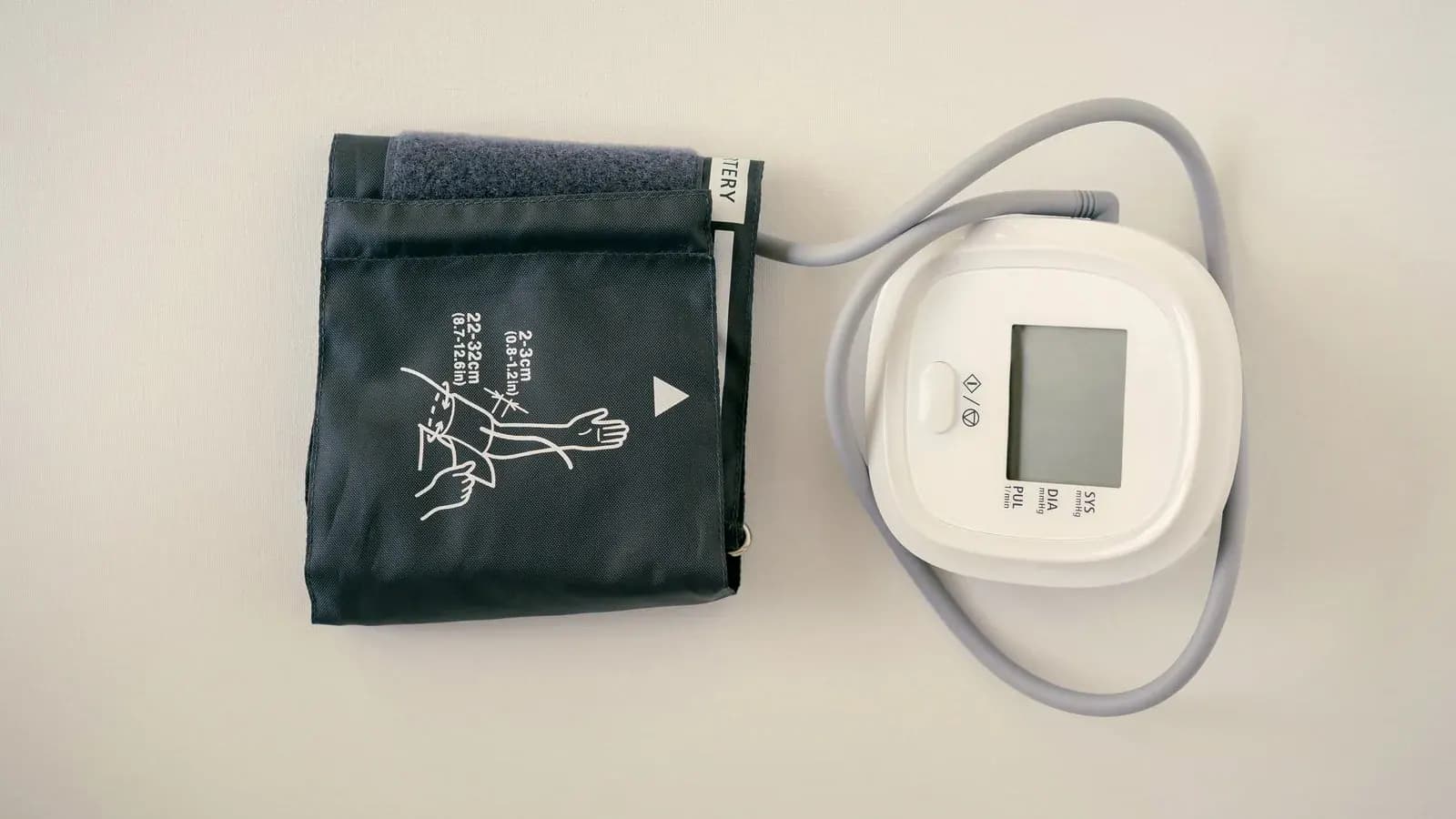
Does spirulina lower blood pressure?
A 2021 meta-analysis by Machowiec and colleagues in Nutrients pooled only 5 trials with 230 participants, using 1 to 8 g a day for 2 to 12 weeks. Systolic pressure fell by 4.59 mmHg (95% CI -8.20 to -0.99) and diastolic by 7.02 mmHg (95% CI -8.86 to -5.18), mainly in people with hypertension.
A larger 2025 update by Shiri and colleagues in Phytotherapy Research found a systolic drop of 4.41 mmHg (95% CI -6.74 to -2.07) and a diastolic drop of 2.84 mmHg (95% CI -4.65 to -1.03). Effects were larger in people with hypertension, in overweight individuals, in people over 50 and in trials longer than 8 weeks. The authors rated the certainty of the evidence as moderate by GRADE, and noted that dose-response analysis was not significant because of the small number of studies. A 4 mmHg drop is meaningful at population level but is not a replacement for blood pressure medicine. For comparison, see our guides on magnesium and blood pressure and beetroot juice and blood pressure.
Do spirulina supplements help with weight loss?
A 2019 meta-analysis by Moradi and colleagues in Complementary Therapies in Medicine pooled 5 studies with 7 treatment arms and found weight fell by 1.56 kg on average (95% CI -1.98 to -1.14), more in obese participants (2.06 kg) than in overweight ones (1.28 kg). Body fat percentage fell by 1.02 points. BMI and waist-to-hip ratio did not change significantly.
A 2021 meta-analysis by Zarezadeh and colleagues in Phytotherapy Research found a weight reduction of 1.85 kg (95% CI -2.44 to -1.26, but with high heterogeneity of 82 percent) and a waist circumference reduction of 1.09 cm. BMI did not change significantly overall, though it did in studies lasting at least 12 weeks. The 2025 analysis found a smaller weight effect (Hedges g -0.30). These are modest changes of a kilogram or two, and the high heterogeneity means the trials disagreed about the size. See also our guide on green tea and weight loss.

Are spirulina supplements safe?
A 2023 review in the Journal of the American Nutrition Association describes the potential health benefits but also toxicological concerns. The authors report that spirulina products may be contaminated with toxins such as microcystins and beta-methylamino-L-alanine (BMAA), produced by other cyanobacteria, which they link to risks including acute poisoning, liver damage and gastrointestinal disturbance, and they suggest that long-term consumption could be a concern for neurological disease. That last point is a hypothesis from a review, not a finding from the human trials above.
The practical lesson is about quality. Choose products that publish independent testing for contaminants, avoid wild-harvested algae, stay within commonly recommended doses, and stop and speak to a doctor if you develop stomach upset, jaundice or other symptoms.
Who should be careful with spirulina supplements?
Talk to a doctor or pharmacist first if you take medicines for blood pressure, cholesterol or diabetes, because the trials suggest spirulina may add to those effects. People with liver disease, autoimmune conditions, pregnant or breastfeeding women and children should also ask before using spirulina supplements, since the trials above were not designed to prove long-term safety in those groups.
Practical takeaways on spirulina supplements
- The pooled evidence points to lower cholesterol, a few mmHg lower blood pressure and a small weight loss.
- The trials are mostly small and disagree on size, so expect less than the biggest headline numbers.
- Blood sugar results are mixed.
- Product quality matters because of possible toxin contamination.
- It does not replace medicines or the basics: diet, activity, sleep.
Frequently Asked Questions
Does spirulina lower cholesterol?
In meta-analyses, yes. A 2016 analysis of 7 trials found total cholesterol fell by about 47 mg/dL and LDL by about 41 mg/dL, and a 2025 analysis of 23 studies found significant lowering as well. The trials were small and differed in size of effect.
Does spirulina lower blood pressure?
Probably a little. A 2025 meta-analysis found drops of about 4.4 mmHg systolic and 2.8 mmHg diastolic, larger in people with hypertension and in trials longer than 8 weeks. It is not a substitute for medicine.
Does spirulina help weight loss?
Slightly. Meta-analyses found average weight losses of about 1.6 to 1.9 kg, with high variation between trials and smaller effects in a 2025 analysis of 23 studies.
How much spirulina is safe to take?
A 2023 review describes about 3 to 10 g a day as a recommended adult dose and 30 g a day as a maximum limit. Trials often used 1 to 8 g a day. Ask a doctor or pharmacist what suits you.
Can spirulina be contaminated?
Yes. A 2023 review warns that spirulina products can contain toxins such as microcystins and BMAA from other cyanobacteria, which is why independently tested products matter.
Does spirulina improve blood sugar?
The evidence is mixed. A 2019 meta-analysis in metabolic syndrome found lower fasting glucose and insulin, while a 2025 analysis in overweight and obese adults found limited overall effects on glycemic control.
The bottom line
Spirulina supplements have more supportive meta-analyses than most supplements, with consistent signals for cholesterol, blood pressure and a small amount of weight loss. The underlying trials are small and varied, and product contamination is a real concern, so the sensible reading is promising but not proven. If you try it, choose an independently tested product and keep your doctor informed.
References
[Serban MC et al., "A systematic review and meta-analysis of the impact of Spirulina supplementation on plasma lipid concentrations," Clinical Nutrition, 2016. PMID: 26433766] [Hamedifard Z et al., "The effects of spirulina on glycemic control and serum lipoproteins in patients with metabolic syndrome and related disorders: A systematic review and meta-analysis of randomized controlled trials," Phytotherapy Research, 2019. PMID: 31359513] [Fu Z et al., "Effects of spirulina supplementation alone or with exercise on cardiometabolic health in overweight and obese adults: a systematic review and meta-analysis," Frontiers in Nutrition, 2025. PMID: 40655486] [Machowiec P et al., "Effect of Spirulina Supplementation on Systolic and Diastolic Blood Pressure: Systematic Review and Meta-Analysis of Randomized Controlled Trials," Nutrients, 2021. PMID: 34578932] [Shiri H et al., "The Effect of Spirulina Supplementation on Blood Pressure in Adults: A GRADE-Assessed Systematic Review and Meta-Analysis of Randomized Clinical Trials," Phytotherapy Research, 2025. PMID: 39529406] [Moradi S et al., "Effects of Spirulina supplementation on obesity: A systematic review and meta-analysis of randomized clinical trials," Complementary Therapies in Medicine, 2019. PMID: 31780031] [Zarezadeh M et al., "Spirulina supplementation and anthropometric indices: A systematic review and meta-analysis of controlled clinical trials," Phytotherapy Research, 2021. PMID: 32967062] [Gogna S et al., "Spirulina- An Edible Cyanobacterium with Potential Therapeutic Health Benefits and Toxicological Consequences," Journal of the American Nutrition Association, 2023. PMID: 35916491]Rate this article
Click on a star to rate this article
Keep Reading
Berberine Benefits: What the Research Shows
Berberine benefits explained: what trials found for blood sugar, weight and cholesterol, how big the effects are, side effects, and who should ask first.
Read article →
supplementsCLA Supplements: What the Research Shows
Do CLA supplements work? What meta-analyses show on weight, body fat, exercise, cholesterol, blood sugar and liver enzymes.
Read article →
supplementsQuercetin Supplements: What the Research Shows
Do quercetin supplements work? What meta-analyses show on blood pressure, cholesterol, inflammation, COVID-19 and why absorption varies so much.
Read article →

Vitality & Strength Editorial Team
Independent research synthesists — not licensed clinicians
Independent health writers and research synthesists. We are not doctors or registered dietitians; every claim we publish is sourced and linked to primary research, and we take no affiliate or industry money.