Flaxseed for Blood Pressure and Cholesterol: What the Research Shows
Does flaxseed lower blood pressure and cholesterol? A review of meta-analyses of 33 to 62 trials on blood pressure, LDL, diabetes, forms and safety.
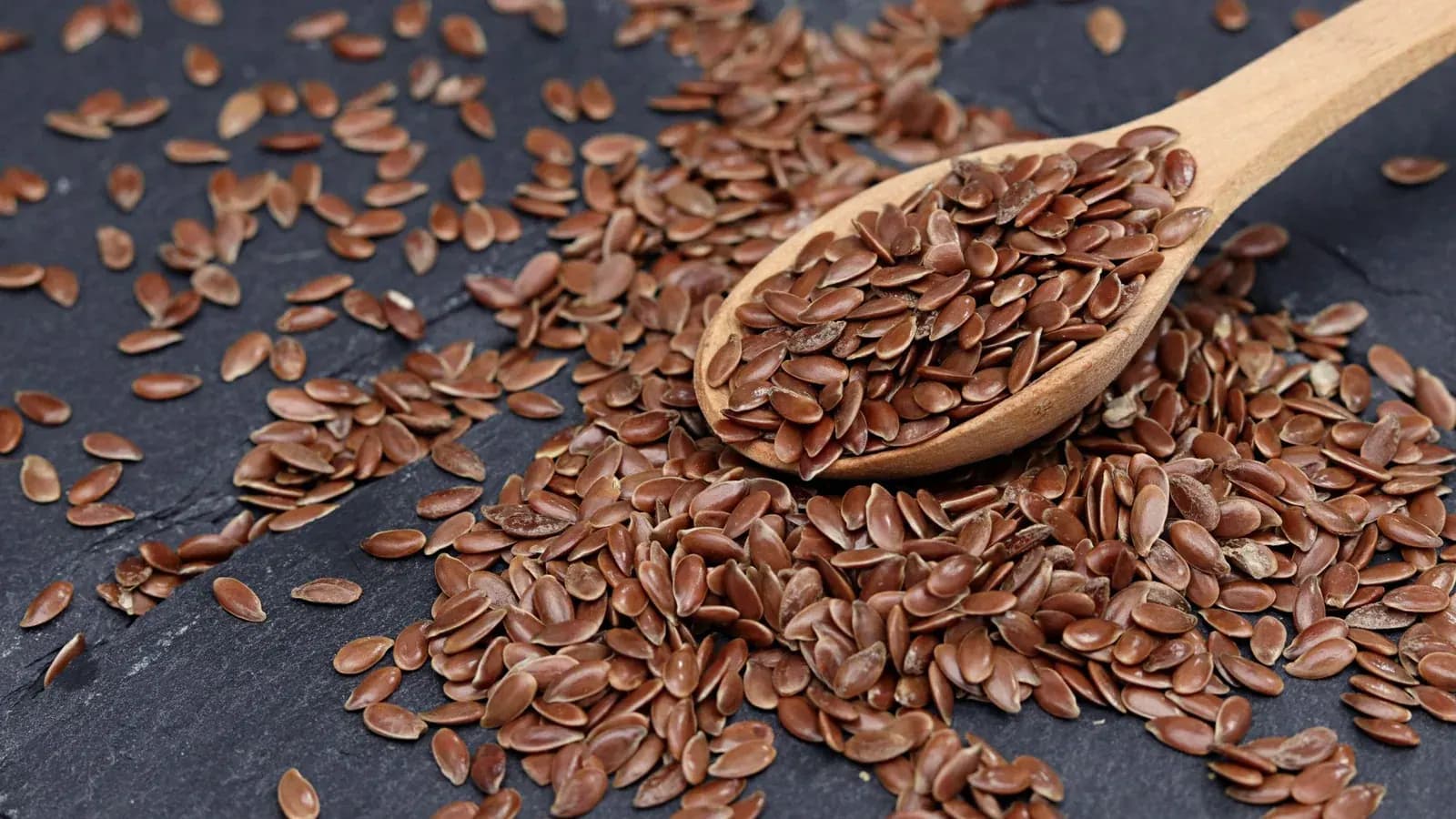
Flaxseed is one of the most popular "heart-healthy" seeds, and the claims are big: lower blood pressure, lower cholesterol, better blood sugar. This guide goes through the meta-analyses of randomised trials to show what flaxseed seems to do for blood pressure and blood fats, how large the effects are, and where the evidence is weaker than the headlines suggest.
⚕️ Medical Disclaimer
This article is general information, not medical advice. Do not stop or change blood pressure or cholesterol medicines because of anything you read here. Ask your doctor or pharmacist before adding large amounts of flaxseed if you take regular medicines, have a bowel condition, are pregnant or breastfeeding, or have a hormone-sensitive condition.
The short version
- A 2023 meta-analysis of 33 trials with 2,427 participants found that flaxseed lowered systolic blood pressure by about 3.2 mmHg and diastolic by about 2.6 mmHg on average, but the trials differed a lot from one another.
- A 2020 meta-analysis of 62 trials with 3,772 participants found small improvements in total cholesterol, LDL cholesterol and triglycerides, and no change in HDL cholesterol.
- Effects looked larger in longer trials, at higher amounts and in people with higher blood pressure or dyslipidaemia, but these are subgroup findings.
- In people with type 2 diabetes, a 2025 meta-analysis found no clear benefit for blood pressure or LDL cholesterol, though triglycerides and some body measures improved.
- A review of flaxseed forms concluded that ground flaxseed is the better choice than whole seeds for absorbing its active compounds.
What is in flaxseed?
Flaxseed, also called linseed, is the seed of Linum usitatissimum. It is a source of alpha-linolenic acid (ALA), a plant omega-3 fat, of lignans such as secoisolariciresinol diglucoside, and of fibre. Reviews credit these compounds with anti-inflammatory and lipid-lowering properties, which is why researchers have tested flaxseed in heart and metabolic health. The same reviews note that flaxseed also contains antinutrients such as cyanogenic glycosides, cadmium, trypsin inhibitors and phytic acid, which is one reason not to treat it as unlimited.
Does flaxseed lower blood pressure?
The strongest summary is a 2023 systematic review and dose-response meta-analysis by Li and colleagues in Food and Function. It searched major databases up to July 2022 and pooled 33 trials, with 43 treatment arms and 2,427 participants. Flaxseed supplementation reduced systolic blood pressure by 3.19 mmHg (95% CI -4.15 to -2.24) and diastolic blood pressure by 2.61 mmHg (95% CI -3.27 to -1.94).
Those numbers are modest. A drop of around 3 mmHg is not a replacement for medicine, but it is in the range that matters for population health, and the authors suggested flaxseed could sit alongside routine treatment. The authors also reported greater effects in trials lasting more than 20 weeks, using at least 30 g of flaxseed a day, in people with a BMI of 25 to 30 and in people with hypertension.
There is an important caveat. The heterogeneity between trials was very high, with I2 values above 92 percent for both systolic and diastolic pressure. That means the trials disagreed widely on how big the effect is, and a pooled average hides that. Trials also used different products, such as whole seed, ground seed, oil and flour, so "flaxseed" is not one intervention.
Does flaxseed lower cholesterol?
A 2020 meta-analysis by Hadi and colleagues in Pharmacological Research pooled 62 randomised trials with 3,772 participants. Flaxseed supplementation significantly reduced total cholesterol by about 5.4 mg/dL, triglycerides by about 9.4 mg/dL and LDL cholesterol by about 4.2 mg/dL. HDL cholesterol did not change. The authors said larger, better designed studies were needed.
A separate 2022 meta-analysis in Current Problems in Cardiology looked at 14 trials with 1,107 participants and split people by their baseline lipids. In people with dyslipidaemia, flaxseed improved total cholesterol, LDL cholesterol and triglycerides. In healthy people the picture was mixed: HDL cholesterol rose, but so did LDL cholesterol and triglycerides in that analysis, and LDL improved in overweight people with a BMI above 25.
Put simply, the effect on LDL is small, about 4 mg/dL on average in the large analysis. For comparison, that is far smaller than the effect of cholesterol-lowering medicines, so flaxseed is best seen as a modest dietary extra rather than a treatment.
What about people with diabetes or heart disease?
The results are less encouraging in these groups. A 2025 GRADE-assessed meta-analysis by Musazadeh and colleagues in Diabetes and Metabolic Syndrome pooled 16 trials with 1,136 people with type 2 diabetes. Flaxseed improved weight, waist circumference and triglycerides, but not BMI, systolic or diastolic blood pressure, total cholesterol, LDL cholesterol or HDL cholesterol. The authors concluded there was no benefit for blood pressure and the other lipid markers in this group.
A 2024 meta-analysis in Clinical Cardiology covered only six trials in people with coronary artery disease. Pooled lipid results were not significant, although after a sensitivity analysis triglycerides fell by about 18 mg/dL. Fasting blood glucose and hs-CRP, a marker of inflammation, also decreased. With so few trials, these results are tentative.

Ground, whole or oil?
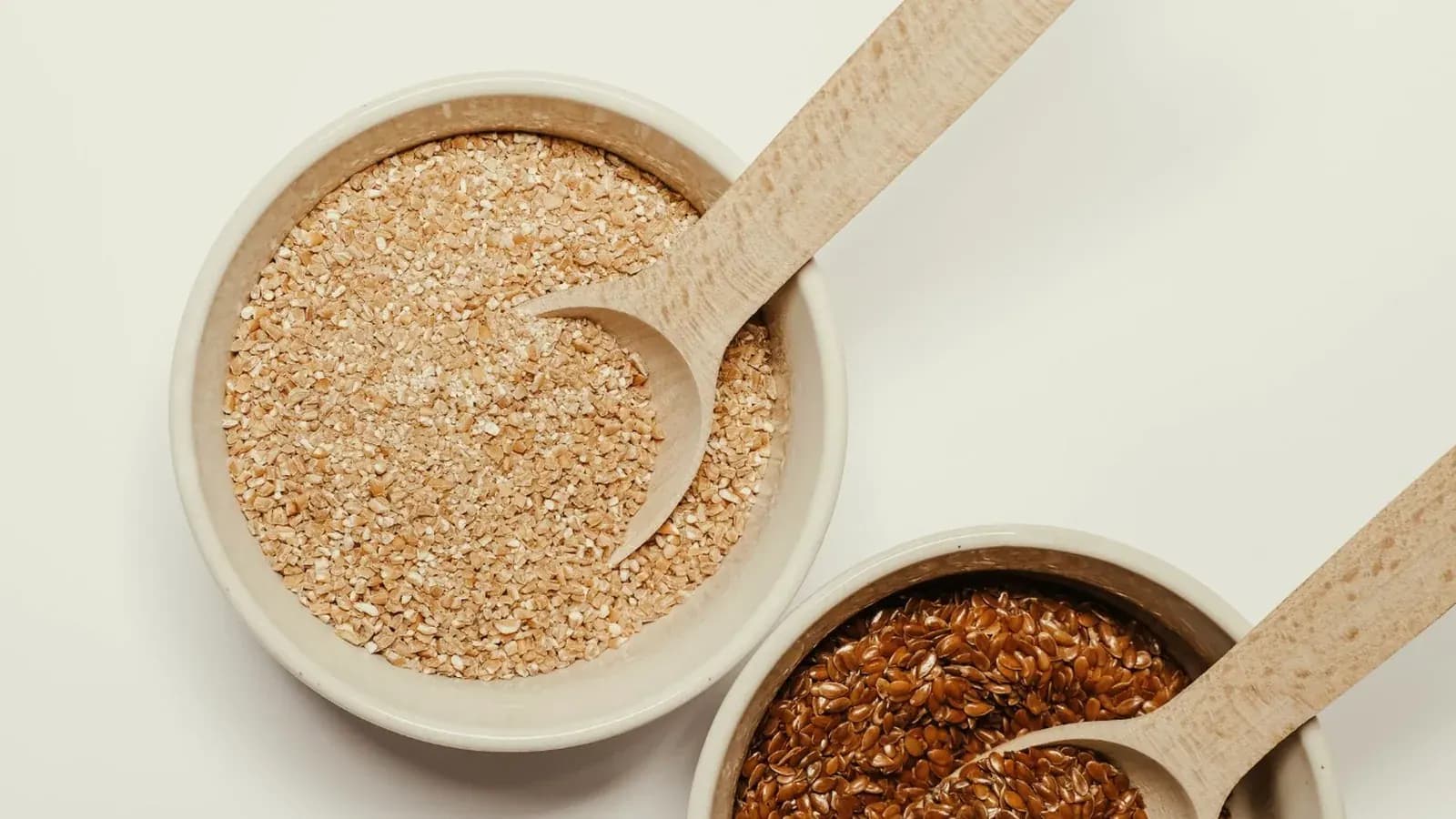
A 2023 review in Healthcare by Nowak and Jeziorek describes three common forms: whole flaxseed, ground flaxseed and flaxseed oil. The bioavailability of ALA and lignans depends on the form, and the review concluded that flaxseed should be eaten ground to get the most from its bioactive components. Whole seeds can pass through the gut largely intact. Flaxseed oil contains ALA but lacks the fibre and most of the lignans, so results from seed trials do not automatically apply to oil.
Safety and practical points
The same review notes that flaxseed contains cyanogenic glycosides and cadmium, plus trypsin inhibitors and phytic acid that can reduce the absorption of some nutrients. This is a reason to use moderate, food-sized amounts rather than very large ones, and to ask a professional if you are unsure. Flaxseed is high in fibre, so a sudden large increase may upset digestion, and it is sensible to drink fluids with it. If you take blood pressure or cholesterol medicines, tell your doctor before making flaxseed a daily habit, as your readings may change.
Flaxseed also does not replace the basics. Cutting sodium, getting enough potassium and magnesium, and staying active all have their own evidence. See sodium and blood pressure, potassium and blood pressure and magnesium and blood pressure. For another fibre-based option for cholesterol, read psyllium husk for cholesterol, and for the wider omega-3 picture see omega-3 supplements: the complete guide.
The bottom line
The evidence suggests flaxseed can modestly lower blood pressure and blood fats, with average changes of roughly 3 mmHg for systolic pressure and a few mg/dL for LDL cholesterol. The trials disagree a lot, the effects in people with diabetes and heart disease are less clear, and ground seed appears to be the better form. It is a reasonable food to add, but it is a small lever, not a treatment.
References
[Li L et al., "Effect of flaxseed supplementation on blood pressure: a systematic review, and dose-response meta-analysis of randomized clinical trials," Food and Function, 2023. PMID: 36622248] [Hadi A et al., "Effect of flaxseed supplementation on lipid profile: An updated systematic review and dose-response meta-analysis of sixty-two randomized controlled trials," Pharmacological Research, 2020. PMID: 31899314] [Sadat Masjedi M et al., "Effects of Flaxseed on Blood Lipids in Healthy and Dyslipidemic Subjects: A Systematic Review and Meta-Analysis of Randomized Controlled Trials," Current Problems in Cardiology, 2022. PMID: 34384619] [Musazadeh V et al., "The effect of flaxseed supplementation on anthropometric indices, blood pressure, and lipid profile in diabetic patients: A GRADE-assessed systematic review and meta-analysis of randomized controlled trials," Diabetes and Metabolic Syndrome, 2025. PMID: 40499336] [Sabet HR et al., "Effects of flaxseed supplementation on weight loss, lipid profiles, glucose, and high-sensitivity C-reactive protein in patients with coronary artery disease: A systematic review and meta-analysis of randomized controlled trials," Clinical Cardiology, 2024. PMID: 38269632] [Nowak W, Jeziorek M, "The Role of Flaxseed in Improving Human Health," Healthcare, 2023. PMID: 36766971]Frequently Asked Questions
Does flaxseed lower blood pressure?
On average, a little. A 2023 meta-analysis of 33 trials found drops of about 3.2 mmHg systolic and 2.6 mmHg diastolic, with large differences between trials. It is not a substitute for blood pressure medicine.
Does flaxseed lower LDL cholesterol?
Slightly. A 2020 meta-analysis of 62 trials found an average LDL reduction of about 4.2 mg/dL and no change in HDL. The effect looked clearer in people with dyslipidaemia.
Is ground or whole flaxseed better?
A 2023 review concluded that flaxseed should be eaten ground to get the most from its alpha-linolenic acid and lignans, because whole seeds are harder to absorb.
How much flaxseed did the trials use?
Amounts varied. In the 2023 blood pressure meta-analysis, effects were greater in trials using at least 30 g a day and lasting more than 20 weeks, but these were subgroup findings and not a recommendation. Ask your doctor what suits you.
Does flaxseed work for people with type 2 diabetes?
Less clearly. A 2025 meta-analysis of 16 trials found improvements in weight, waist circumference and triglycerides, but no benefit for blood pressure, LDL cholesterol or total cholesterol.
Are there downsides to eating a lot of flaxseed?
Flaxseed contains cyanogenic glycosides, cadmium, trypsin inhibitors and phytic acid, and it is high in fibre. Moderate amounts are the sensible approach, and it is worth checking with your doctor if you take regular medicines or have a bowel condition.
Rate this article
Click on a star to rate this article
Keep Reading
Spirulina Supplements: What the Research Shows
Do spirulina supplements work? What meta-analyses show on cholesterol, blood pressure, weight, blood sugar and contamination.
Read article →
supplementsMagnesium and Blood Pressure: What the Research Shows
Magnesium and blood pressure: what 2024-2026 meta-analyses found, why the dose advice differs, who may benefit, and who should ask a doctor first.
Read article →
supplementsPsyllium Husk for Cholesterol: What the Research Shows
Does psyllium husk for cholesterol work? A review of 2018 to 2025 meta-analyses on LDL, blood pressure, blood sugar, weight, and how to take it safely.
Read article →

Vitality & Strength Editorial Team
Independent research synthesists — not licensed clinicians
Independent health writers and research synthesists. We are not doctors or registered dietitians; every claim we publish is sourced and linked to primary research, and we take no affiliate or industry money.