Vitamin E Supplements: What the Research Shows
Do vitamin E supplements work? What meta-analyses show on fatty liver, stroke, Alzheimer's, inflammation and the high-dose mortality warning.
Vitamin E supplements have a long reputation as an "antioxidant insurance policy" for the heart, brain and liver. The research tells a more mixed story: some uses look promising, some show no benefit, and high doses carry real warnings. This guide goes through the meta-analyses of randomised trials to show what vitamin E supplements seem to do, for whom, and where the evidence says to be careful.
⚕️ Medical Disclaimer
This article is general information, not medical advice. Do not start, stop or change any medicine or supplement because of anything you read here. Ask your doctor or pharmacist before taking vitamin E, especially if you take blood thinners such as warfarin, have had a stroke, have liver disease, are pregnant or breastfeeding, or are due for surgery.
The short version
- A 2005 meta-analysis of 19 trials with 135,967 participants found that high-dose vitamin E (400 IU a day or more) was linked to a higher risk of death from any cause, about 39 extra deaths per 10,000 people, while low-dose trials showed no increase.
- A 2024 meta-analysis of 16 trials found that vitamin E alone did not reduce stroke, and that vitamin E combined with other antioxidants lowered ischemic stroke slightly but raised hemorrhagic stroke.
- The best-supported use is non-alcoholic fatty liver disease, where a 2021 meta-analysis found lower liver enzymes and better liver histology.
- Evidence that vitamin E prevents Alzheimer's disease is not convincing, and a 2021 meta-analysis found no significant link.
- Vitamin E lowered some inflammation and blood fat markers in specific groups, such as people with polycystic ovary syndrome, but these are small, short-term changes in markers rather than proof of fewer illnesses.
What is vitamin E?
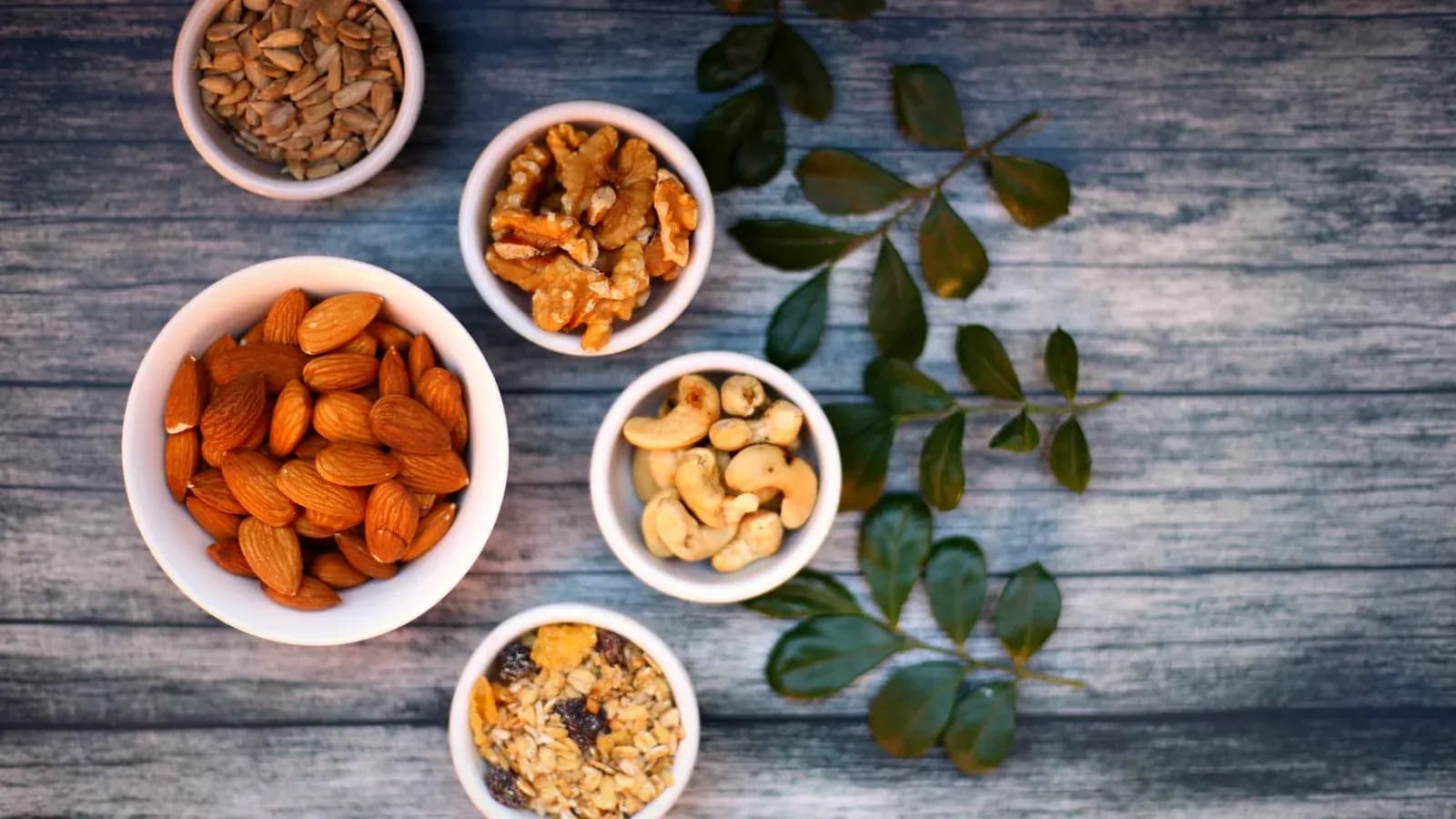
Vitamin E is a fat-soluble vitamin that works as an antioxidant, helping protect cell membranes from damage by reactive molecules. It is a family of compounds, and the form most often sold and studied is alpha-tocopherol. Most people who eat nuts, seeds and vegetable oils get enough from food, which is one reason the case for supplements is weaker than the marketing suggests.
Researchers became interested in vitamin E because observational studies linked higher intakes with lower rates of heart disease and cancer. The problem is that people who eat well also tend to differ in many other ways. Randomised trials are the fair test, and that is where the picture becomes less flattering.
Does high-dose vitamin E raise the risk of death?
The most cited warning comes from a 2005 meta-analysis by Miller and colleagues in the Annals of Internal Medicine. It pooled 19 clinical trials with 135,967 participants. Nine trials tested vitamin E alone and ten tested it combined with other vitamins or minerals, with doses from 16.5 to 2,000 IU a day and a median of 400 IU.
In the trials of high-dose vitamin E (400 IU a day or more), the pooled risk difference for death from any cause was 39 per 10,000 people (95% CI 3 to 74 per 10,000). Nine of the eleven high-dose trials pointed in the direction of harm. In the low-dose trials the risk difference was -16 per 10,000 (95% CI -41 to 10), which was not statistically significant. A dose-response analysis suggested the risk rose above about 150 IU a day.
There are limits. The authors noted that the high-dose trials were often small and run in people with chronic disease, so it is uncertain how far the findings apply to healthy adults, and that pinning down the exact dose where risk begins is difficult. Their conclusion was still direct: high-dose vitamin E supplements may increase all-cause mortality and should be avoided.
Does vitamin E prevent stroke?
A 2024 meta-analysis by Maggio and colleagues in Nutrition Reviews looked at stroke specifically. It selected 16 randomised trials, with vitamin E doses from 33 to 800 IU and follow-up from six months to 9.4 years.
When vitamin E was given alone, it did not reduce either ischemic or hemorrhagic stroke. When it was combined with other antioxidants, ischemic stroke fell slightly (relative risk 0.91, 95% CI 0.84 to 0.99), but hemorrhagic stroke rose (relative risk 1.22, 95% CI 1.0 to 1.48). The authors concluded that the benefit was cancelled out by the harm and that vitamin E is not recommended for stroke prevention.
This fits a wider pattern: vitamin E affects blood clotting, which may explain why bleeding risk shows up in some analyses. It is also a reason to check with a doctor if you take warfarin or other medicines that thin the blood.
Can vitamin E help fatty liver disease?
This is the area where vitamin E has the strongest case. A 2021 systematic review and meta-analysis by Vadarlis and colleagues in the Journal of Gastroenterology and Hepatology searched databases up to June 2020 for randomised trials of vitamin E versus placebo in adults with non-alcoholic fatty liver disease (NAFLD). Eight studies were included in the review and seven in the pooled analysis.
Vitamin E reduced liver enzymes compared with placebo: alanine aminotransferase fell by 7.37 IU/L (95% CI -10.11 to -4.64) and aspartate aminotransferase by 5.71 IU/L (95% CI -9.49 to -1.93). It also improved every individual histological parameter reported, as well as LDL cholesterol, fasting blood glucose and serum leptin. The authors concluded that vitamin E can improve both biochemical and histological features of NAFLD, especially in people with non-alcoholic steatohepatitis, and could be considered a treatment option.
Two cautions apply. First, only a handful of trials were pooled, so the estimate could change as more data arrive. Second, an improvement in liver tests in a trial setting is not the same as safe long-term self-treatment. Anyone with fatty liver disease should discuss vitamin E with their liver specialist rather than starting it alone, because the risks above still apply.
What about Alzheimer's disease and memory?
Vitamin E has been tested in Alzheimer's disease because oxidative damage is thought to play a role. A 2021 systematic review and meta-analysis by Wang and colleagues in Nutritional Neuroscience combined five cohort studies and three randomised trials, with 14,262 participants in total and 1,313 cases of Alzheimer's disease in the risk analysis.
The pooled relative risk for vitamin E supplementation and Alzheimer's risk was 0.81, but the confidence interval ran from 0.50 to 1.33 and there was substantial inconsistency between studies (I2 69.2 percent). That means the result is compatible with a benefit, no effect or even a small harm. The authors could not pool the data on disease progression and concluded that the evidence did not support a clear association between vitamin E and Alzheimer's disease.
Does vitamin E lower inflammation?
A 2020 meta-analysis by Asbaghi and colleagues in Scientific Reports pooled 33 randomised trials with a total of 2,102 individuals. Vitamin E lowered C-reactive protein by 0.52 mg/L (95% CI -0.80 to -0.23). The effect was seen in trials using alpha-tocopherol and in people with conditions linked to insulin resistance.
A drop of about half a milligram per litre in a blood marker is small, and it does not prove fewer heart attacks or less disease. It does suggest vitamin E has measurable biological effects in some groups, which is part of why it keeps being tested.
Polycystic ovary syndrome and vitamin E
A 2022 meta-analysis in Scientific Reports pooled ten trials with 504 participants with polycystic ovary syndrome (PCOS), testing vitamin E alone or combined with omega-3 or magnesium. Supplementation was linked to lower LDL cholesterol (-12.84 mg/dL), lower total cholesterol (-16.30 mg/dL), lower hs-CRP (-0.60 ng/mL) and a small improvement in hirsutism score (-0.33).
These results are encouraging for blood fats and inflammation markers, but the trials were small and short, and some combined vitamin E with other nutrients, so it is hard to credit vitamin E alone. For more on how another nutrient fits in this area, see our guide to inositol for PCOS.
Can vitamin E reduce muscle damage after exercise?
A 2022 meta-analysis in Nutrients by Kim and colleagues combined 44 randomised trials on exercise-induced muscle damage. Vitamin E lowered creatine kinase (standardised mean difference -1.00, 95% CI -1.95 to -0.06) and lactate dehydrogenase (-1.80, 95% CI -3.21 to -0.39), two blood markers of muscle breakdown. Effects were larger when creatine kinase was measured right after exercise and in athletes, and doses below 500 IU showed the clearest benefit.
Lower marker levels do not necessarily mean faster recovery or better performance, and the confidence intervals were wide. If you are trying to recover better, sleep, protein and sensible training load matter more. See our guide to protein for older adults for the food side of recovery.
How much vitamin E is safe?
Daily needs and upper limits
Most adults need roughly 15 mg of alpha-tocopherol a day, which is easily met through food. The US National Academies set a tolerable upper intake level of 1,000 mg a day for supplemental alpha-tocopherol, but the Miller meta-analysis suggests that harm may appear in trials at much lower doses, and the Maggio stroke analysis used doses up to 800 IU. A sensible reading is that more is not better and that supplements above the dose in an ordinary multivitamin need a clear reason and medical advice.
Food sources of vitamin E
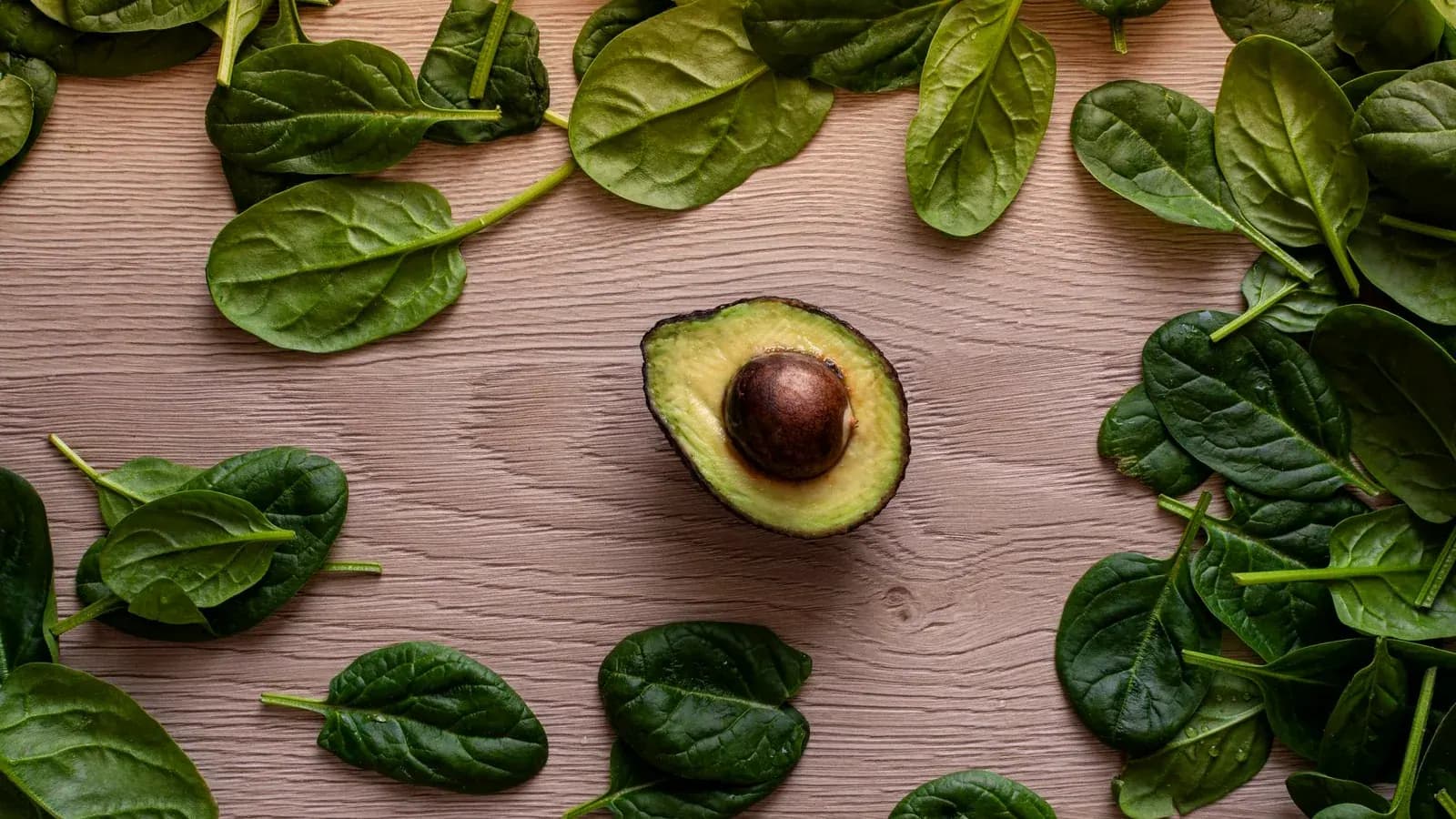
Food sources are a safer way to get vitamin E. Sunflower seeds, almonds, hazelnuts, peanut butter, spinach, avocado and vegetable oils all contribute. Natural and synthetic forms differ in how the label units are counted, so check whether a label gives milligrams or IU.
Who should avoid vitamin E supplements?
Talk to a doctor first if you take warfarin, aspirin or other blood thinners, have had a hemorrhagic stroke, are scheduled for surgery, or have a bleeding disorder. People with heart disease, cancer or liver disease should also ask before adding supplements, since the trials above often enrolled people with chronic conditions and the results may not match your situation.
Practical takeaways
- Get vitamin E from food first. Nuts, seeds, leafy greens and vegetable oils cover most needs.
- Avoid high-dose supplements (400 IU a day or more) unless a doctor has a specific reason.
- For fatty liver disease, vitamin E has the best evidence, but it should be supervised.
- Do not rely on vitamin E to prevent stroke, heart disease or dementia. The trials do not support that.
- Check for interactions with blood thinners before taking any vitamin E supplement.
Frequently Asked Questions
Is vitamin E good for you?
Vitamin E is an essential nutrient, and most people get enough from food. Supplements are a different question: a 2005 meta-analysis of 19 trials found that high doses (400 IU a day or more) were linked to higher all-cause mortality, and benefits for prevention of heart disease, stroke and dementia have not been shown in trials.
Does vitamin E help fatty liver?
It has the best evidence here. A 2021 meta-analysis found that vitamin E lowered ALT by 7.37 IU/L and AST by 5.71 IU/L and improved liver histology in adults with NAFLD. It should be used under medical supervision.
Does vitamin E prevent strokes?
No. A 2024 meta-analysis of 16 trials found that vitamin E alone did not reduce stroke, and that vitamin E combined with other antioxidants slightly reduced ischemic stroke but increased hemorrhagic stroke.
Does vitamin E prevent Alzheimer's disease?
The evidence is not convincing. A 2021 meta-analysis found a relative risk of 0.81 for Alzheimer's with vitamin E, but the confidence interval (0.50 to 1.33) included no effect, and the studies disagreed with each other.
How much vitamin E is too much?
The US tolerable upper intake level for supplemental alpha-tocopherol is 1,000 mg a day, but a 2005 meta-analysis linked doses of 400 IU a day or more to higher mortality in trials, and the dose-response analysis suggested risk above about 150 IU a day. Ask a doctor before taking more than a standard multivitamin provides.
Which foods are high in vitamin E?
Sunflower seeds, almonds, hazelnuts, peanut butter, spinach, avocado and vegetable oils such as sunflower and wheat germ oil are good sources. Eating a handful of nuts or seeds most days usually covers daily needs.
The bottom line
Vitamin E is a useful nutrient, but the trials do not support taking high-dose supplements for general health. The best-supported use is in non-alcoholic fatty liver disease under medical care. For stroke, dementia and death rates, the evidence ranges from neutral to worrying at high doses. Get it from food, and treat supplements as a medical decision rather than insurance.
References
[Miller ER 3rd et al., "Meta-analysis: high-dosage vitamin E supplementation may increase all-cause mortality," Annals of Internal Medicine, 2005. PMID: 15537682] [Maggio E et al., "Vitamin E supplementation (alone or with other antioxidants) and stroke: a meta-analysis," Nutrition Reviews, 2024. PMID: 37698992] [Vadarlis A et al., "Systematic review with meta-analysis: The effect of vitamin E supplementation in adult patients with non-alcoholic fatty liver disease," Journal of Gastroenterology and Hepatology, 2021. PMID: 32810309] [Wang W et al., "Effects of vitamin E supplementation on the risk and progression of AD: a systematic review and meta-analysis," Nutritional Neuroscience, 2021. PMID: 30900960] [Asbaghi O et al., "The effect of vitamin E supplementation on selected inflammatory biomarkers in adults: a systematic review and meta-analysis of randomized clinical trials," Scientific Reports, 2020. PMID: 33057114] ["A meta-analysis of effects of vitamin E supplementation alone and in combination with omega-3 or magnesium on polycystic ovary syndrome," Scientific Reports, 2022. PMID: 36402830] [Kim M et al., "Can Low-Dose of Dietary Vitamin E Supplementation Reduce Exercise-Induced Muscle Damage and Oxidative Stress? A Meta-Analysis of Randomized Controlled Trials," Nutrients, 2022. PMID: 35458161]Rate this article
Click on a star to rate this article
Keep Reading
Astaxanthin Supplements: What the Research Shows
Do astaxanthin supplements work? What meta-analyses show on skin, cholesterol, exercise, fatigue and a small liver enzyme signal.
Read article →
supplementsQuercetin Supplements: What the Research Shows
Do quercetin supplements work? What meta-analyses show on blood pressure, cholesterol, inflammation, COVID-19 and why absorption varies so much.
Read article →
supplementsAlpha-Lipoic Acid: What the Research Shows
Does alpha-lipoic acid work? A review of a Cochrane review and meta-analyses on diabetic neuropathy, blood sugar, weight, fatty liver and safety.
Read article →

Vitality & Strength Editorial Team
Independent research synthesists — not licensed clinicians
Independent health writers and research synthesists. We are not doctors or registered dietitians; every claim we publish is sourced and linked to primary research, and we take no affiliate or industry money.