Ozempic and Vision Loss: What the New FDA NAION Warning Means
Ozempic vision loss: the FDA now requires an eye-risk warning on Ozempic, Wegovy, Zepbound and other GLP-1 drugs. What NAION is, its signs and what to do.
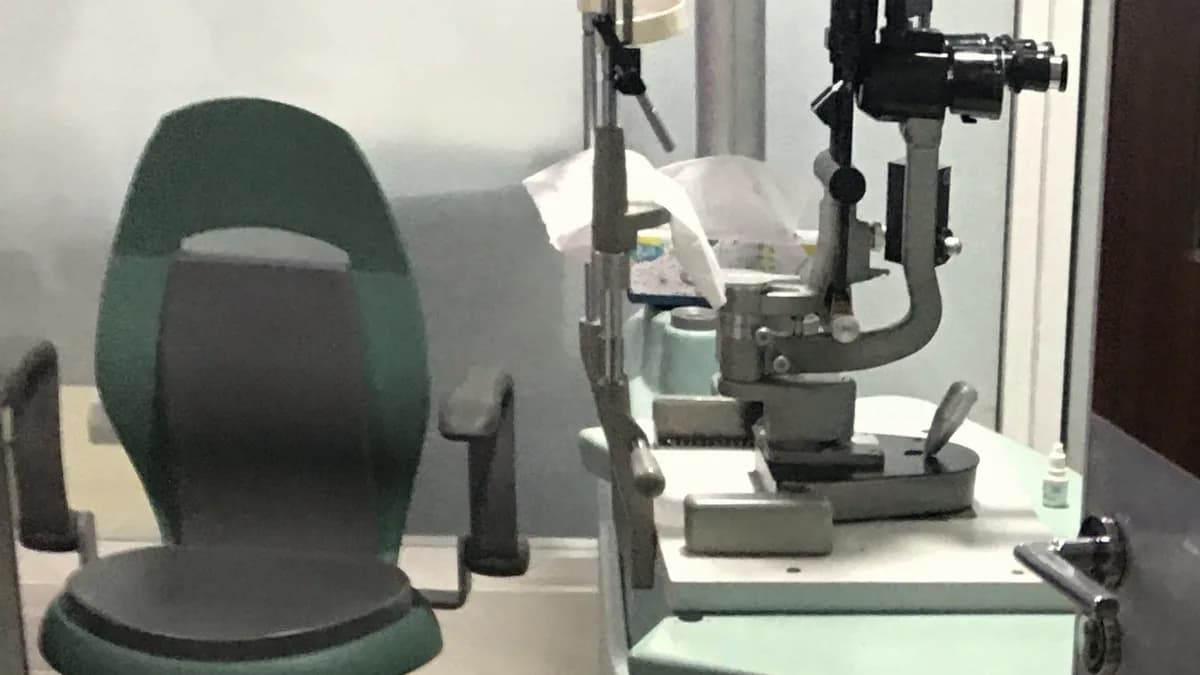
If you take Ozempic, Wegovy, Mounjaro or Zepbound, you may have seen headlines about these drugs and vision loss. On November 9, 2026, the US Food and Drug Administration told manufacturers to add a warning about a rare eye condition, NAION, to the labels of every GLP-1 medicine. Here is what that warning means for Ozempic vision loss risk, how rare the condition is, and what to watch for, without the panic. Ozempic vision loss is a rare event, but it is serious enough to know the signs.
⚕️ Medical Disclaimer
This article is general information, not medical advice. Do not stop or change a prescribed medicine without talking to your prescriber. If you notice sudden vision loss, seek urgent medical care.
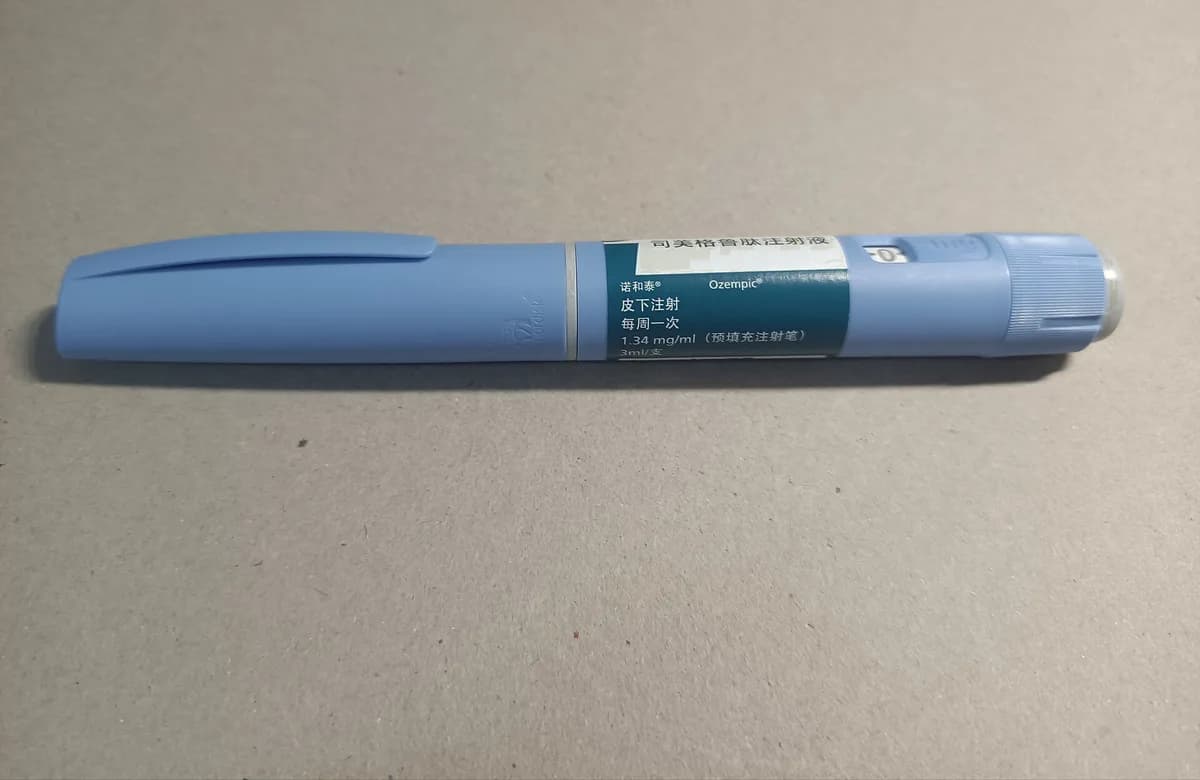
Photo: "Ozempic 3ml" by HualinXMN, CC BY-SA 4.0, via Wikimedia Commons. Colour-graded.

The short version: Ozempic vision loss in plain terms
- What changed: the FDA now expects every GLP-1 receptor agonist label to include a warning about NAION (non-arteritic anterior ischemic optic neuropathy), not only semaglutide products.
- How rare: the FDA calls NAION rare. Its bulletin says it can cause permanent vision loss in one eye, and that once it has happened in one eye, the other eye is at higher risk.
- Proven cause? No. The data show a possible link, and the FDA is acting on the side of caution. Manufacturers dispute that the drugs cause it.
- What to do: keep taking your medicine unless your prescriber says otherwise, and get help immediately for sudden vision changes.
What NAION is and why it matters for Ozempic vision loss
NAION is a stroke-like event of the optic nerve, the cable that carries signals from the eye to the brain. The FDA explains that it happens when blood supply to the front of the optic nerve drops, though the precise trigger is still not fully understood. It causes sudden, painless vision loss in one eye, which people often notice on waking.
The FDA notes the loss can be permanent. Some people recover part of their vision, but the damage to the nerve is typically lasting. That is why it gets serious attention even though it is uncommon.
Why the Ozempic vision loss warning appeared now
The concern built up over two years.
- 2024: a study from a large US eye hospital found that among people seen by neuro-ophthalmologists, those prescribed semaglutide had a higher rate of NAION than similar patients on other medicines. In patients with type 2 diabetes there were 17 cases in the semaglutide group versus 6 in the comparison group, a hazard ratio of about 4. It was a single-centre, retrospective study, which cannot prove cause.
- 2025: Europe's medicines regulator concluded that NAION is a very rare side effect of semaglutide, affecting up to 1 in 10,000 users, and added it to product information.
- 2026: the FDA pooled data from 126 randomized trials across the whole GLP-1 class and found 15 probable NAION events: 10 in people taking a GLP-1 drug and 5 on placebo. That small imbalance, plus reports from doctors, led to the class-wide warning.
Several 2026 reviews still describe the evidence as mixed. The main problem is that the people who take these drugs, those with diabetes, obesity, high blood pressure or sleep apnea, already have a higher baseline risk of NAION. Untangling the drug's effect from the condition it treats is genuinely hard.
How worried should you be about Ozempic vision loss?
Put the numbers side by side:
| Measure | What the data show |
|---|---|
| FDA bulletin | NAION is rare; the agency flags a possible added risk, and the loss can be lasting |
| European regulator (2025) | Up to 1 in 10,000 people on semaglutide, per the EMA |
| Proven cause | Not established; association only |
For most people the absolute risk is very small, and the FDA itself calls the condition rare. For someone who has already lost vision in one eye from NAION, or who has several risk factors, the conversation with their doctor may be different, because losing vision in the second eye would matter far more.
Against that risk sit the well-documented benefits of these drugs for blood sugar control, weight loss and, for some, heart and kidney protection. The FDA has not said the drugs should be avoided, only that patients and doctors should know about the risk.
Symptoms of Ozempic vision loss to act on immediately
The FDA symptom list
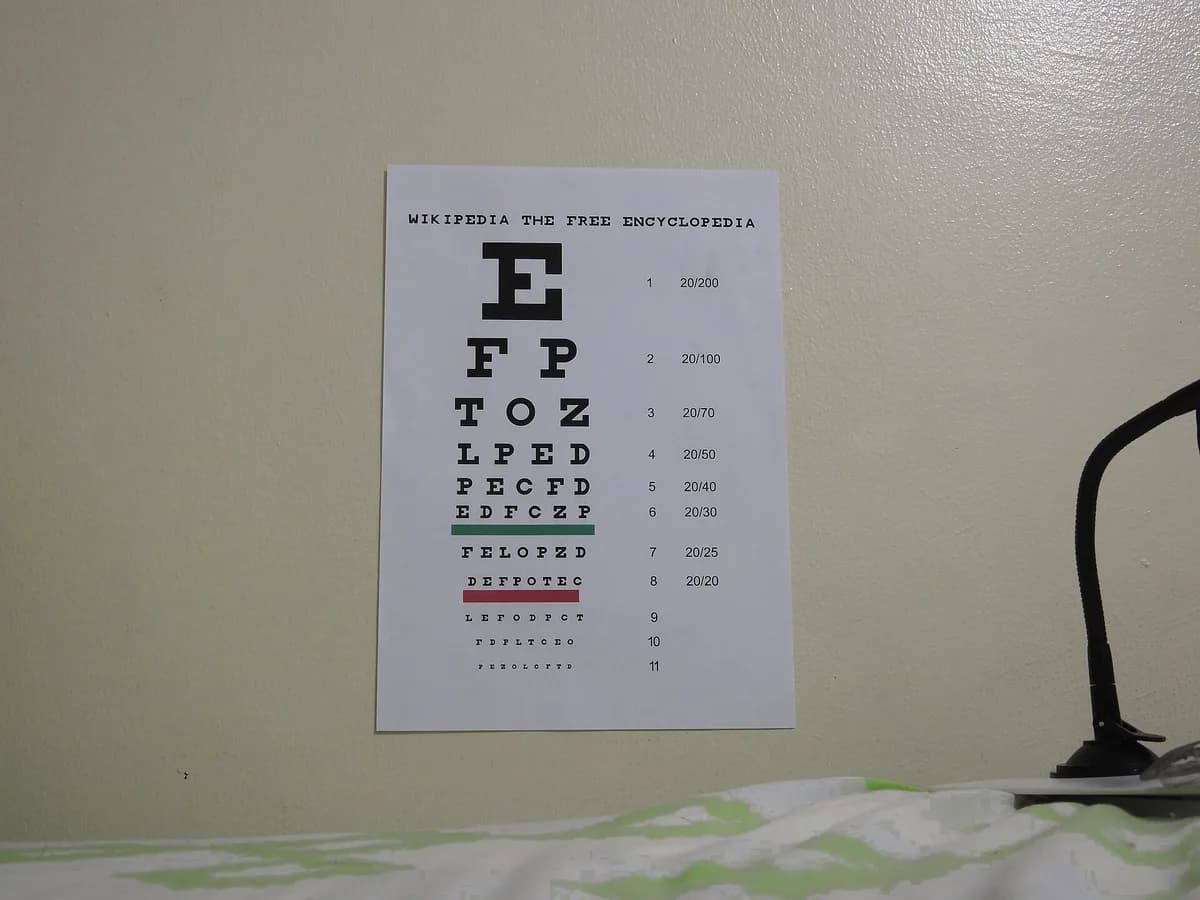
Photo: "Eye chart in focus" by Jeff Dahl and Psiĥedelisto, CC BY-SA 3.0, via Wikimedia Commons. Colour-graded.

Seek same-day medical care, an urgent eye clinic or emergency department, if you notice:
- sudden, painless vision loss in one eye, often noticed on waking
- blurred or missing parts of your vision (blind spots or tunnel vision)
- distorted colours
- reduced central sharpness, blurry or hazy spots
NAION is painless. Pain with eye movement, a red eye or a headache with jaw pain point to other conditions that also need urgent care.
Practical steps if you take Ozempic or another GLP-1 drug
Questions to ask your prescriber about Ozempic vision loss
- Do not stop on your own. Stopping suddenly can raise blood sugar and undo progress. Discuss any concern with your prescriber first.
- Know your baseline. If you have diabetes, keep your regular eye exams. Mention that you take a GLP-1 drug.
- Tell your doctor about eye history. According to the FDA, a person who has had NAION in one eye faces a higher chance of it happening in the other, so raise any past episode before starting or continuing treatment.
- Manage the risk factors the FDA lists. Smoking, diabetes, high blood pressure, sleep apnea, anaemia and kidney disease. Treating these is worthwhile whatever medication you take.
- Report side effects. In the US, patients and clinicians can report suspected side effects to FDA MedWatch.
For clinicians and what the FDA asks of them
For clinicians, the FDA asks that suspected NAION be referred to an eye specialist quickly. It also suggests considering stopping the drug in anyone who develops it, unless the drug's benefits clearly justify continuing.
What the manufacturers say
Novo Nordisk, which makes Ozempic and Wegovy, has said the data do not show that semaglutide causes NAION and that it stands by the benefits of its medicines. Eli Lilly, which makes Mounjaro and Zepbound, noted that the FDA communication applies to the whole drug class rather than any finding specific to its products. Both positions are consistent with the FDA's own wording: a potential risk, not a proven one.
The bottom line
The new label is a caution, not a verdict. NAION appears to be rare on GLP-1 drugs, and it is not proven that they cause it. The sensible response is awareness: know the symptoms, act fast if your vision changes, keep up with eye checks, and make decisions about your medication with your prescriber, not a headline.
For more on weight management without overclaims, see our guide to a safe calorie deficit.
Frequently Asked Questions
Does Ozempic cause blindness?
Not in the usual sense. The FDA now warns about a rare optic nerve condition called NAION, which can cause sudden, usually painless vision loss in one eye. The FDA calls it rare, and it has not been proven that the drugs cause it.
Which drugs does the new warning cover?
The whole GLP-1 receptor agonist class, including semaglutide (Ozempic, Wegovy, Rybelsus), tirzepatide (Mounjaro, Zepbound) and other GLP-1 medicines. The FDA asked manufacturers to add NAION to the Warnings and Precautions section of their labels.
Should I stop taking my GLP-1 medication?
Do not stop on your own. The FDA advises patients to keep taking their medicine unless their prescriber says otherwise, and to seek medical care right away for sudden vision loss or new vision problems.
What are the symptoms of NAION?
Typically sudden, painless loss of vision in one eye, often noticed on waking. People may see a dark area or blind spot, blurring, dimmer colours or loss of part of the visual field, often the lower half.
Who is more at risk of NAION?
NAION is more common in people over 50 and in those with diabetes, high blood pressure, sleep apnea, high cholesterol or a small, crowded optic disc. Several of these overlap with the people GLP-1 drugs are prescribed for, which makes cause and effect hard to separate.
Sources
[US Food and Drug Administration. FDA Requires Safety Labeling Changes for GLP-1 Receptor Agonists Due to Potential Increased Risk of Rare but Serious Eye Condition. MedWatch bulletin, November 9, 2026. Read the FDA bulletin
] [European Medicines Agency. PRAC concludes eye condition NAION is a very rare side effect of semaglutide medicines Ozempic, Rybelsus and Wegovy. 2025. Read the EMA statement
] [Hathaway JT, et al. Risk of Nonarteritic Anterior Ischemic Optic Neuropathy in Patients Prescribed Semaglutide. JAMA Ophthalmol. 2024;142(8). PMID: 38958939. View on PubMed
] [Khani E, et al. Semaglutide-Induced Nonarteritic Anterior Ischemic Optic Neuropathy: A Systematic Review and Meta-Analysis. J Clin Pharmacol. 2026;66(8):e70248. PMID: 42612051. View on PubMed
]Rate this article
Click on a star to rate this article
Keep Reading
16:8 vs 14:10 vs OMAD: Which Fasting Window Wins?
16:8 intermittent fasting vs 14:10 and OMAD: what the trials actually show on fat loss, autophagy, insulin, and which schedule fits which goal.
Read article →
weight managementHow to Boost Your Metabolism: What Works and What's a Rounding Error
Muscle burns 13 kcal/kg/day, not 50 per pound. Green tea moved weight by 0.04 kg. NEAT is worth up to 2,000. The numbers, in order.
Read article →
weight managementCalorie Deficit Explained: How to Calculate It and Lose Weight Safely
Understand calorie deficit science, calculate your personalized deficit, and learn safe implementation strategies for sustainable weight loss results.
Read article →

Vitality & Strength Editorial Team
Independent research synthesists — not licensed clinicians
Independent health writers and research synthesists. We are not doctors or registered dietitians; every claim we publish is sourced and linked to primary research, and we take no affiliate or industry money.