Exercise Snacks Benefits: What the Research Shows
Exercise snacks benefits: what 2026 meta-analyses found for fitness, blood sugar, weight and strength, which results held up, and who should be careful.

Exercise snacks benefits are being promoted everywhere: a minute of stair climbing here, a set of squats there, and supposedly your fitness, blood sugar and weight all improve. The idea is simple, because exercise snacks are very short bouts of activity, usually a few minutes or less, spread through the day. The research, however, is more specific than the headlines. This guide goes through what the latest systematic reviews and meta-analyses of randomised trials found about exercise snacks benefits, which outcomes improved, which did not, and how much confidence to place in the results.
⚕️ Medical Disclaimer
This article is general information, not medical advice. If you have a heart condition, high blood pressure, diabetes, joint problems, are pregnant, or have been inactive for a long time, speak to a doctor before starting vigorous exercise. Stop if you feel chest pain, dizziness or unusual breathlessness.
The short version
- A 2026 meta-analysis in the British Journal of Sports Medicine pooled 11 randomised trials with 414 inactive adults. Exercise snacks improved cardiorespiratory fitness (g = 1.37, 95% CI 0.58 to 2.17) with moderate certainty, but showed no significant effects on lower limb strength, body composition, blood pressure or blood lipids.
- A 2026 review in the Journal of Nutrition, Health and Aging of 21 trials with 921 participants found improved VO2max (g = 1.04) and peak power (g = 0.68), no significant change in cholesterol or triglycerides, and an overall increase in body fat percentage with low certainty.
- A 2026 meta-analysis in Frontiers in Nutrition of 22 studies with 994 sedentary people reported improved VO2max, triglycerides and blood glucose, but when the authors adjusted for publication bias the VO2max effect was no longer statistically significant.
- A 2026 meta-analysis of eight crossover trials with 159 participants found exercise snacks reduced the blood sugar response to a meal in a lab, but the trials disagreed a lot and the prediction interval crossed zero.
- In short, the best-supported exercise snacks benefits are better cardiorespiratory fitness in inactive people, while claims about weight loss, cholesterol and strength are not supported.
What are exercise snacks, and what are exercise snacks benefits?
Exercise snacks are short, structured bouts of activity, such as climbing stairs briskly, doing a set of bodyweight squats or a short fast walk, repeated several times a day. In the British Journal of Sports Medicine review they were defined as bouts of five minutes or less, done at least twice a day, at least three days a week, for at least two weeks. The appeal is practical: if you are inactive, a few minutes at a time is much easier to fit in than a 45-minute workout. The question is whether exercise snacks benefits match those of regular exercise, and the reviews below test that.
Exercise snacks benefits for fitness
The 2026 British Journal of Sports Medicine review
Rodriguez and colleagues searched seven databases up to April 2025 and included 11 randomised trials with 414 participants, of whom 69 percent were women. The interventions lasted 4 to 12 weeks, ranged from moderate to near-maximal intensity, and compared exercise snacks with non-exercising controls.
Exercise snacks significantly improved cardiorespiratory fitness in adults (g = 1.37, 95% CI 0.58 to 2.17; six studies), with moderate certainty of evidence. They also improved muscular endurance in older adults (g = 0.40, 95% CI 0.06 to 0.75; four studies), but the certainty was very low. Compliance (91 percent) and adherence (83 percent) were high, which is one of the real practical exercise snacks benefits: people actually did them.
There was heterogeneity in the fitness result (I2 of 71 percent), so the size of the effect varied a lot between studies.
The 2026 Journal of Nutrition, Health and Aging review
Meng and colleagues included 21 randomised trials with 921 participants. Exercise snacks improved VO2max (g = 1.04, 95% CI 0.68 to 1.39) and peak power output (g = 0.68, 95% CI 0.25 to 1.10), both with moderate certainty. VO2max improved in studies with average ages under 25 and 25 to 50, but not over 50, while peak power improved across all age groups.
The authors suggested that more bouts per day, four to five days a week, and seven to nine weeks of training might be associated with bigger gains in cardiorespiratory fitness, though these are subgroup findings that need confirmation. If you want to understand why VO2max matters, our guide to VO2 max and longevity explains the link.

A caution: publication bias
The 2026 Frontiers in Nutrition meta-analysis of 22 studies with 994 sedentary participants found VO2max improved (g = 1.24, 95% CI 0.53 to 1.95), with high heterogeneity (I2 of 75 percent). But it also detected significant publication bias, and after the trim-and-fill adjustment the VO2max effect fell to g = 0.62 with a confidence interval of -0.59 to 1.83, which is no longer statistically significant. In plain terms, small trials with positive results are more likely to be published, so the true exercise snacks benefits for fitness may be smaller than the first numbers suggest.
Exercise snacks benefits for blood sugar and metabolic health
Blood sugar after meals
A 2026 meta-analysis in Frontiers in Endocrinology looked at acute effects in eight crossover trials with 159 sedentary adults at metabolic risk, comparing exercise snacks with uninterrupted sitting. In the five trials reporting glucose incremental area under the curve, exercise snacks reduced the post-meal glucose response (mean difference -5.69 mmol hours per litre, 95% CI -9.38 to -2.00). But heterogeneity was very high (I2 of 85 percent) and the prediction interval, from -13.53 to 2.15, crossed zero, meaning a future trial could find no benefit. Insulin did not change significantly.
The authors concluded that exercise snacks are a promising adjunctive strategy for short-term post-meal blood sugar, but cannot yet be recommended as a specific clinical prescription. If post-meal blood sugar is your main interest, our review of walking after meals covers a closely related habit.
Cholesterol, blood pressure and body composition
This is where exercise snacks benefits are weakest. The British Journal of Sports Medicine review found no significant effects on body composition, blood pressure or blood lipids. The Journal of Nutrition, Health and Aging review found no significant effects on total, HDL or LDL cholesterol or triglycerides, and body fat percentage actually showed an overall increase (g = 0.51, 95% CI 0.01 to 1.02), with low-certainty evidence. The Frontiers in Nutrition review did report better triglycerides (g = 1.05) and blood glucose (g = -0.83), but with very high heterogeneity (I2 of 84 and 78 percent), and no differences in body fat, muscle mass or strength.
So the evidence on metabolic health is mixed. Anyone selling exercise snacks as a weight loss or cholesterol fix is going beyond the trials.
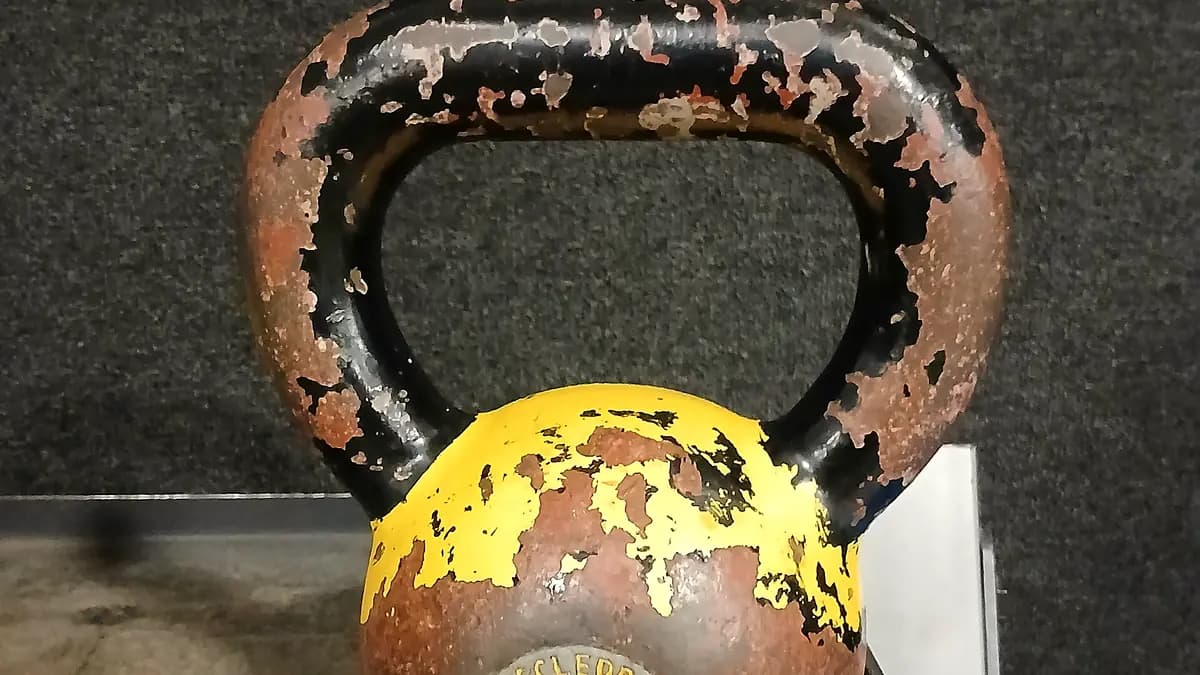
Do exercise snacks build strength?
Not much. Both the British Journal of Sports Medicine and the Frontiers in Nutrition reviews found no significant effect on lower limb muscle strength or muscle mass. The only strength-related signal was muscular endurance in older adults, and the certainty was very low. If building strength is your aim, a structured plan such as our beginners guide to strength training is a better starting point than snacks alone.
Who might benefit most from exercise snacks benefits?
The evidence points to inactive adults who do little structured exercise. For them, exercise snacks produced meaningful gains in cardiorespiratory fitness in several reviews, and adherence was high. For people who already train regularly, the trials say little. The reviews also leave open questions about older adults, because VO2max improvements were not significant in people over 50 in one review, and about long-term effects, because most trials lasted only 4 to 12 weeks.
Who should be careful
Many of the trials used moderate-to-vigorous or near-maximal intensity. If you are inactive and have risk factors for heart disease, build up gradually and get medical advice before sprinting up stairs.
How to try exercise snacks, and how to judge the exercise snacks benefits yourself
- Keep each bout short and hard enough to breathe faster. The trials used bouts of five minutes or less, and intensity ranged up to near-maximal. A brisk stair climb or fast walk is a reasonable moderate start.
- Do them more than once a day. The definition in the main review was at least twice a day, on at least three days a week.
- Give it weeks, not days. Trials lasted 4 to 12 weeks, and the subgroup findings pointed to roughly 7 to 9 weeks.
- Do not expect weight loss. The reviews do not support that claim, so judge your progress by how you feel on stairs and by fitness, not the scale.
- Combine with other habits. For a gentle daily habit, a walking pad can break up sitting, and for general aerobic training see our guide to zone 2 cardio.
How to read claims about exercise snacks benefits
Because exercise snacks are a trendy idea, claims often outrun the evidence. A few questions help.
- Which outcome? Fitness improved most consistently. Cholesterol, blood pressure and body composition mostly did not.
- How big were the trials? The main reviews included between 11 and 22 studies and fewer than 1,000 participants, which is small.
- Was there publication bias? One review found the VO2max effect was no longer significant after adjustment.
- Was it a lab test or real life? The blood sugar findings came from acute lab crossover trials, not from long-term real-world use.
- How certain were the authors? Moderate certainty for fitness, very low for muscular endurance, low for body fat.
The most defensible summary of the exercise snacks benefits is that they are a realistic way for inactive people to improve cardiorespiratory fitness, with unproven or no effects on weight, cholesterol and strength.
Frequently Asked Questions
What are the proven exercise snacks benefits?
The best-supported benefit is better cardiorespiratory fitness in inactive adults. A 2026 British Journal of Sports Medicine meta-analysis of 11 trials found a large improvement (g = 1.37) with moderate certainty, while effects on body composition, blood pressure and lipids were not significant.
Do exercise snacks help you lose weight?
Not according to the reviews. The 2026 British Journal of Sports Medicine review found no significant effect on body composition, and a 2026 review of 21 trials found body fat percentage actually showed an overall increase with low-certainty evidence.
Do exercise snacks lower blood sugar?
They may lower the blood sugar response to a meal in lab trials. A 2026 meta-analysis of eight crossover trials found a significant reduction in glucose, but heterogeneity was high and the prediction interval crossed zero, so the authors said it cannot yet be recommended as a clinical prescription.
How long should an exercise snack be?
In the main review exercise snacks were bouts of five minutes or less, done at least twice a day, on at least three days a week for at least two weeks. One review suggested more bouts per day and seven to nine weeks of training might be associated with greater fitness gains.
Are exercise snacks safe for everyone?
Not necessarily. Many trials used moderate-to-vigorous or near-maximal intensity. People with heart conditions, high blood pressure, diabetes or joint problems, or who have been inactive for a long time, should speak to a doctor before starting vigorous exercise.
References
[Rodriguez MA et al., "Effect of exercise snacks on fitness and cardiometabolic health in physically inactive individuals: systematic review and meta-analysis," British Journal of Sports Medicine, 2026. PMID 41057224] [Meng L et al., "Effects of exercise snacks on cardiorespiratory fitness, body composition, and blood lipids in adults across different age groups: a systematic review and meta-analysis," Journal of Nutrition, Health and Aging, 2026. PMID 42571752] [Qi K et al., "The effect of exercise snacks on cardiorespiratory fitness, body composition, metabolic health, and muscle strength in sedentary individuals: a systematic review and meta-analysis," Frontiers in Nutrition, 2026. PMID 42865602] [Hu X et al., "Acute effects of exercise snacks on postprandial glucose and insulin responses in populations at metabolic risk: a meta-analysis with exploratory meta-regression and vascular outcomes," Frontiers in Endocrinology, 2026. PMID 42558375] [Photo: Basile Morin, CC BY-SA 4.0, via Wikimedia Commons (cropped and colour-graded)] [Photo: Basile Morin, CC BY-SA 4.0, via Wikimedia Commons (cropped and colour-graded)] [Photo: Ser Amantio di Nicolao, CC BY-SA 4.0, via Wikimedia Commons (cropped and colour-graded)]Rate this article
Click on a star to rate this article
Keep Reading
HIIT vs Steady-State Cardio: What the Research Shows
HIIT vs steady-state cardio compared: what meta-analyses show for VO2max, fat loss, blood pressure and safety, and how to pick the right one for you.
Read article →
fitnessStatic Stretching Before a Workout: What the Research Shows
Does static stretching before a workout hurt performance or prevent injury? What four reviews found, the 60-second threshold and a simple warm-up.
Read article →
fitnessSauna vs Cold Plunge: What the Research Shows
Sauna vs cold plunge compared: what trials and cohorts show on heart health, soreness, stress and muscle growth, plus who should avoid each.
Read article →

Vitality & Strength Editorial Team
Independent research synthesists — not licensed clinicians
Independent health writers and research synthesists. We are not doctors or registered dietitians; every claim we publish is sourced and linked to primary research, and we take no affiliate or industry money.